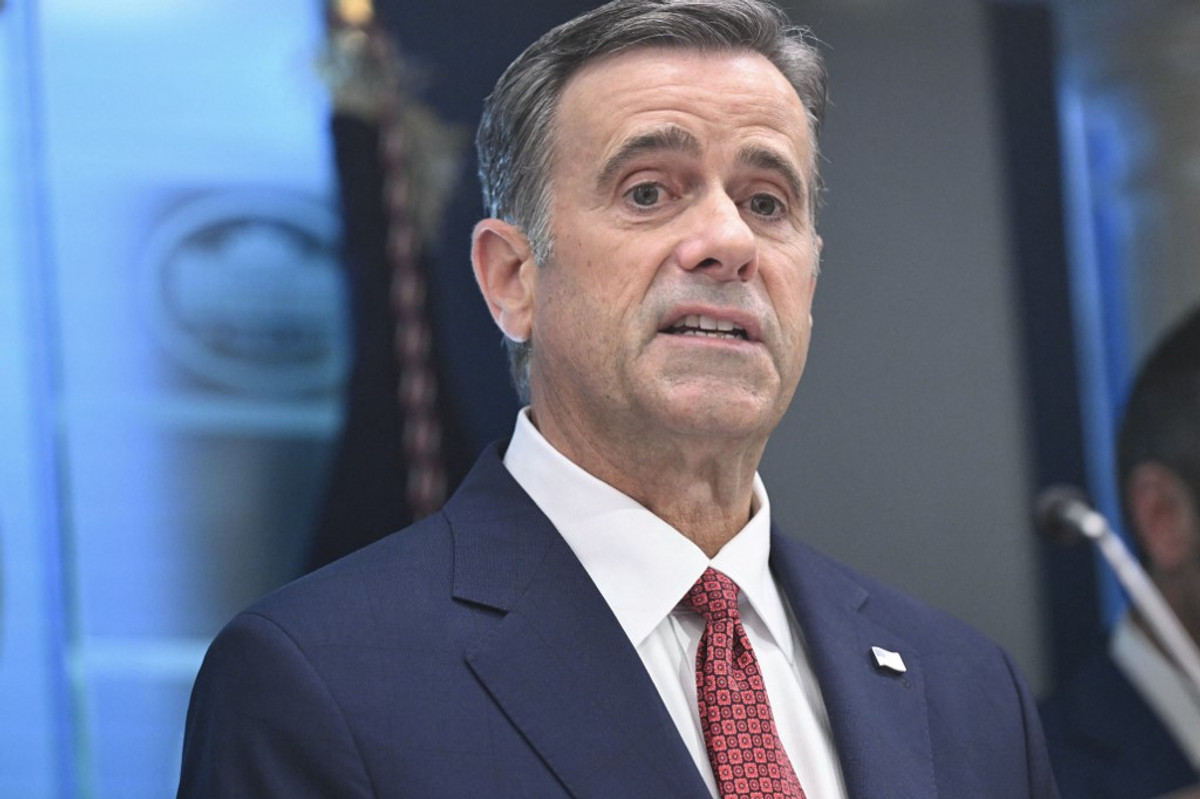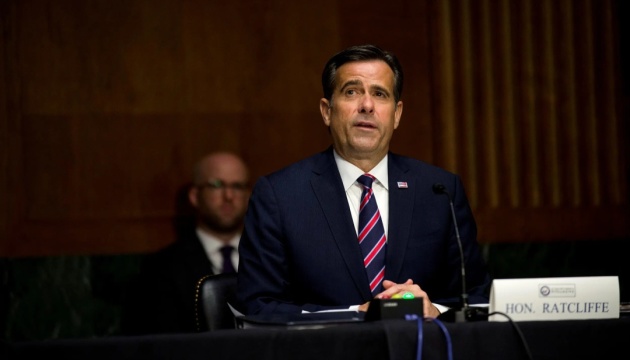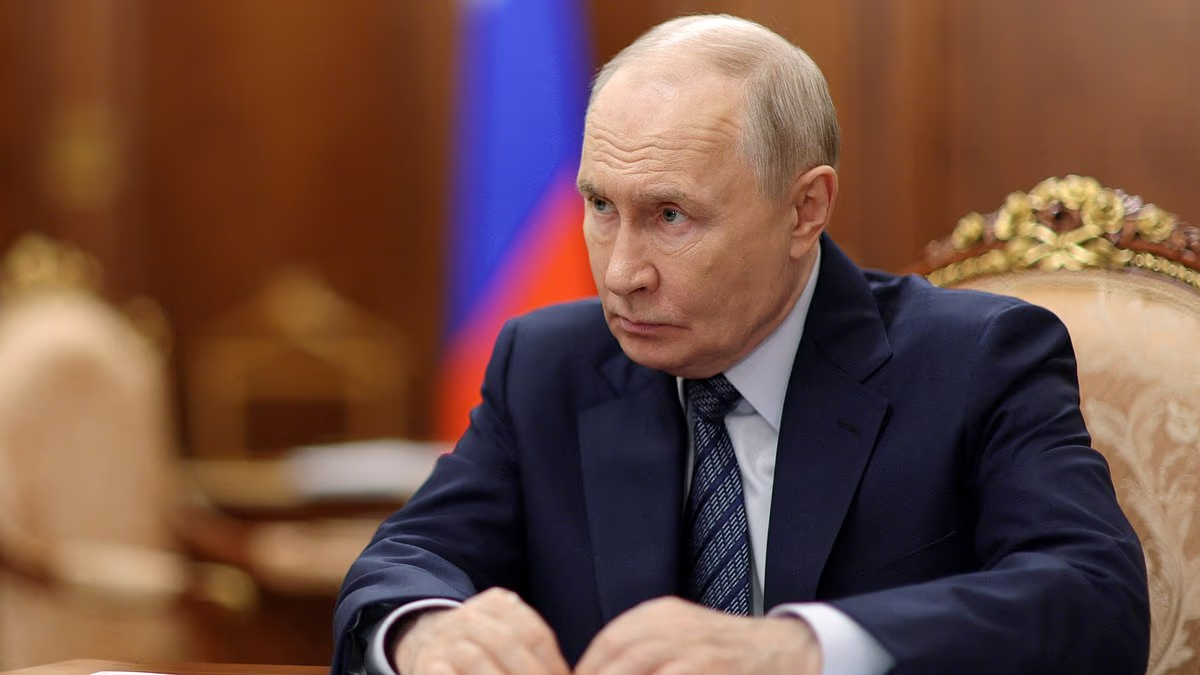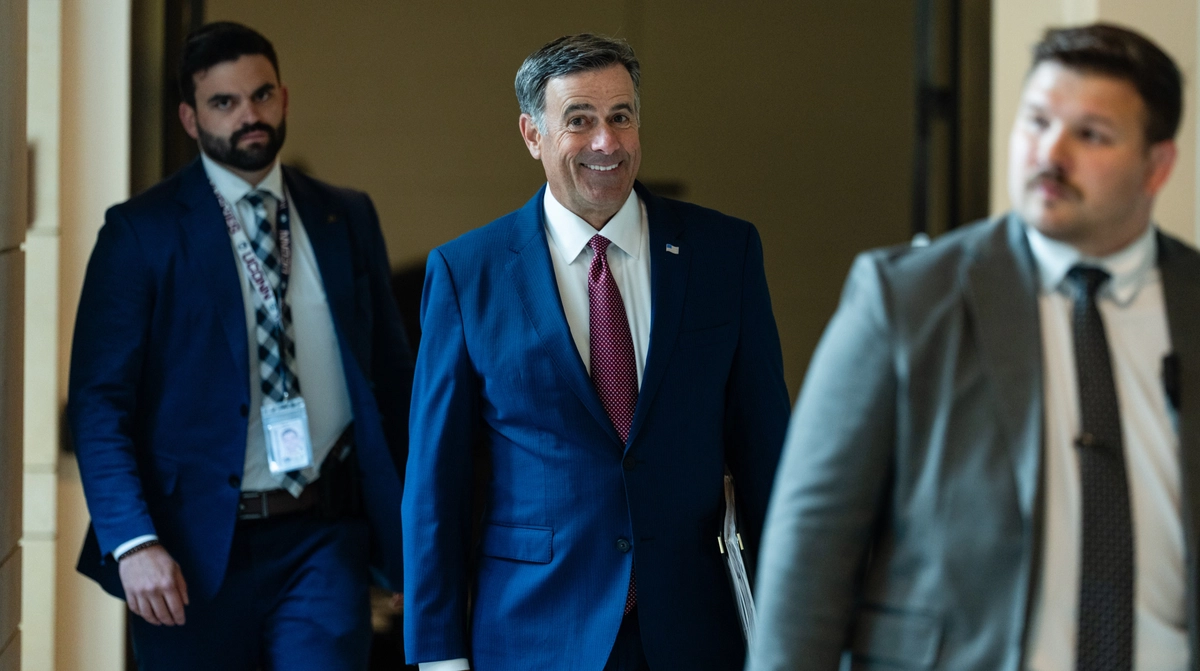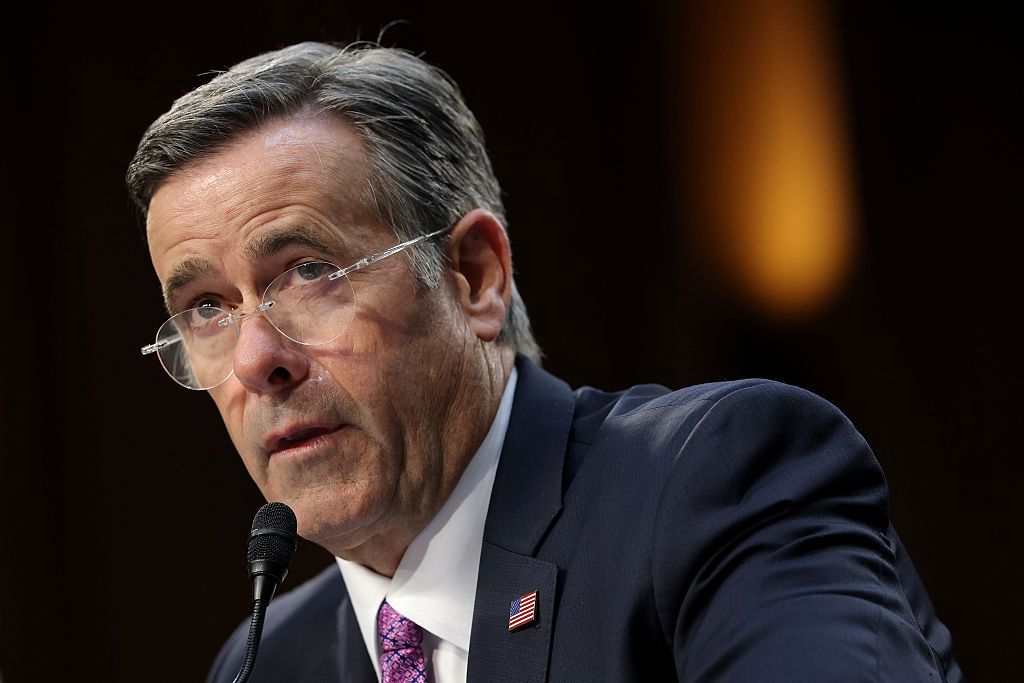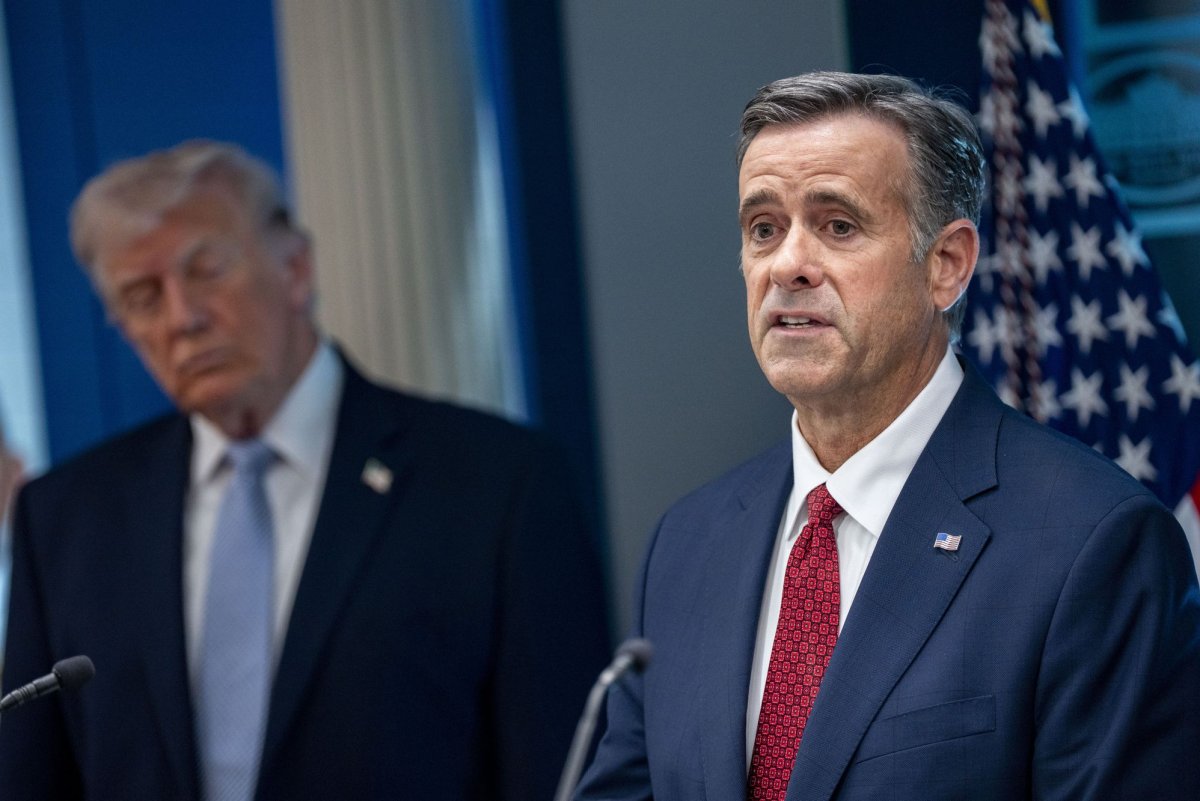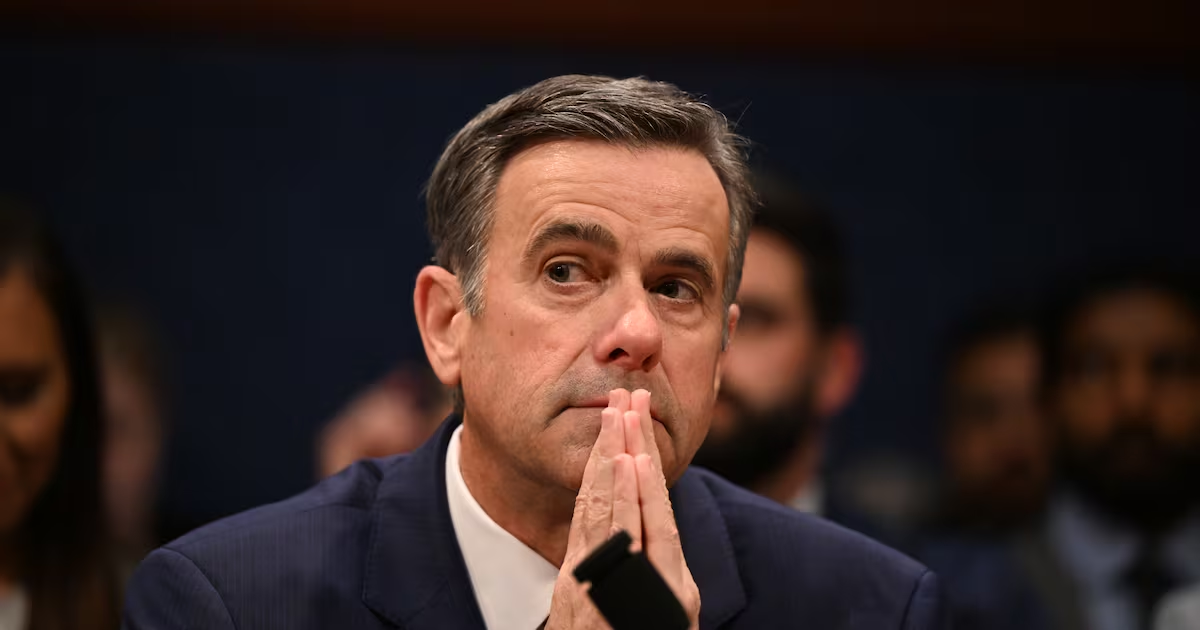
John Ratcliffe, the CIA director, made a secretive visit to Moscow this week to privately share his bleak assessment of the state of the Russian war against Ukraine, and to urge the Russians to make a deal before their military and economic situation gets worse, current and former officials said.Ratcliffe delivered the message to Alexander Bortnikov, the head of Russia’s FSB intelligence service, and made no threats about potential consequences for the Russian side should Russian president Vladimir Putin ignore the CIA director’s assessment and choose to continue fighting.CIA analysts have long questioned whether Putin’s advisers have given him honest assessments of the war’s trajectory.The CIA has long maintained communications channels with the FSB and Russia’s foreign intelligence service, which is known as the SVR.Officials said Ratcliffe’s intelligence channel with Bortnikov runs parallel to separate channels that US president Donald Trump’s envoy, Steve Witkoff, and Jared Kushner, the president’s son-in-law, have established with other senior advisers to Putin.Some officials said they hoped that Putin, a former intelligence officer himself, would see a message from the CIA director as more urgent and credible than communications through normal diplomatic channels.For much of last year, Trump and some of his top advisers appeared to hold the belief that a Russian battlefield victory over Ukraine was inevitable because of Russia’s larger population and its nuclear arsenal.But the Russians have suffered massive losses, and their battlefield gains have stalled.It is not clear whether Ratcliffe’s message presaged any change in US policy toward Russia or Ukraine.Ratcliffe’s visit was the latest effort by the Trump administration to breathe new life into stalled negotiations. It has become increasingly clear that Ukraine is not going to give up its fight in the east, even with reduced US military support.Given what he presented as the bleak military and economic reality for Russia, Ratcliffe told Bortnikov that he believed it was time for Moscow to engage in serious negotiations to end the war.Since Trump’s return to office, the United States has scaled back its military support to the Ukrainians, forcing them to rely more heavily on European allies.The CIA has maintained its close intelligence partnerships with the Ukrainians, which began more than a decade ago.The private message that Ratcliffe delivered to Bortnikov about Ukraine echoed some of the director’s public statements.Last month, Ratcliffe spoke out pointedly about Russian troop losses during the war, and Moscow’s inability to advance on the battlefield. He noted that the life expectancy of a Russian soldier on the front lines was less than 35 minutes.And he added that Russia had gained only about 1 per cent of Ukraine’s total territory in the 18 months since he became CIA director, a development he attributed to Ukraine’s “mastery” of drone technology.Before Ratcliffe met Bortnikov in Moscow, he spoke with his Ukrainian counterparts, assuring them that he would be exploring Russian positions, not making concessions on behalf of the Ukrainians.European diplomats believe there may be an opening to secure a peace agreement between Russia and Ukraine in the coming winter months, given the largely stalled Russian offensive in the Donbas region, and because of Ukraine’s ability to continue imposing deep costs on Russia with its drone warfare.Some of those European officials have been pressing the Trump administration to add a national security official to the mix of officials pressing the Russians for a peace deal, someone who could deliver the kind of tough message Ratcliffe delivered this week.The Ukrainians have long viewed Witkoff and Kushner as too close to the Russians. They view Ratcliffe, a long-time Russia hawk, as a potentially more neutral mediator.Trump has repeatedly used Ratcliffe as a messenger.In January, he became the first cabinet-level official to visit Venezuela after US special operations forces seized Venezuela’s president Nicolás Maduro.In May, he travelled to Cuba, giving its leaders a bleak assessment of the state of the Cuban economy in the face of a US oil blockade. He urged the country to make a series of sweeping political and economic changes before the situation got worse.Direct contacts between US and Russian spy chiefs have been sporadic in recent years.In November 2021, William Burns, the CIA director in the Biden administration, met face to face in Moscow with Bortnikov and other top Russian officials to warn Putin against launching a full-scale invasion of Ukraine.A year later, in November 2022, Turkey hosted a face-to-face meeting in Ankara between Burns and Sergei Naryshkin, the leader of Russia’s foreign intelligence service. US intelligence agencies had intercepted Russian communications about the possible use of a nuclear device by the Russians to slow Ukrainian advances in that autumn’s counteroffensive. Burns warned Naryshkin of serious consequences if the Russians acted on the alleged threat.The Turkish hosts wanted the meeting to be the start of a lasting channel of direct communication between Washington and Moscow to reduce tensions. But the CIA was angry at Moscow when, after the meeting, the Russian side made it public. Burns and Naryshkin did not have a second face-to-face meeting, though they continued to communicate occasionally by phone.After Trump took office last year, Ratcliffe and Bortnikov worked out the details of a prisoner swap, but this week’s face-to-face meeting in Moscow was their first. – This article originally appeared in The New York Times.
CIA director gives bleak assessment of Russia’s war in Ukraine during Moscow visit
Russians urged to make a deal before their military and economic situation worsens
872 words~4 min read