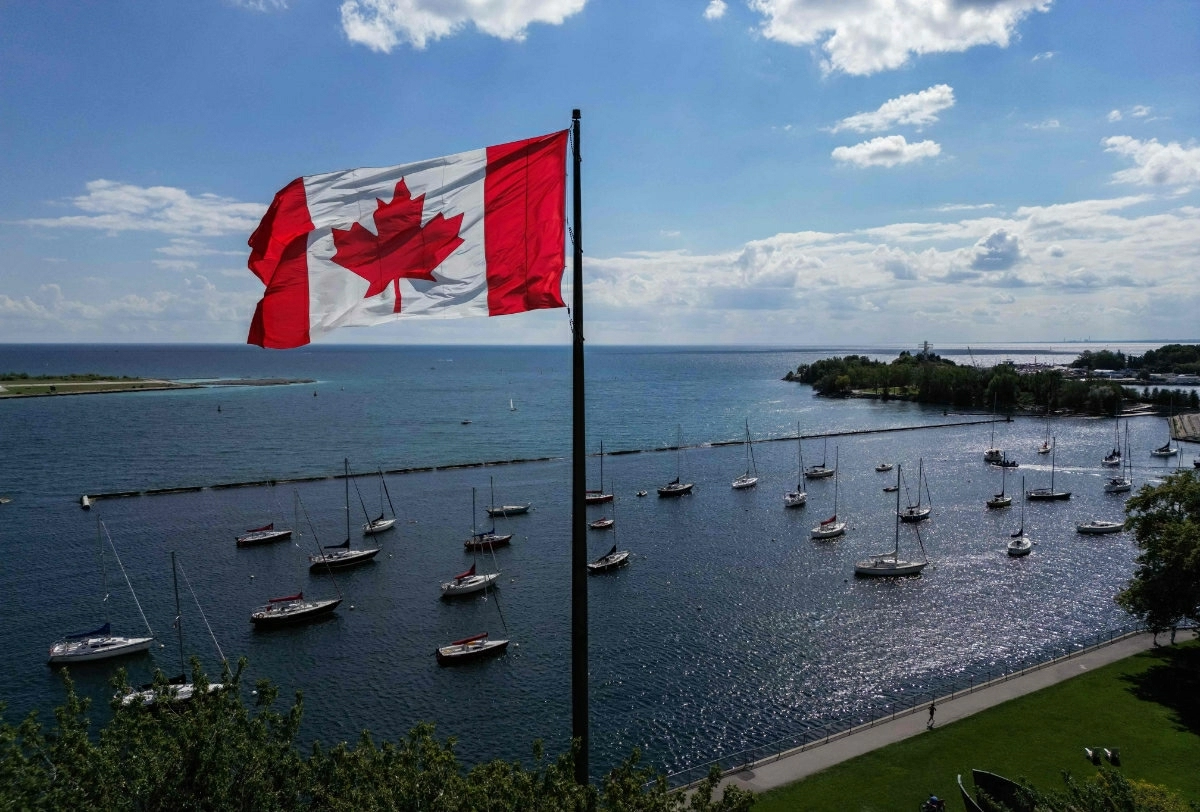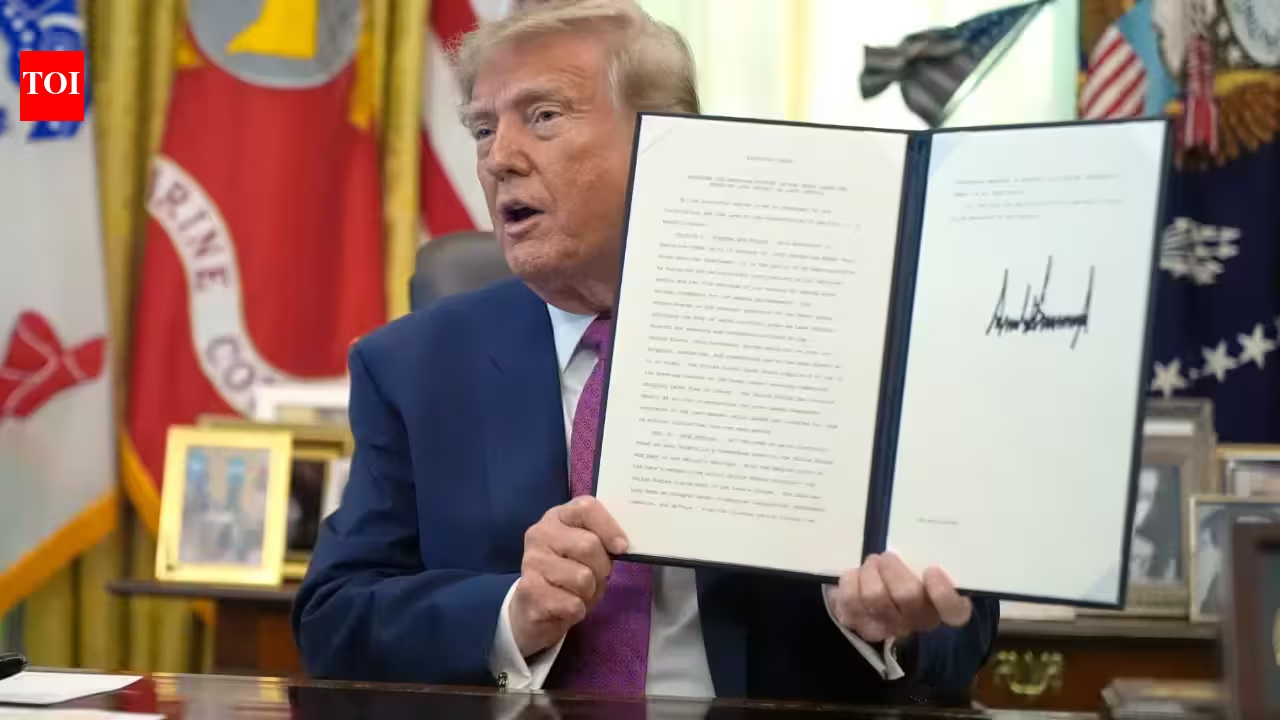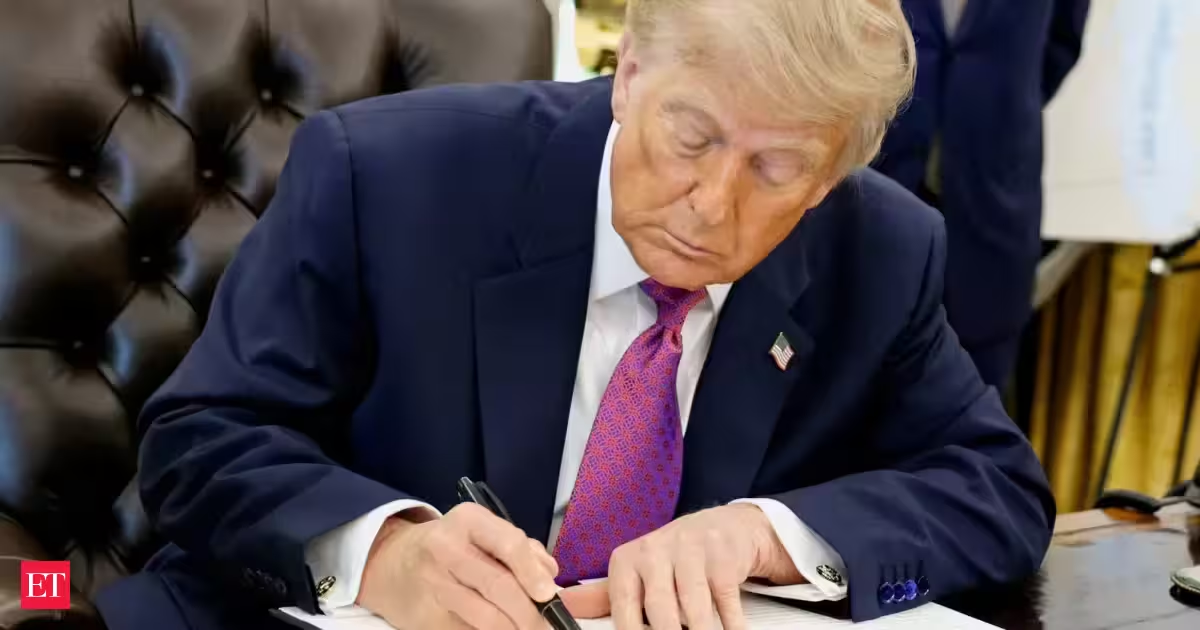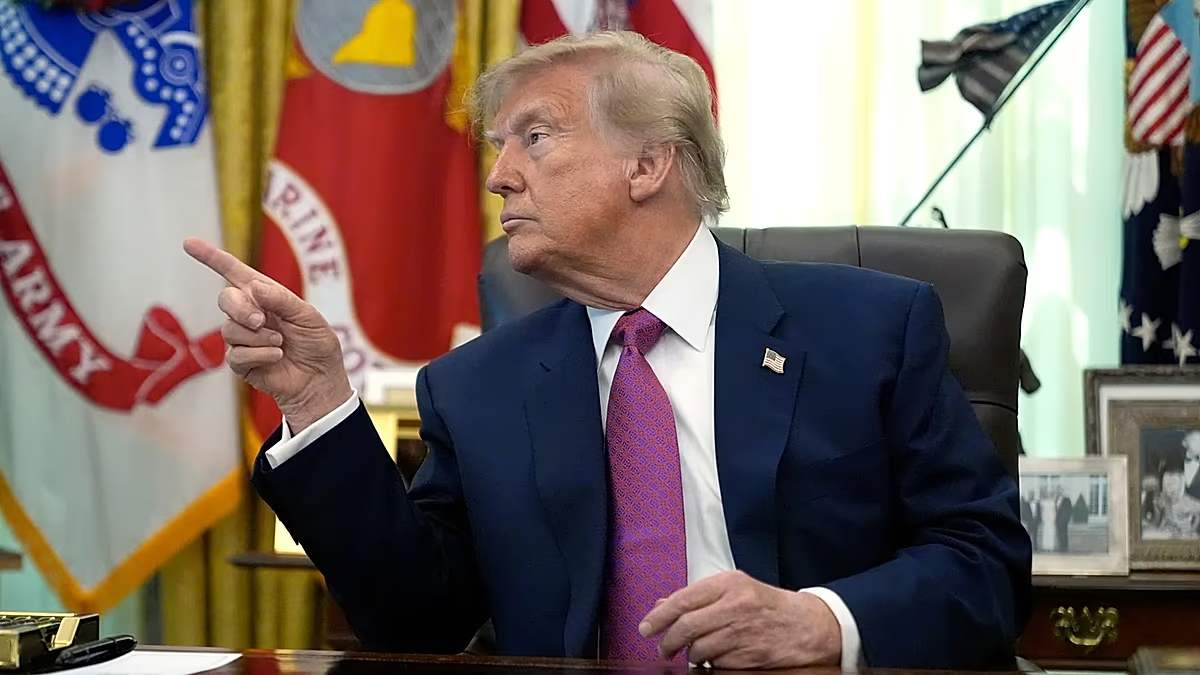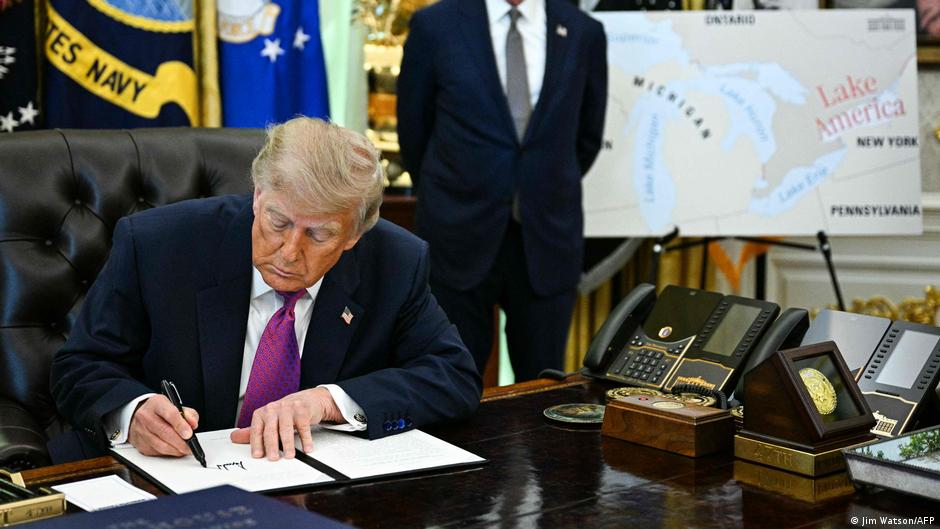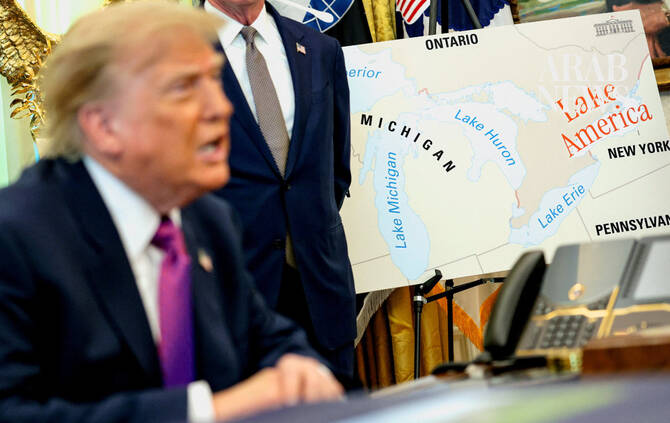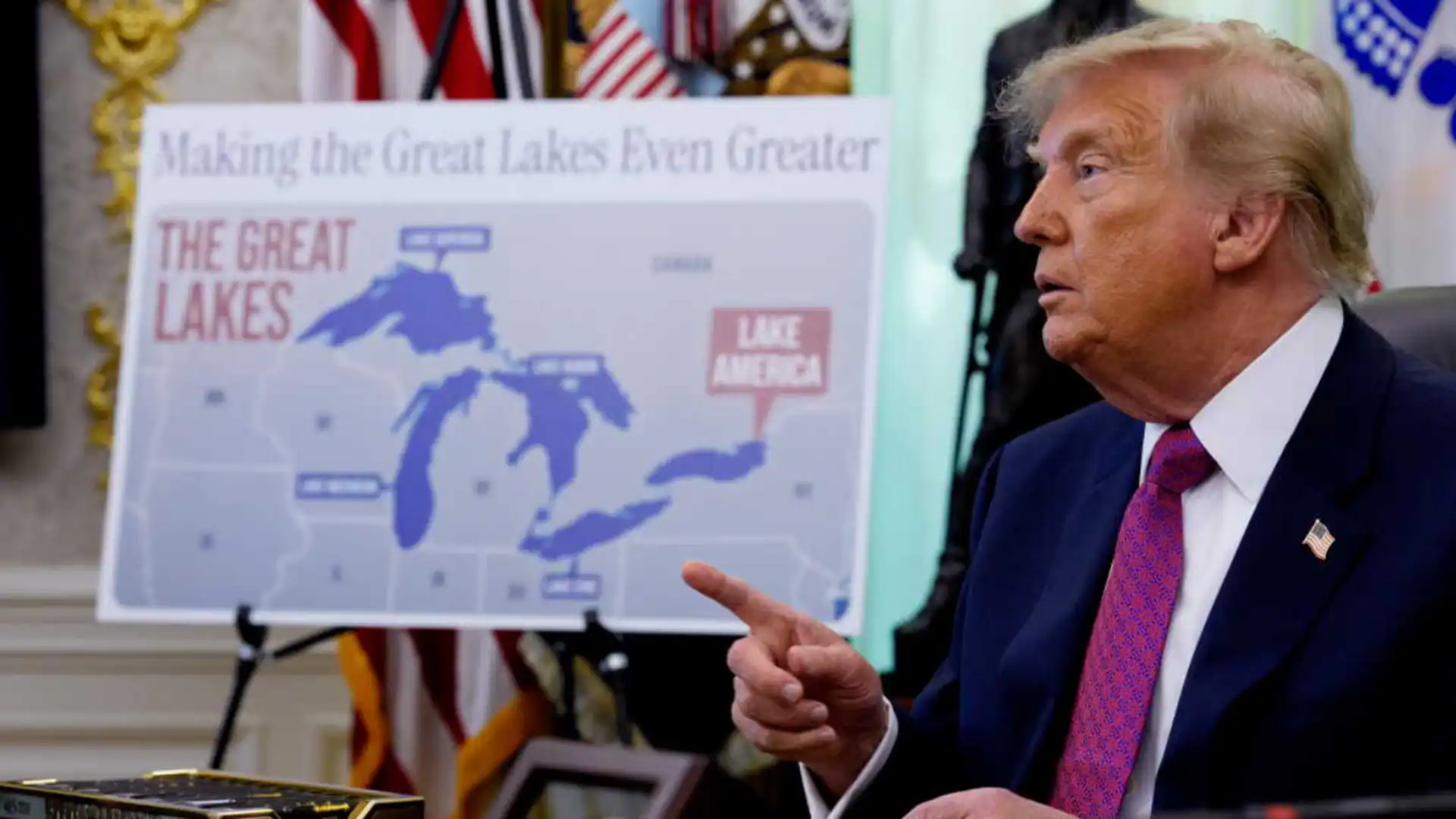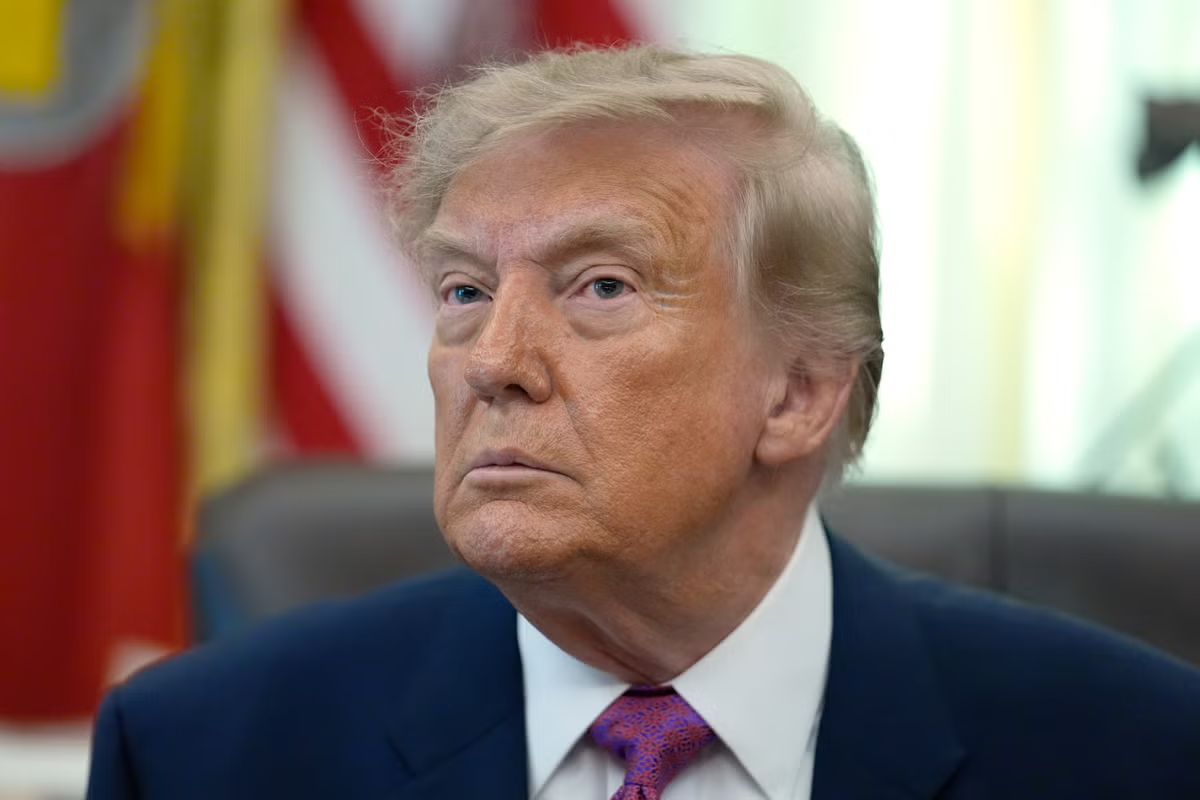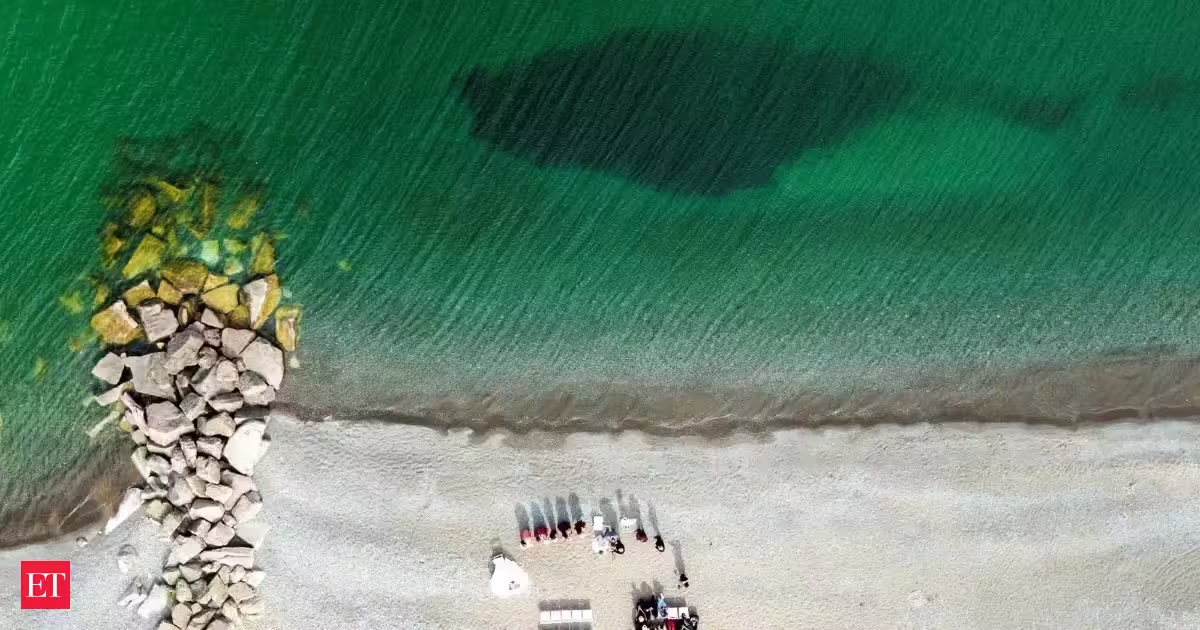
A lake can be many things at once: a waterway, a border, a trade route and, sometimes, a rather unexpected political battleground. That is exactly what has happened with Lake Ontario after US President Donald Trump signed an executive order on August 27 directing US federal agencies to rename the Great Lake “Lake America”.The order instructs the US Interior Department and the Board on Geographic Names to update federal records and maps within 30 days.Read more - Cyclosporiasis: Think your salad is harmless? Parasite outbreak spreads across Michigan, Pennsylvania, Texas, Ohio, Massachusetts & 15 more states; FDA issues warningBut there is one important catch: the US can change the name used in its own federal records, but it cannot compel Canada to adopt the new name. Canadian officials have rejected the change and continue to refer to the lake as Lake Ontario.Read more - 'Lots of tears': Goldie Hawn’s family faces emotional new chapter as daughter-in-law Erinn shares post after son Wilder leaves home for collegeSo, how did Lake Ontario get its name in the first place? And why does the history behind that name matter?Where does the name Lake Ontario come from?According to Natural Resources Canada, the name Ontario comes from the Iroquois word “kanadario”, which means “sparkling” water.The name has a surprisingly long history. Natural Resources Canada says “Ontario” was first recorded in 1641, when it was used to describe a landmass along the north shore of the easternmost Great Lakes.In other words, the name existed long before the modern province of Ontario was created.That detail is important because it turns a common assumption on its head.Was Ontario named after Lake Ontario?No, the modern province took its name from the existing geographical name.Natural Resources Canada says the name Ontario was already being used in the 17th century. After Britain reorganised its North American territories, the region was eventually divided into Upper Canada and Lower Canada in 1791. Upper Canada broadly covered the area that later became Ontario, while Lower Canada became Quebec.Ontario and Quebec officially became separate provinces in 1867.So, the lake did not get its name from the province. The geographical name came first.What does Lake Ontario’s Indigenous name tell us?The history of “Ontario” is part of a much larger story about Indigenous place names across Canada.Natural Resources Canada says Indigenous peoples were the original occupants of the land and named geographical features around them. These names can carry information about landscapes, natural resources, traditional knowledge, stories and Indigenous worldviews.Canada currently has tens of thousands of official geographical names with Indigenous origins, covering everything from communities and administrative areas to lakes, rivers and other physical features.That means a place name is not necessarily just a convenient label on a map. It can preserve a fragment of a language and a record of how people understood the land long before modern political borders existed.Why is Trump renaming Lake Ontario ‘Lake America’?Trump's executive order says the body of water currently known as Lake Ontario is an important part of US heritage and economy.The White House argues that the US has played a major role in protecting and developing the Great Lakes, pointing to American investment, shipping and historical military and commercial activity around the lake. The order therefore directs the US government to officially use “Lake America” in federal records.The move comes amid heightened tensions between Washington and Ottawa over trade and other issues.Reuters reported that the decision was immediately rejected in Canada, while New York Governor Kathy Hochul, whose state borders the lake, also dismissed the new name.Will Canada call Lake Ontario ‘Lake America’?Not at the moment. The executive order applies to US federal usage. It does not have the power to force Canada or international organisations to change their terminology.Canadian Prime Minister Mark Carney and other Canadian officials have reaffirmed the name Lake Ontario, while Ontario Premier Doug Ford has also rejected Trump's attempt to change what Canadians call the lake.That creates an unusual situation in which the same body of water could officially have different names depending on which country's government document you are reading.Why do Indigenous place names matter?For Indigenous communities, geographical names can represent far more than a location.Natural Resources Canada notes that Indigenous place names can communicate traditional knowledge, stories, teachings and relationships with the land. European settlement also resulted in many Indigenous names being translated, adapted or replaced with names from European languages.That history is why debates over renaming places can become much bigger than arguments about spelling or terminology.Changing a name can be seen as changing which history is given prominence.Lake Ontario has been a trade route for centuriesLong before today's Canada-US border existed, the Great Lakes were important networks for movement, trade and communication.Lake Ontario connects to the St Lawrence River and has played a major role in the economic and military history of both countries. The White House itself points to the lake's importance to American exploration, settlement, commerce and defence, including its role during the War of 1812.Its significance, however, is much older than the United States or Canada as modern nation states. That is what makes its name so loaded.Trump orders Lake Ontario to be renamed 'Lake America'For US federal agencies, the name is being changed to “Lake America”, with the Interior Department instructed to update the Geographic Names Information System and federal references within 30 days.Outside that US federal system, however, the situation is very different.Canada continues to use Lake Ontario, and the US order cannot unilaterally rewrite Canadian geographical naming conventions or international usage.Inputs frm agencies
Why is Lake Ontario called Lake Ontario? The centuries-old history behind its name that Trump's ‘Lake America’ renaming move cannot erase
Lake Ontario News: United States President Donald Trump has ordered Lake Ontario to be renamed Lake America, a move that Canadian officials have rejected. The name Ontario is believed to have Indigenous roots and is derived from an Iroquois word meaning “sparkling water”. Indigenous place names carry significant historical and cultural importance for local communities. The renaming dispute highlights differing national perspectives over shared geographical features.
921 words~4 min read