August 28, 2026
Hamzat
By MOSHOOD OSHUNFUREWA
As the 2027 general election approaches with the inexorable certainty of a tide that waits for no man, there is a familiar rhythm that plays out across the political landscape of Lagos State. The air thickens with promises, the streets swell with campaign paraphernalia, and those who hold power-or seek to-suddenly discover a newfound lenity toward behaviours that, in less politically charged seasons, would invite swift rebuke. Political supporters and cronies, emboldened by the proximity of the ballot, conduct themselves with an impunity that suggests the rules of governance have been suspended. Yet, for all the theatre of electoral politics, one truth remains stubbornly undeniable: the reality that will confront the next government, whether it be that of Dr. Obafemi Hamzat or another, will not be swayed by campaign slogans or the frenzied loyalty of party faithful.
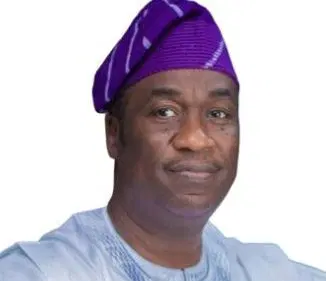
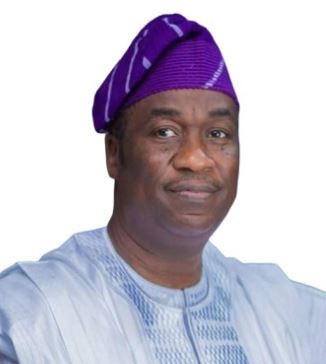
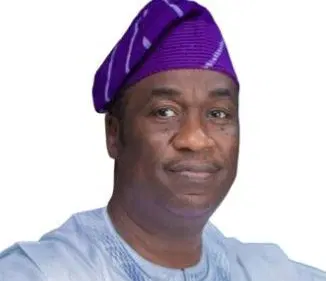
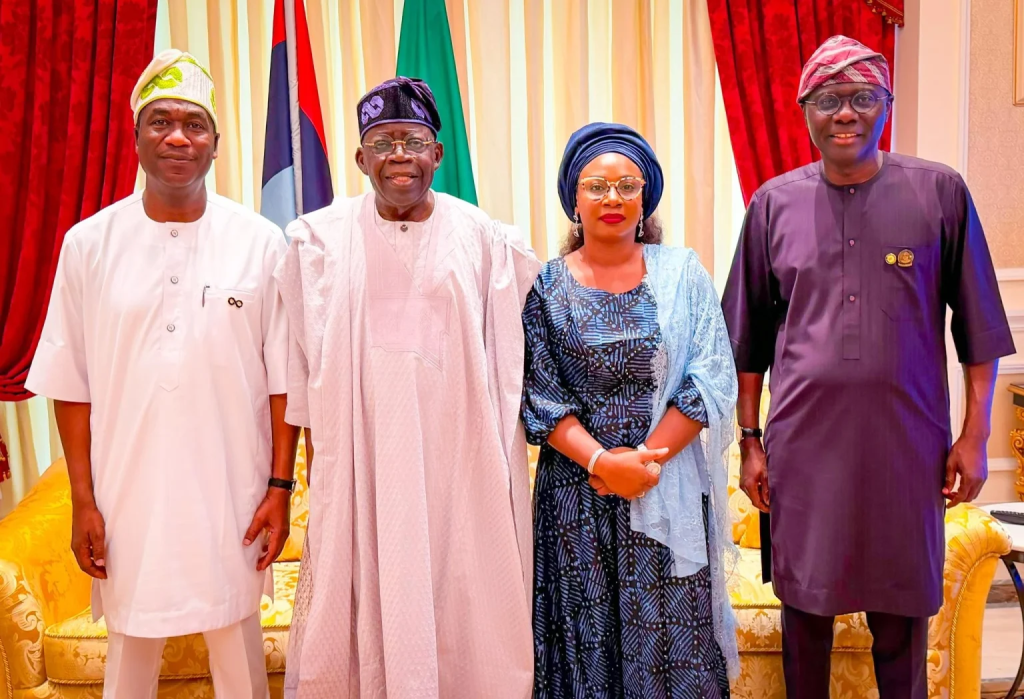
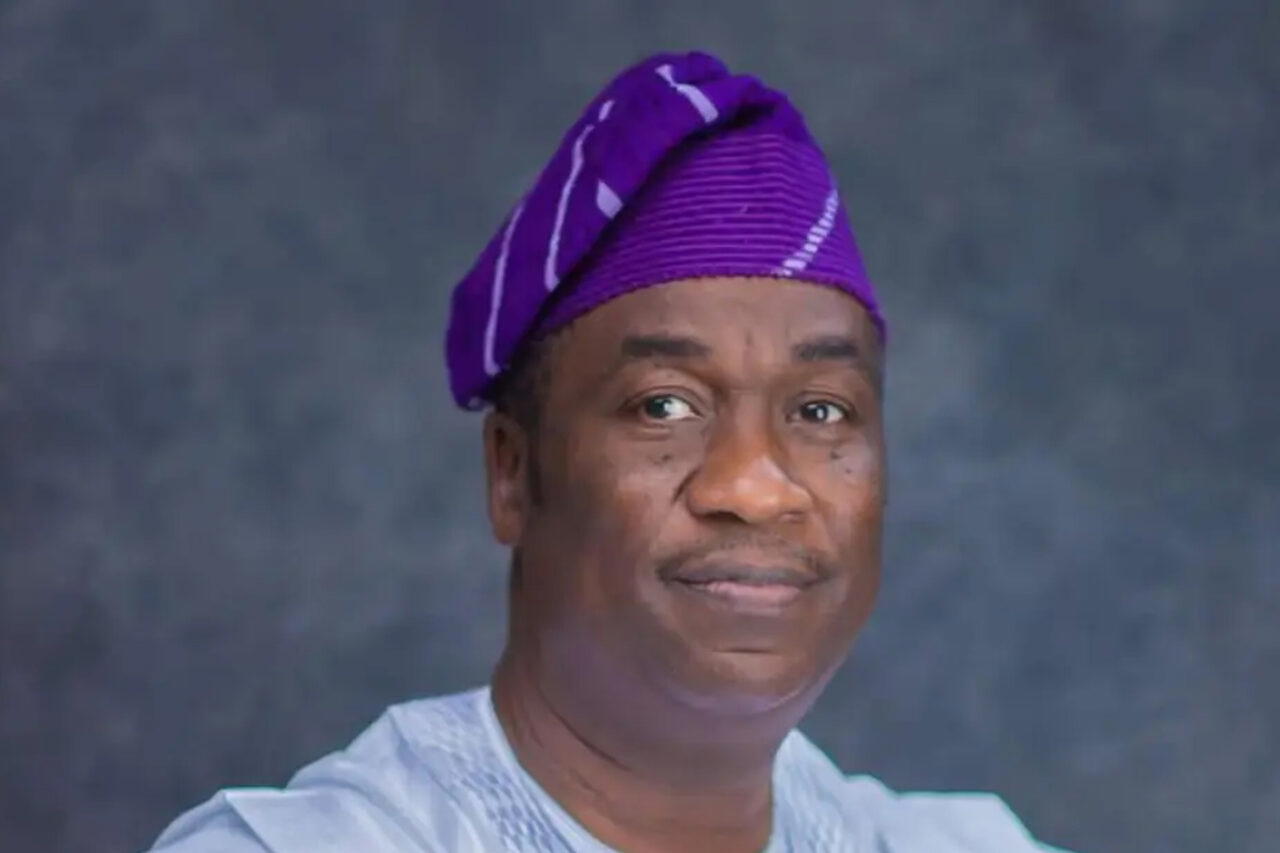
Dr. Obafemi Hamzat, the Lagos State deputy governor who recently emerged as the All Progressives Congress (APC) governorship candidate with a resounding 657,917 votes against his sole rival’s single vote, stands at the threshold of history as the first deputy governor to secure a governorship ticket in the state. With the endorsement of President Bola Tinubu and Governor Babajide Sanwo-Olu, his path to the pinnacle of Lagos politics appears assured. But the question that must be asked, and asked with the urgency that the moment demands, is whether the machinery of electoral victory can translate into the machinery of effective governance. For the challenges that await are not the stuff of political rhetoric; they are the gritty, unglamorous, and deeply consequential realities of a megacity straining at its seams.