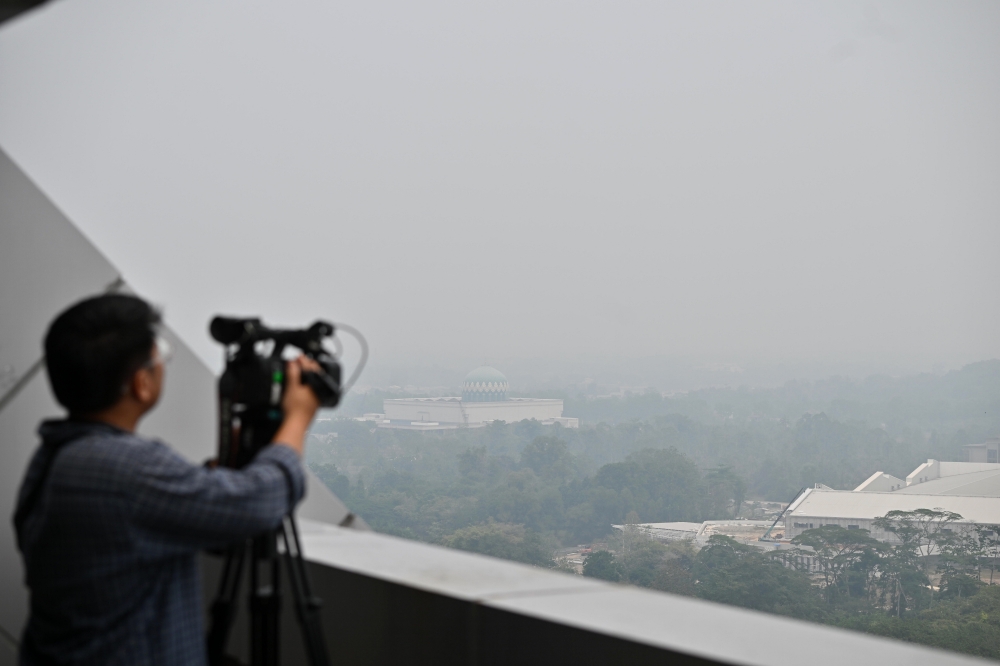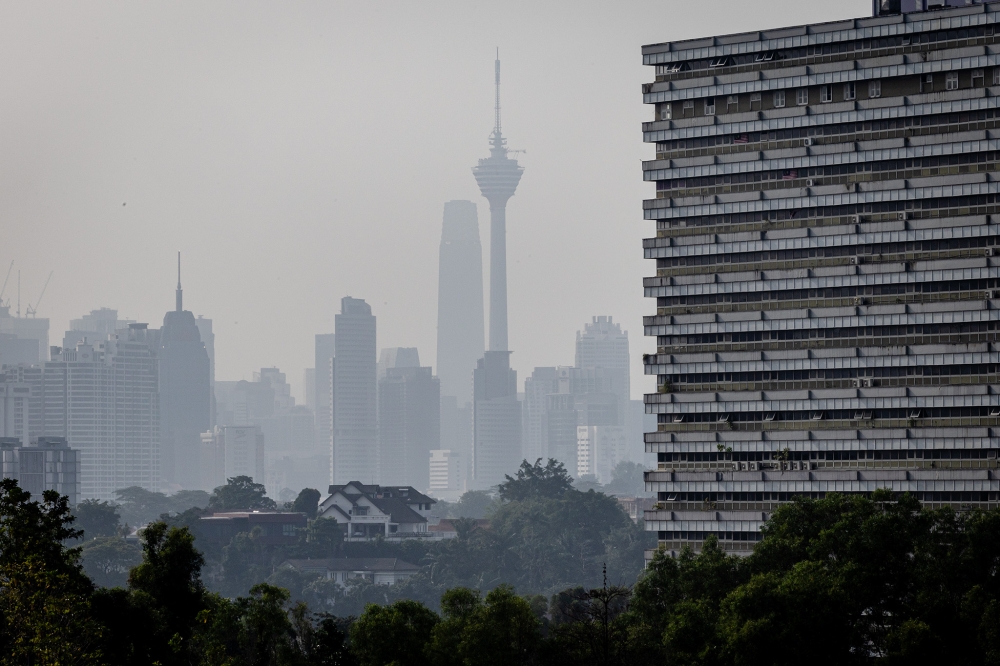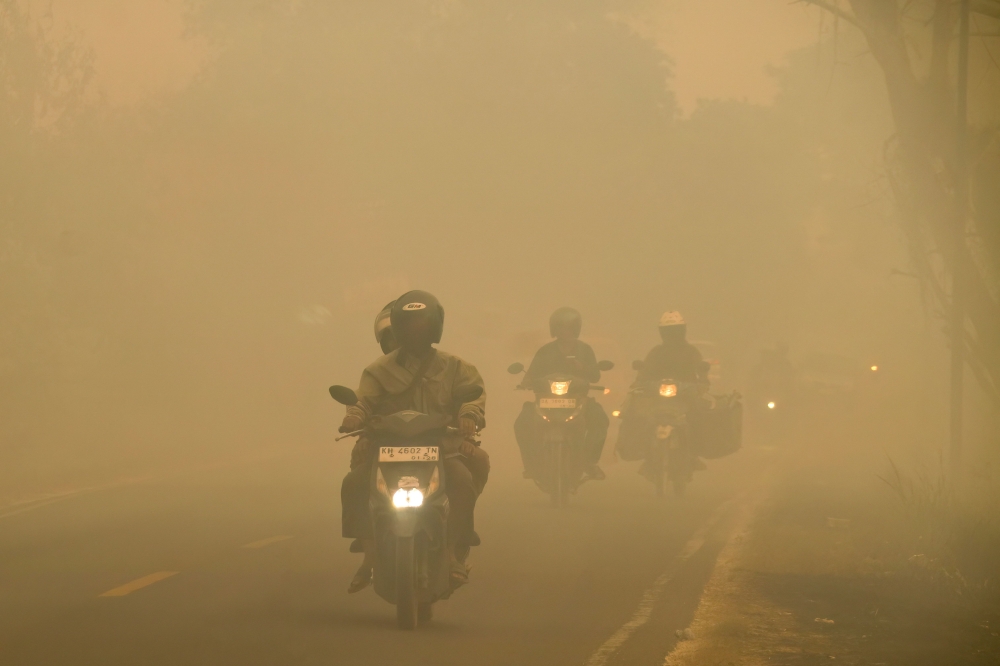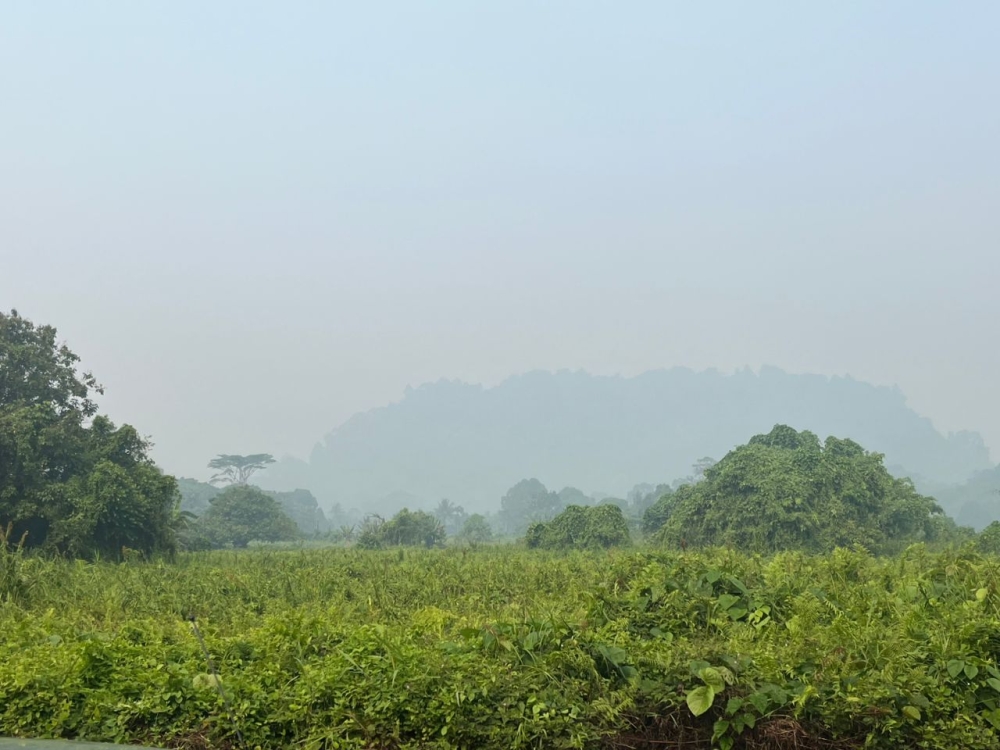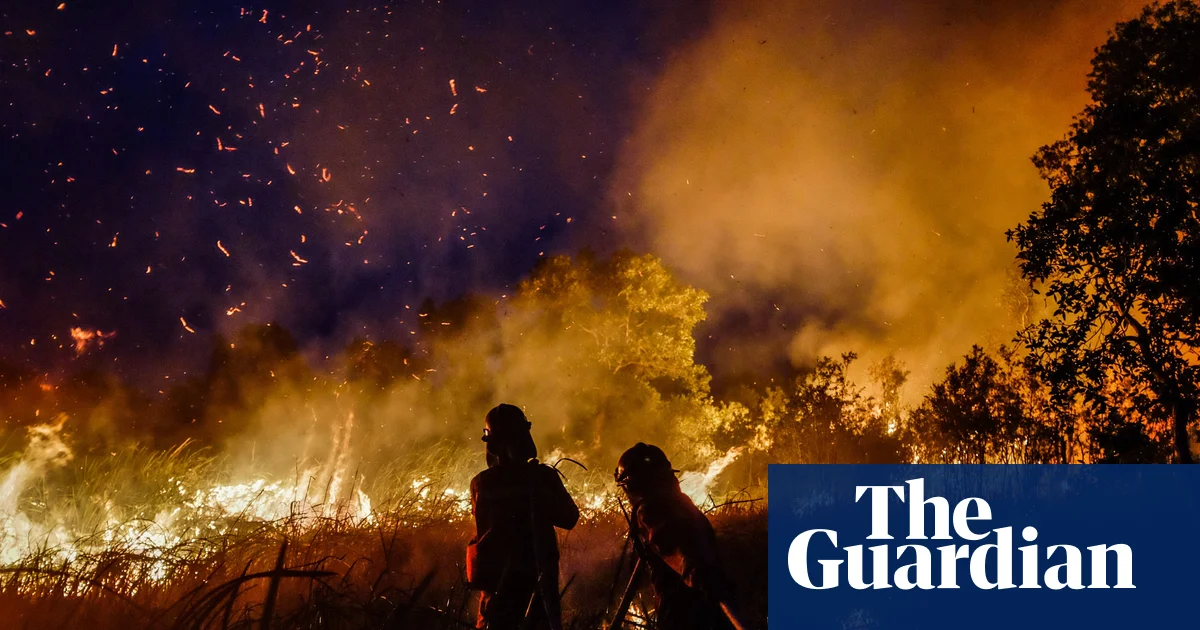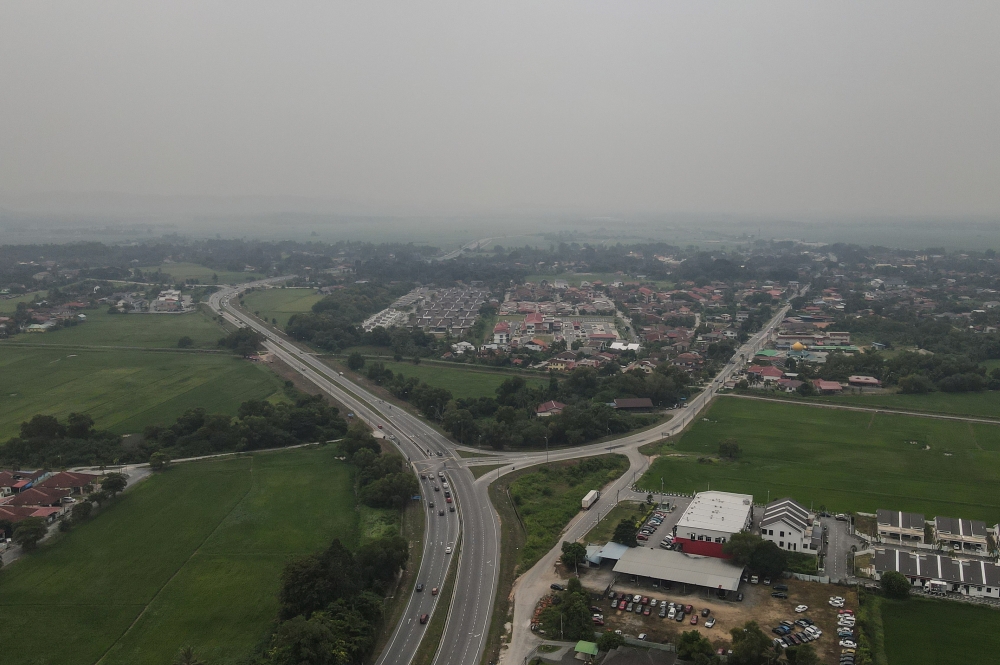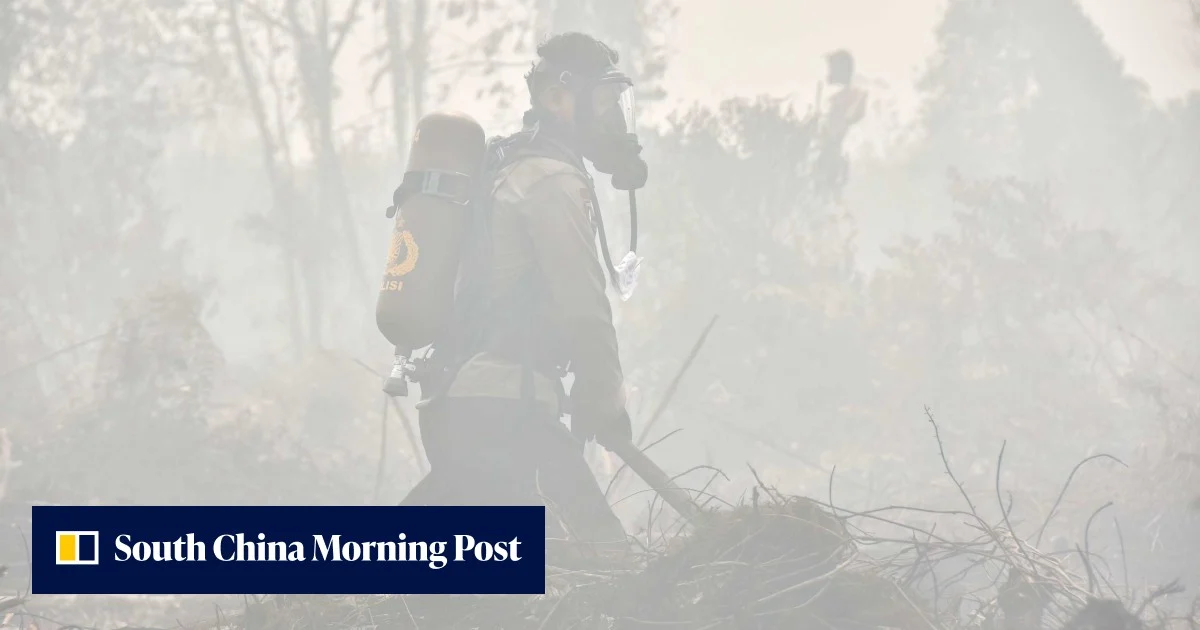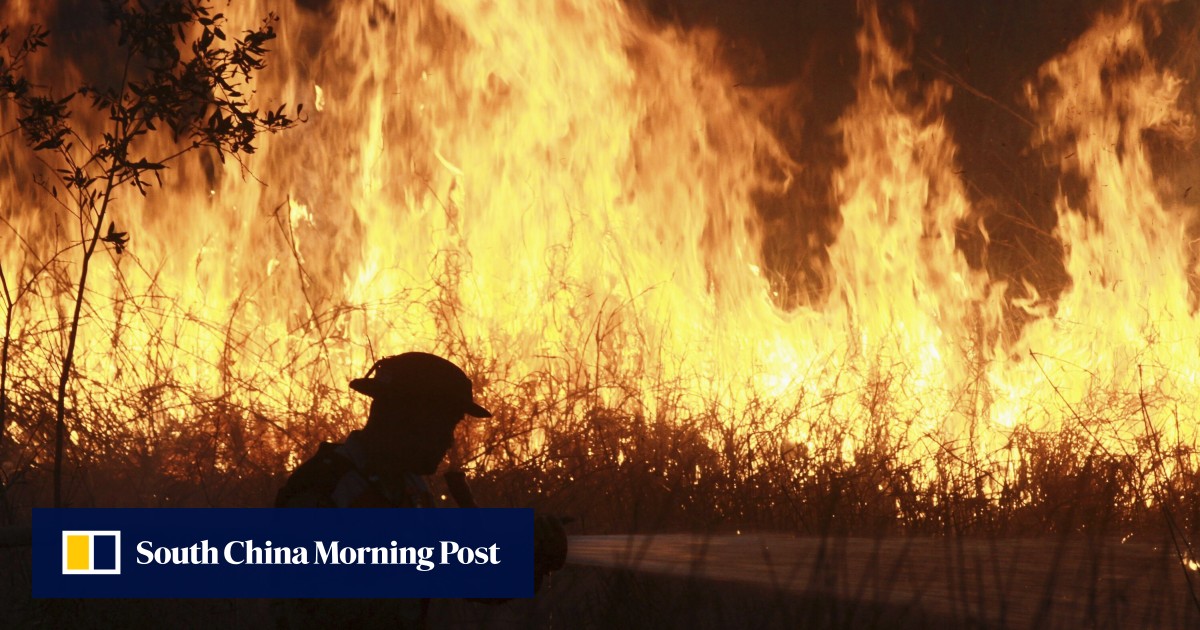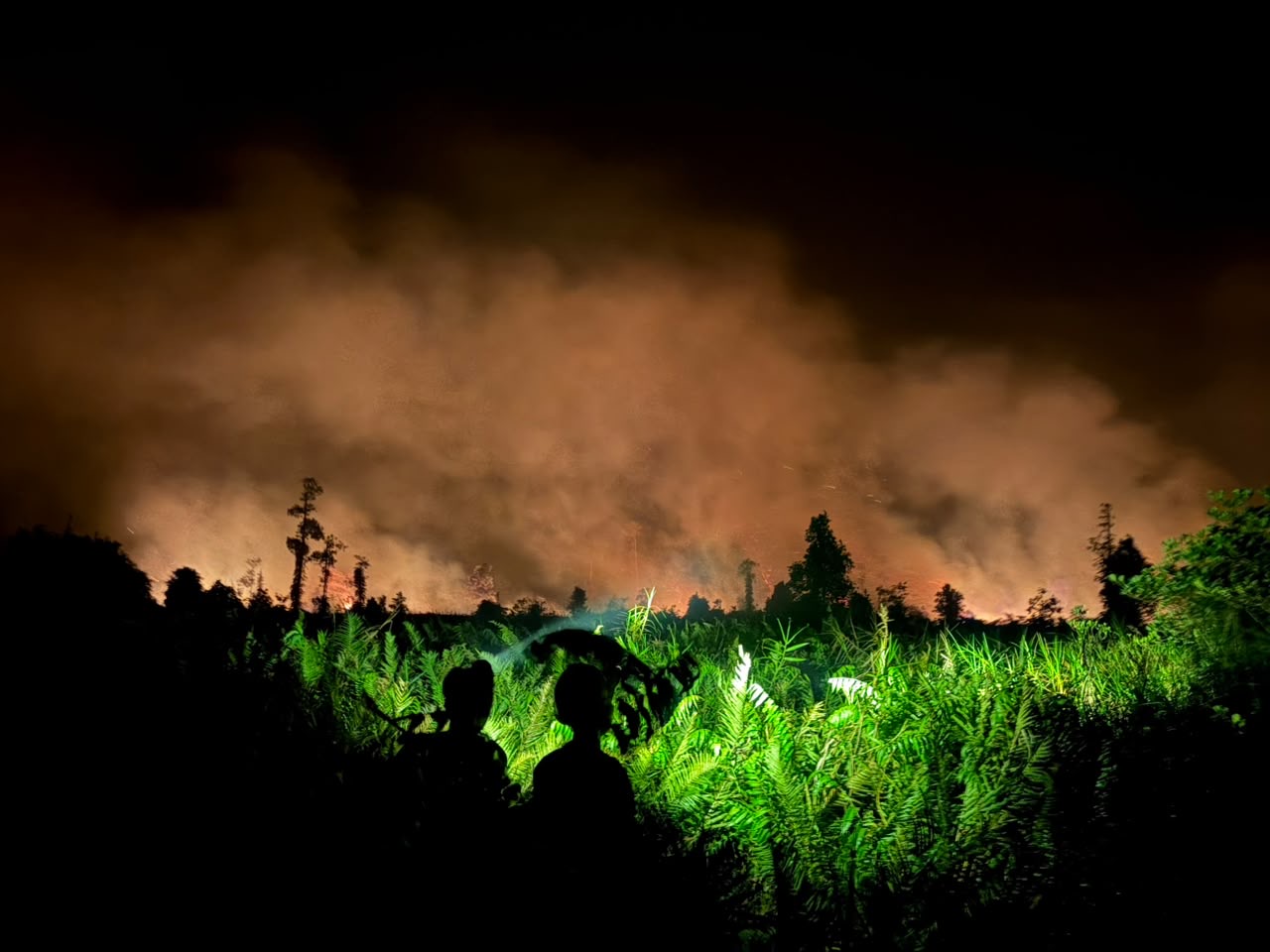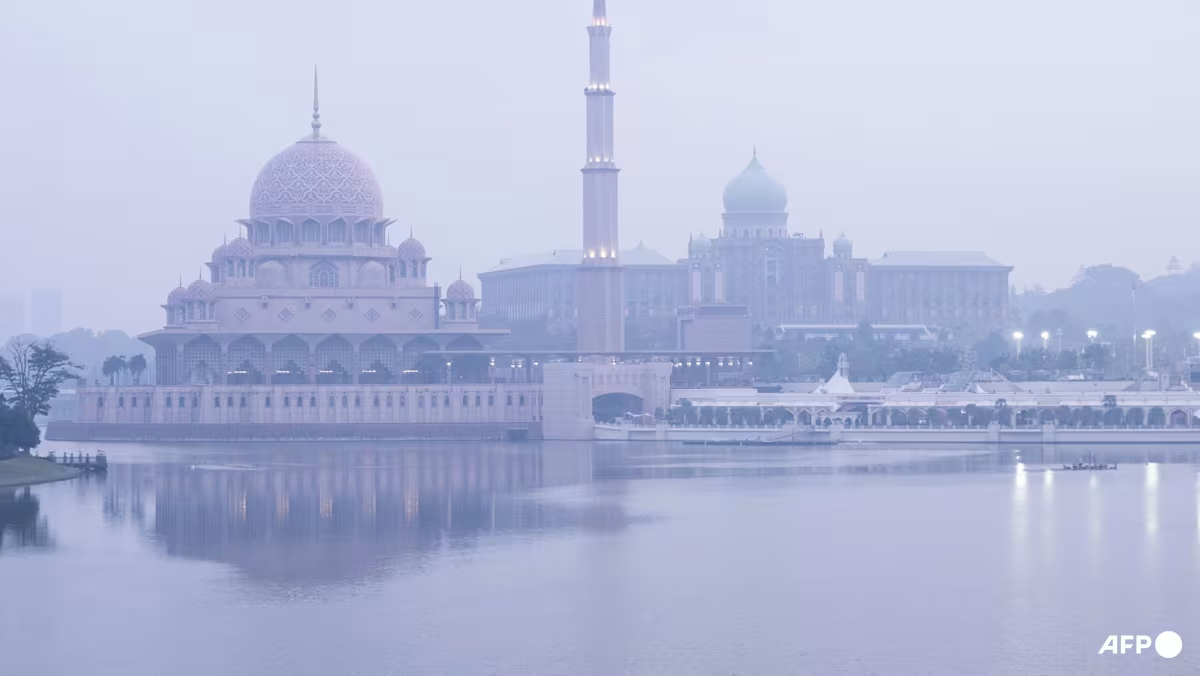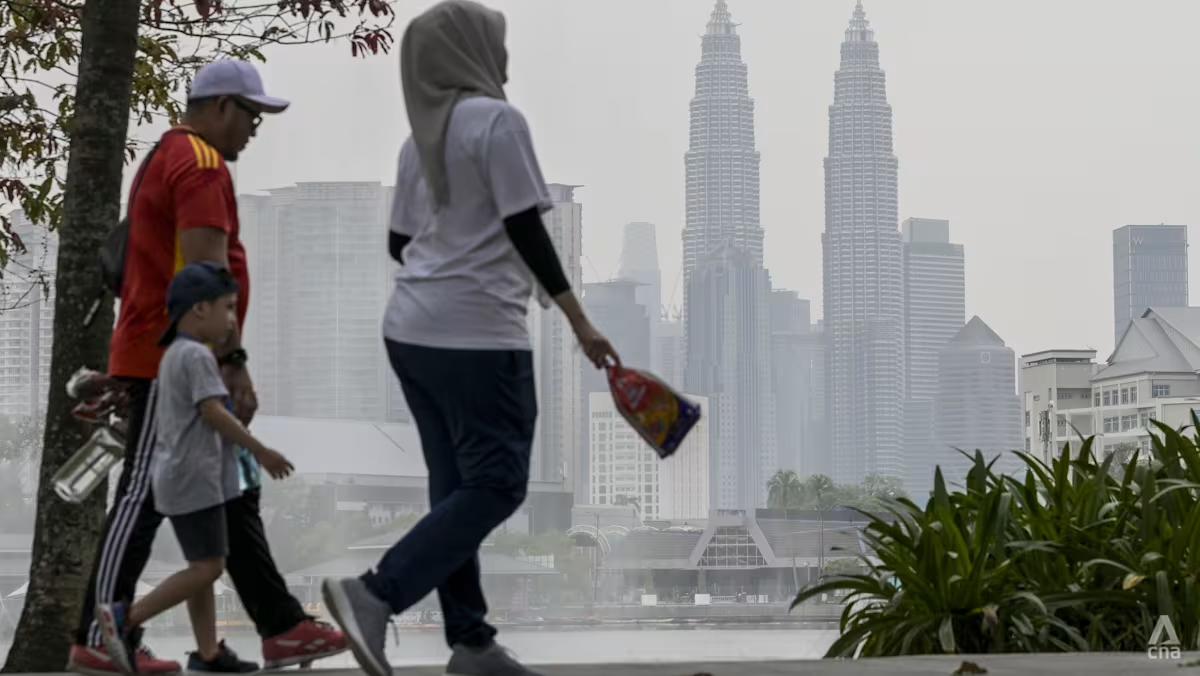
KUALA LUMPUR/JOHOR BAHRU: For Malaysian Shobana Sritharan, checking the Air Pollutant Index (API) every few hours over the last fortnight has become a routine.As a fresh wave of haze blankets parts of their local Klang Valley, both she and her 12-year-old son have fallen ill this week with flu-like symptoms including a sore throat and cough. After her son ran a fever soon following an outdoor activity in school, Shobana now opts to stay indoors wherever possible, monitoring the situation as it fluctuates by the hour.However, as a public transport commuter, she still has to brave the walk from the train station to her office in Kuala Lumpur every day.“We are used to this because (encountering haze) has been a yearly thing, but it’s still a big hassle for everyone,” said the 41-year-old student adviser at a learning centre.Many other Malaysians share Shobana’s frustration as dense transboundary haze fuelled by seasonal land-clearing and agricultural fires in neighbouring Indonesia drifts across the region.
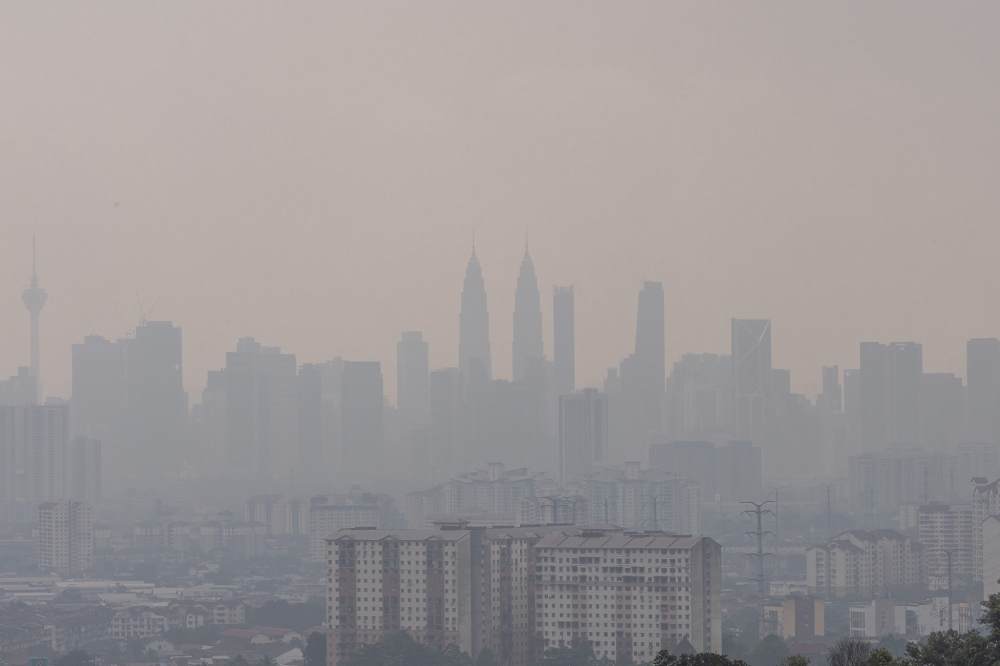
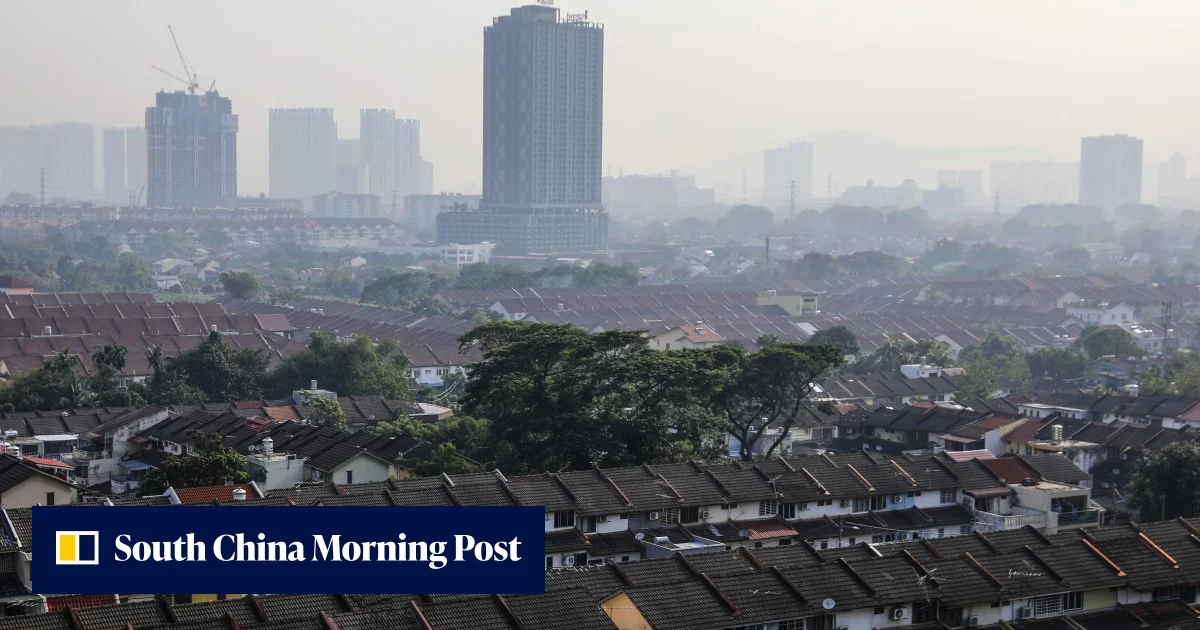
The Kuala Lumpur skyline appears shrouded in smog from Bukit Ampang amid a massive haze that affected several areas in Malaysia on Aug 27, 2026. (Photo: CNA/Fadza Ishak)
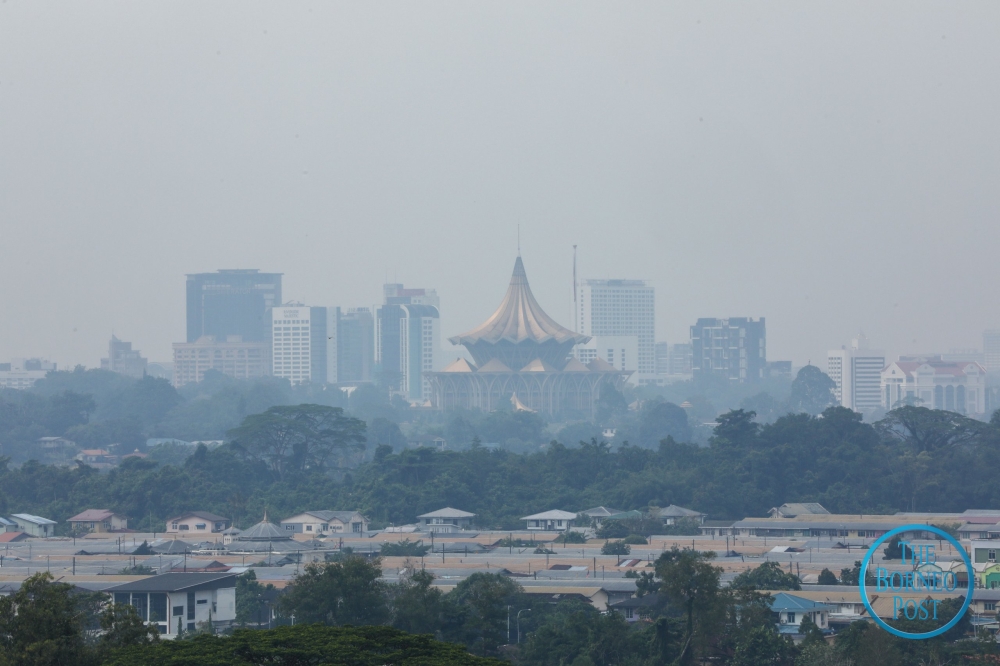
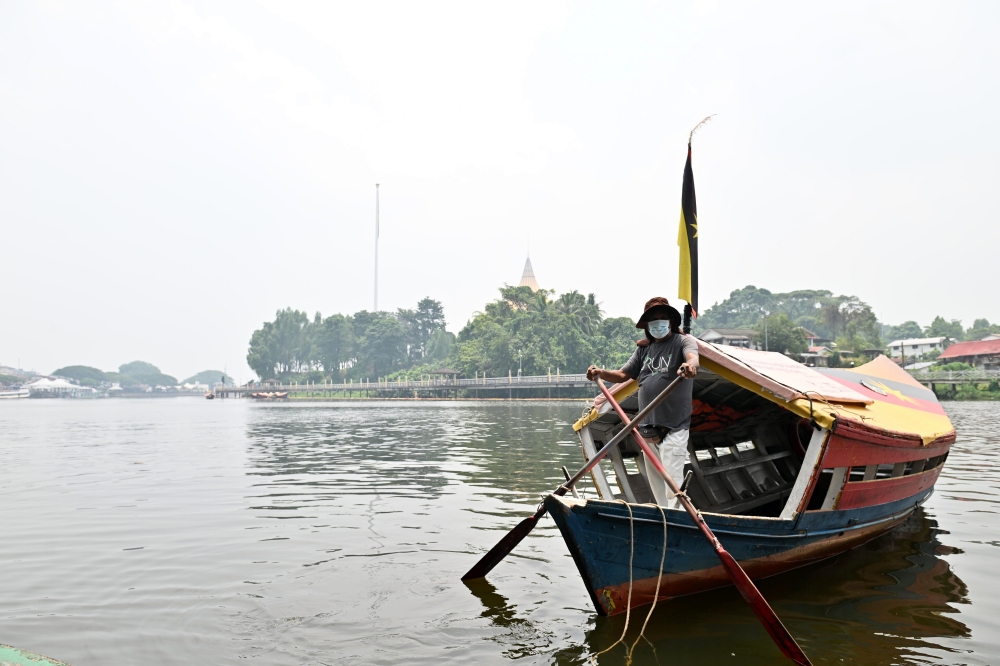
Malaysia is among the worst-hit countries in Southeast Asia, due to its geographical position relative to fire hotspots in Sumatra and Kalimantan, with areas in Sarawak and the Klang Valley, directly in the path of smoke, surpassing unhealthy levels in recent days.On Friday, API readings for three areas in Sarawak and in the Klang Valley exceeded 150 - classified as within the unhealthy range. Last week, figures in some areas of Sarawak crossed 200 - classified as a “very unhealthy range” - forcing the temporary closure of schools. Government spokesperson Fahmi Fadzil also said that the government was evaluating whether to alter the scale or venue of its main National Day celebrations on Aug 31 due to the haze situation. Various ministries have been studying weather projections and discussing possible safety measures.He said that no cancellations were expected but some events could be relocated indoors, and indoor celebrations have also been recommended. “This is also to protect the 1,500 secondary school students participating in human graphics performance from three states,” Fahmi added.