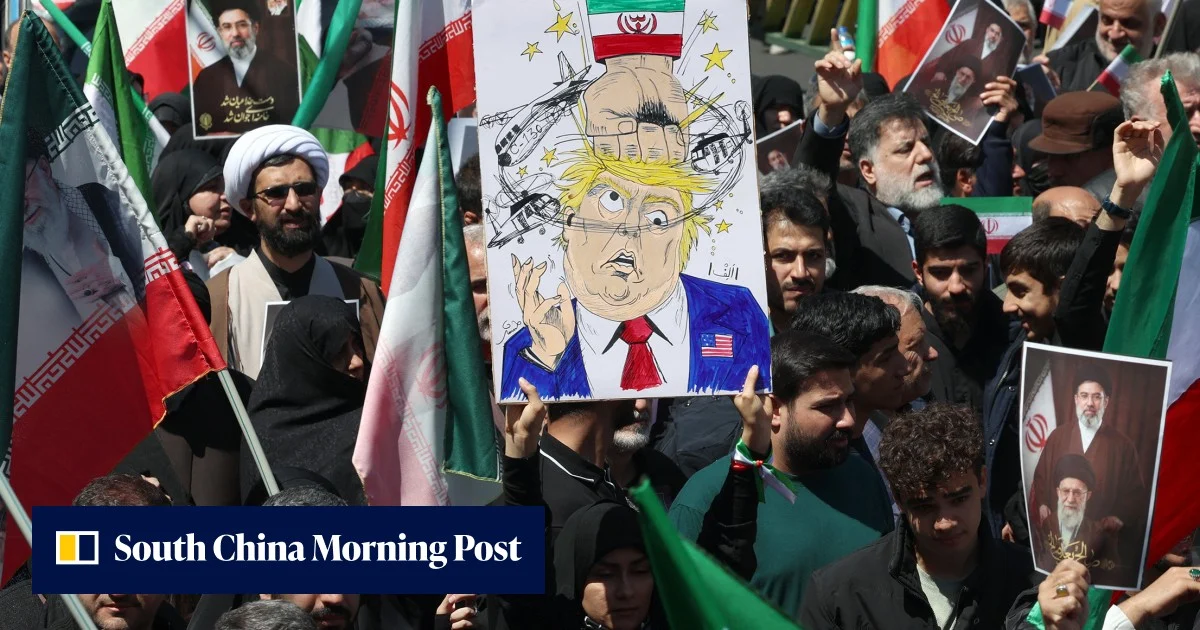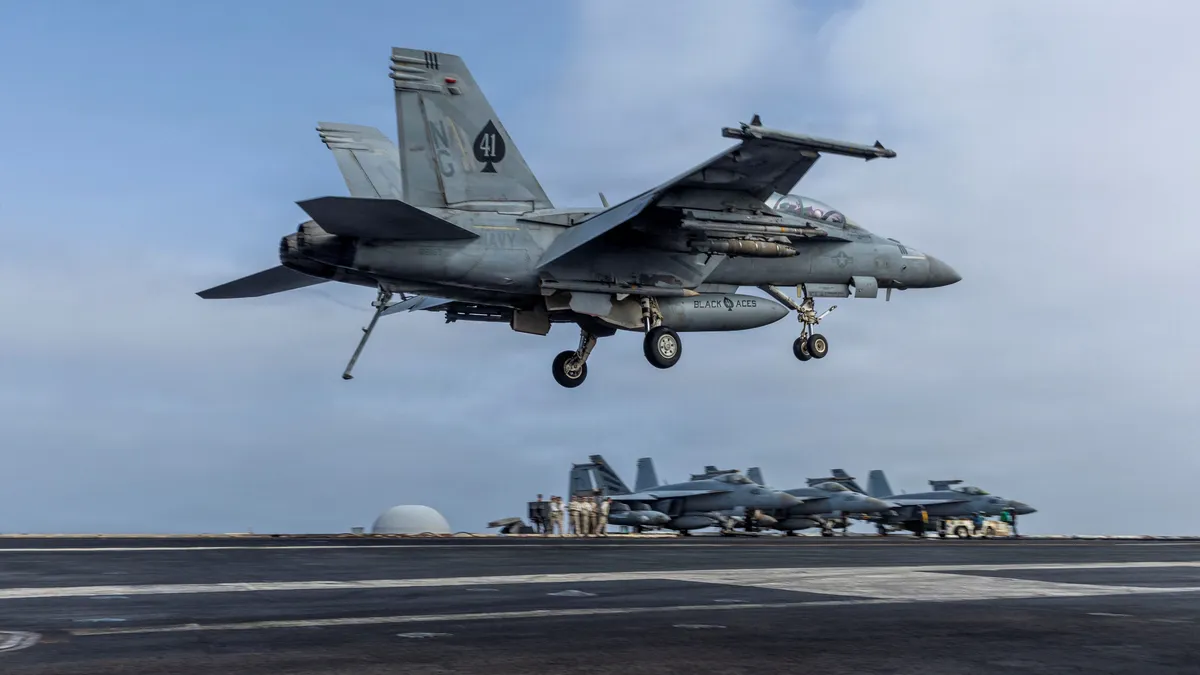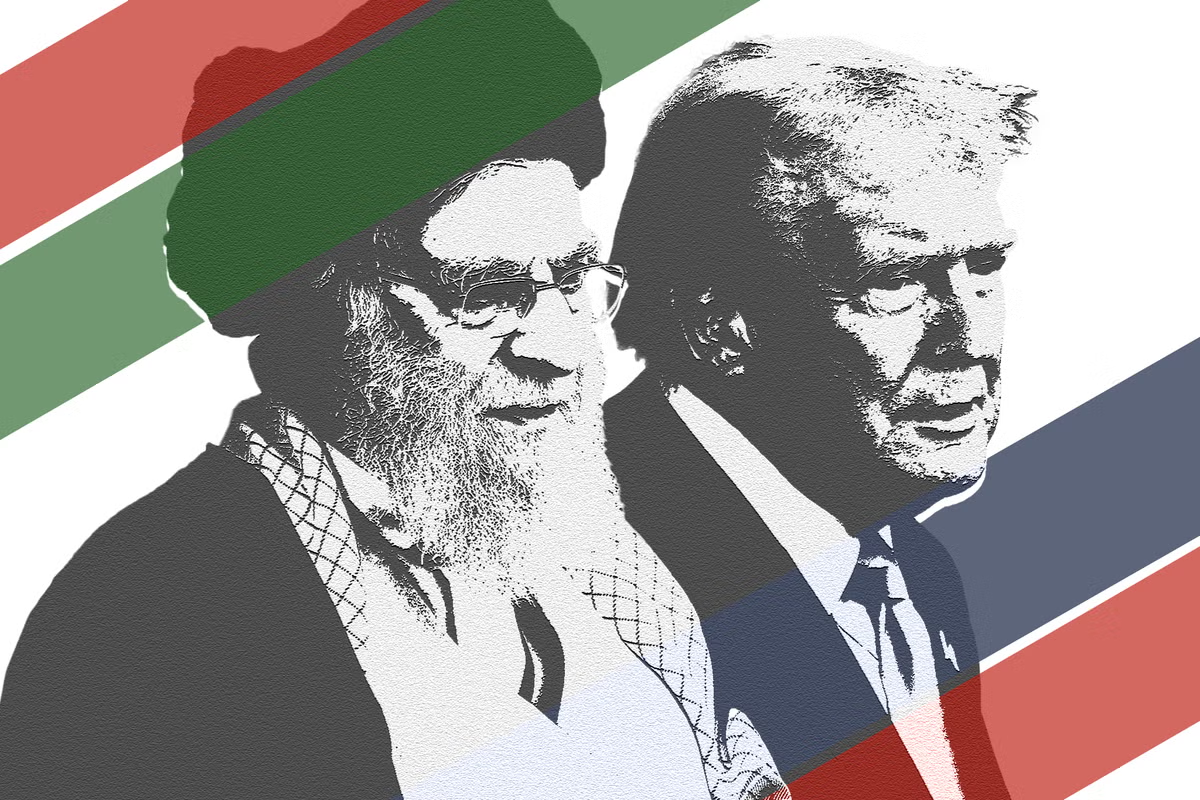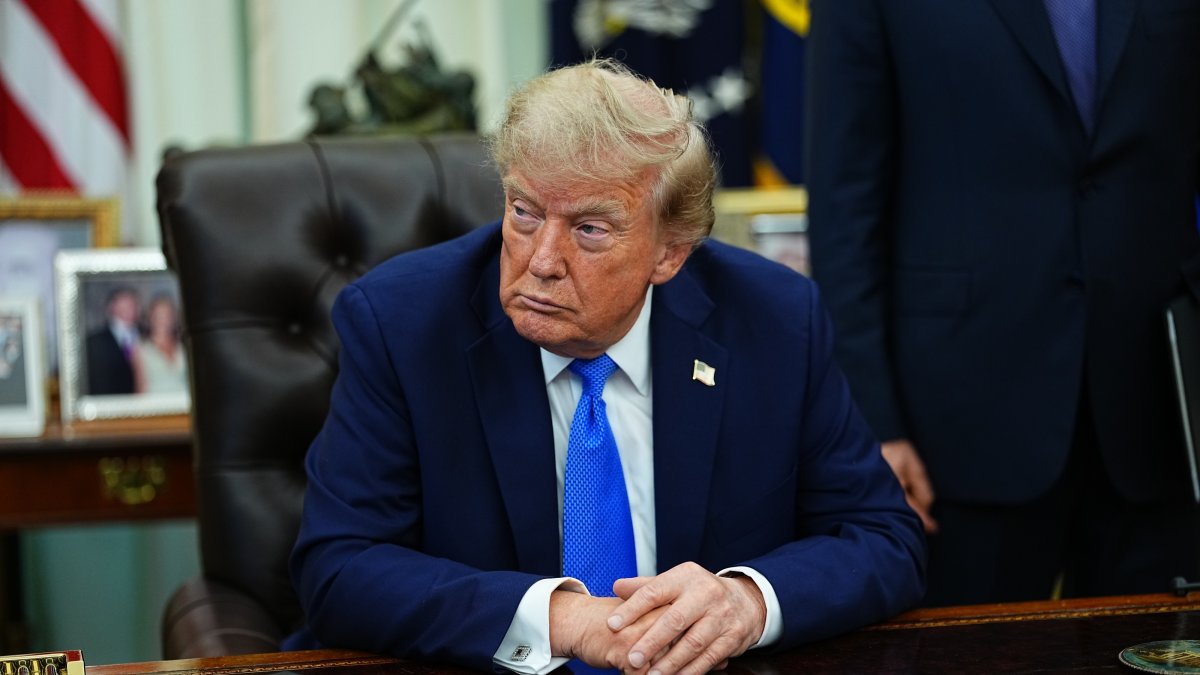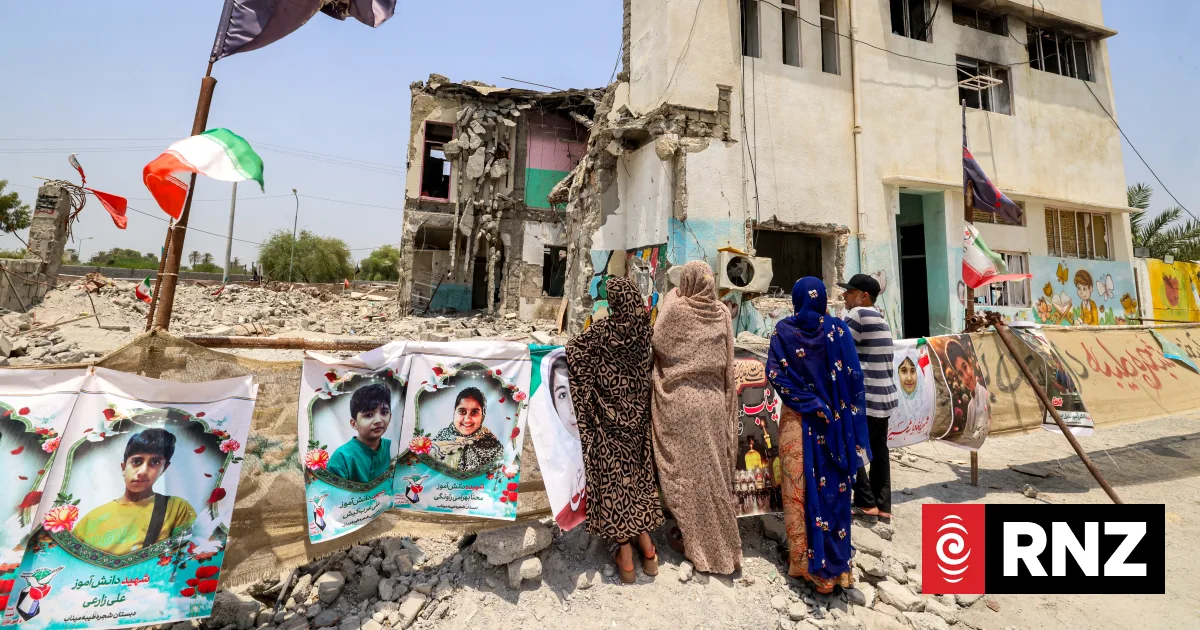
When US President Donald Trump launched his war against Iran, he called it an “excursion” that would take just a few weeks. Six months later, the conflict has become a nightmare for almost everyone even remotely involved in it.
It’s been a disaster for the Iranian people, for the millions living elsewhere across the Middle East, and for consumers around the world who are struggling with higher costs.
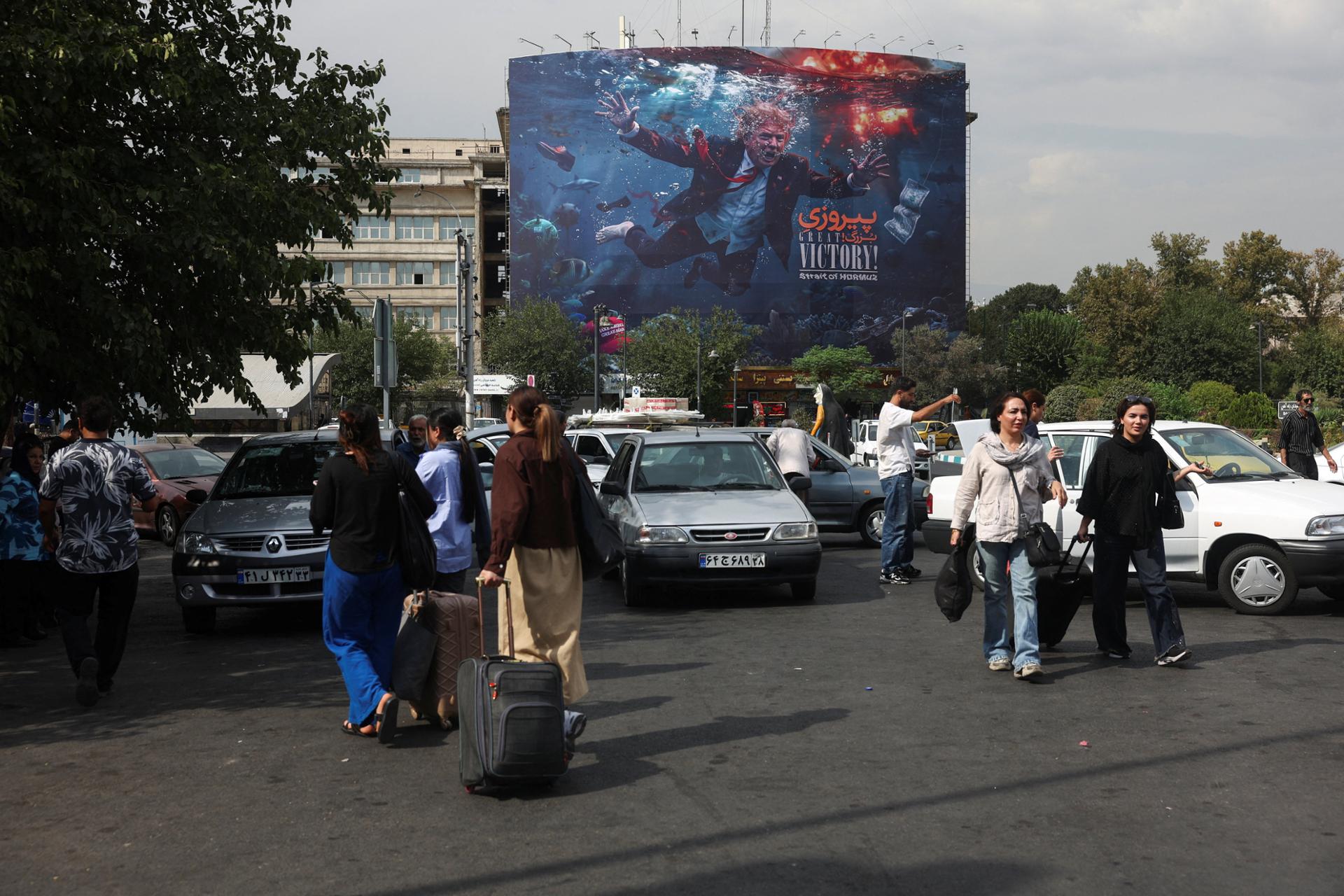
Yet Trump’s war goals remain unfulfilled, even though the goalposts keep shifting: from initially demanding a complete Iranian surrender, regime change and the abandoning of the Islamic Republic’s nuclear ambitions, to more recently simply demanding the reopening of the Strait of Hormuz and putting the brakes on Tehran’s nuclear program.
But the war’s unintended consequences have spread far beyond the Middle East, affecting global security, diminishing America’s global standing, and potentially providing its adversaries with an opportunity to expand their influence.
As the Trump administration focuses all its energy on trying to get out of the self-inflicted crisis in Iran, it has taken the eye off the ball of other potential global flashpoints the US has long been involved in, including Ukraine, Taiwan and the South China Sea, and the Koreas.