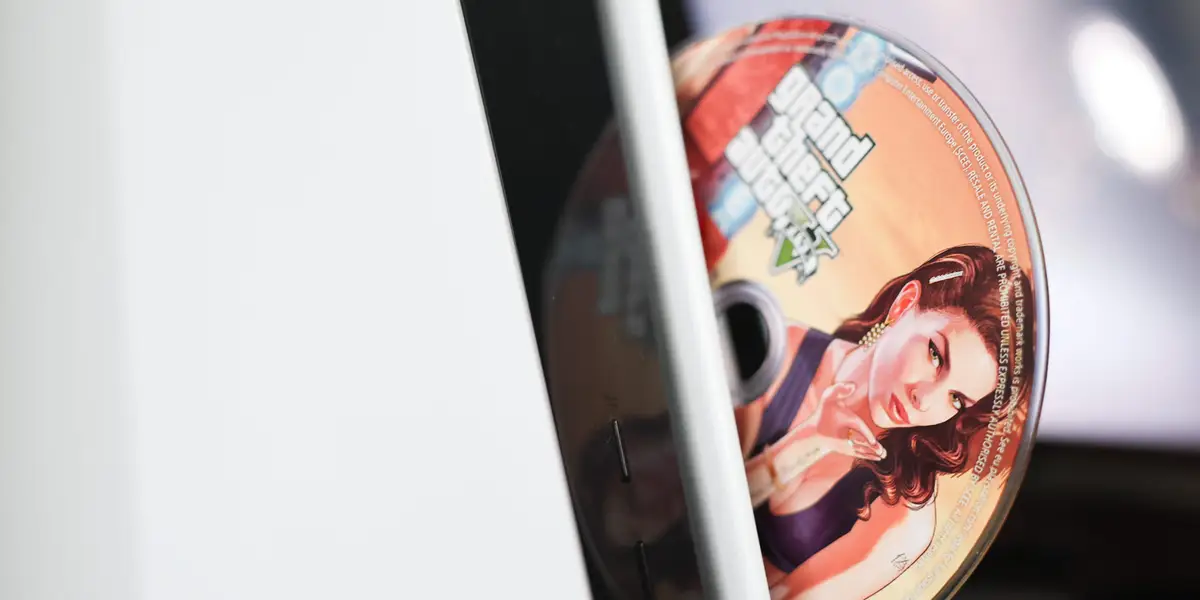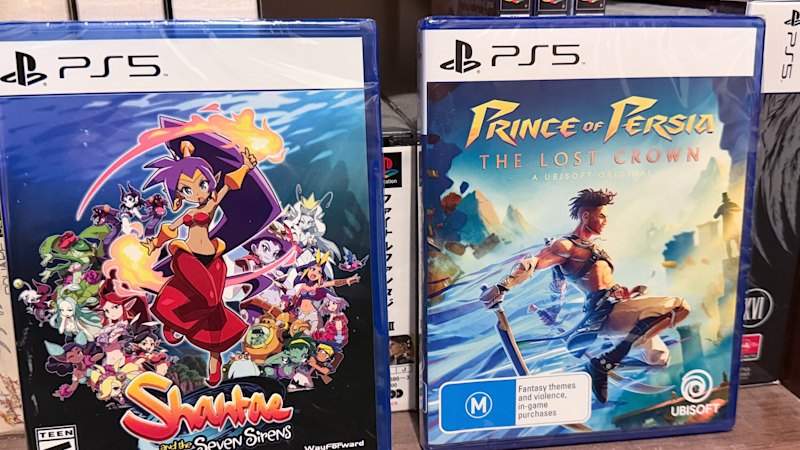
"It's a bad decision," British developer Chris Bastin, 34, told AFP. "It's the end of an era. I wish it wasn't."While Sony's announcement in early July to stop releasing games on discs came as a bombshell for gamers, the economics of the industry meant the decision was long in the making, Joost van Dreunen, a professor at New York University's Stern School of Business, told AFP."Digital distribution has been a replacement very much of physical carriers for the last 10 years," he said, with online stores replacing the discs once associated with the Xbox and PlayStation or the cartridges for some of Nintendo's consoles."Retail usually historically costs 20 to 30 percent of total margin on the sale of a single disc," Dreunen said, as stores take a cut of any sale. "By distributing it digitally through their own network and their own servers, they save a huge amount of margin."Digital downloads accounted for nearly 82 percent of game sales on the PS4 and PS5 at the start of 2026, Sony said in late July.The Japanese giant helped popularise console discs in the 1990s after launching its first PlayStation.'Sentimental value'The shift has caused uproar among some who fear that losing access to a physical copy makes gamers dependent on the goodwill of service providers, who may or may not maintain players' digital accounts into the future."They don't go digital to pass on savings to the consumer," Clemens Istel, a spokesman calling for the boycott, told AFP."They go digital to make more profit. And there is zero indication that the customer will benefit from this."In its 2025 report, French industry gaming group SELL found that while physical sales had fallen to 11 percent of the country's market, big titles like "EA Sports FC 26" and "Assassin's Creed Shadows" nevertheless sold hundreds of thousands of physical copies.
'End of an era': Players lament decline of the disc at Gamescom
Some video game fans are flabbergasted at Sony's decision to discontinue disc sales from 2028 at Germany's Gamescom trade show -- leading to calls for a boycott.
668 words~3 min read