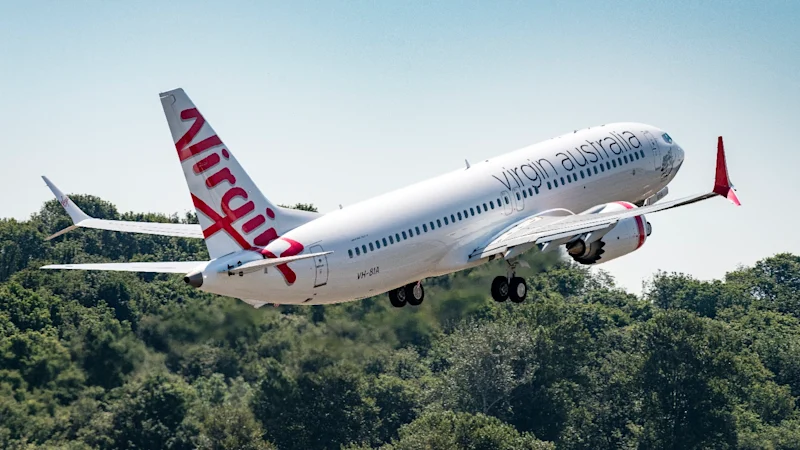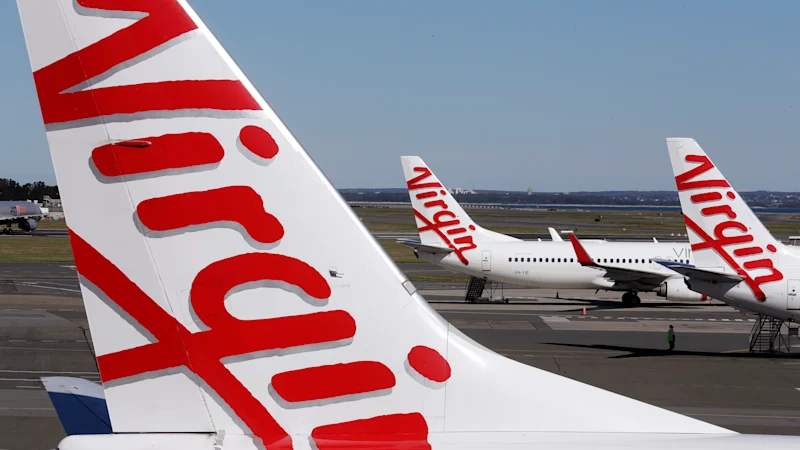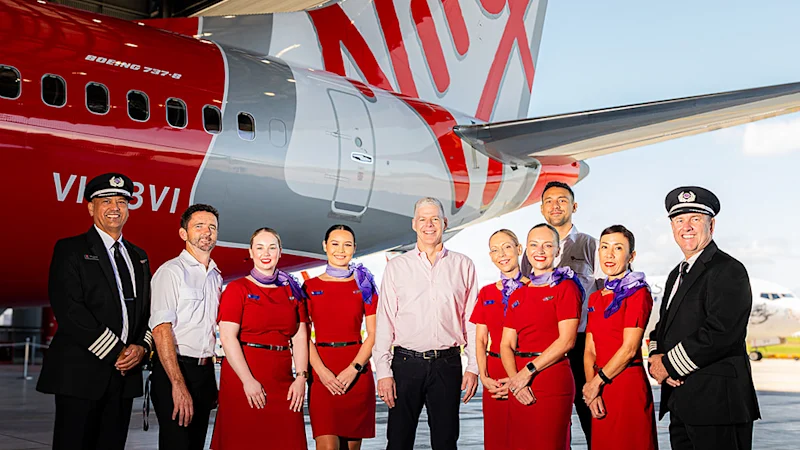
Updated August 28, 2026 — 12:18pm,first published August 28, 2026 — 8:43amVirgin has posted a sharp rise in profits, helped by effective fuel hedging, an internal transformation program, and new planes coming into the fleet.The airline’s twin embrace of fuel hedging and new planes helped lower expenses during a year disrupted by geopolitical conflict. The airline has continued to simplify its fleet, while relying on extensive improvements in operations.Virgin Australia’s fleet has been refreshed with new Boeing 737-800s.“Our strategy is working,” Virgin chief executive Dave Emerson said. “We have built a simpler, more focused business with a primarily domestic network, targeted short-haul international services and global connectivity through our airline partners.”Underlying pre-tax earnings rose to $753 million in the financial from $664.4 million the previous year, the company said. Statutory profit rose 4.7 per cent to $501 million. Virgin will pay a dividend of 7.6¢ a share. Shares surged 6 per cent on the results. The airline took delivery of 17 planes in the fiscal year, including 13 Boeing 787-8 Max aircraft with engines that burn less fuel. The airline, flying 108 narrow-body planes, is seeing the benefit of a refreshed fleet.“We delivered strong earnings growth and further margin expansion despite significant inflationary pressure,” Emerson said.“As we continue to renew our fleet with next-generation aircraft, you’ll see average age of our fleet has dropped nearly two years.“That’s reflected in much more efficient fuel burn,” he said.The average age of a Virgin plane is 11.5 years, compared to 16.3 years for Qantas, according to Planespotters.net. Qantas is also undergoing a fleet refresh.The 737 Max 8s have a roughly 20 per cent fuel burn advantage versus the older 737-800s that they’re replacing.While the aviation industry has faced a fuel price shock triggered by the war, Virgin hedged both crude oil and the more volatile jet fuel refining margins, which limited its exposure to the cost compared to Qantas.Qantas, which flies a larger fleet, on Thursday said fuel price rises related to the war in the Middle East added $610 million in costs for that airline.Reflecting the use of aggressive hedging in 2026, Virgin’s fuel bill was flat year-on-year at $1.090 billion - helped by the hedging of refining margins, and the more efficient burn rates of new 737 MAXs. In March 2026, Virgin had hedged 80 per cent of jet fuel refining margins and 90 per cent of Brent.Vantage Markets senior market analyst Hebe Chen said that Virgin’s result “ticks almost every box investors wanted to see”.GettyCEO Race Strauss said: “The hedging that we put in place across both Brent [crude oil] and particularly the refining margin really removed the majority of that volatility.”Vantage Markets senior market analyst Hebe Chen said Virgin’s result “ticks almost every box investors wanted to see, with disciplined capacity, effective hedging and tighter cost control helping preserve profit resilience through a much bumpier macro backdrop”.“Another bonus piece falling into place is Virgin’s fleet refresh, with newer aircraft helping lower fuel burn and sharpen operating efficiency at a time when every dollar of airline cost matters,” Chen said.Despite the strong result for 2026, the airline is eyeing a tougher business environment to come, predicting domestic capacity to reduce by 3 per cent in the first half of 2027. The airline isn’t announcing route exists but rather “small adjustments” to schedules and high-frequency routes, he said.Given the shift in the energy markets, looking ahead Virgin expects a cost of around $700 million in the first half of 2027 based on the forward curve.Hedging for the rest of the first half fiscal year 2027 stands 96 per cent for Brent and a mere 20 per cent for refining margins.Strauss said the “hedging buys us time” but “the hedging ultimately rolls off...And therefore, yes, we are more exposed.”Virgin said its result was helped by more than $450 million in gross Transformation Program benefits during the fiscal year, which includes the renewal of the airline’s fleet.Virgin’s transformation program is comprised halfway of revenue optimisation, increasing direct sales and business to business sales growth. About 40 per cent of involves seat densification, fleet renewal and integrated planning, as well as improved fuel efficiency.Data personalisation of the Velocity program contributes 10 per cent to the overall transformation program.Nevertheless, rising costs and demand moderated by the cost-of-living jump meant Virgin cut back a limited number of routes during the fiscal year.Eyeing the costs to the industry, Emerson expressed concern for the nation’s air traffic control system. “There’s room for improvement, and they’re not where they want to be”.Virgin had been working with them to find ways to get a better outcome for passengers and airlines “because, we’ve been incurring a lot of delays, which is, is not great for guests and, and not great for our financials either.”The Business Briefing newsletter delivers major stories, exclusive coverage and expert opinion. Sign up to get it every weekday morning.Chris Zappone is a senior reporter covering aviation and business. He is former digital foreign editor.Connect via X, Facebook or email.From our partners
‘Strategy is working’: Virgin profits jump with fuel hedging, new planes
The airline took delivery of 17 planes in the fiscal year, including 13 Boeing 787-8 Max aircraft with engines that burn less fuel.
834 words~4 min read