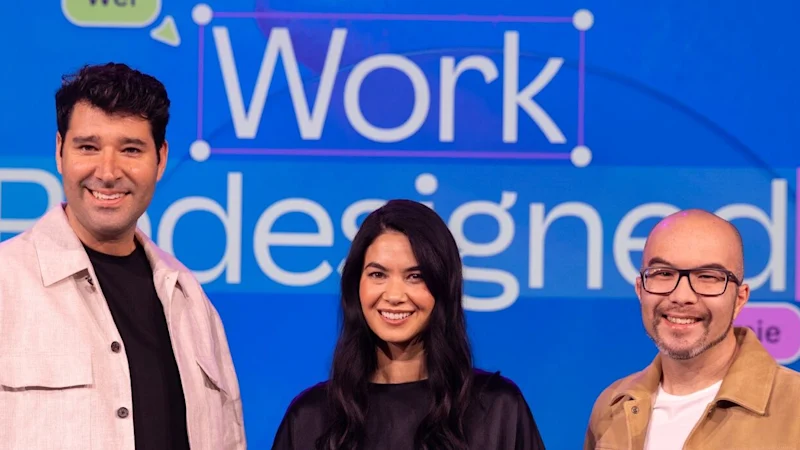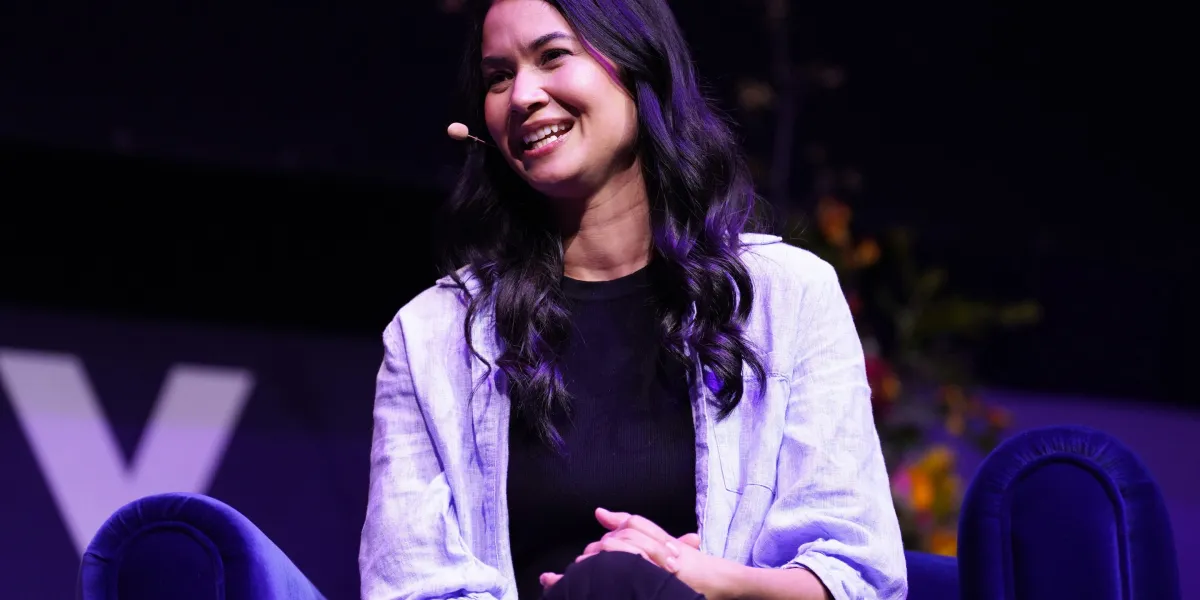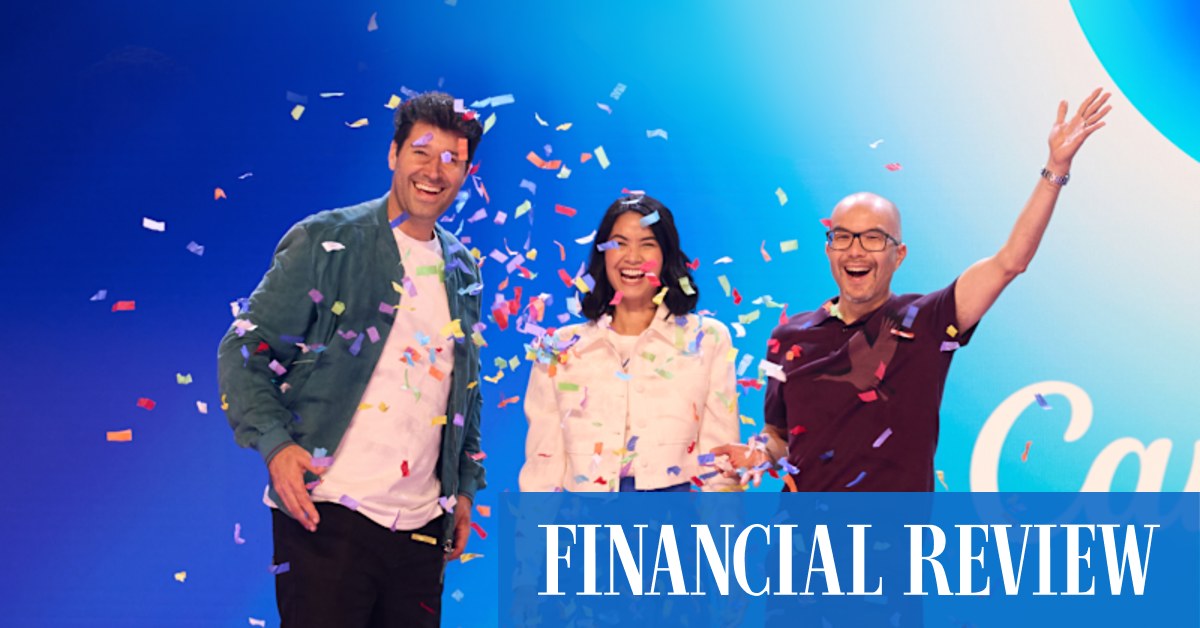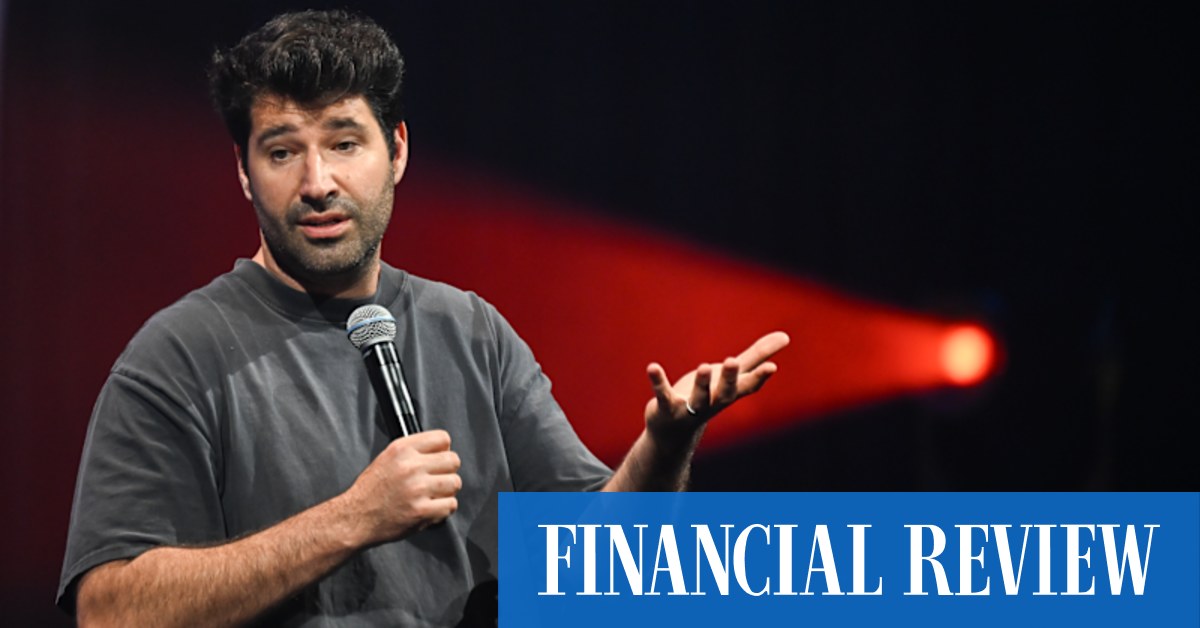
More than 200 million people use Canva without paying a cent, making birthday invitations and school posters and the slides for Monday’s meeting on a Sydney-built website that turned design software into something anyone can use.For a decade, those free users were the company’s greatest asset, a marketing machine that cost almost nothing to run. Artificial intelligence has turned them into a bill, and that bill has upended the most valuable private company Australia has ever built.Canva founders Cliff Obrecht, Melanie Perkins and Cameron Adams on-stage in LA. Every request they make now runs on computers someone has to pay for. This month, in large part because of it, Canva cut $10 billion from its own valuation.“Historically, the cost to create a design cost us essentially nothing,” co-founder Cliff Obrecht told Stripe’s John Collison on a Sydney stage on August 19. “The cost of goods to serve a user has gone from cents per month to many, many more cents.”The problem runs wider than three founders in Sydney. Canva is the most valuable private company Australia has built. About 5500 people work there, most holding shares, and Australian venture funds, wealthy investors and superannuation money sit on its register awaiting a float. What happens next decides whether the biggest success story in Australian technology banks its winnings or becomes a cautionary tale about a company that had its moment and let it pass.This is becoming a national test too: Canva is among the closest things Australia has to a technology champion, better capitalised and further into AI than almost anything else here. If it cannot make the economics work with 265 million users and $US1.5 billion in the bank, the odds facing every other Australian company trying the same thing are worse.Software firms typically keep 80 to 90 cents of every dollar because, once the product exists, the next customer costs almost nothing. AI has effectively broken that maths. At Canva’s scale, Obrecht said, paying users now have to subsidise the free ones.So the company slowed its biggest ever launch to protect profits, cut its revenue growth forecast from 30 to 20 per cent, and has since cut the cost of running AI by about 90 per cent. “We knew this transition would mean balancing our near-term growth with investing in the enormous opportunity ahead, and we’ve always been willing to make those long-term decisions,” chief executive Melanie Perkins told this masthead.Still, the valuations started falling.Canva co-founder Cliff Obrecht (right) in conversation with Stripe’s co-founder and president John Collison at the payment company’s Stripe Tour showcase at the ICC in Sydney on Wednesday.
Inside Canva’s hardest year: AI bills, a markdown and no float
The Australian design giant was once the safest bet in the country’s start-up scene. Now AI is eating its margins, its growth and $10 billion of its value.
2,015 words~9 min read