This is Part 1 of a two-part story.
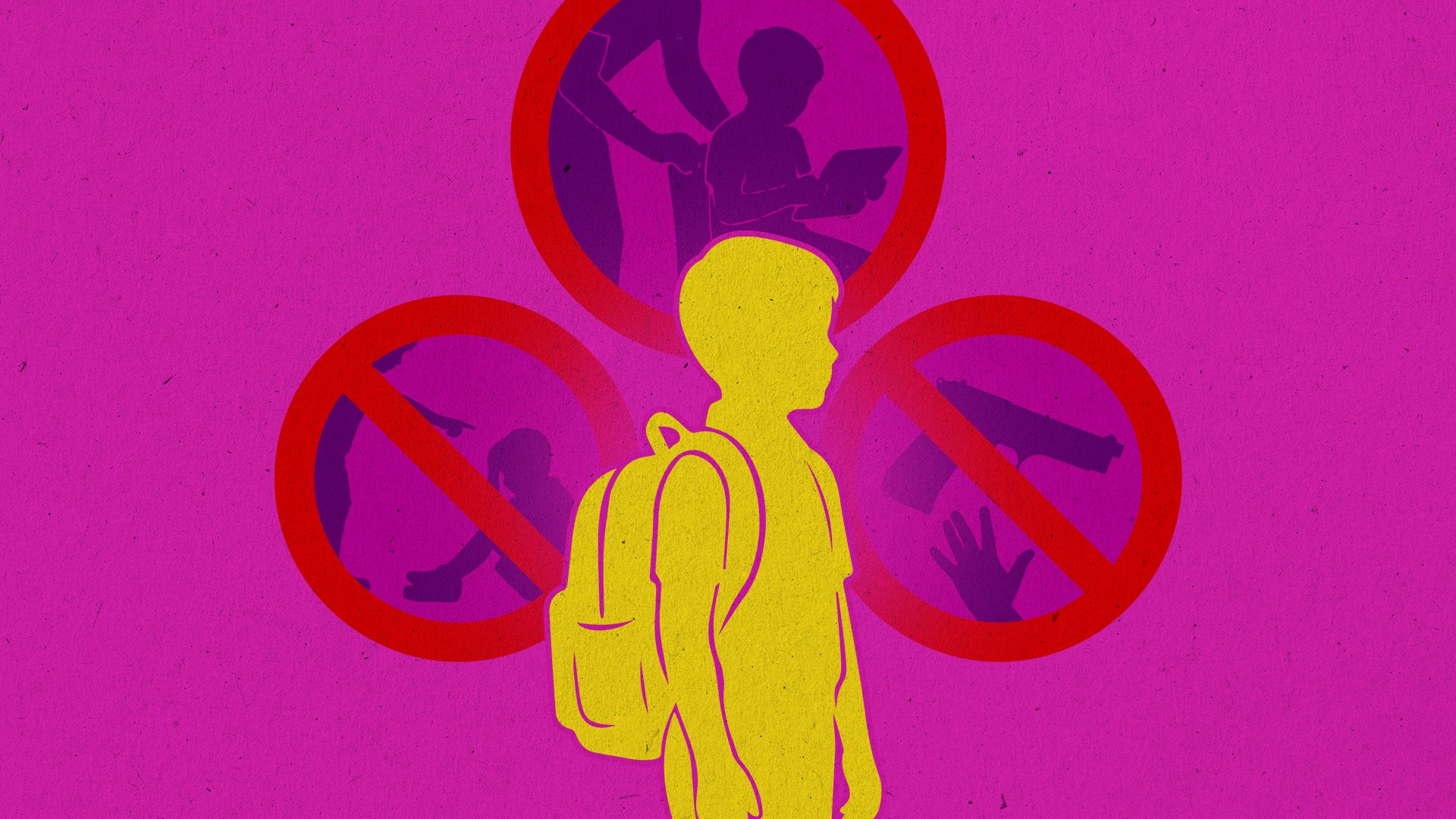
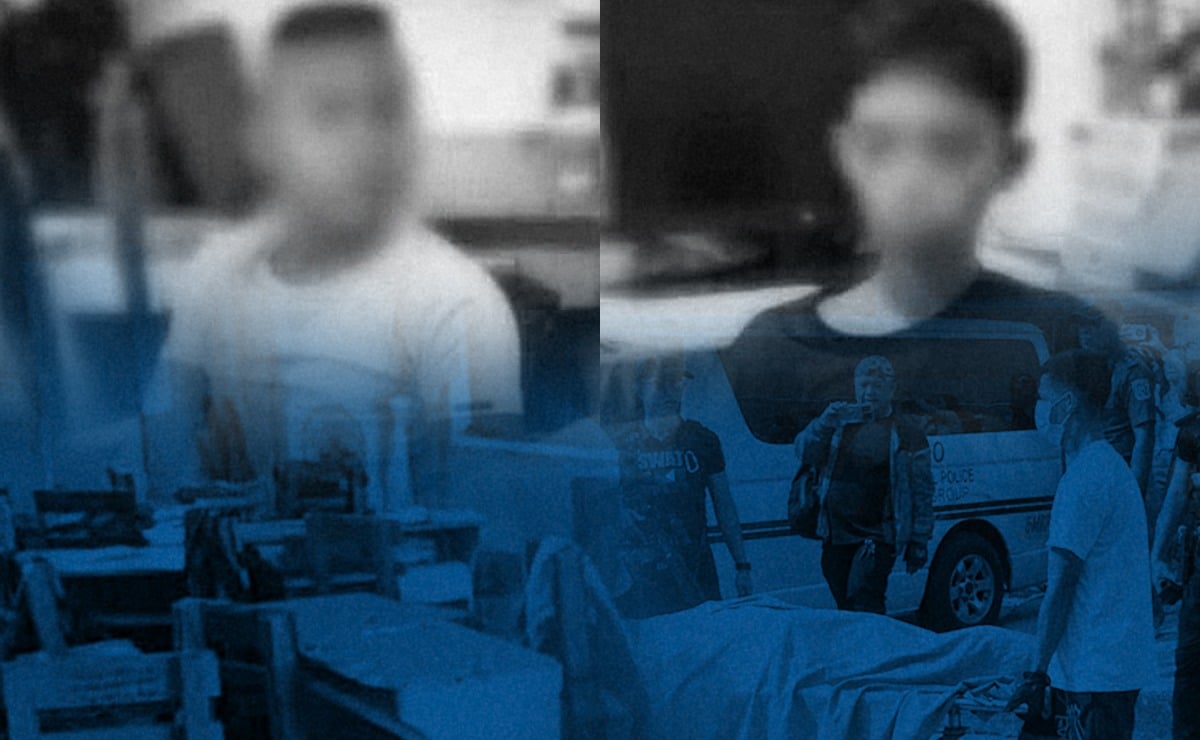
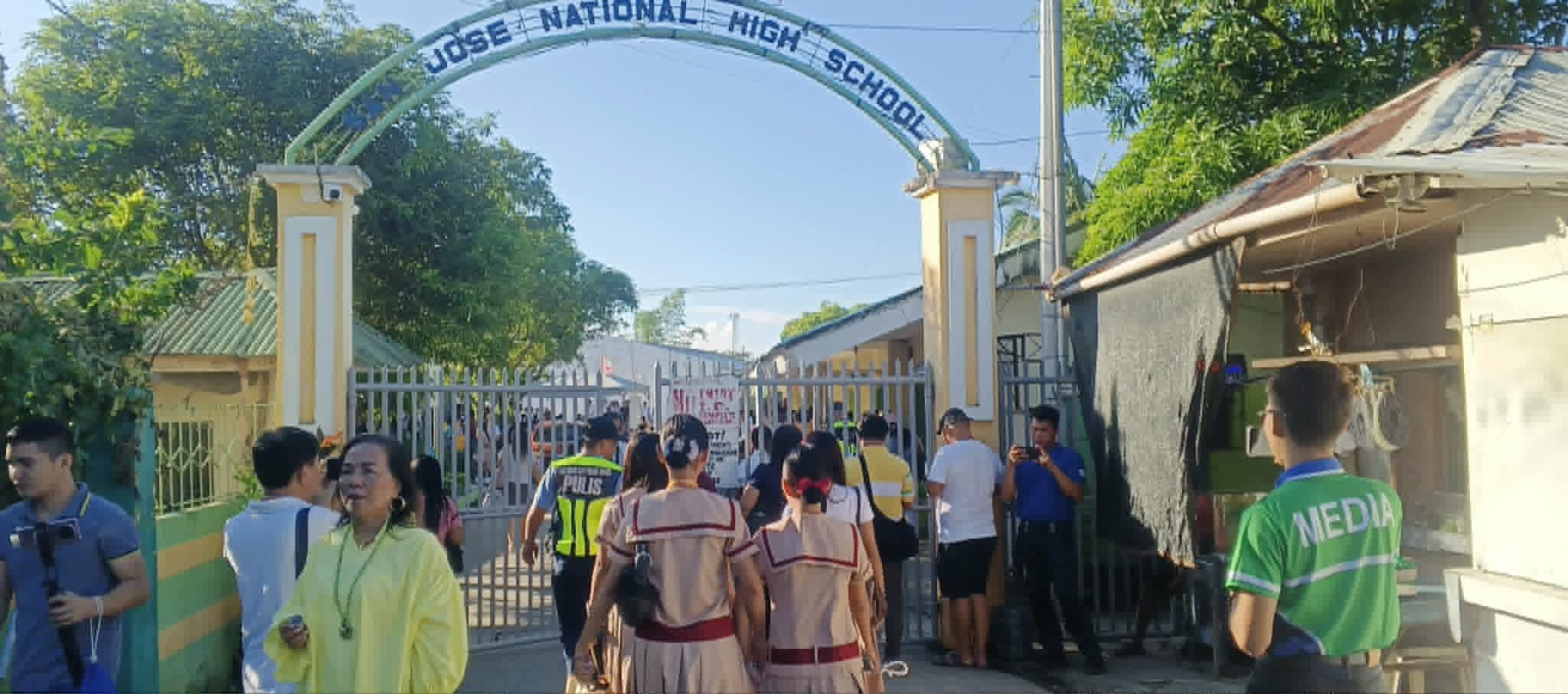
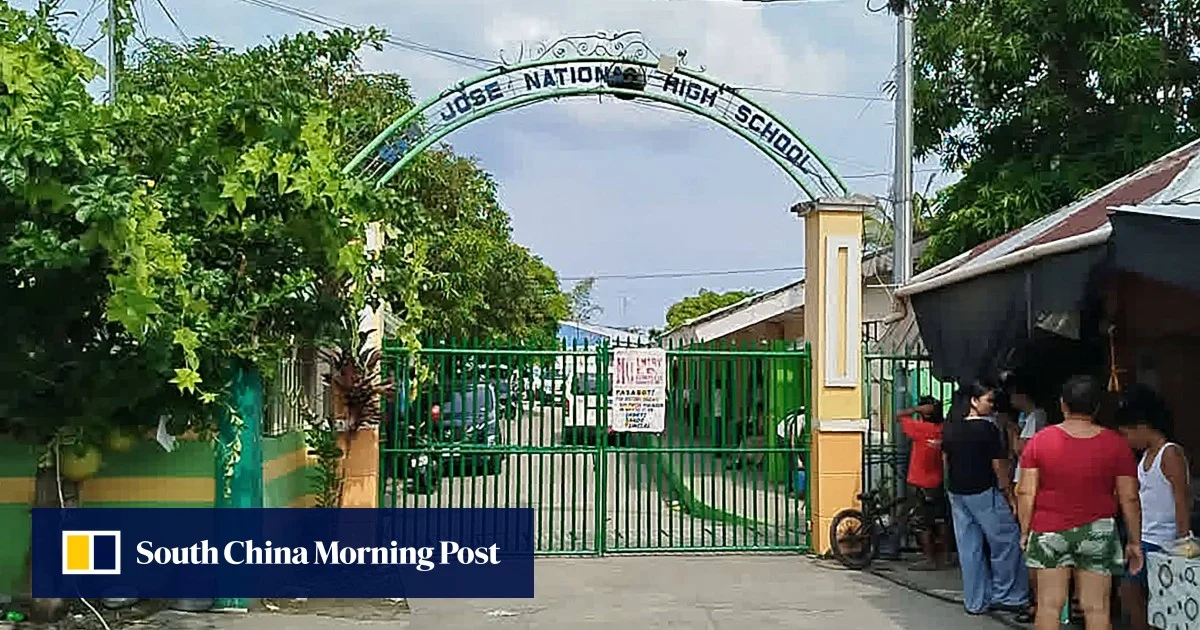
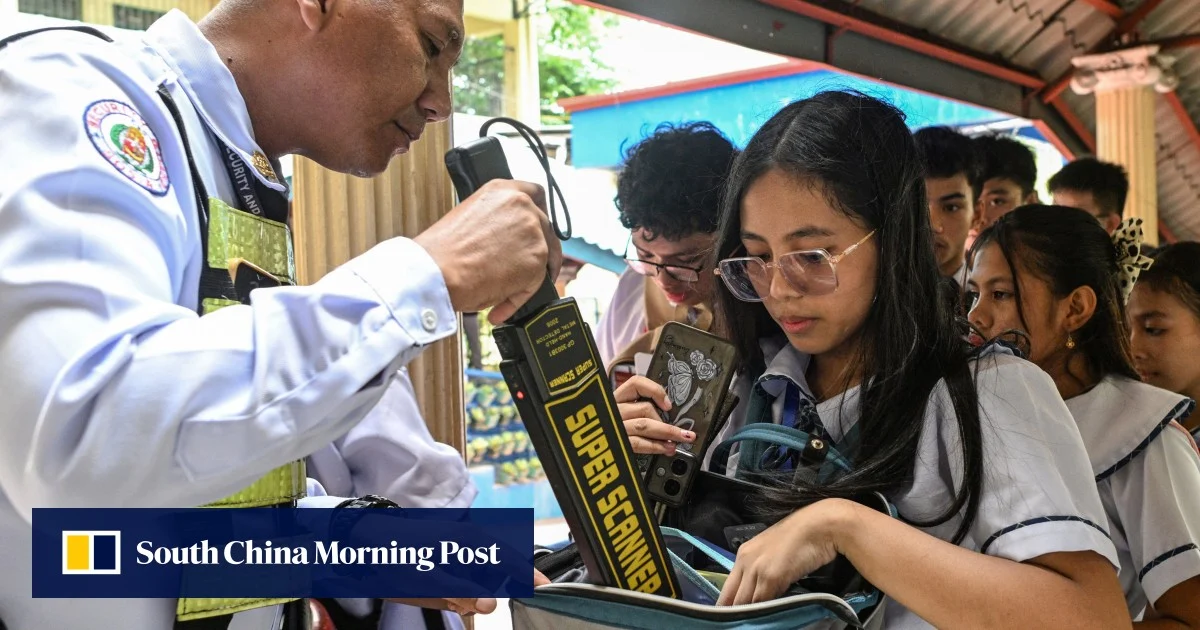
The kids aren’t alright. Only a few months into the school year, multiple cases of school violence have been reported throughout the Philippines, where the students themselves are the perpetrators inflicting harm on their school community. The most recent incident in Zamboanga was a school shooting that resulted in the death of two students: one who was fatally shot by his schoolmate, while the other was the shooter himself, who, after live streaming his violent acts on social media, ended his own life.
These incidents have alarmed psychologists and mental health practitioners, especially those who work with minors and young Filipinos. But rather than neatly condense all the violence and attribute it to one root cause, they choose to ask the difficult questions about each individual case. They want to understand each student not just as a perpetrator, but as a highly vulnerable person.
“When I heard about the school violence, I immediately asked, ‘What was happening to the teenager’s life that made her or him to be in that position?’” said psychologist Jannah Trixie Cuevas. “What was happening at home? What was happening in the school? Why did it happen in school? What comes to their mind before they started getting the gun? Did someone influence them? Did someone try to manipulate them?”