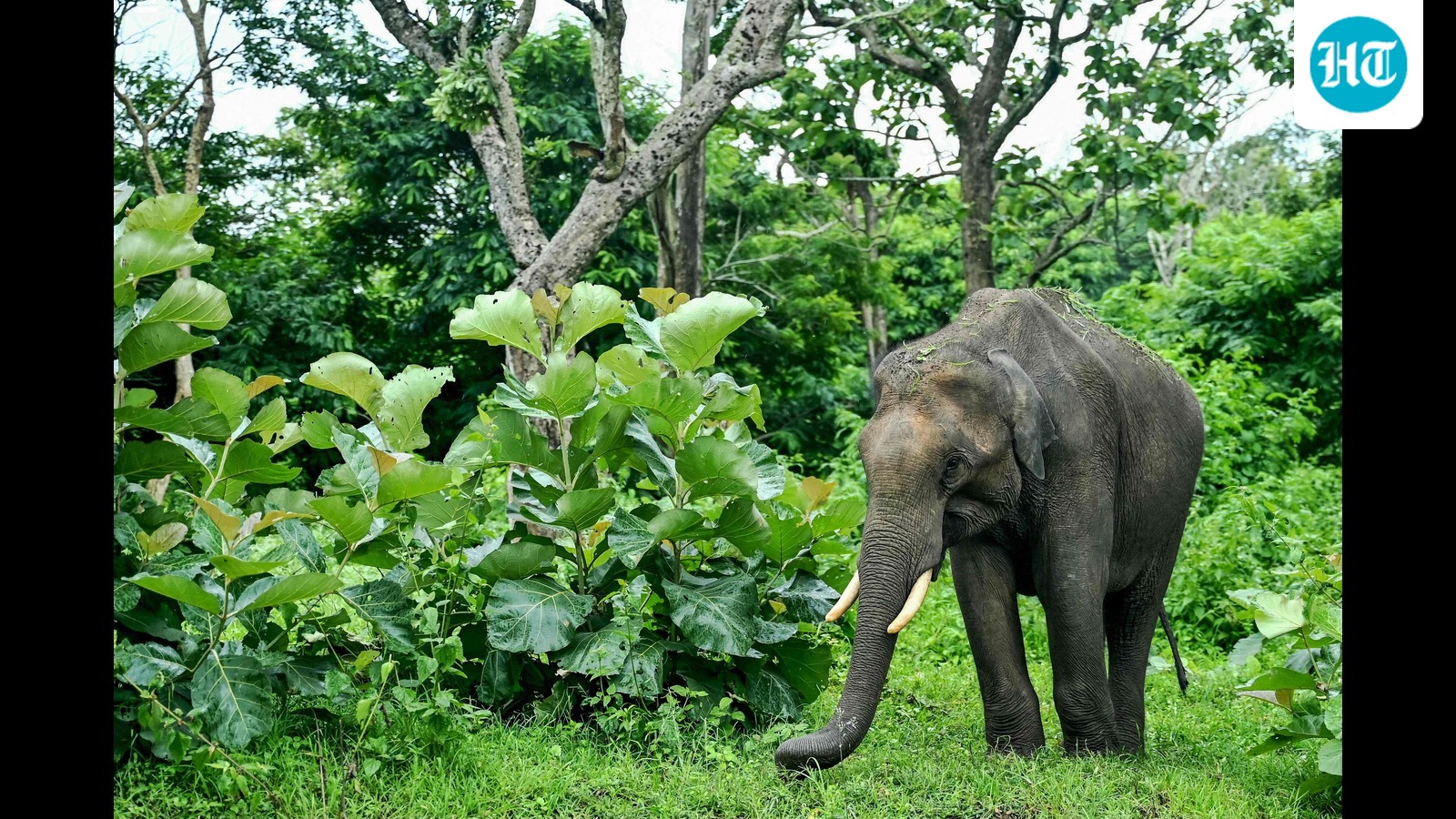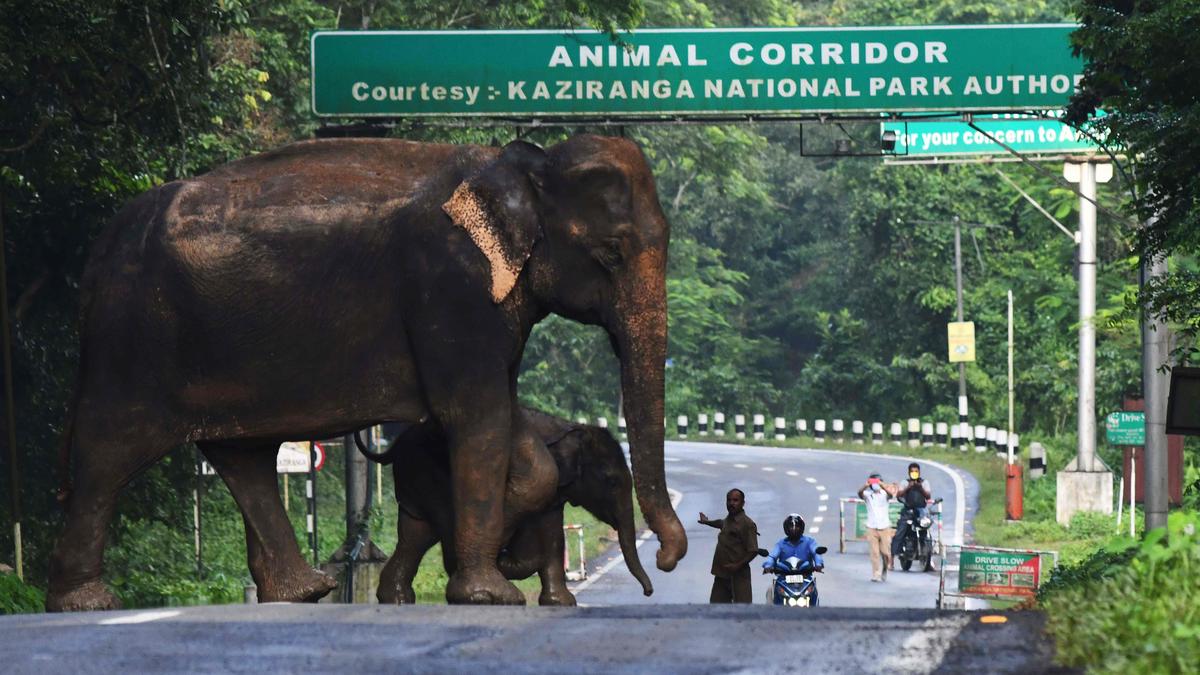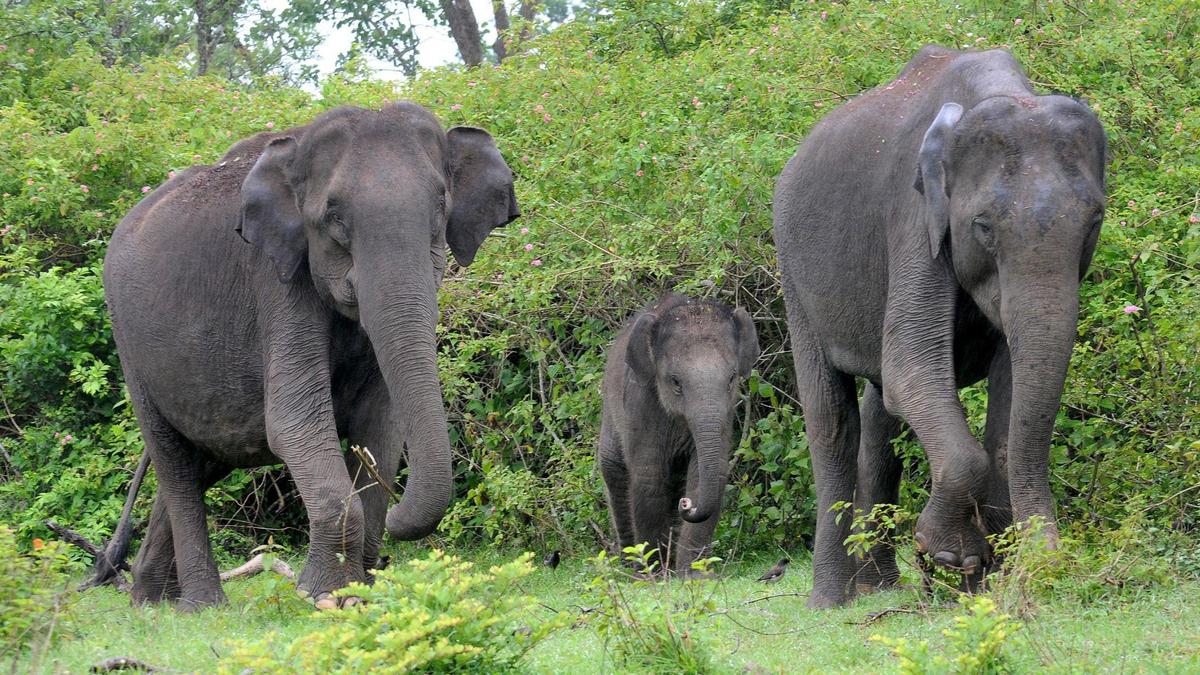
Jumbo trouble: The authors analysed 20,888 verified elephant-related incidents recorded between July 2015 and June 2023. Of these, 20,867 incidents involved crop or property damage, and 21 involved human injury or death.
| Photo Credit: File photo
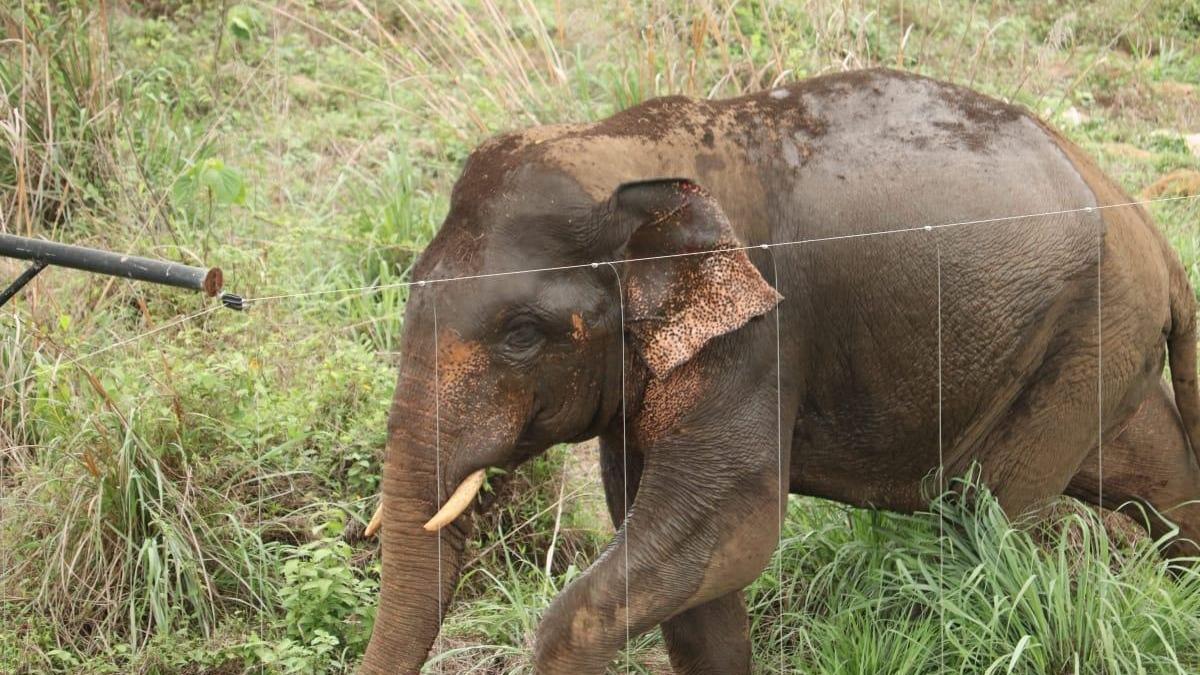
A new study has found that areas with more cropland and higher harvest-season agricultural activity were more likely to report human-elephant conflict around Bandipur and Nagarahole National Parks.The study, “Estimating the occurrence and detection of human-elephant conflict in India through a Bayesian occupancy modeling framework,” was published in Biological Conservation and led by a team of researchers from Columbia University, North Carolina State University and Centre for Wildlife Studies.It analysed more than 20,000 verified farmer-reported human-elephant conflict incidents around the two National Parks.Robust predictorThe Centre for Wildlife Studies said that cropland extent was the most consistent and robust predictor of where conflict occurred, which the authors attribute to the nutrient-rich forage farmland offers elephants, particularly where it adjoins wildlife reserves.“Reported occurrences followed the crop calendar, peaking in the post-monsoon season at 35%, compared with 31% in the monsoon and 26% in the pre-monsoon season. Additionally, areas with more nighttime light during the harvest season were more likely to report incidents. Artificial light sources used at night (such as street lamps) were also positively associated with conflict, contrary to expectations that artificial light would deter elephants. The authors interpret this not as light attracting elephants,” it said.The study said that even where monitoring was active, only about 31.7% of incidents may have been recorded.The authors analysed 20,888 verified elephant-related incidents recorded between July 2015 and June 2023. Of these, 20,867 incidents involved crop or property damage, and 21 involved human injury or death.The study estimated that elephant-related incidents occurred in about 16% of mapped areas in a given season and used patterns from 389 mapped areas to estimate where elephant-related incidents may occur in 169 similar areas without monitoring.Near boundariesThe authors recommend focusing mitigation near wildlife reserve boundaries during the peak post-monsoon agricultural period. For crop protection, they suggest using less palatable crop varieties and adjusting harvest schedules to reduce overlap between elephant activity and high-value crops during peak-risk periods.They also call for systematic evaluation of deterrents already used by communities and agencies, such as trenches, fences, night patrols and bee fences, because effectiveness varies by context.“Rotating deterrents by season may also help prevent elephants from becoming used to them. The authors note that communities favour electrified and railway-line fences. However, these measures can be costly and may be placed in low-conflict areas. They can also disrupt elephant movement between fragmented habitats,” the Centre for Wildlife Studies said. Published - August 28, 2026 06:01 am IST