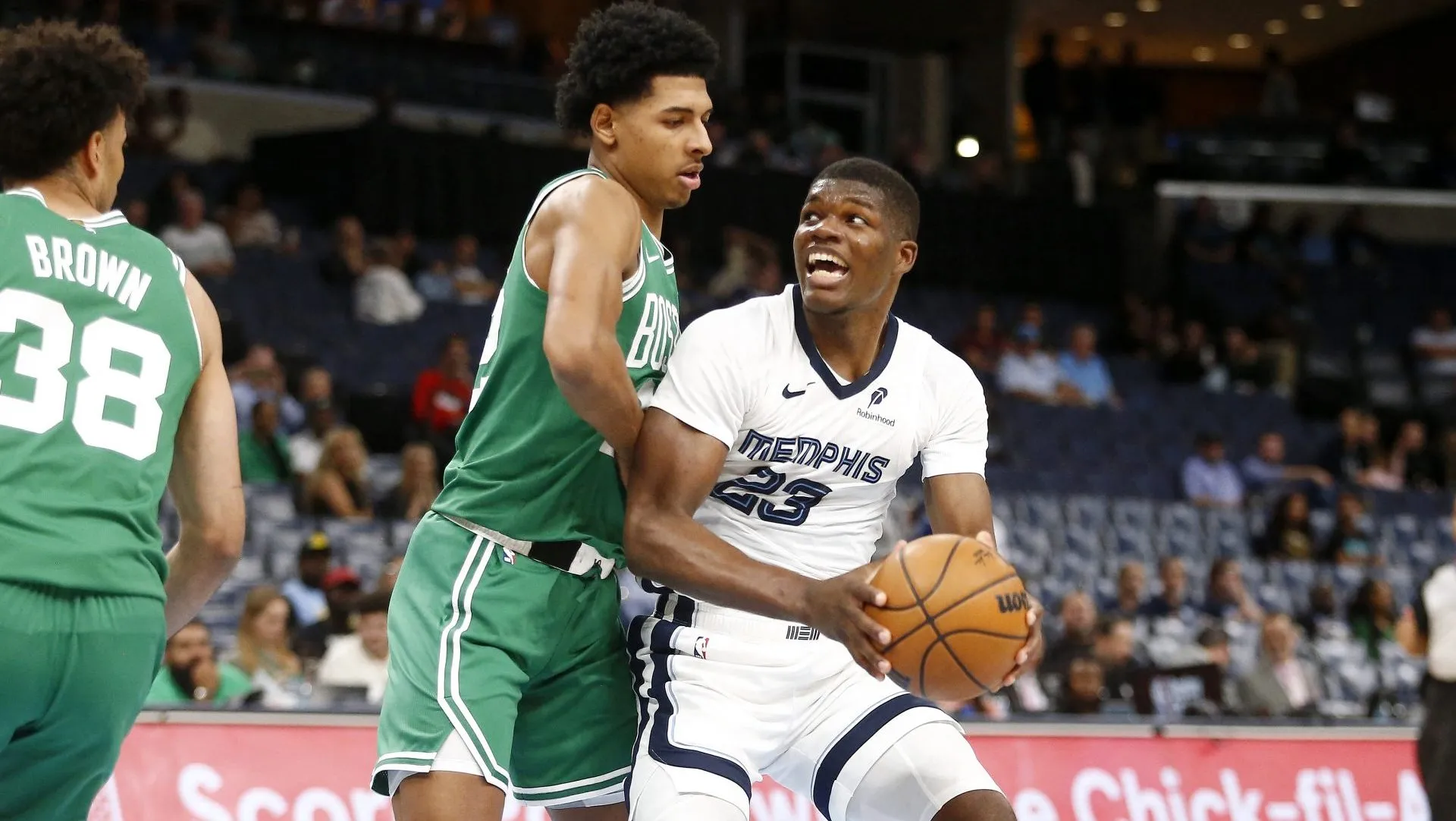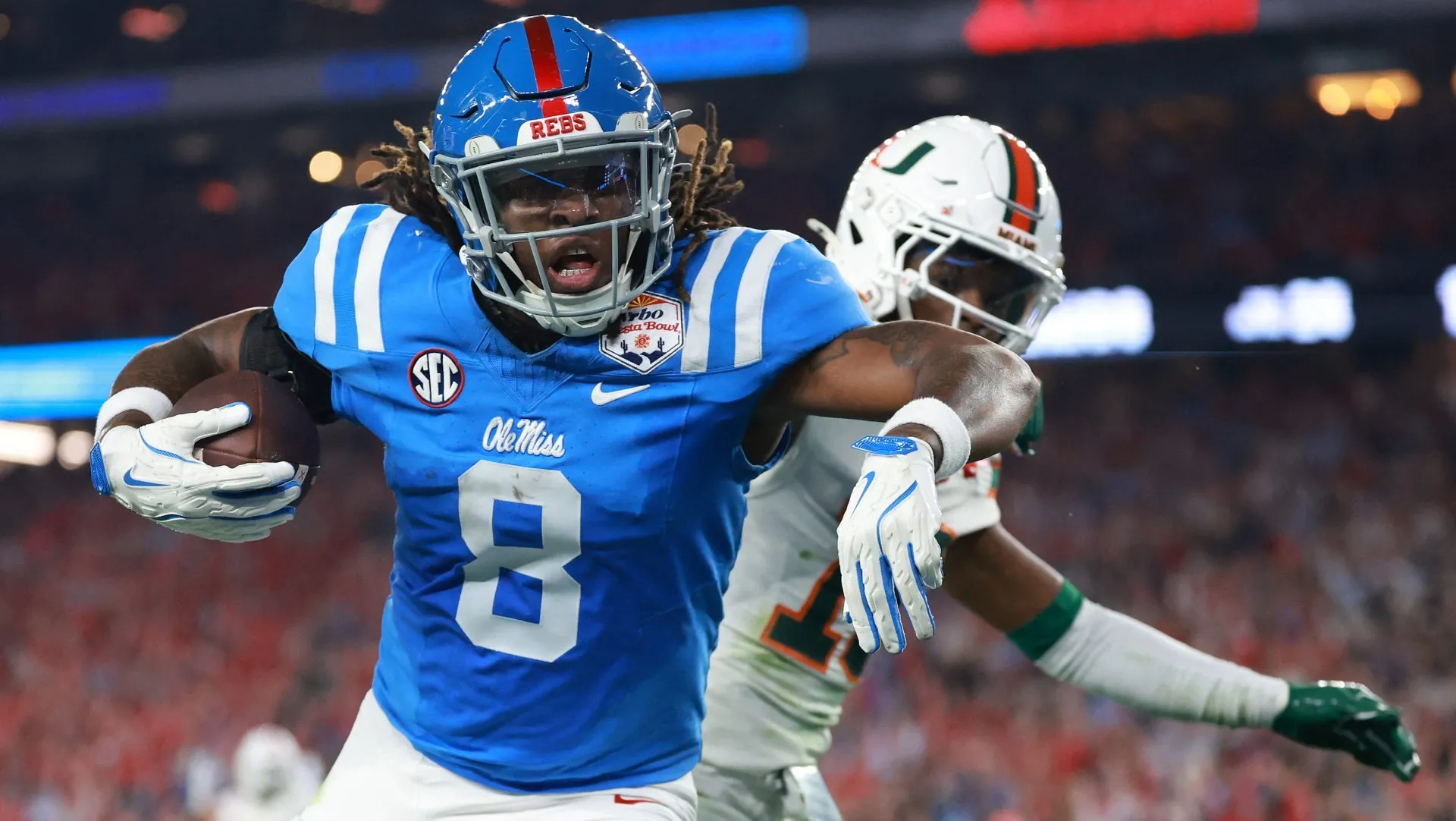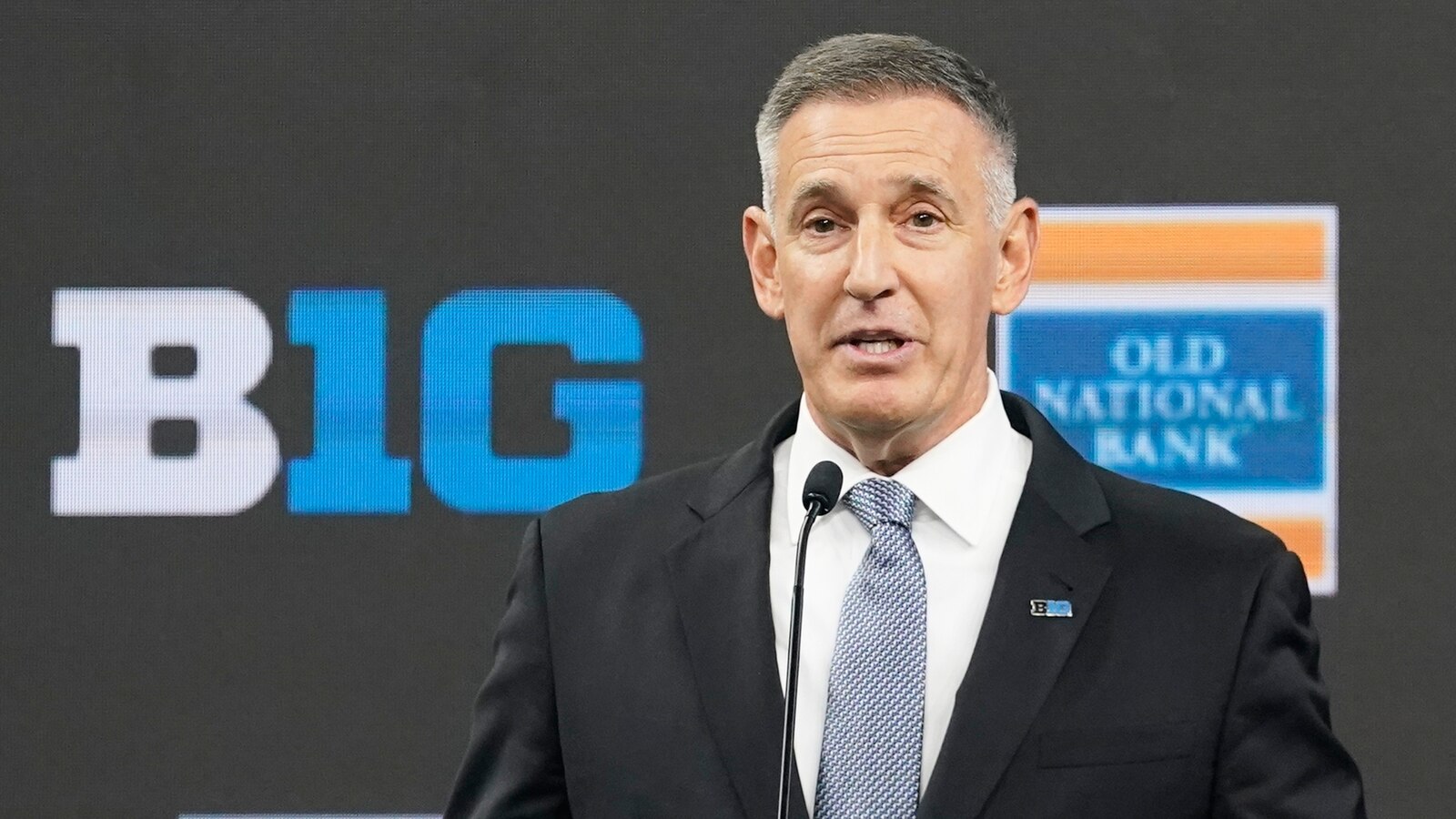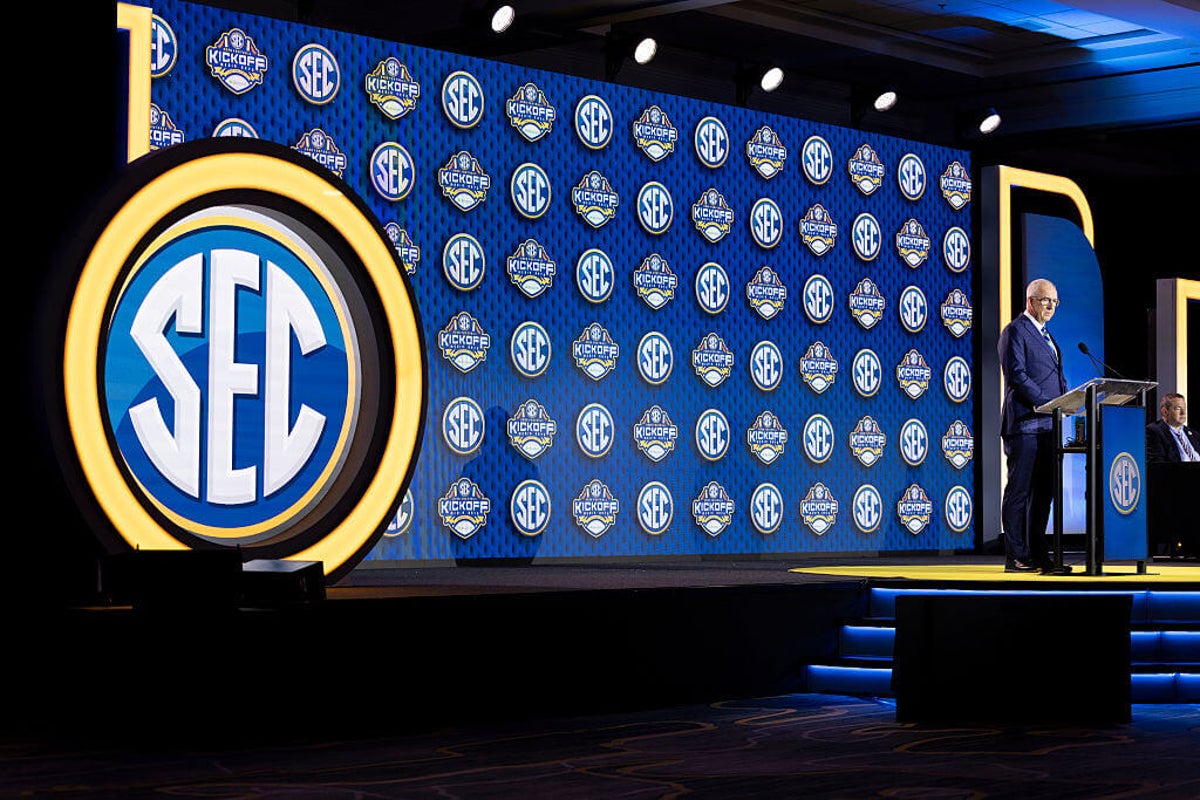
It took three days for the nation’s four powerful athletic conferences to dig in on banning players who were on NFL rosters from returning to college football. The hope is it offers order amid the chaos growing through legal challenges and the pursuit of loopholes to NCAA eligibility rules.The Atlantic Coast Conference joined its peers in the Big 12, Big Ten and Southeastern Conference on Thursday by approving a ban that also covers professional athletes seeking to return to college to play men’s or women’s college basketball. The Big Ten and SEC implemented their plans Tuesday, while the Big 12’s ruling followed Wednesday.In its statement, the ACC said its board of directors had unanimously adopted its resolution.“The board’s action reflects the ACC’s commitment to preserving college sports as an opportunity for college students that is clearly distinct from professional sports, protecting opportunities for current and future student-athletes, and promoting competitive equity,” the league said.
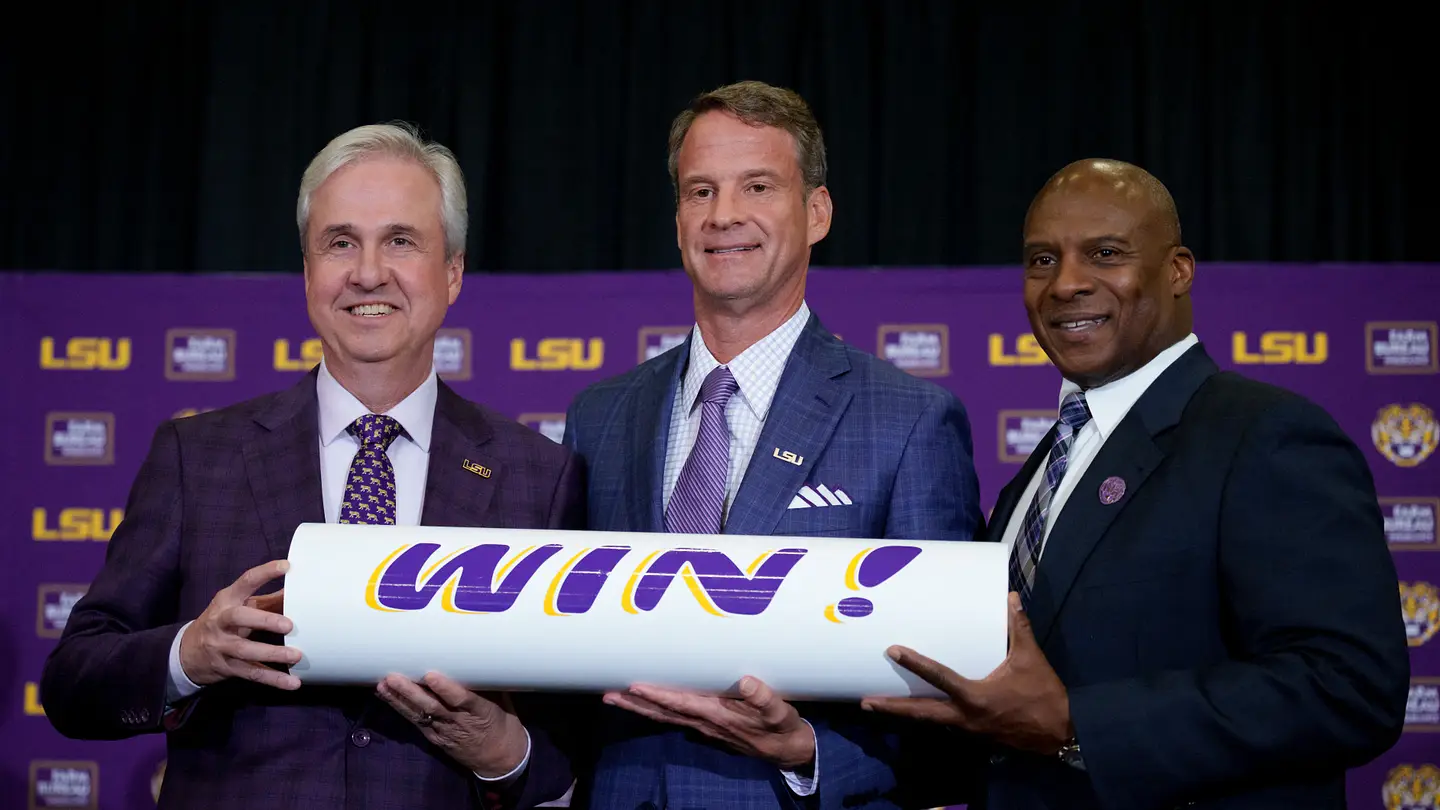
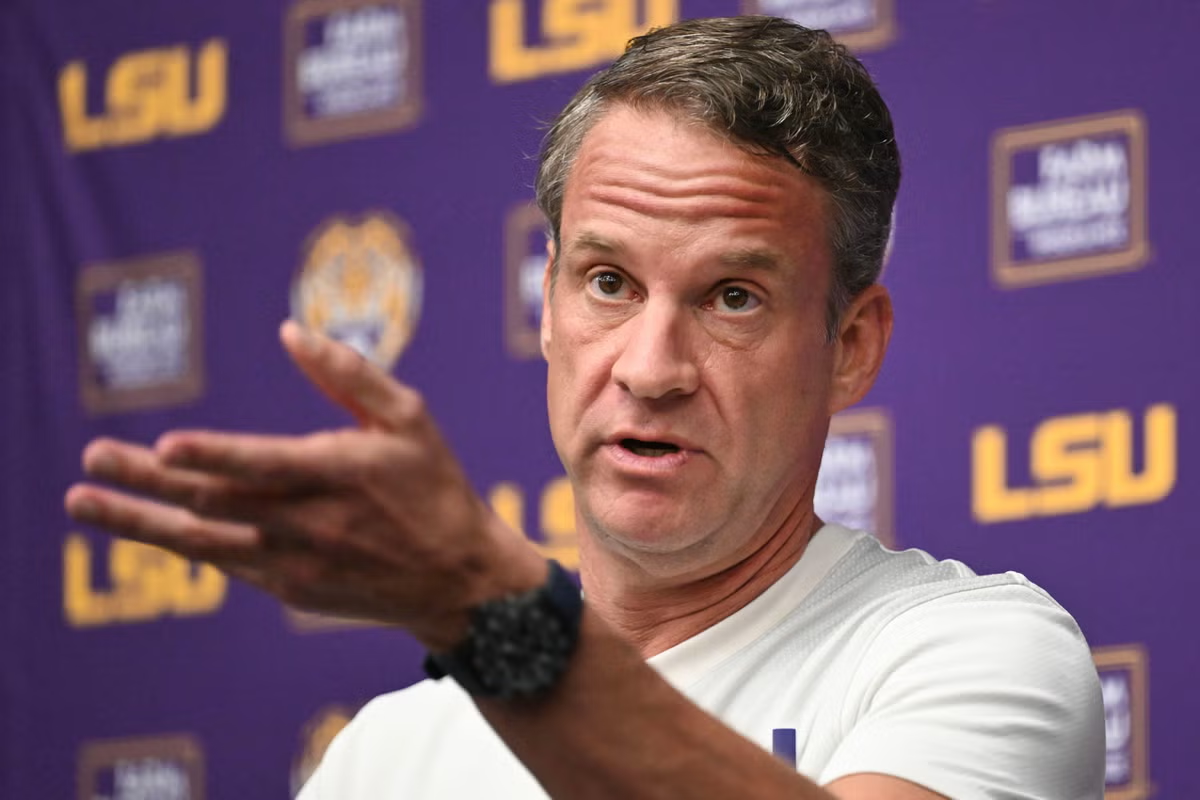
This all has been in response to a rule change passed by the NCAA granting future athletes five years of eligibility. The change has spawned lawsuits seeking to open that rule to players whose four-year careers ended earlier this year — even leading to the once unthinkable notion of players leaving college, signing with professional teams and then returning to college.At least two players who signed with NFL teams as undrafted free agents this offseason were hoping to play for No. 11 LSU. “Just to me, that’s kind of a cutoff, when a guy goes pro,” N.C. State football coach Dave Doeren said after Thursday’s practice and before the ACC adopted its policy. “And we say ‘Goodbye, good luck,’ and we move on. And there shouldn’t be the ability to come back. If it’s the Big Ten, SEC — it doesn’t matter to me: it’s an amateurism rule.”