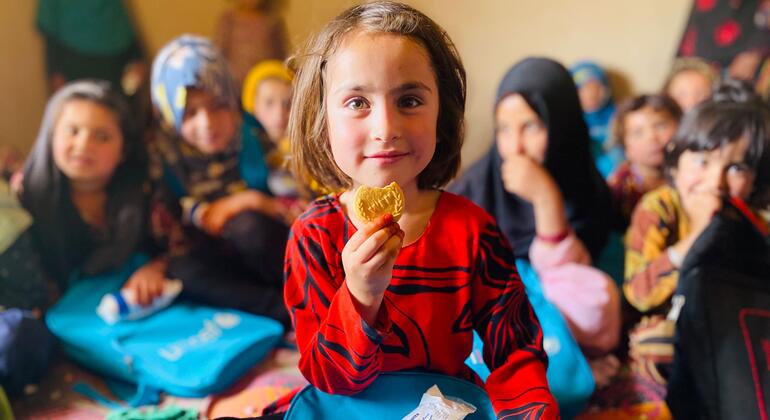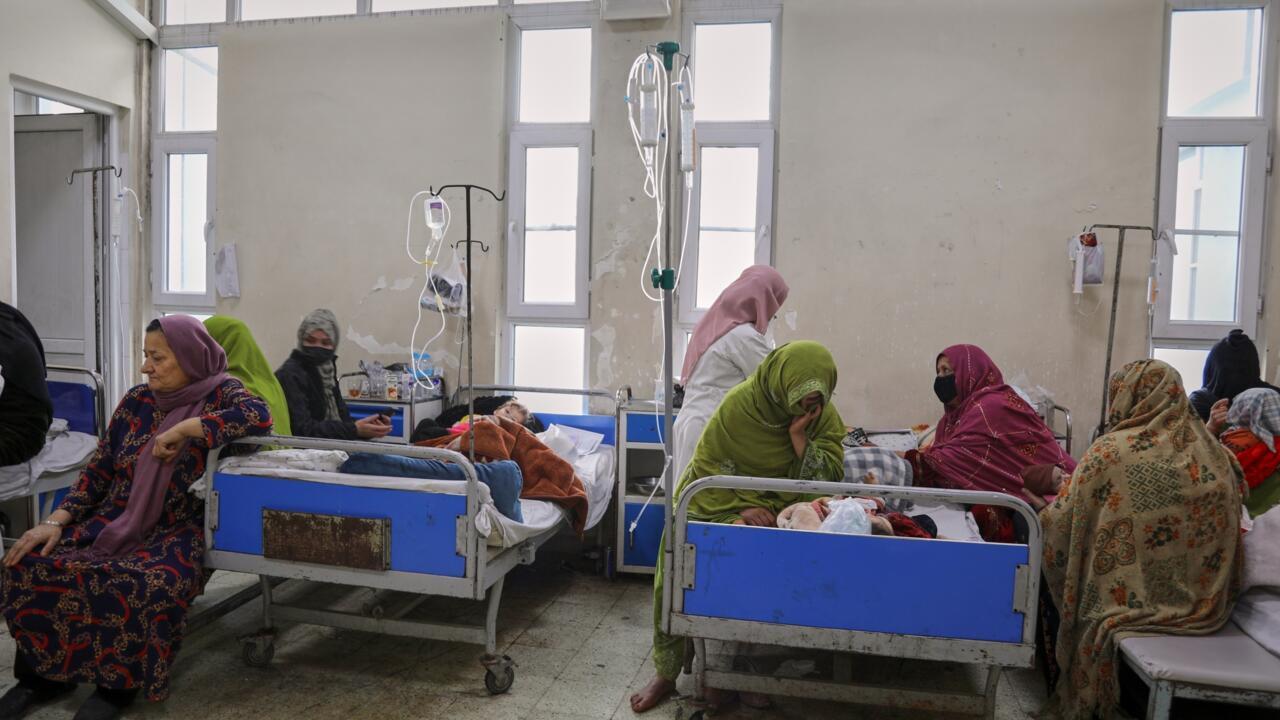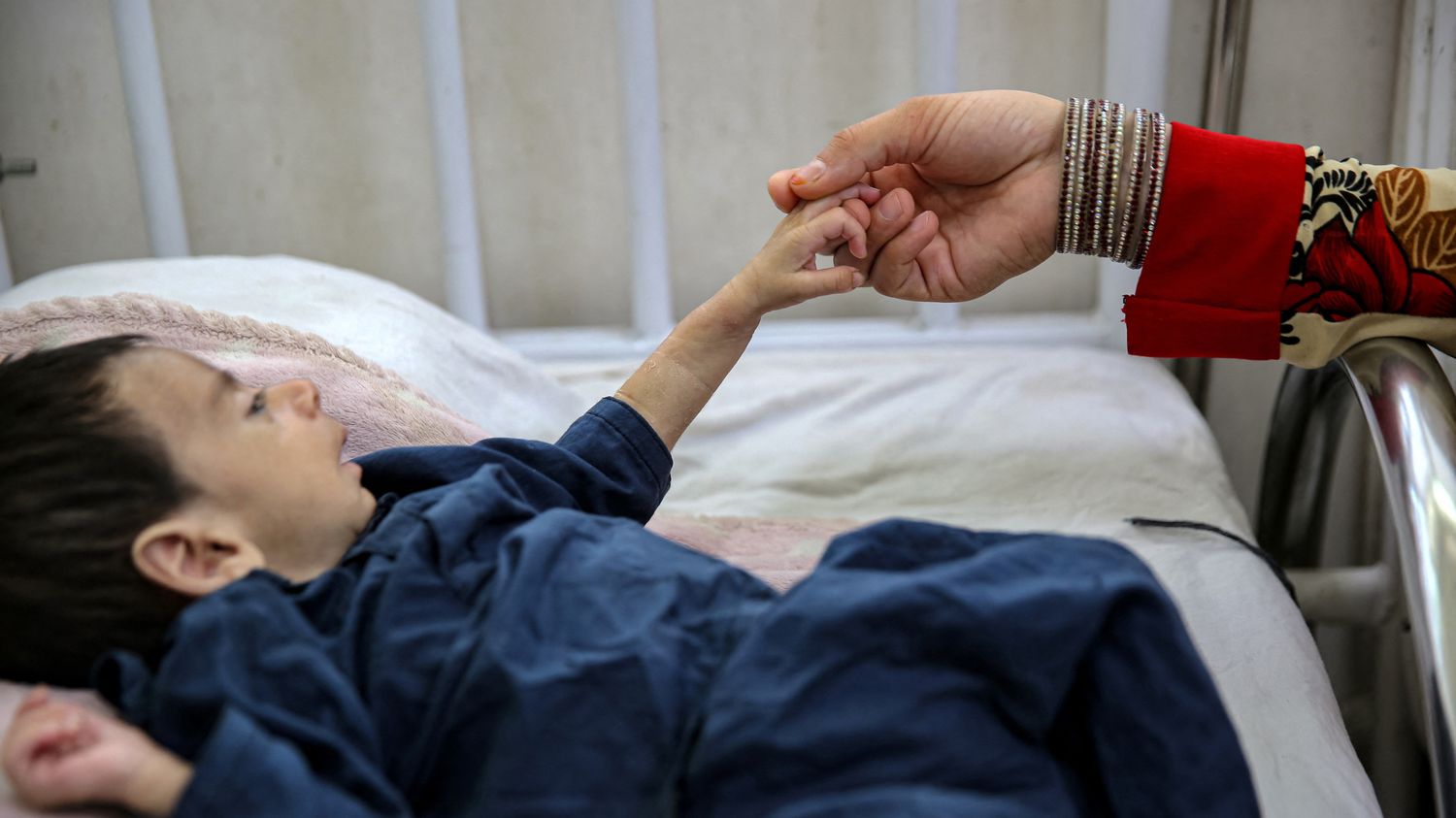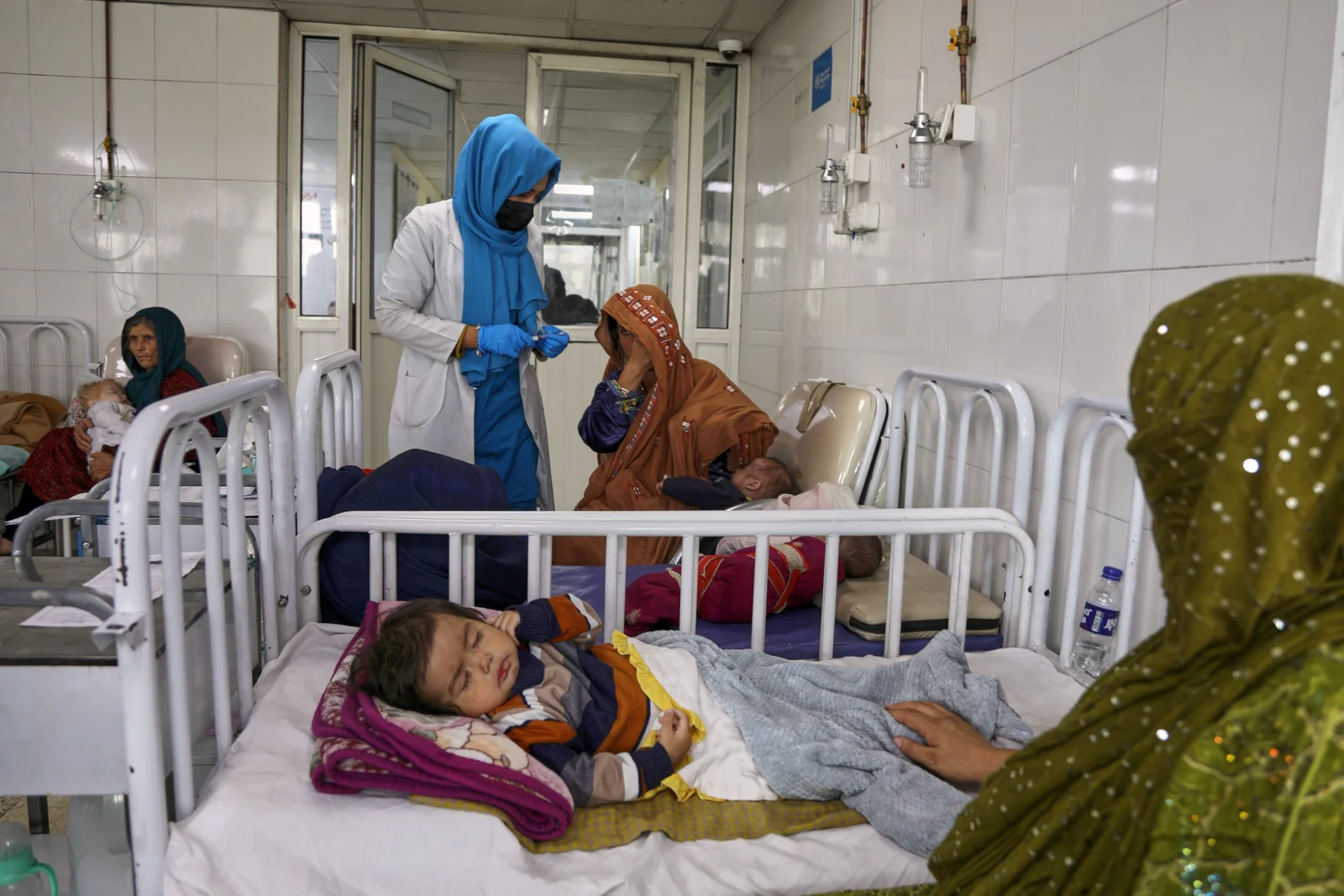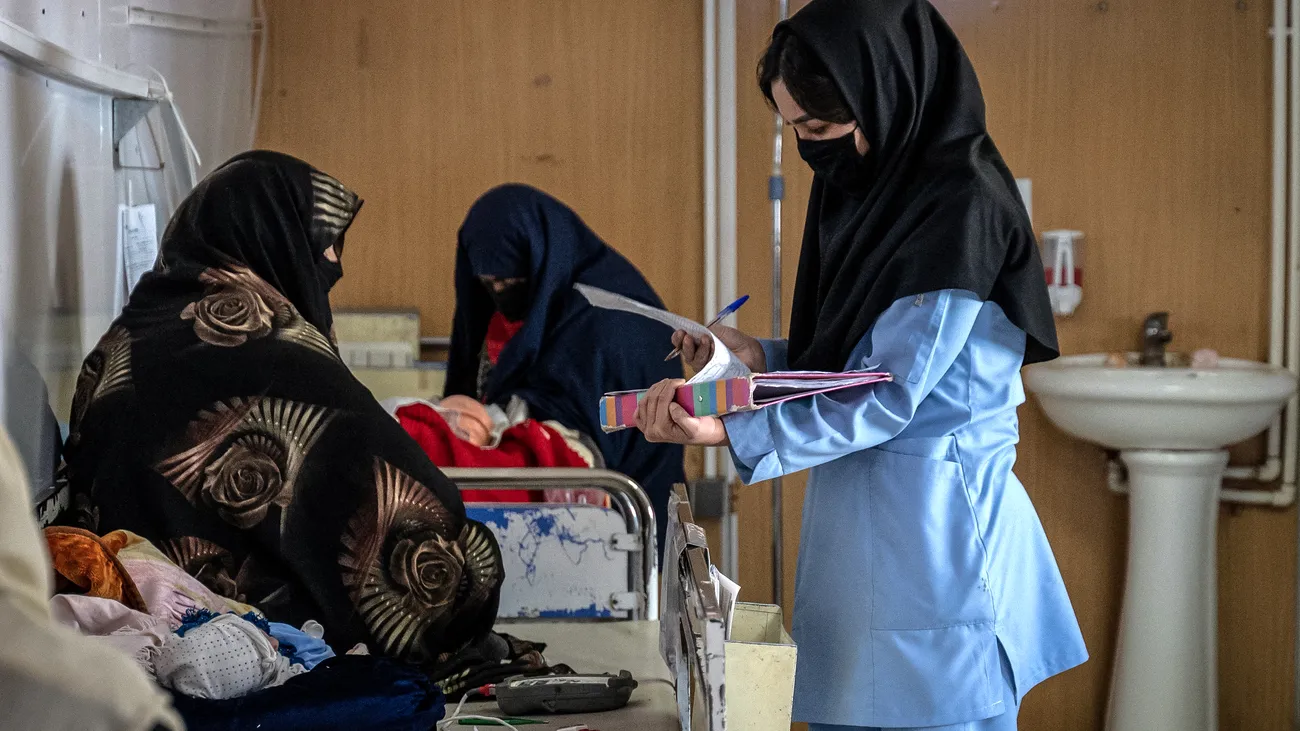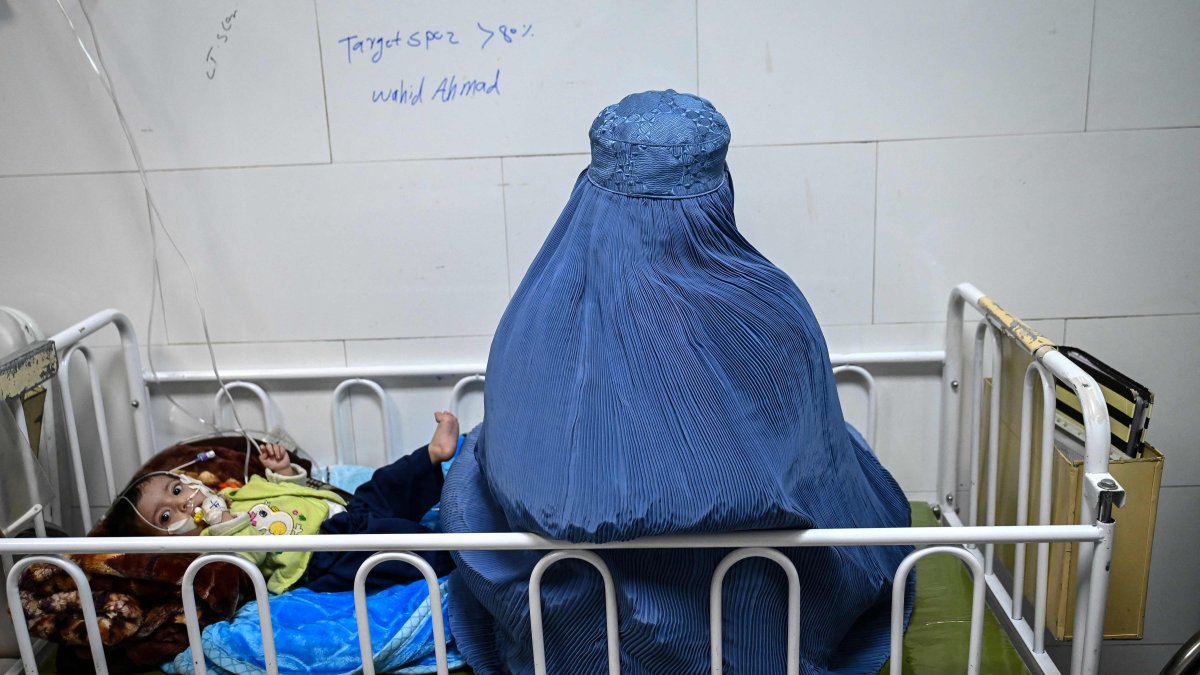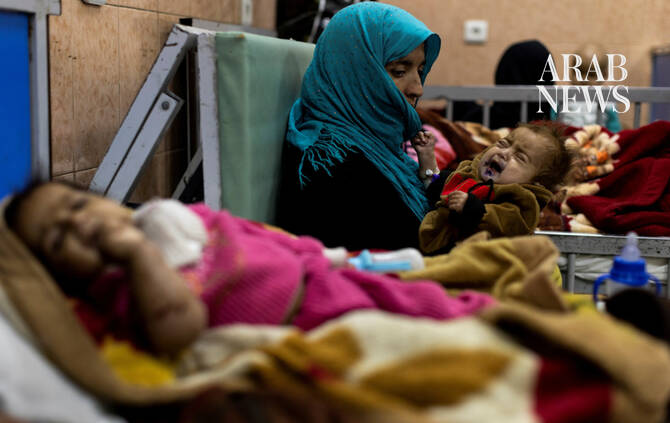
DUBAI: In overcrowded hospital wards across Afghanistan, several severely malnourished children often share a single bed. Their arms are little more than bone beneath stretched skin. Their bodies have been weakened by hunger and wasting.
Exhausted mothers wait beside them, many struggling with malnutrition themselves. For some children, recovery will take weeks. For others, it may come too late.
Their diets can consist of little more than bread soaked in tea, sometimes watered-down yogurt — combinations that may quieten hunger but provide little of the nutrition a growing child needs. For UNICEF officials, these wards have become a barometer of a worsening nutrition crisis.
Afghanistan has endured decades of conflict and repeated humanitarian emergencies. Five years after the Taliban seized Kabul in August 2021, large-scale violence has fallen sharply, but the end of the war has not brought economic security or prosperity.
The collapse of the foreign-funded economy, the freezing of Afghan state assets and the withdrawal of much international assistance have left millions struggling with poverty and unemployment.