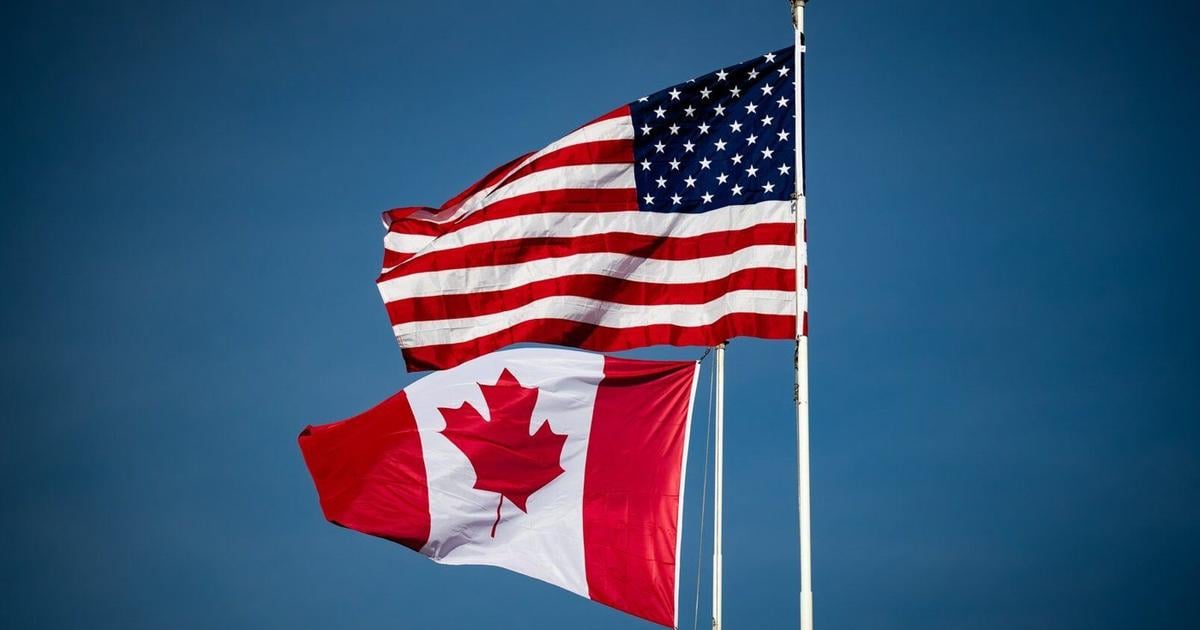
When U.S.-Canada trade talks collapsed for good last Friday night, the recriminations broke out almost instantly, and not just between Washington and Ottawa. In Maine, Vermont and Michigan—three states with outsized economic exposure to Canada—elected officials from both parties and the executives who run the region’s largest employers have spent the past week saying, in various ways, the same thing: enough.
The latest escalation came Monday, when U.S. Trade Representative Jamieson Greer told CNBC’s Squawk Box Canada was to blame for the breakdown, saying negotiators had reached the outline of a deal by Tuesday night only for Ottawa to add last-minute demands.
“In the last hours, I think there were things that the Canadians just—you know, they wanted more,” Greer said.
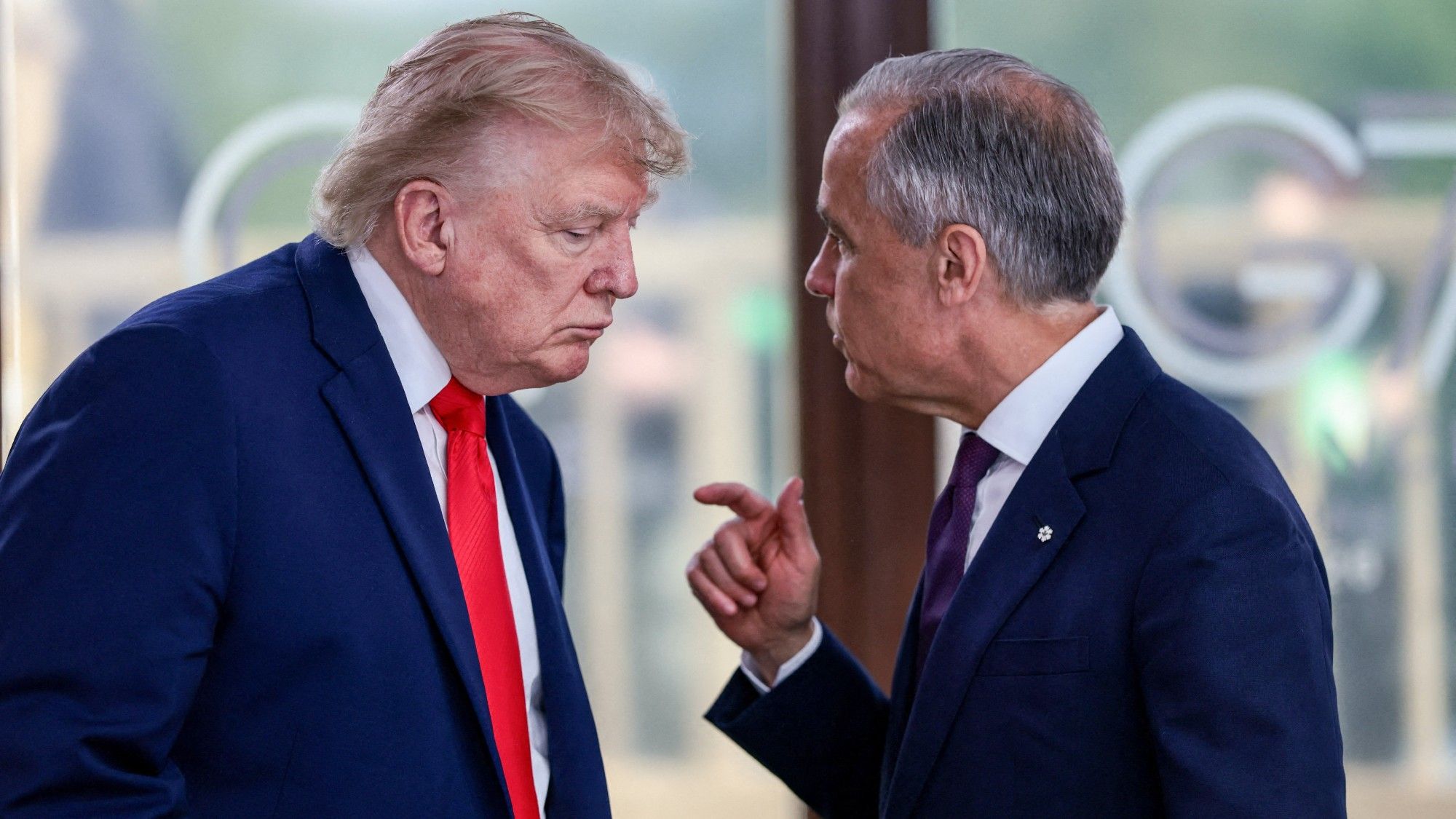
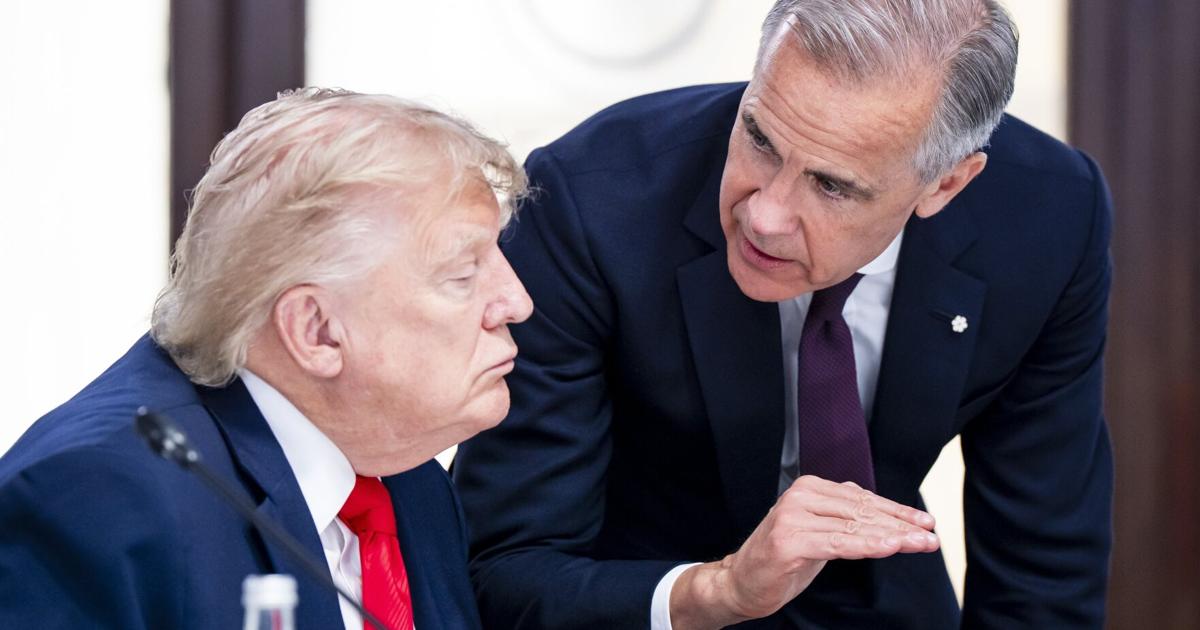
Canadian Prime Minister Mark Carney has offered the mirror-image account, saying the U.S. side introduced “last-minute changes” to proposed terms that were “unfair, uneconomic, and called into question the reliability of any deal.”
Politico‘s reporting on the 72 hours before the deal cratered found the dispute came down to a central sticking point: U.S. tariff rates on heavy-duty trucks, which Canadian negotiators pushed to lower late in the process, though U.S. officials also cited internal turf wars and Carney pointed to American refusal to extend auto-tariff relief to medium- and heavy-duty trucks. The practical result was the same regardless of which account is right: 50% U.S. tariffs on roughly $20 billion of Canadian goods took effect at 12:01 a.m. Aug. 22, and Canada’s retaliatory tariffs on steel, dairy, appliances, agricultural equipment, pulp and paper and electronics are set to hit Sept. 8.