I knew I’d officially become a ‘longevity influencer’ this month when a company called Generation Lab reached out to offer me the chance to write about—and even receive—their new rejuvenation treatment, an injectable combination of two existing drugs which they call 1-Generation. This wasn’t just any antiaging treatment, either. A company fact sheet says that it “blocks the systemic spread of aging in the bloodstream, reawakens the body’s own repair mechanism and restores health and youth to multiple tissues.” The exclusive offer to join a “private cohort” receiving access to the treatment was being “extended to a limited number of people whose judgment on the science we trust, under close physician supervision.” “There’s a long wait list including a lot of celebrities, well-known people, people who you have heard of,” Generation Lab’s CEO Alina Su told me in a conference call. “So we’re super excited to, like, create this drug and [are] letting you know that this first longevity therapeutic in [the] human body is here and it’s actually working.”
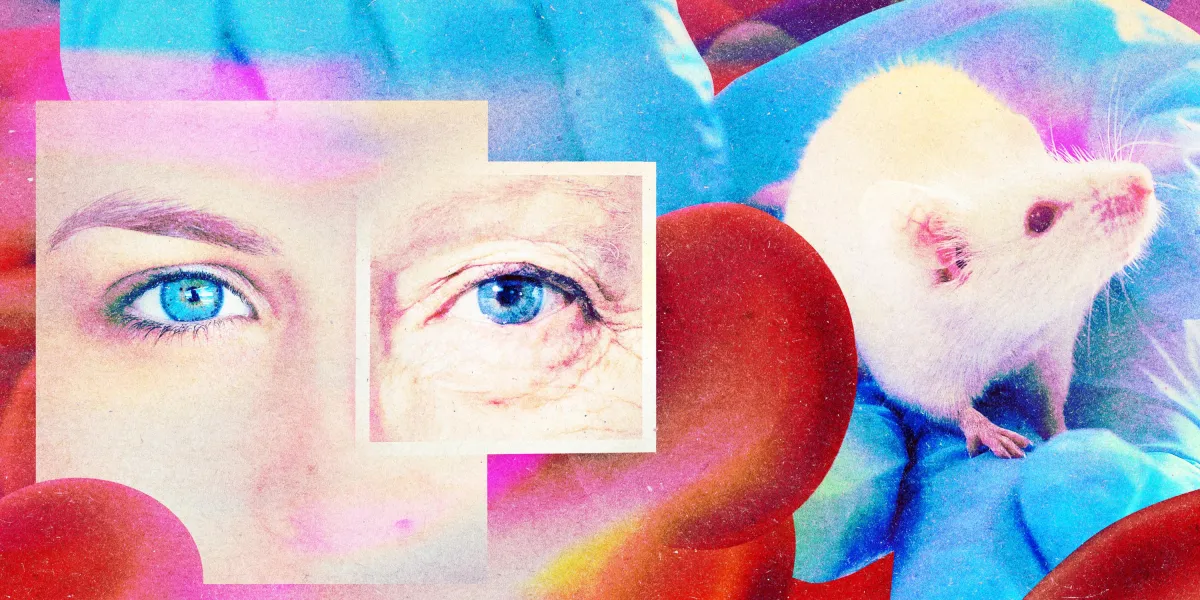
This was all clearly a marketing campaign and, like most other claims in the world of longevity medicine, probably too good to be true. What’s more, Generation Lab wouldn’t tell me what the two drugs are, making the proposition hard to take seriously. Yet this pitch got my interest. The reason? I am a longtime follower of Generation Lab’s irascible scientific founder, Irina Conboy, a take-no-guff specialist in the bizarre, but scientifically fruitful, practice of joining together the circulatory systems of old and young lab animals.