Published August 27th, 2026 - 19:38 GMT
Highlights
The agreement is evidence of a broader move toward a more multipolar regional security order, although it does not eliminate the Gulf's dependence on U.S. military capabilities.
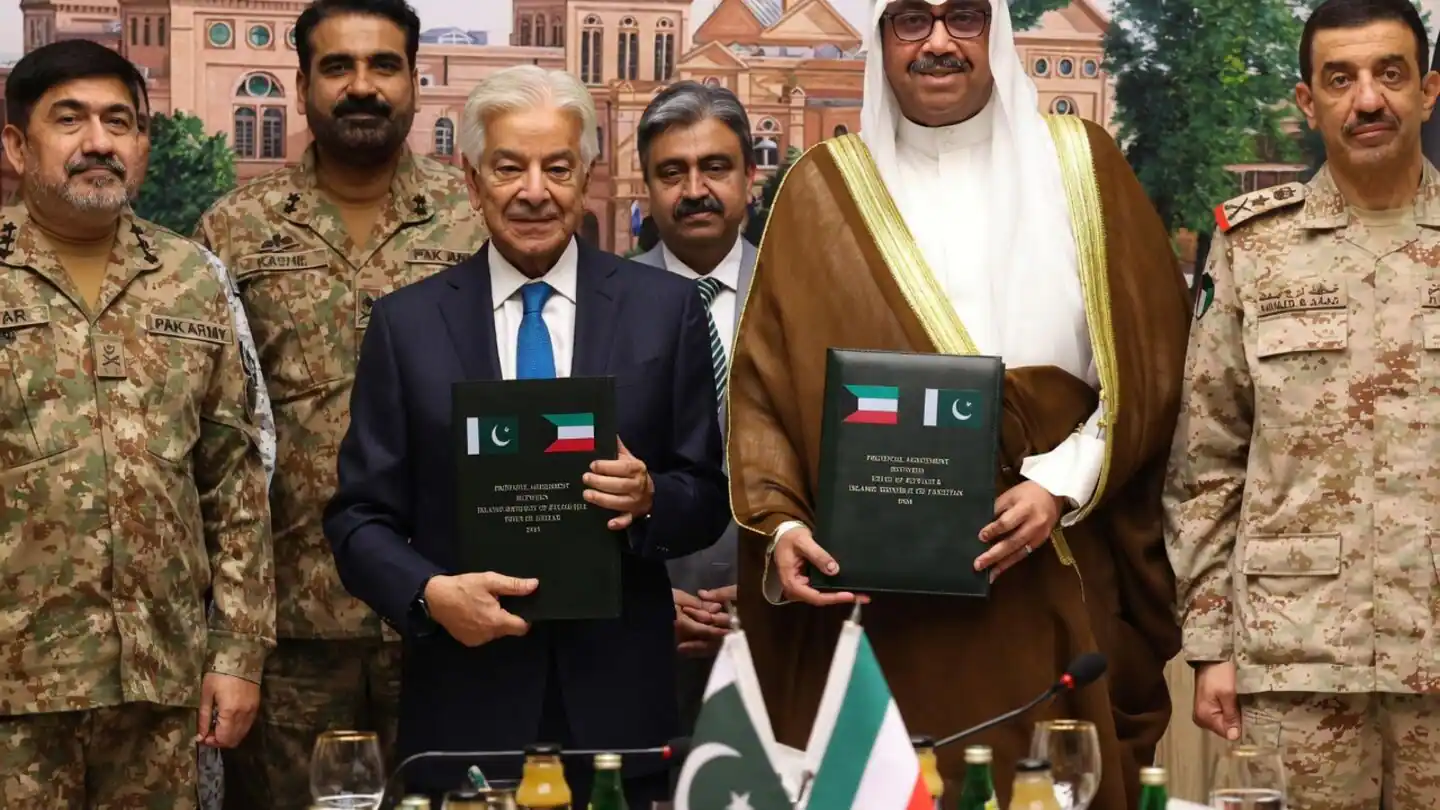
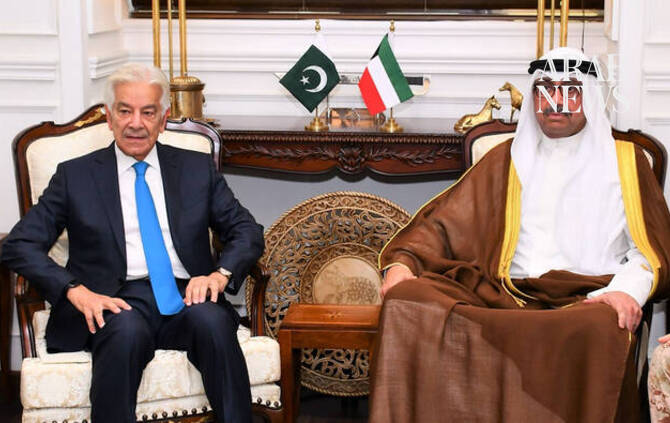
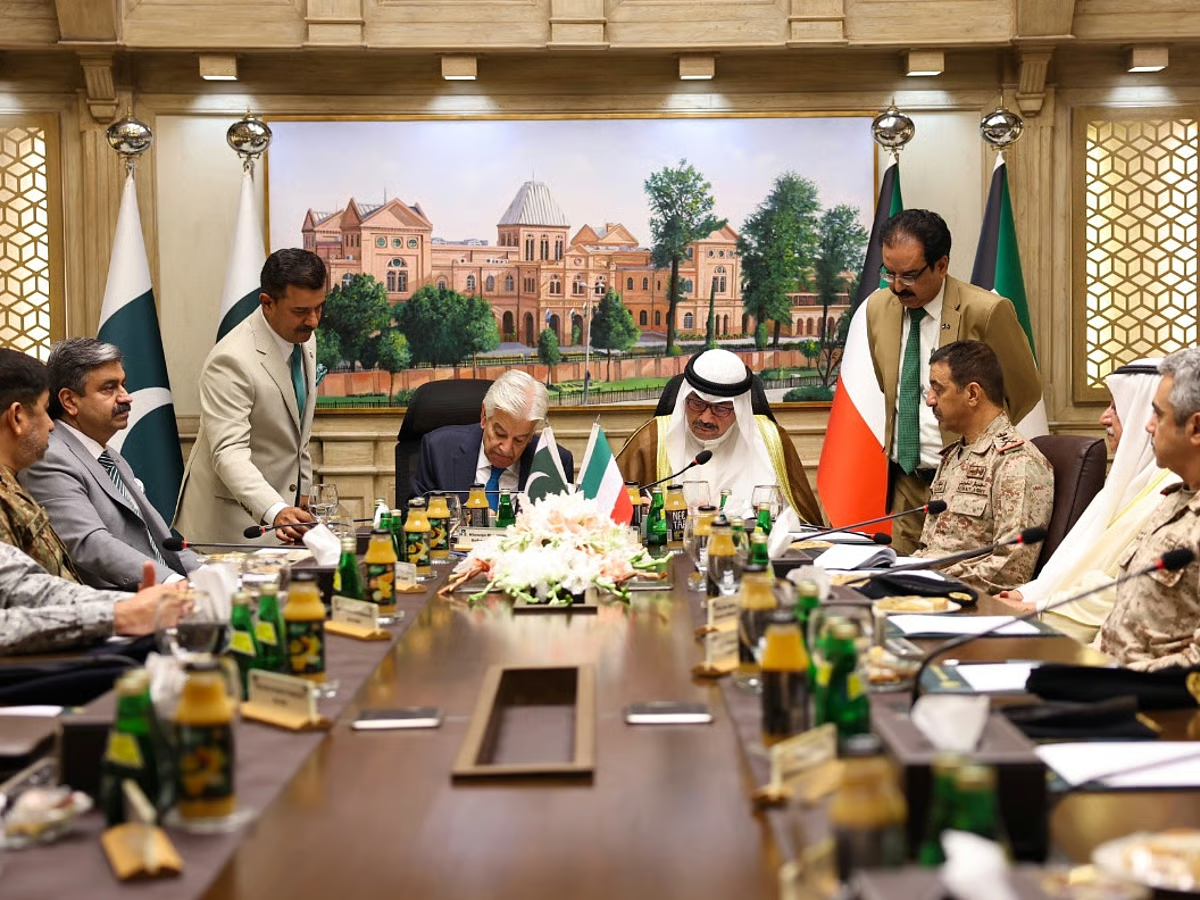
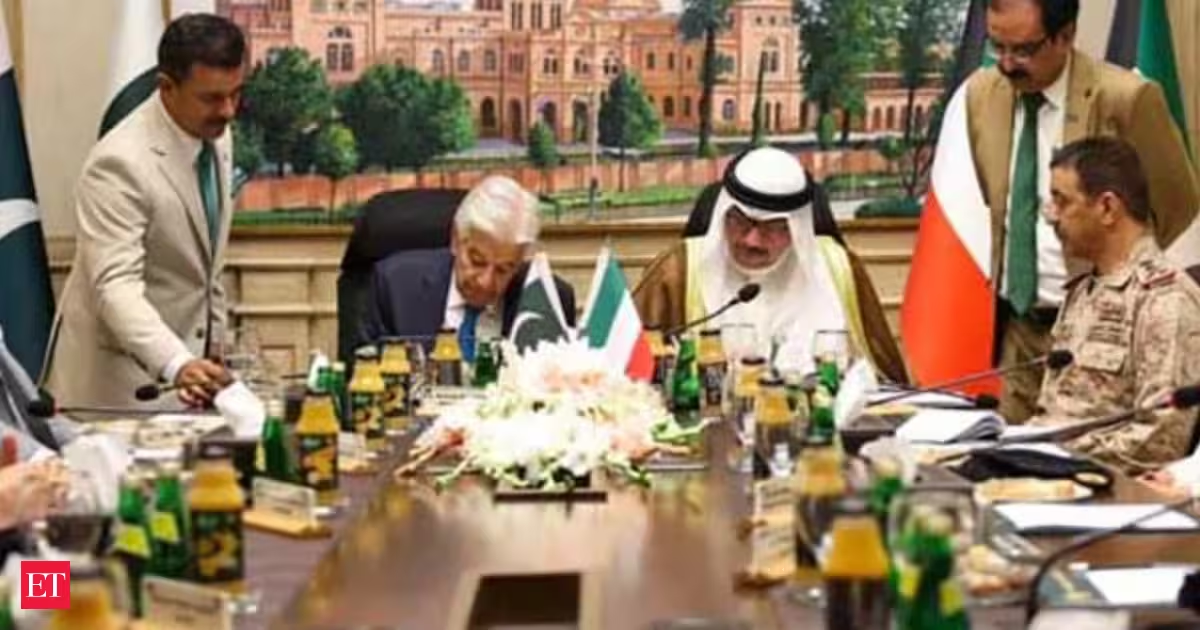
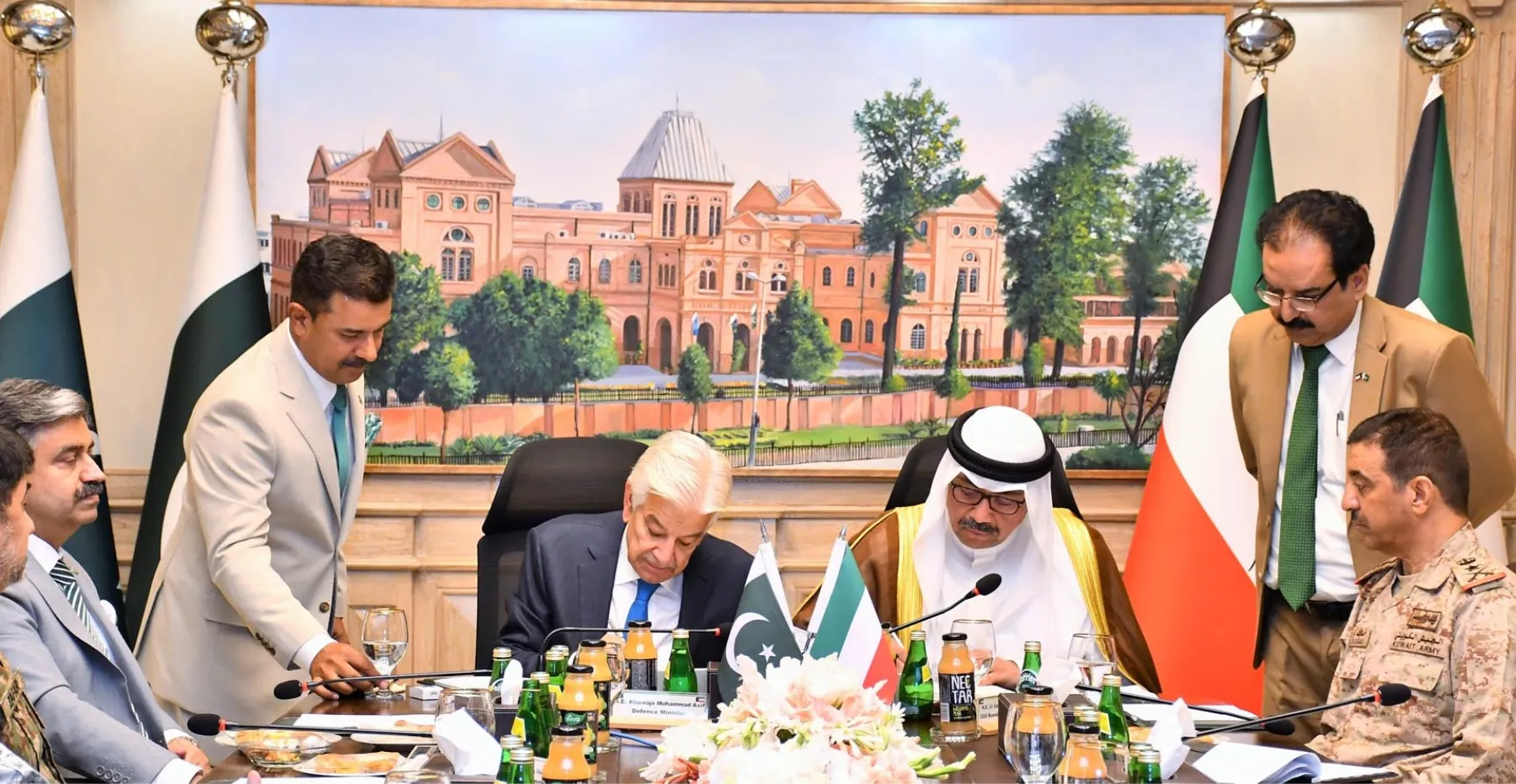
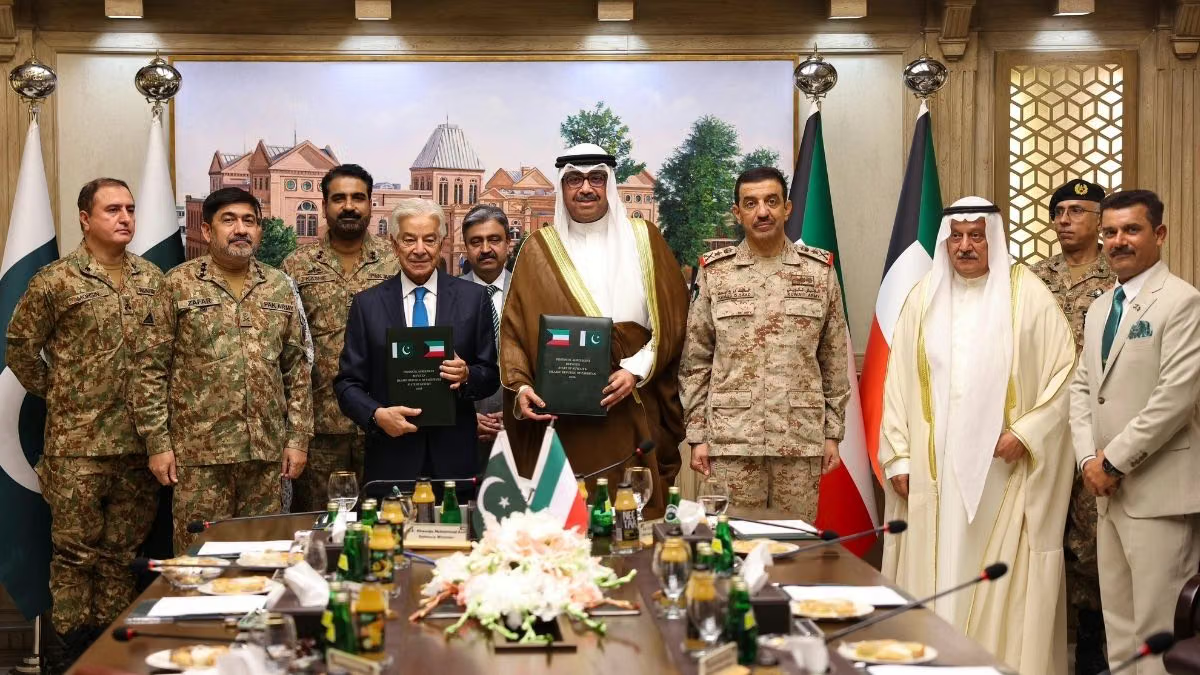
ALBAWABA- Pakistan and Kuwait have signed a defense cooperation agreement aimed at strengthening their existing military relationship, as Gulf states and regional powers increasingly expand and diversify their security partnerships amid heightened tensions across the Middle East.The agreement, announced by Pakistan’s Ministry of Defense, builds on the two countries’ existing military cooperation framework and is intended to expand coordination between their armed forces. The two sides have maintained defense ties for decades, including cooperation in military training, education and professional exchanges.The new defense arrangements have emerged in the aftermath of the U.S.-Israeli war with Iran, which exposed vulnerabilities in the Gulf's traditional reliance on the United States for security. Iranian retaliatory attacks during the conflict demonstrated that even countries hosting substantial U.S. military facilities could remain exposed to regional escalation, while Washington's ability to provide comprehensive protection faced practical and strategic limitations. The prolonged conflict and damage to critical infrastructure have consequently encouraged Gulf states and their regional partners to reassess their security calculations. This has accelerated a search for more diversified security mechanisms, combining existing ties with Washington with stronger military partnerships among regional and neighboring powers. The clearest example is the Mecca Joint Defense Agreement signed by Saudi Arabia, Türkiye and Pakistan on August 7, which commits the three countries to treating an armed attack against one member as an attack against all. The agreement is evidence of a broader move toward a more multipolar regional security order, although it does not eliminate the Gulf's dependence on U.S. military capabilities. Kuwait and Pakistan signed a joint defense and military cooperation agreement during the Kuwaiti Defense Minister Sheikh Abdullah Ali Abdullah Al-Salem Al-Sabah's visit to Islamabad on Thursday.Duirng the visit, Sheikh Abdullah met with Pakistan's Minister of Defense Khawaja… pic.twitter.com/ut6VAQgvgg— KUWAIT TIMES (@kuwaittimesnews) August 27, 2026 Pakistan's expanding defense ties with Kuwait fit into this broader trend. Rather than replacing U.S. security partnerships, such arrangements give regional states additional options by strengthening military cooperation with countries capable of providing training, manpower, technology, and strategic support.The emerging architecture, however, is far from unified. Qatar has maintained a particularly close defense relationship with Türkiye, while the United Arab Emirates has pursued its own security and defense partnerships, including deeper cooperation with India and Israel. These choices reflect different threat perceptions and strategic calculations among Gulf states rather than a common regional alignment.The result is an increasingly fragmented but more diversified Middle Eastern security landscape. The U.S. remains deeply embedded in the region's defense architecture, but the experience of the Iran war has encouraged several regional powers to hedge against the possibility that American protection may be insufficient, delayed, or constrained in a future crisis. The emerging strategy is therefore not necessarily to replace Washington, but to reduce exclusive dependence on it by building stronger regional and extra-regional security partnerships.