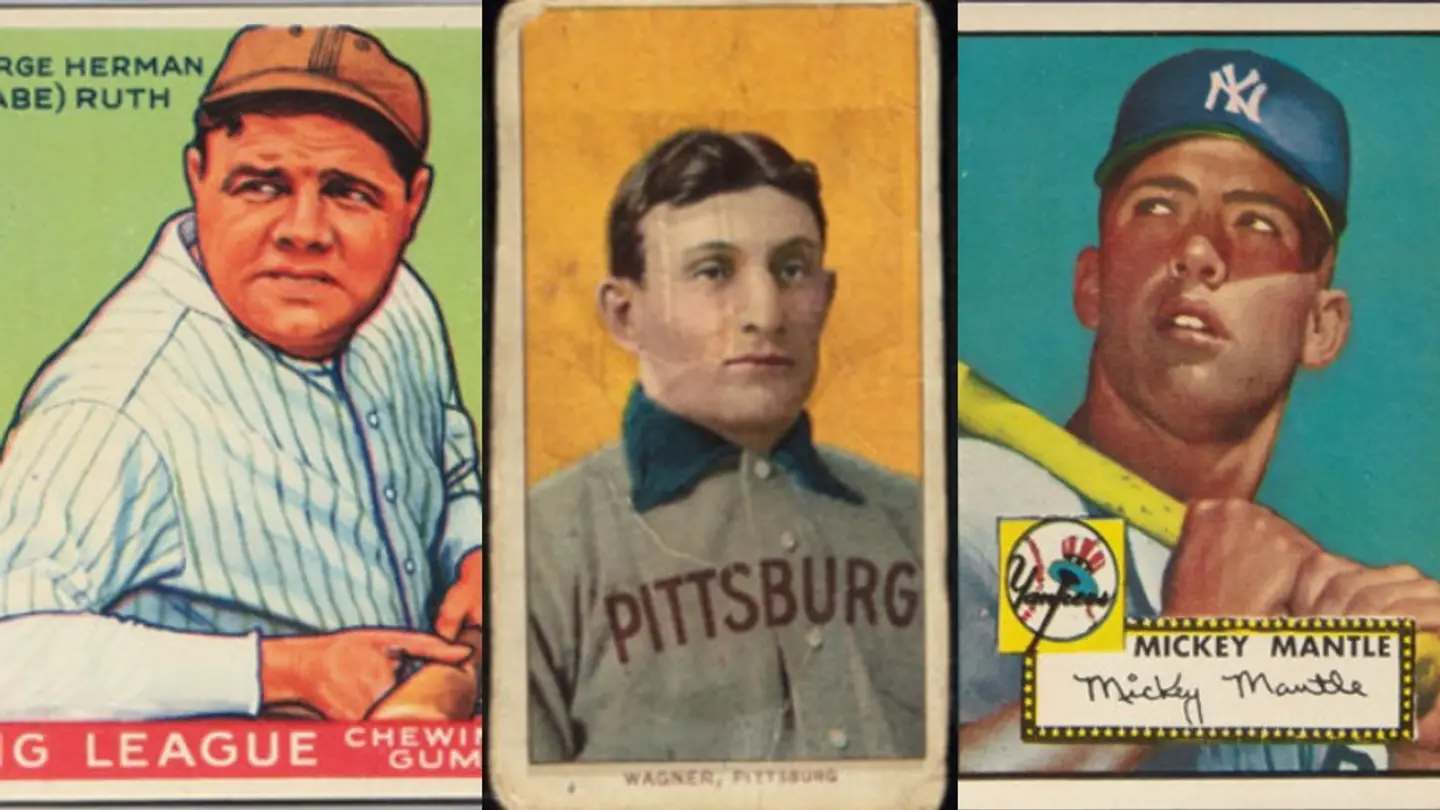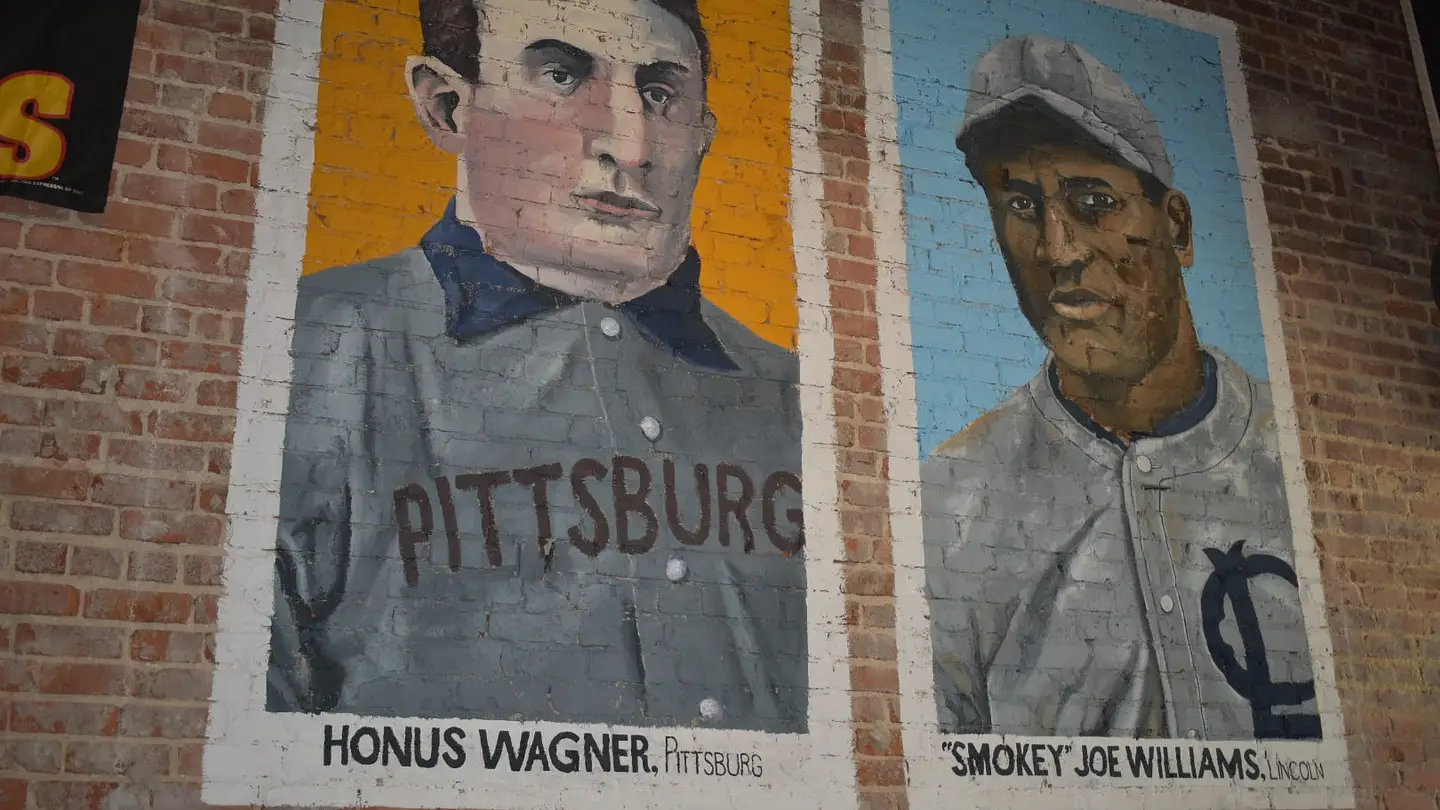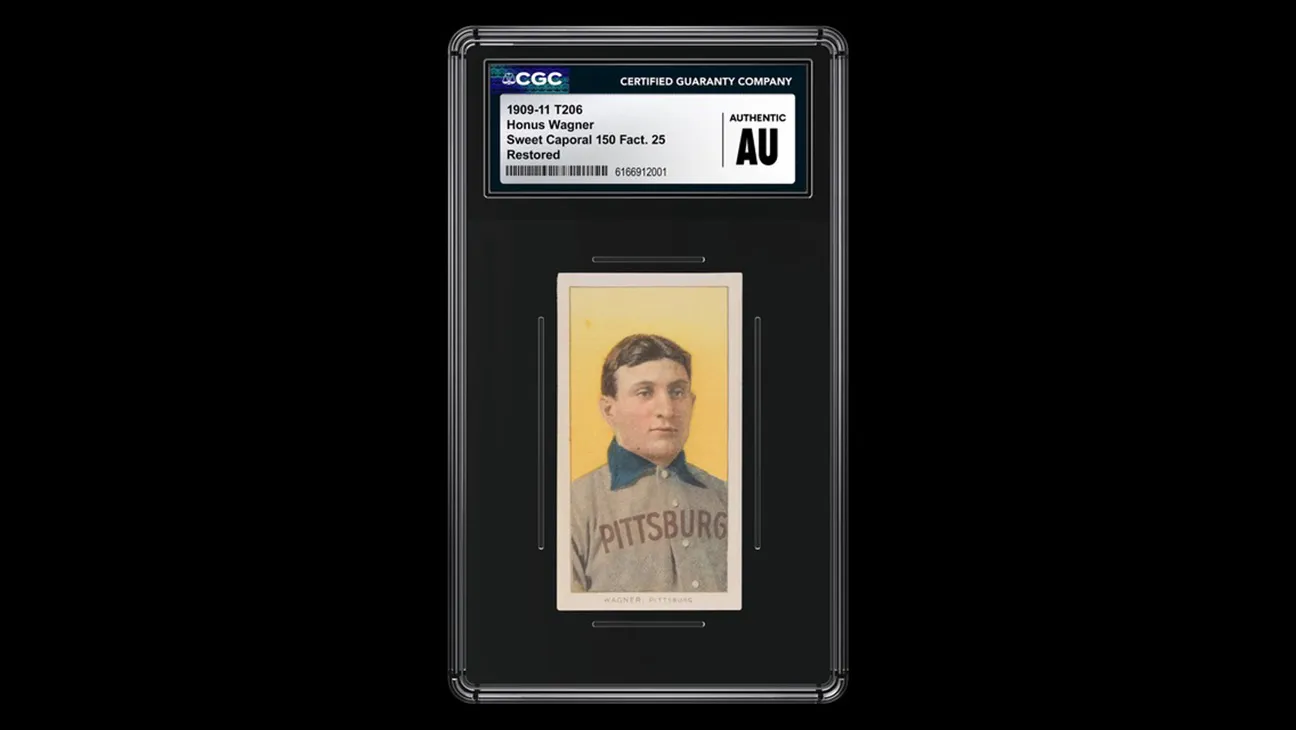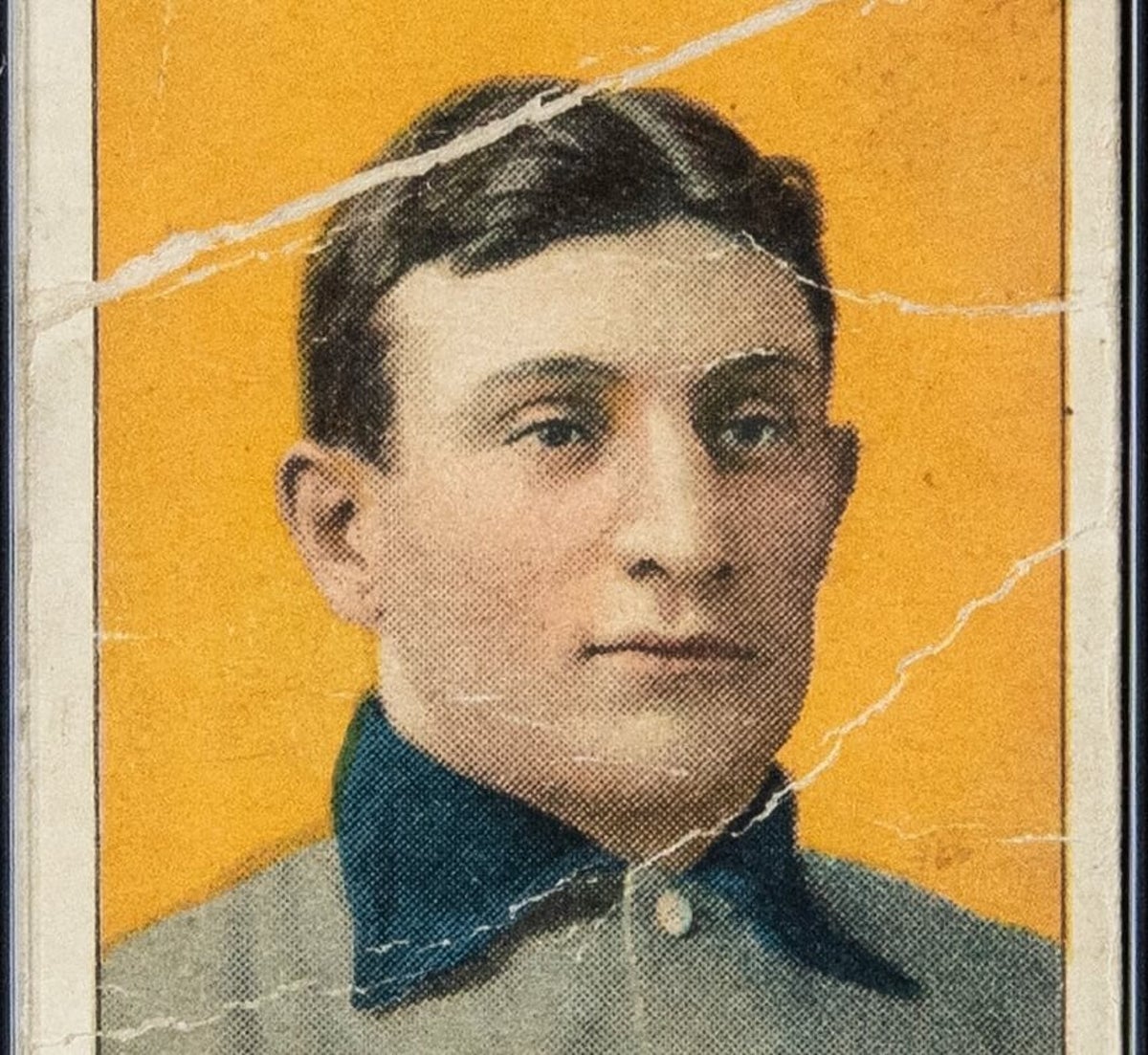
Only a T206 Honus Wagner trading card can look like it was half-eaten by a dog and still sell for nearly $500,000 in 2022 and carry an estimated value of nearly four times that price today. Only a T206 Honus Wagner can be cut with a scissors around the outline of the player and be reconstructed with bones of other cards and still sell for more than $1 million.No athlete in the history of sports card collecting truly carries the same weight as Wagner and his rare, expensive and almost mythical T206 card, first produced in 1909. Even though more modern athletes like Michael Jordan, Kobe Bryant, Shohei Ohtani and LeBron James appear on cards that have now sold for at least $10 million, there’s still only one “Holy Grail” card — the T206 Wagner, which took the top spot in The Athletic’s list of the 10 most important baseball cards of all time earlier this year.“You’ve got the rule of Wagner,” said Chris Ivy, director of sports auctions at Heritage. “I’ve never seen any collector lose money on one.”The general consensus among experts is that there are around 60 T206 Wagner cards in existence, bringing scarcity without the help of serial numbers and purposefully limited manufacturing used with modern cards.“(Wagner) has just become the symbol for baseball card collecting,” Ivy said. “Given how popular the T206 set is from the American Tobacco Company, distributed multiple brands over a multi-year period, but only about 60 people in the world have the capability to complete the set because it requires Honus and (Eddie) Plank and the (Sherry) Magee error. This (Wagner) card is that missing link for anyone that’s trying to collect the set.”An example of the T206 Honus Wagner card with a Sweet Caporal back passed down through the Shields family over more than 100 years before it was sold at auction earlier this year for $5.1 million. (Photos courtesy of Goldin Auctions)Former ESPN and news anchor Keith Olbermann, who’s owned five different T206 Wagners in his lengthy time as a baseball card collector, said the mystique is the simplest part of the story for the T206 Wagner.“It was rare from the moment it came out,” said Olbermann. “The real explanation for why there is a mystique about this card is from what was certainly in the first century of sports memorabilia the most famous baseball card set and the card set that was the nostalgia point for every collector before probably 1940, and became this revered American touchstone for every collector before 1980, is simply it has always been scarce and it has always been a mystery.”Olbermann said the topic of added value to the T206 Wagner card because of its scarcity first became a talking point almost accidentally while the vast T206 set was still being produced.“There is a ‘letter to an editor’ kind of column about serious stuff in an Atlanta paper in 1911 that asks, ‘Is there an extra value to a Honus Wagner cigarette card?’ 1911! So this has been going on forever,” Olbermann said.But why was there talk of the Wagner card carrying extra significance even then? The T206 set was produced between 1909 and 1911 by the American Tobacco Company, with the sprawling set’s more than 500 cards going into packs of cigarettes and tobacco across 16 brands owned by the company. (It didn’t get its name until well-known collector Jefferson Burdick devised a catalog system for his 1939 book “The American Card Catalog.” The “T” in T206 stands for “tobacco,” as there were also designations for cards made by bakeries, ice cream makers, publications, etc.) While most T206 cards were printed in such numbers that they are still plentiful today, more than 100 years later, production of the Wagner card was stopped early on.“I have always thought, looking at what we have from the papers at that time, that perhaps, although it may not have been planned, at some point they might have turned this into (what) nowadays would have been called the ‘chase’ card,” Olbermann said. “They saw the value in having a Honus Wagner that was impossibly scarce, and then there suddenly was some sort of hullabaloo about it being withdrawn and the kids would still be out there trying to get it.”
The T206 Honus Wagner: Latest historic sales and why he objected to the card
Newly discovered quotes from 1909 answer the long-standing questions as to why Wagner refused to let the card be printed.
1,952 words~9 min read