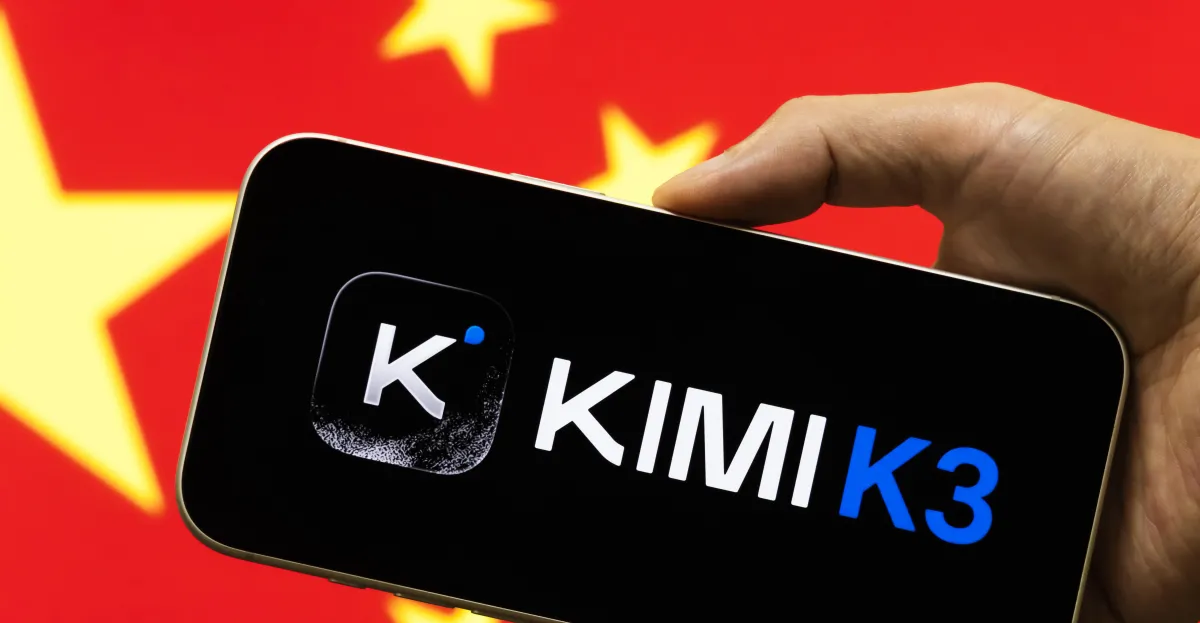
The United States has bet the farm on artificial intelligence across the board, from industry to finance to government policy. But the combination of a China shock and multiple cases of AIs gone rogue, set against the backdrop of a growing populist backlash, have forced a moment of truth that calls into question the foundational assumptions guiding U.S. development and regulation of AI.
The July release of Chinese start-up Moonshot’s Kimi K3 open-weight model, which proved nearly as capable as closed U.S. frontier models, stunned the American AI industry, which has largely ignored open models in favor of closed ones. Open-weight models provide users with free access to the “weights,” or the parameters that shape a model’s outputs, enabling easier customization and lower-cost access than closed models.
Until Kimi K3, many presumed that this ease of customization—and sharing of intellectual property in the form of open weights—meant sacrificing advanced AI capability. U.S. policymakers and developers prioritizing the pursuit of AI superintelligence were shocked when Kimi achieved both openness and frontier capability at once. Kimi K3’ s success raised the serious possibility that while the United States has been pursuing closed frontier capability, China has been running a different race—and winning.