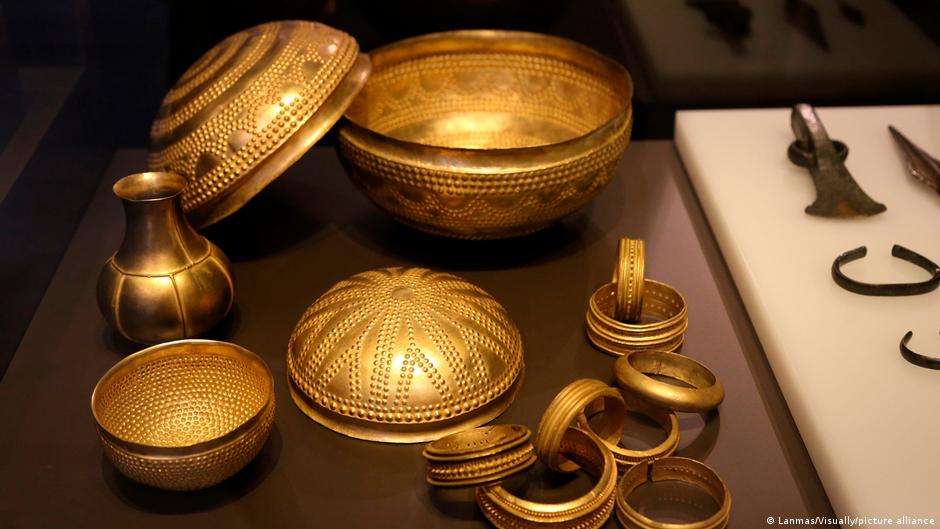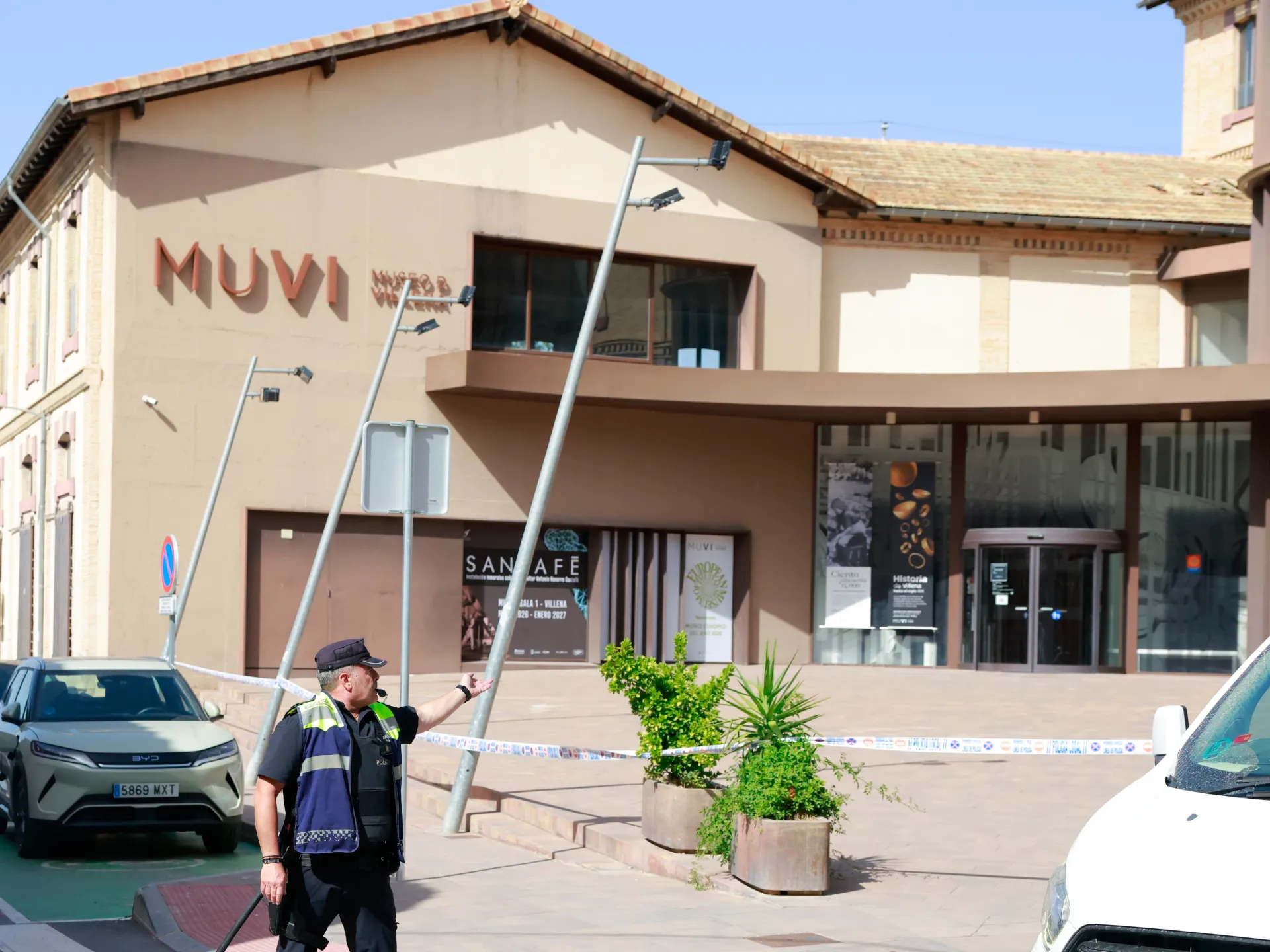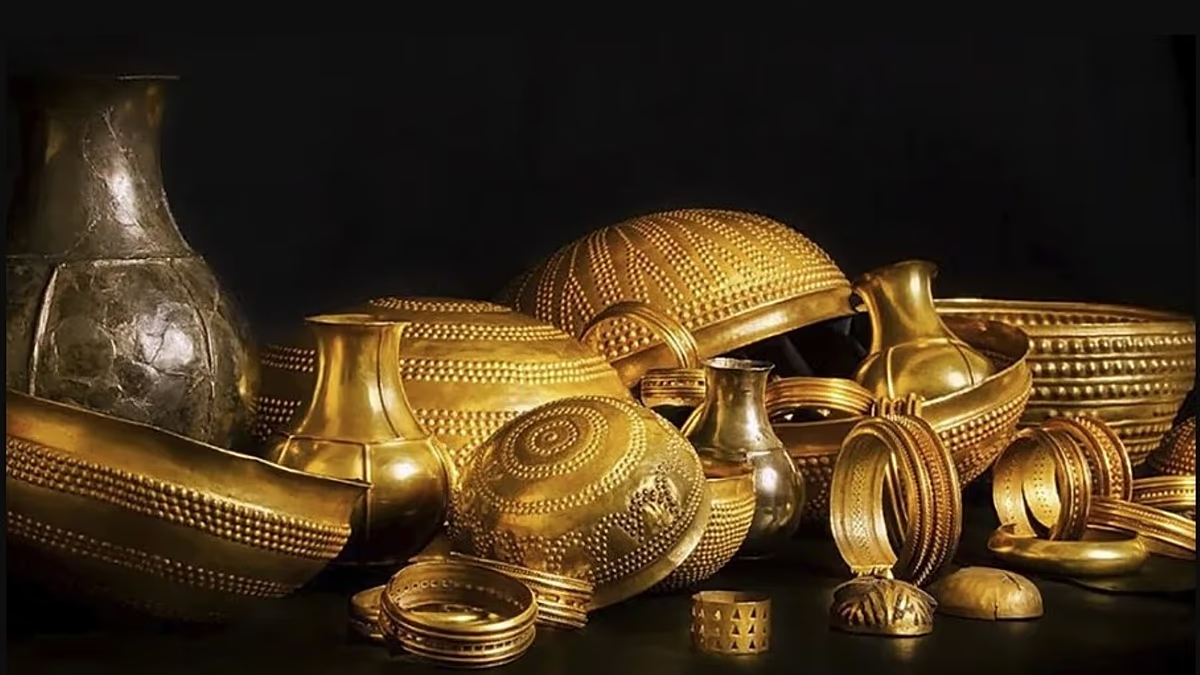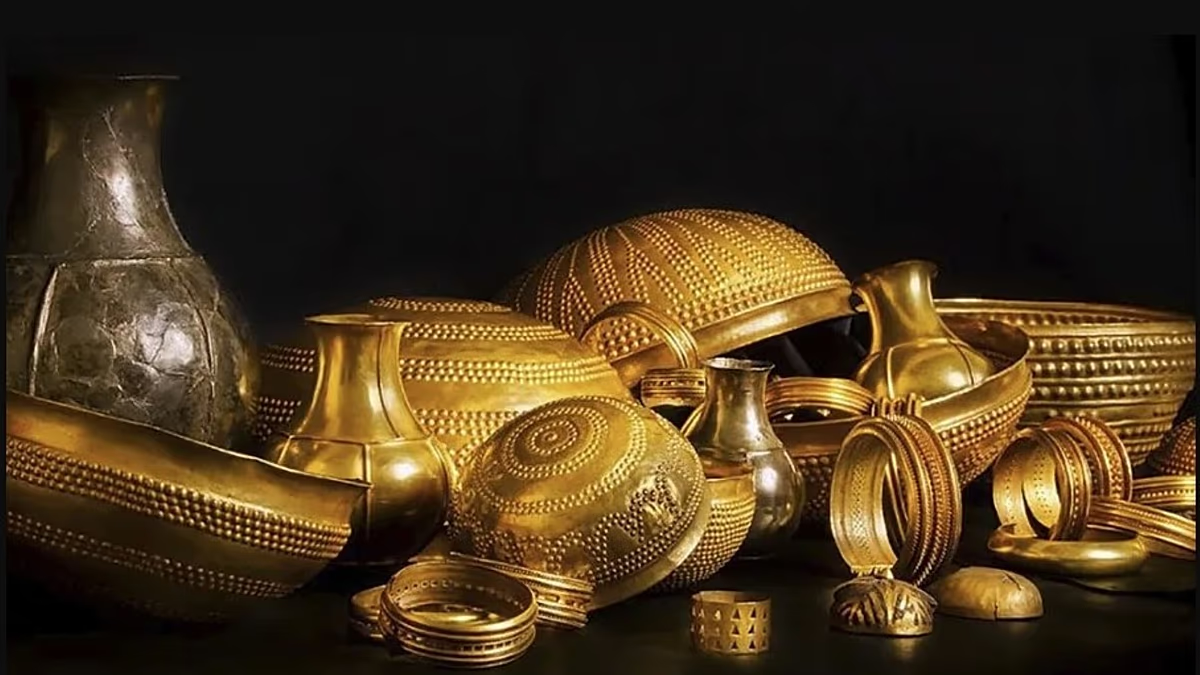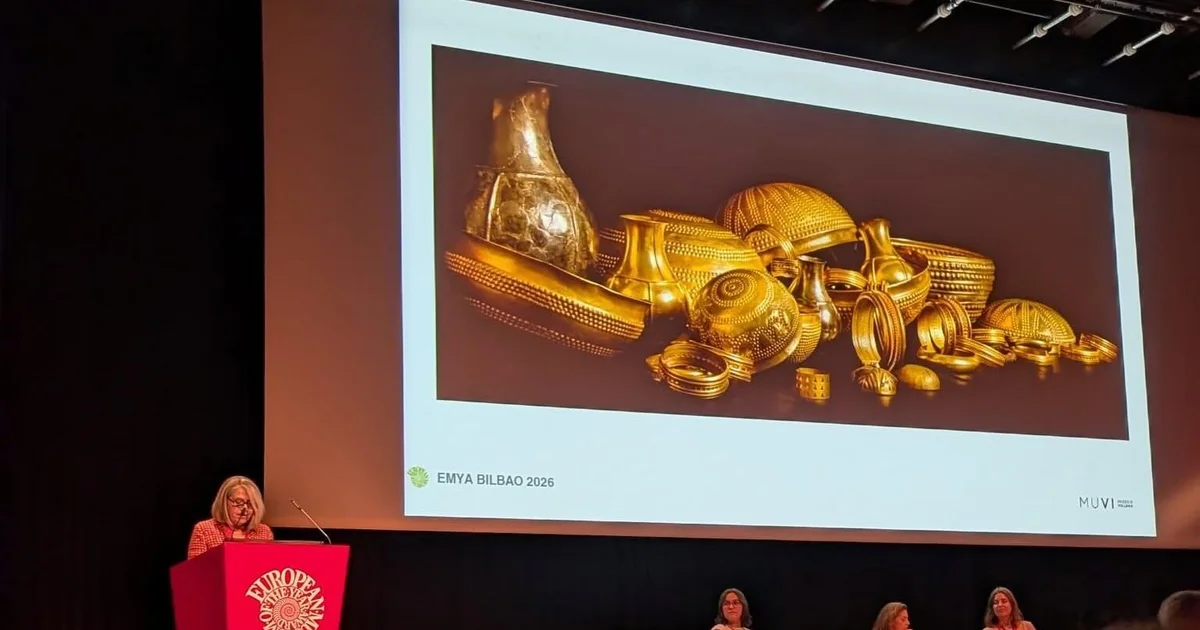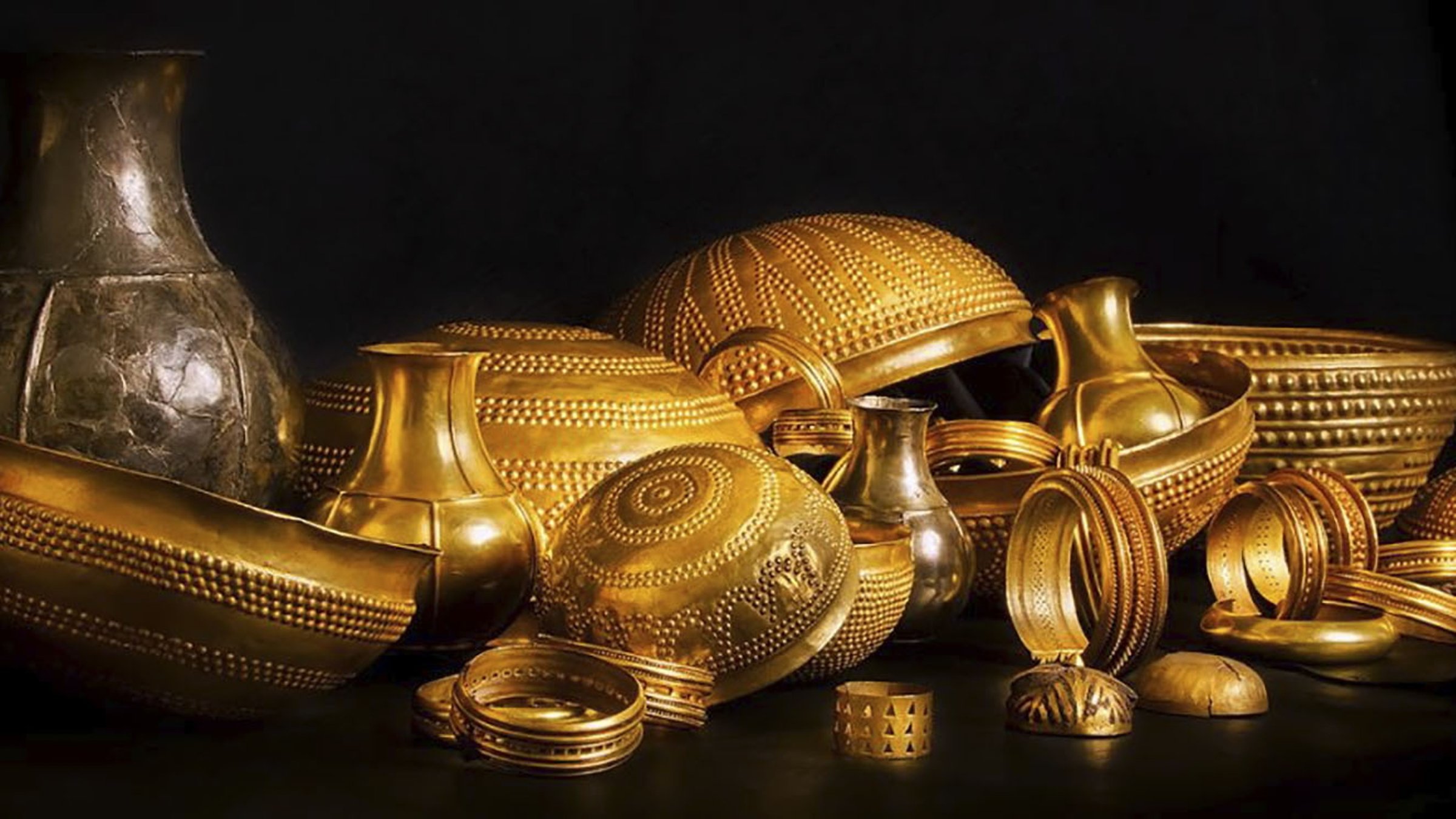
A collection of 3,000-year-old bracelets, bowls, bottles and other pieces made mostly of gold was stolen from a museum in the medieval Spanish town of Villena in a matter of minutes.The treasure, discovered in 1963, dates from the Bronze Age, about 1,000 BC. It is considered to be one of the world’s most important collections of gold pieces from that time, along with objects found in the royal tombs of Mycenae, Greece. Golden pieces from other periods were also stolen.“We are absolutely devastated – I’m shaking as I speak,” said Fulgencio Cerdán, mayor of the town near Alicante, in the Valencia region. “This is part of our heritage.”Spain’s Civil Guard are investigating the heist, executed in the early hours of Thursday, and believed to have been carried out by professional thieves. The incident follows a string of similar thefts in museums in Spain and other countries, including a high-profile robbery at the Louvre last year, when historic French crown jewels were stolen.Police were alerted at 5:23am, when the alarm of the local sports centre went off, Cerdán said during a news briefing. A few minutes later, a second alarm was triggered, this time at the museum. The thieves arrived in two cars and entered through one of the museum’s windows.They took the valuable objects within three to four minutes. As they rushed on their way out, they dropped a small golden crown that belonged to a statue of the “Christ Child”, Cerdán said. The gold that the objects were made of is estimated to be worth up to €1.7 million, but their historic relevance makes them invaluable, he said.“We can’t reach any conclusions, but we have all the images,” said Francisco Poyato, a chief colonel of the Civil Guard. “We know there were several people, several vehicles, and we are analysing all the information.”Last October, thieves broke into the Louvre Museum in Paris in broad daylight, escaping in less than eight minutes with jewellery worth €88 million. There have since been a series of brazen raids in institutions across Europe.Four works “of extraordinary value” by Renaissance artist Antonello da Messina were stolen from a museum in Sicily, Italy’s culture ministry said last Sunday.Two days earlier, Italian police said they had recovered paintings by Renoir, Cézanne and Matisse worth almost €10 million which were stolen from the Magnani-Rocca Foundation Museum near Parma.In a report published at the start of the week, the EU police agency Europol said member states had detected a recent shift “towards violent and forceful methods” that could point to the involvement of new criminal networks focused on specific cultural artefacts.“Some thieves apprehended in recent cases appear to co-ordinate their efforts on an ad hoc basis, often recruited locally through social media and instant communication channels, without prior connections to each other,” the report said. [ Plotting an art heist? You’ll need a high-vis vestOpens in new window ]“This differs from the usual structure of criminal networks involved in cultural goods trafficking, which typically operate in a core group organised around a leader.” – Bloomberg and agencies
Bronze Age treasure stolen in four-minute Spanish museum heist
Local mayor ‘absolutely devastated’ as invaluable gold artefacts of worldwide importance stolen
509 words~2 min read