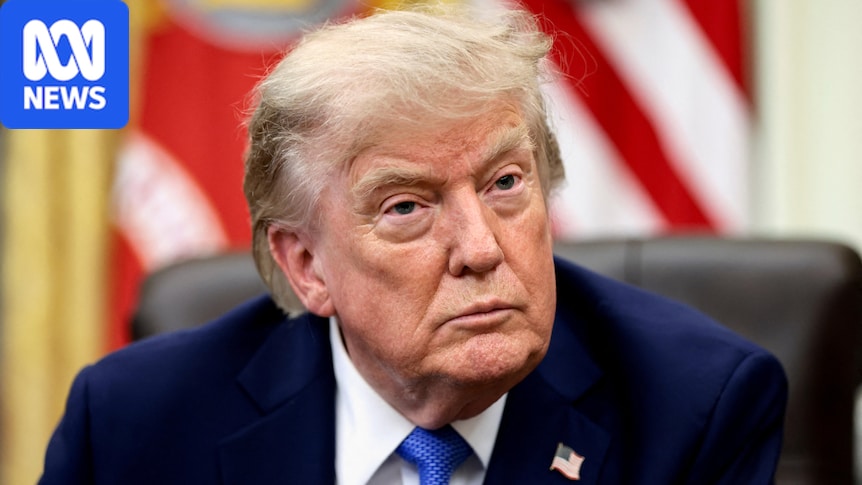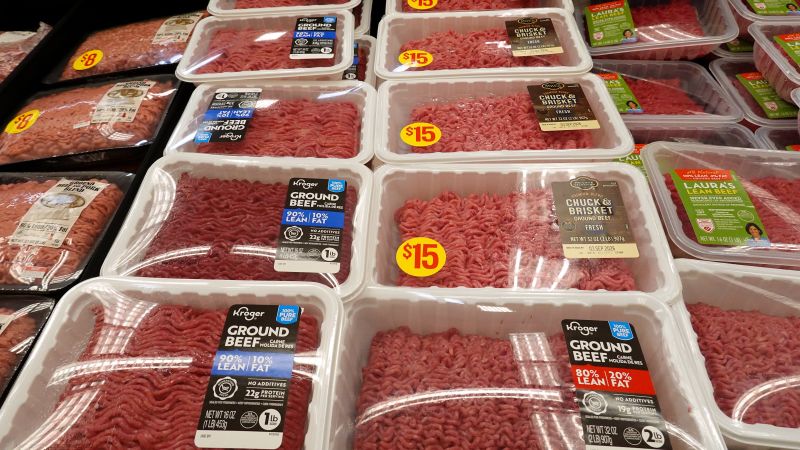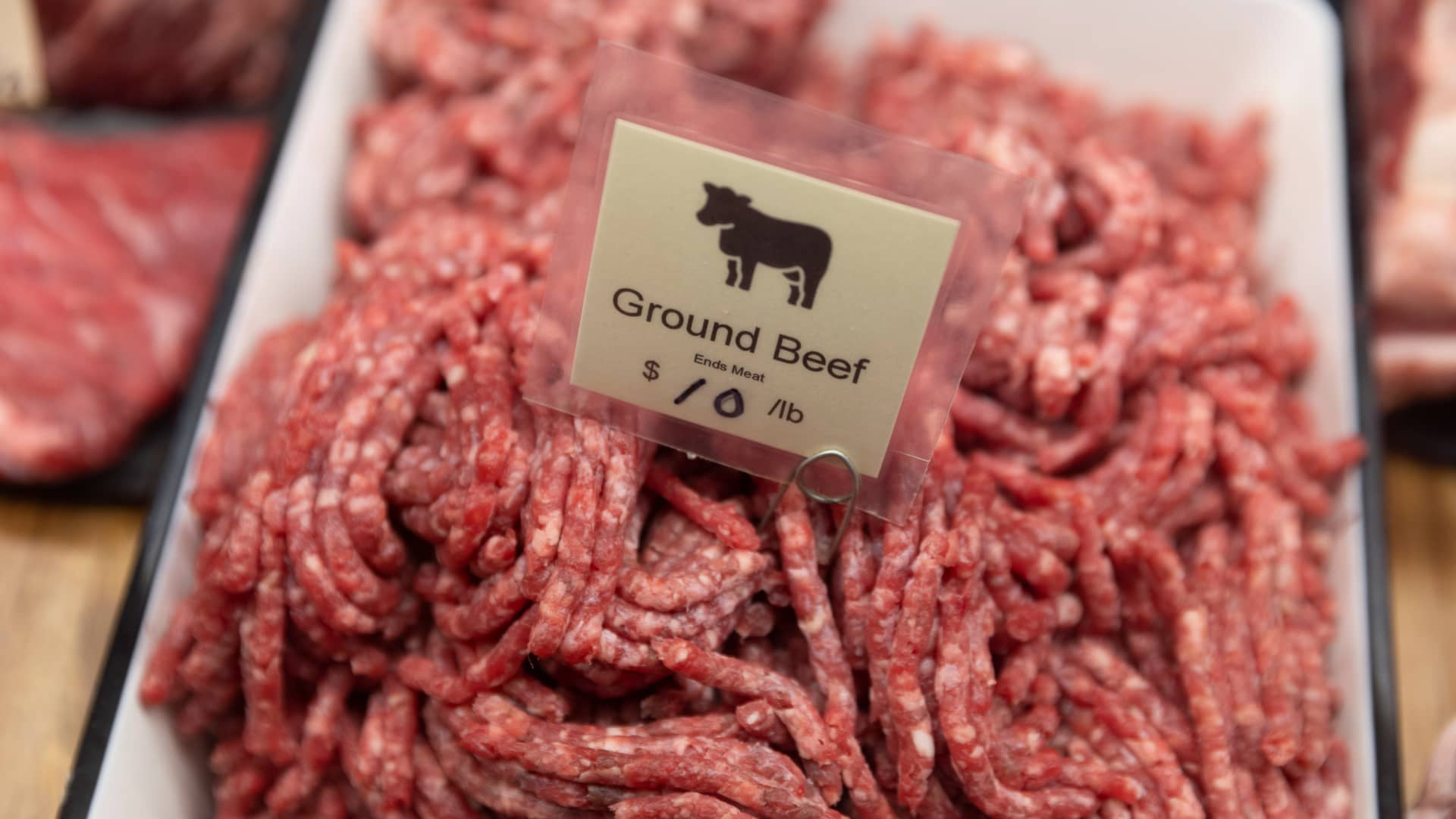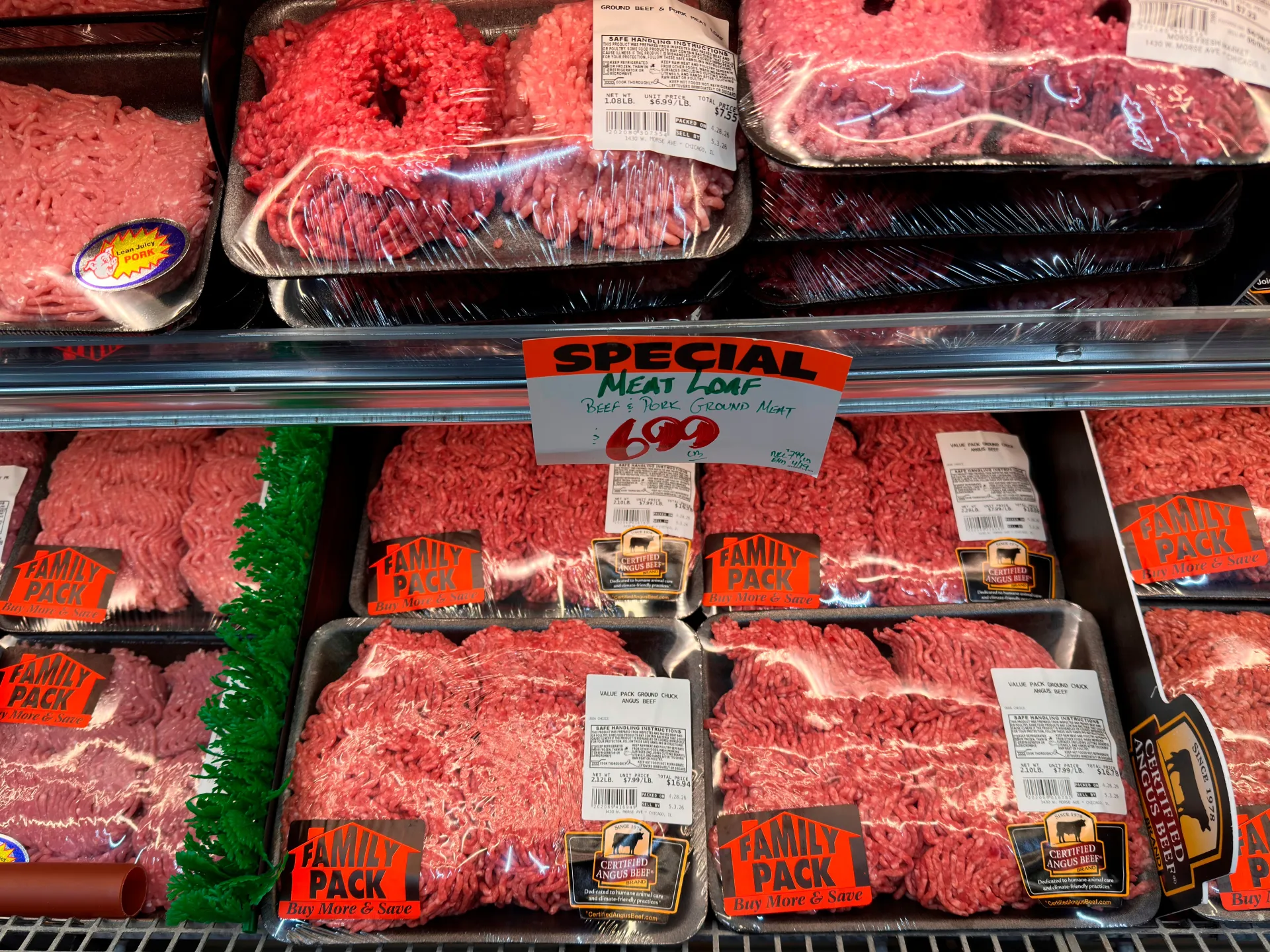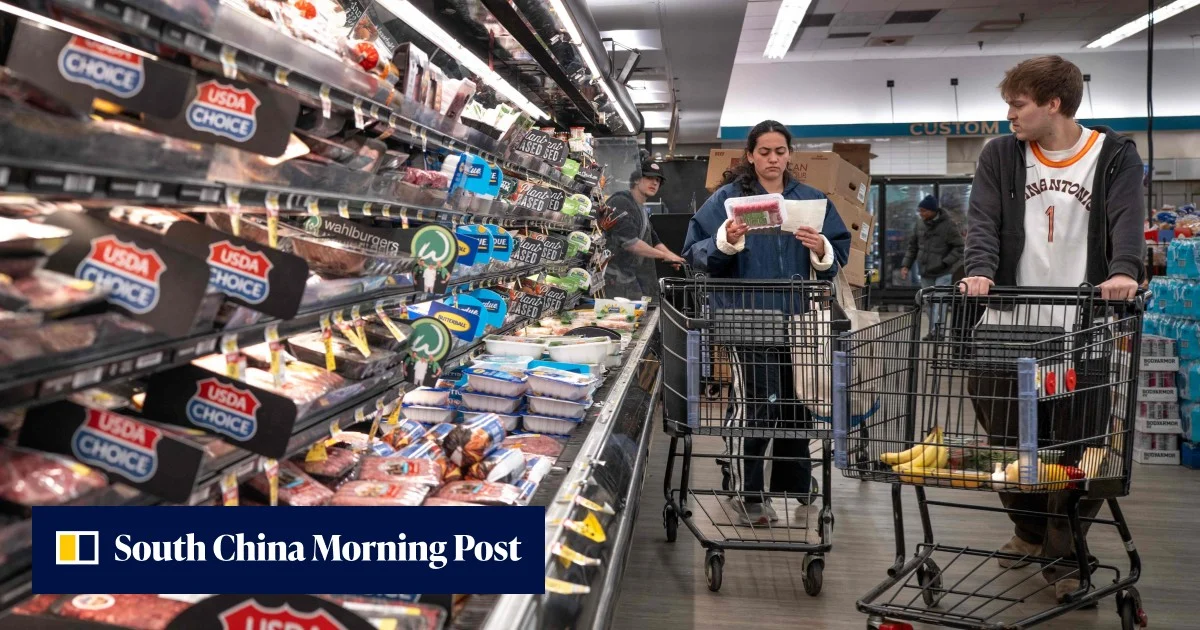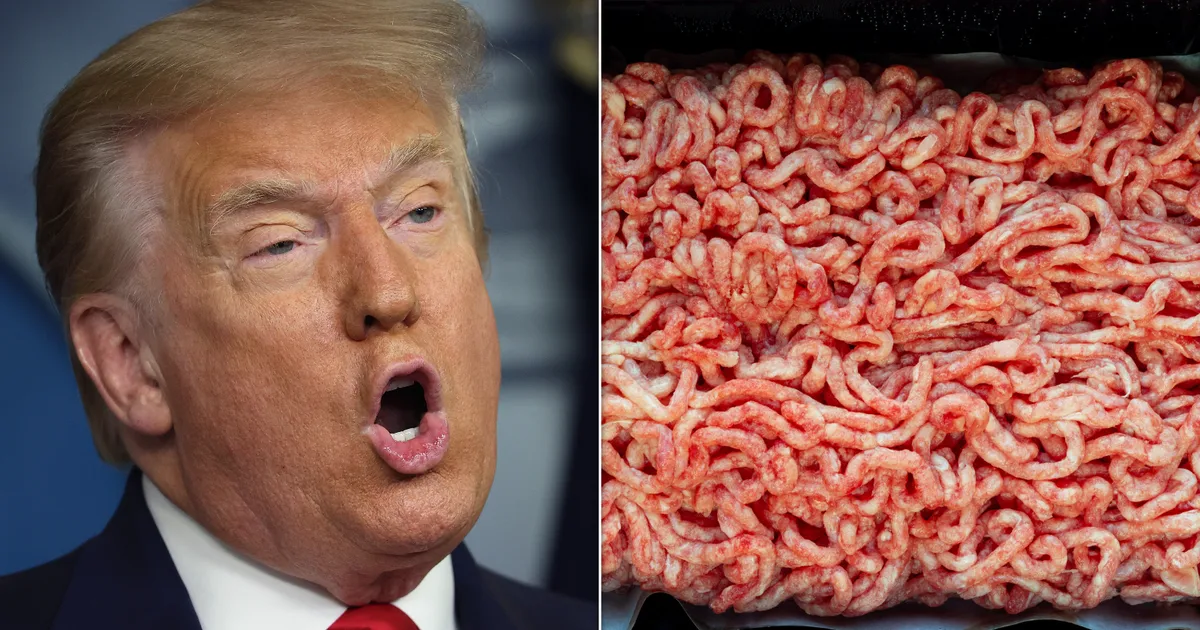
The Trump administration’s plan to temporarily lower tariffs on imported beef is raising questions about what this means for Americans — and whether this is even safe. In a Truth Social post shared on Friday, President Donald Trump said his plan would allow up to 300,000 metric tons of ground beef to be imported into the U.S. free of an out-of-quota tariff in an effort to “reduce prices for Americans.” The beef will be sold at 25% below current market prices, Trump wrote. But the United States Cattlemen’s Association pushed back, with the organization president, Justin Tupper, suggesting in a statement that imported beef “does not have to live up to the same standards or any of the things that we go by here in this country.”The back-and-forth comes on the heels of a summer that’s been besieged by foodborne illness outbreaks and recalls. As a result, many people have questions about safety, along with where this beef is even coming from. Some have even referred to the imported meat as “Temu beef” on social media. But livestock economists and food safety experts say that’s not exactly the case. subjug via Getty ImagesThe U.S. does not currently have mandatory country of origin labeling for beef, which means you often won’t know where your beef comes from unless a company volunteers this information.Where is this beef coming from?That’s unclear at this point. The president and administration officials have not yet revealed which countries will see reduced tariffs, with Trump telling reporters on Aug. 21, “I don’t wanna say.”But livestock economists have a few theories.“The majority of the 300,000 metric tons — 661.4 million pounds — would come from countries we are already importing beef from such as Australia, New Zealand, Brazil and Argentina,” said Andrew Griffith, a livestock economist and professor at the University of Tennessee. “There could be some from other countries, but these will be the primary sources.”David L. Ortega, professor and chair of Food Economics and Policy at Michigan State University, also lists off Australia, New Zealand and Brazil as possible suppliers that would see reduced tariffs. But Ortega also notes this doesn’t involve all beef sold in the U.S.“The measure applies specifically to imported lean beef trimmings used to make ground beef, not to beef imports broadly,” he said. Ortega points out that the U.S. “already imports a notable amount of lean trimmings” from these countries, suggesting not much will change. Will it be safe to eat?While it’s easy to panic and assume imported beef isn’t as high quality as American beef, experts say claims of “Temu beef” are overblown and incorrect.“Imported beef sold in the U.S. comes from countries whose meat-inspection system the United States Department of Agriculture considers equivalent to ours, and shipments are reinspected when they arrive,” Ortega said.Darin Detwiler, author of the book “Food Safety: Past, Present, and Predictions” and a professor at Northeastern University, stressed this: “Geography itself is not a food-safety hazard.”Imported beef must also meet equivalent safety standards as American beef, Detwiler said. “Countries exporting meat to the United States do not necessarily have to use precisely the same inspection procedures or regulatory structure that we use domestically,” he said. “USDA’s Food Safety and Inspection Service (FSIS) must, however, determine that the foreign inspection system provides an equivalent level of public-health protection.”Imported meat needs to be reinspected when it enters the U.S., Ortega said. “That provides an additional federal safeguard before imported meat enters U.S. commerce,” Detwiler said. But Detwiler flags a recent recall of about 30,000 pounds of Argentine beef as a concern that these safeguards don’t always work. The beef was imported “without the benefit of important reinspection,” per a FSIS announcement. “We should not tell consumers that this proves Argentine beef was contaminated or unsafe,” Detwiler said. “What it does demonstrate is that a regulatory safeguard that was supposed to occur did not occur.”The U.S. imports billions of pounds of beef each year, so this isn’t a new thing.“Beef sold in the U.S., whether domestic or legally imported, is safe to eat,” Ortega said. “Consumers should not assume that imported beef is less safe simply because it’s imported.”Griffith agrees. “The United States has been importing beef for many years, and there is no reason to think removing a tariff barrier will change that,” he said. How to know where your beef comes from.This can be difficult.“The U.S. does not currently have mandatory country of origin labeling for beef,” Ortega pointed out. As a result, you often won’t know where your beef comes from unless a company volunteers this information. Because most of the imported beef is lean grinding beef and not a cut of meat, “ground beef products tend to have beef from multiple animals from multiple locations,” Griffith said. Meaning this is most likely to impact products like burgers and meatballs.“It is unlikely the general public will know the beef in their hamburger has both U.S. beef and Australian beef in the same bite,” Griffith said. If you’re concerned, Detwiler suggests looking for products at the grocery store that provide country of origin information.“But consumers do not always have the same visibility once beef moves into restaurants, food service or further-processed foods,” he said.
Trump Is Importing 'Temu Beef' To Lower Grocery Prices — Here’s What To Know If You Eat Ground Beef
Economists and food safety experts break down what American carnivores need to know.
868 words~4 min read