Published August 27th, 2026 - 17:56 GMT
Highlights
The decision represents a significant escalation in Trump's confrontation with America's northern ally. Trump had already threatened to rename the lake earlier this week, saying the United States did not expect to be “doing much business with Ontario
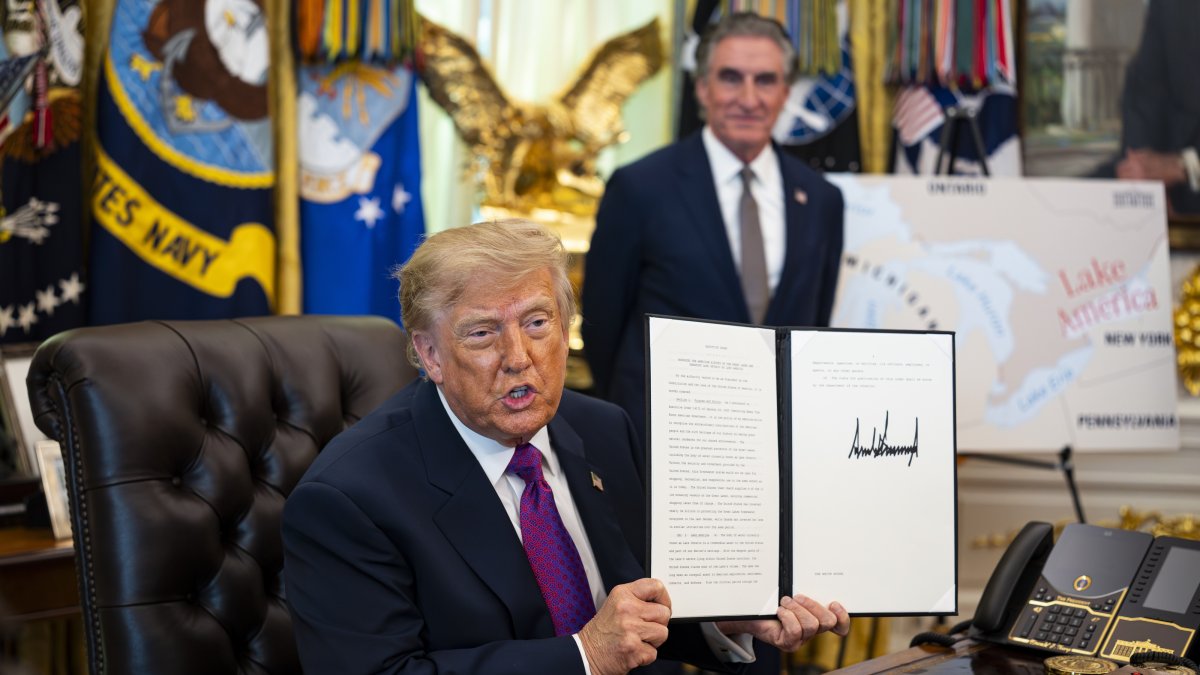
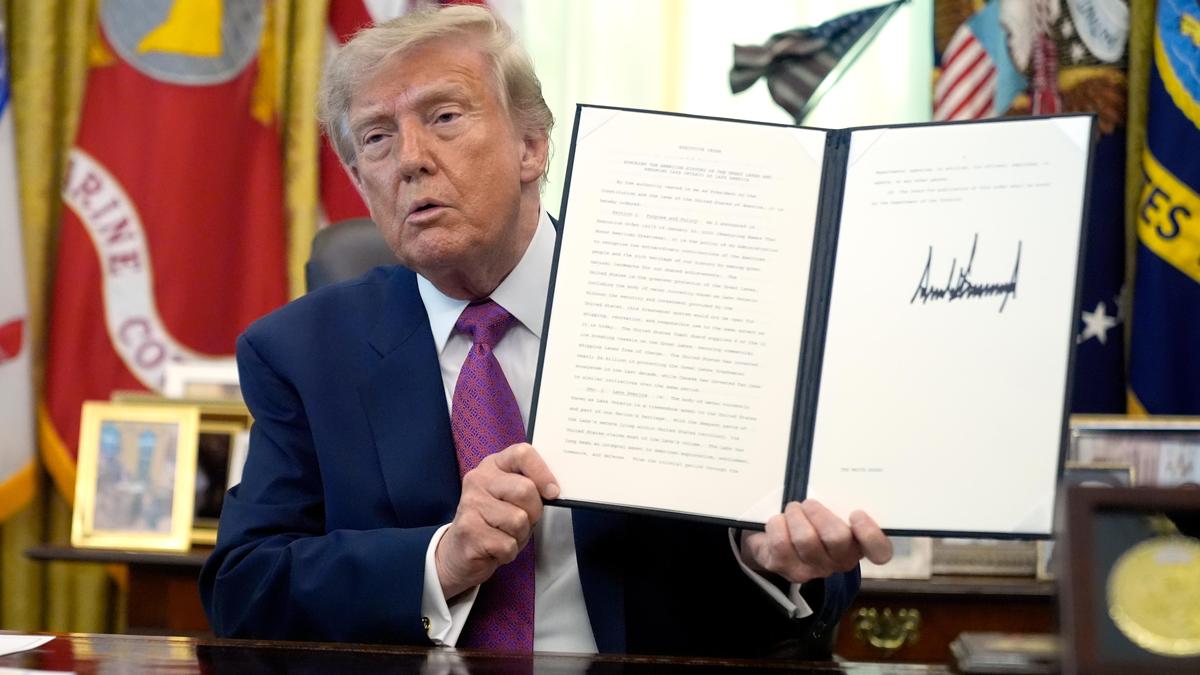
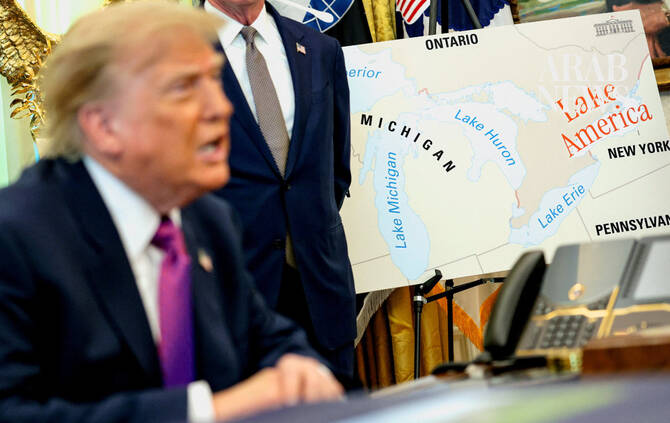
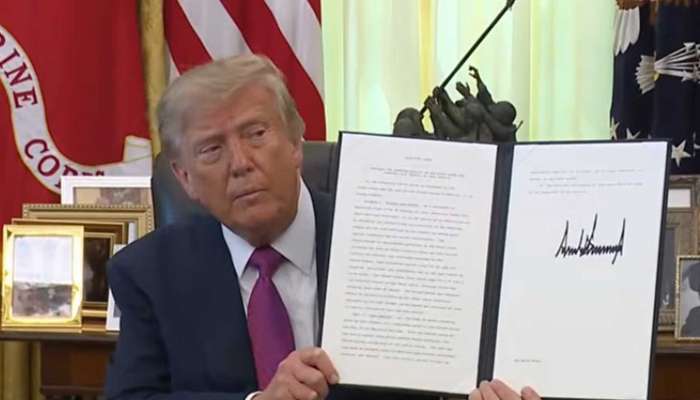
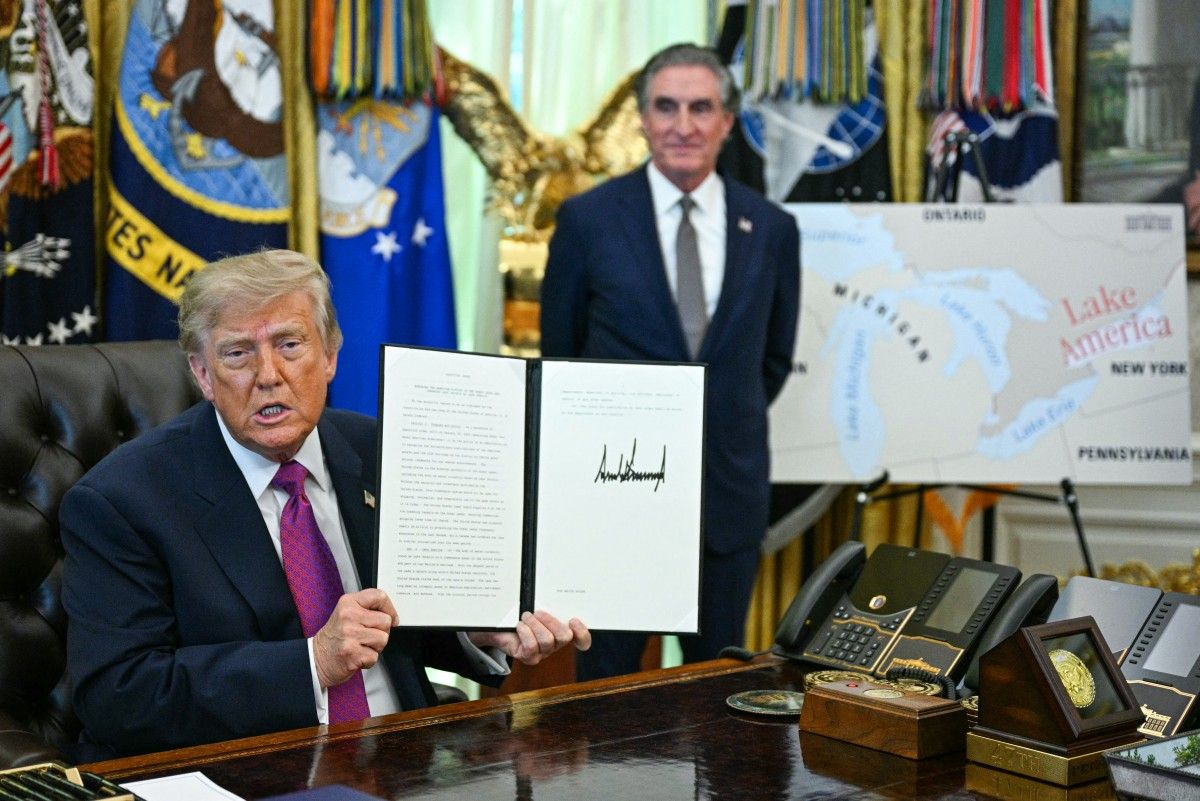
ALBAWABA- U.S. President Donald Trump has signed an executive order renaming Lake Ontario “Lake America” in U.S. federal usage, escalating an already bitter confrontation with Canada that has moved from trade and tariffs into an increasingly symbolic dispute over sovereignty, national identity and the shared Great Lakes. The order, signed Thursday, directs the U.S. Department of the Interior and the U.S. Board on Geographic Names to implement the new name within 30 days and remove references to Lake Ontario from the U.S. Geographic Names Information System.Trump justified the move by arguing that the lake is an important American economic, historical and strategic resource. The executive order highlights U.S. investment in the Great Lakes, including Coast Guard icebreaking operations, and argues that the lake has played a central role in American commerce, defense, energy and settlement. It also notes that Lake Ontario is shared by New York and the Canadian province of Ontario. The order, however, does not change the name used by Canada. Lake Ontario is a shared international body of water, and the U.S. government can change its own federal naming conventions but cannot compel Canadian authorities to adopt the new name. Canadian officials have made clear that Ottawa will continue to call it Lake Ontario. 🚨 BREAKING: @POTUS signs an Executive Order renaming Lake Ontario as Lake America.Here is the text of the Order:By the authority vested in me as President by the Constitution and the laws of the United States of America, it is hereby ordered:Section 1. Purpose and Policy.… pic.twitter.com/ggfLXiD0g7— Rapid Response 47 (@RapidResponse47) August 27, 2026 The decision represents a significant escalation in Trump's confrontation with America's northern ally. Trump had already threatened to rename the lake earlier this week, saying the United States did not expect to be “doing much business with Ontario any longer” as trade relations deteriorated. The executive order turns that threat into official U.S. policy. The move comes after the collapse of intensive U.S.-Canada trade negotiations and Washington's imposition of tariffs of up to 50% on Canadian goods. Canada responded with a dollar-for-dollar package of retaliatory tariffs covering more than 700 U.S. products, including steel and aluminum, clothing, appliances, food products and other consumer goods. The measures are scheduled to take effect September 8. Ottawa has also announced a C$7.5 billion support package for workers and businesses affected by the trade dispute. Prime Minister Mark Carney has adopted a considerably more confrontational posture toward Washington while keeping the door open to negotiations. His government has described the U.S. tariff campaign as an unprecedented challenge to Canada and has emphasized economic sovereignty, diversification of export markets and reducing Canada's dependence on the United States. Carney has also rejected any agreement that would require Canada to compromise its sovereignty or accept a deal on Washington's terms.Canadian Industry Minister Mélanie Joly delivered an equally direct response to Trump's renaming threat, saying Canadians would “always call it Lake Ontario.” She said Canada would remain “smart” and “strategic” while defending its interests and “fight back.” Ontario Premier Doug Ford has also rejected the move, framing the dispute as a matter of Canadian sovereignty. Ford said he could not “roll over” when Washington attacks Ontario's businesses and people, while also calling for a negotiated settlement that would reduce the economic damage on both sides.The confrontation is particularly consequential because the United States and Canada are bound by a deeply integrated economic relationship and longstanding trade arrangements. The current dispute has raised broader questions about the reliability of established agreements and whether Washington under Trump is prepared to use tariffs and other forms of economic pressure even within a framework of negotiated trade commitments. The White House, for its part, maintains that the tariffs are justified by what it considers unfair Canadian trade practices. The symbolic renaming of a lake shared by the two countries therefore goes beyond a dispute over geographical terminology. Coming amid Trump's repeated references to Canada as a potential 51st U.S. state and his escalating tariff demands, it has become another expression of Washington's increasingly coercive approach toward its closest neighbor. Ottawa's response, meanwhile, signals a determination to resist economic and political pressure while seeking to protect Canadian sovereignty and diversify its economic relationships.The Lake Ontario dispute thus adds a highly symbolic dimension to a trade war that is already threatening one of the world's most integrated bilateral economic relationships.