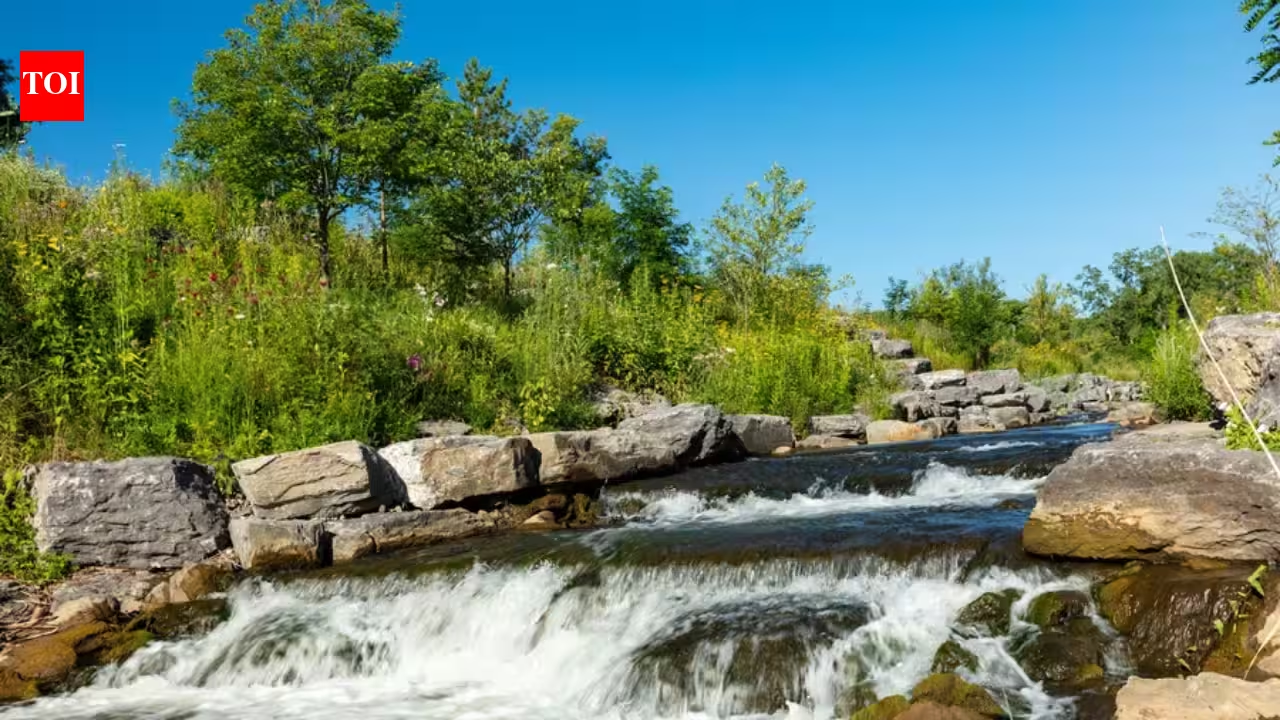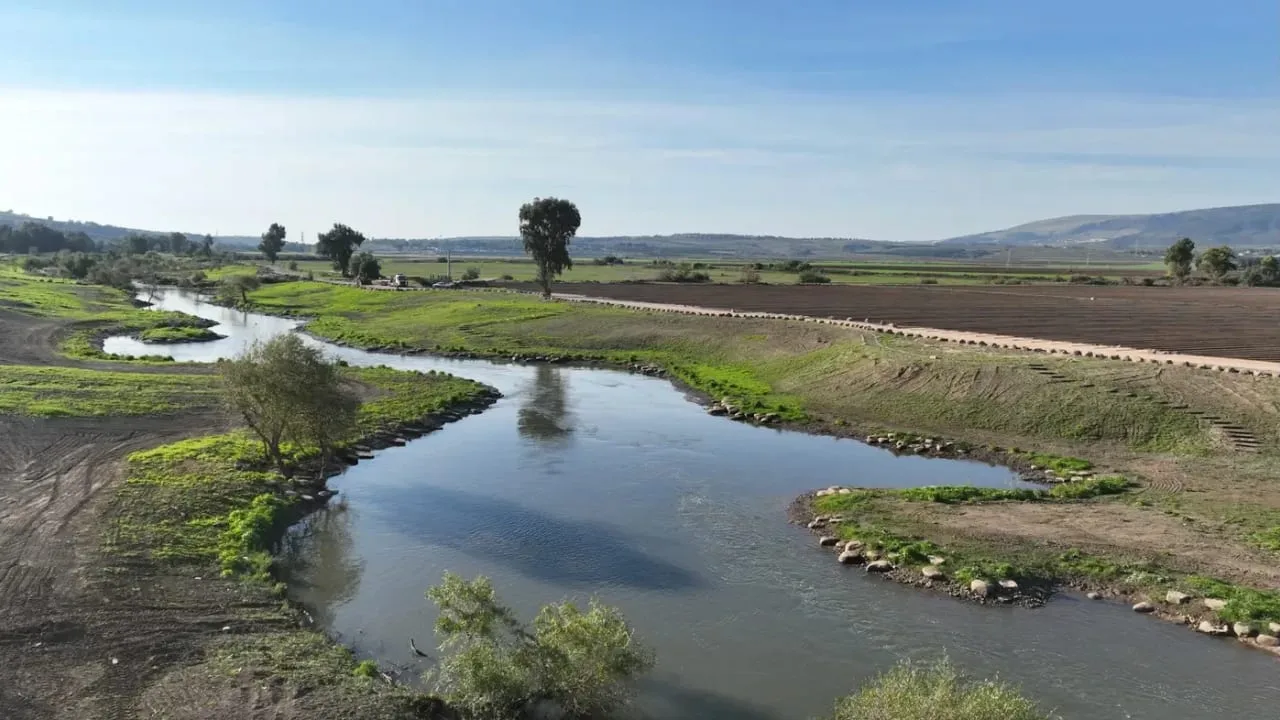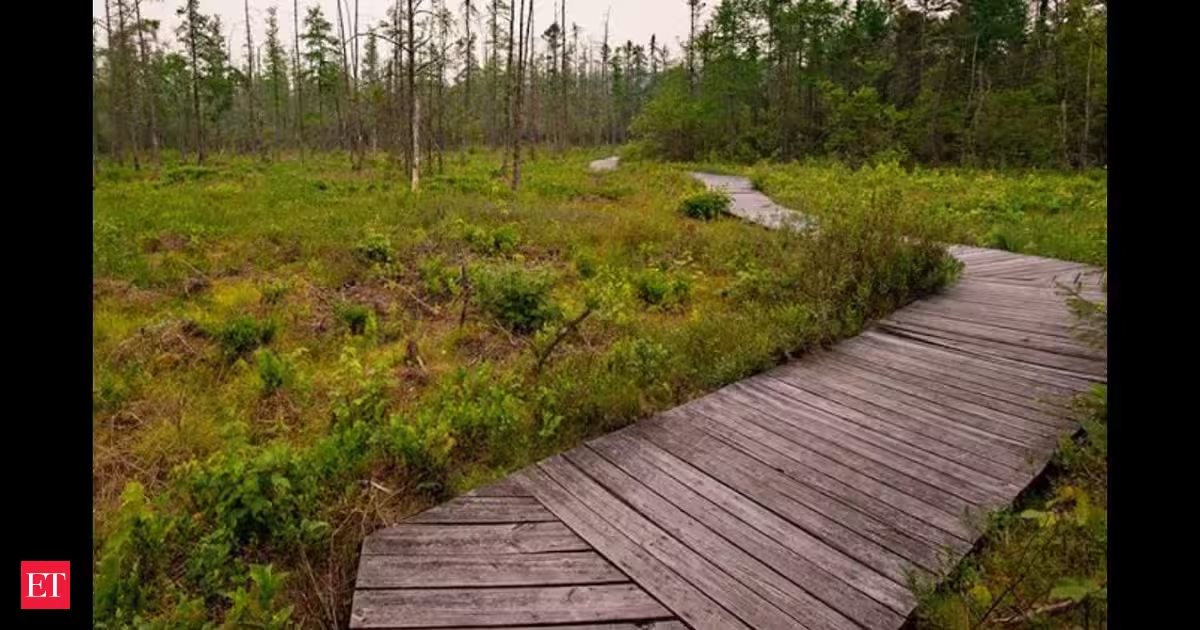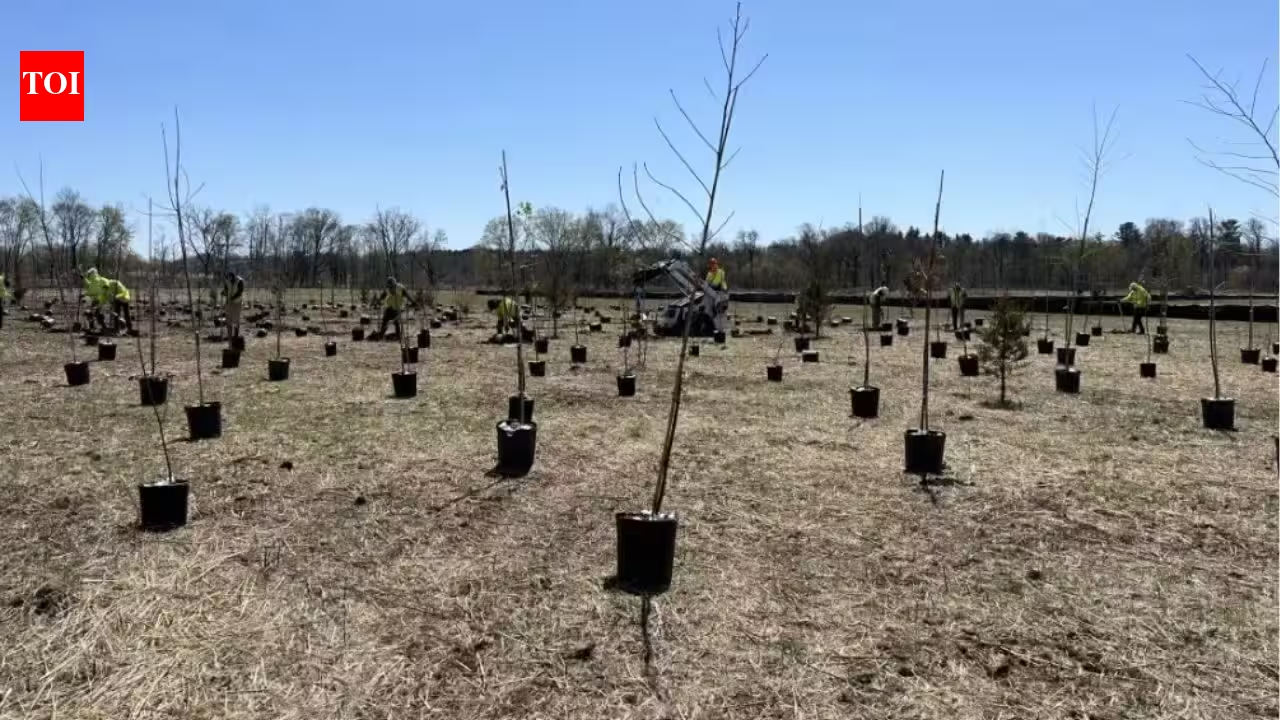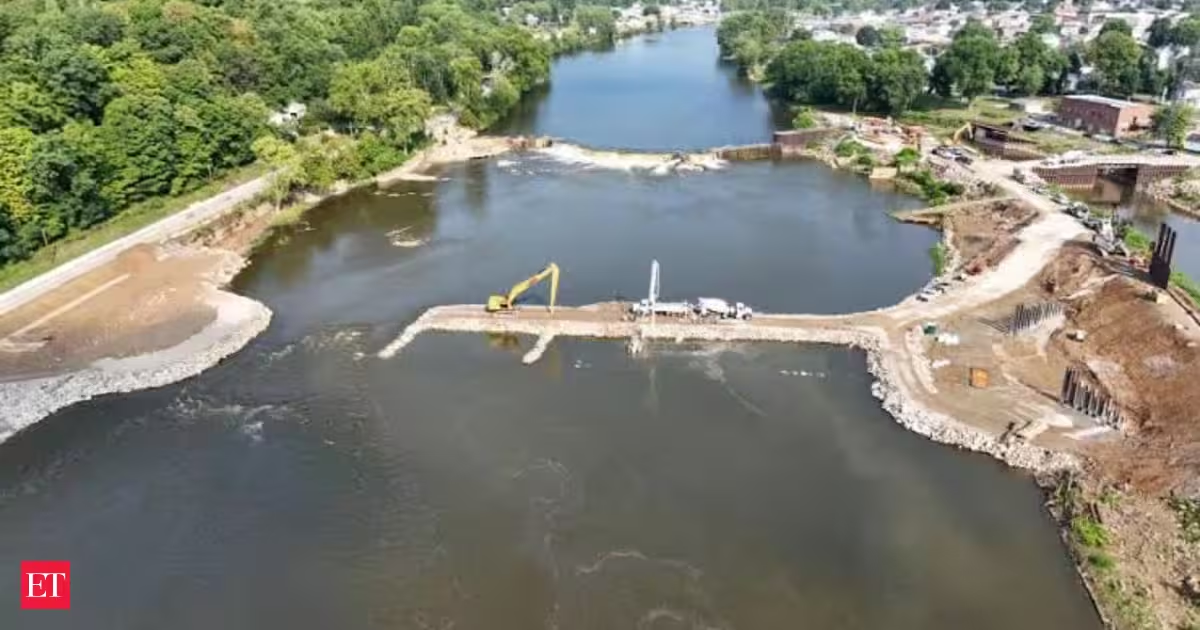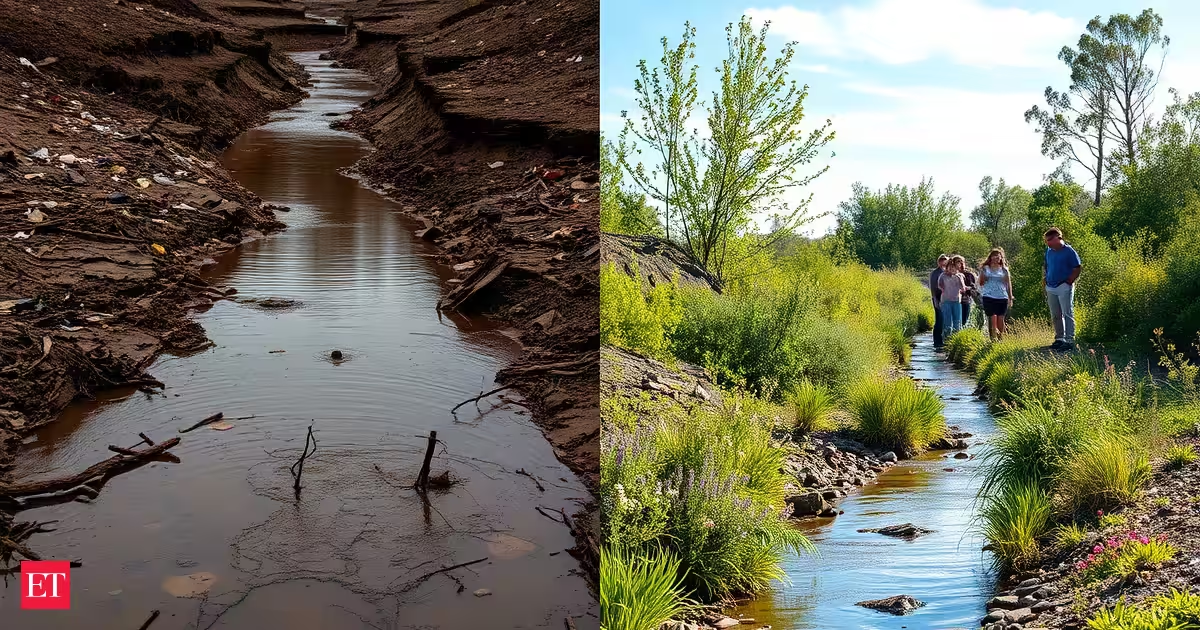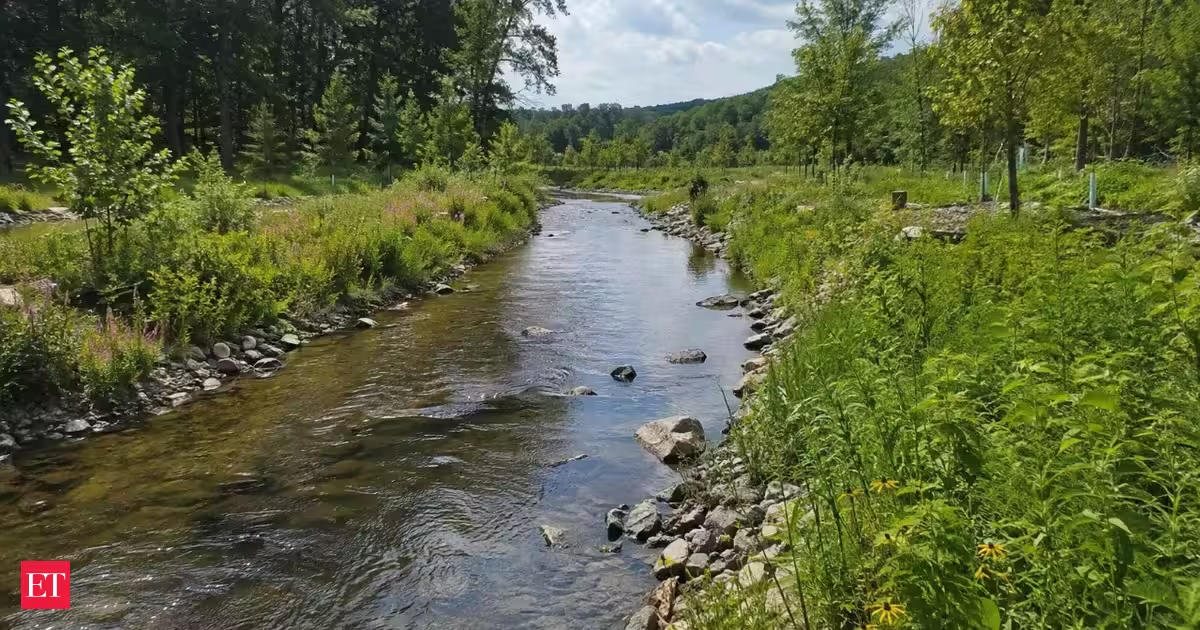
Restoring streams can involve reshaping waterways, improving habitat and strengthening the natural areas connected to them. Along Cherry Creek in northeastern Pennsylvania, a restoration project brought together conservation organizations, government agencies, universities and other partners to improve conditions in a section of the stream and its surrounding wetlands and floodplains.Restoring Cherry CreekCherry Creek flows through the center of the Cherry Valley National Refuge in northeastern Pennsylvania. A three-quarter-mile section of the creek runs through TNC’s Blakeslee Preserve. Following years of planning and delays caused by COVID, TNC started stream restoration work there in August 2022.The project was carried out in partnership with the U.S. Fish and Wildlife Service and the National Fish and Wildlife Foundation. Its goal was to enhance the diverse wetlands and floodplains in Cherry Creek, with a focus on water quality and aquatic habitat.Among the organizations involved were the U.S. Forest Service, East Stroudsburg University and the Academy of Natural Sciences, along with other partners.Their combined attempts were focused at implementing a cost-effective restoration while also monitoring its progress and ecological impacts.Reshaping the StreambankDuring construction, heavy equipment was used to reshape parts of the streambank. The work also involved relocating coarse woody debris within the stream.Coarse woody debris can include deadfall, shrub boles and large severed branches. Rather than simply being material left in or around a waterway, this wood can play an important role in how a stream functions.The improved structure made within the stream changes the movement of water and sediment. It also offers shelter for fish, amphibians and mammals.These changes can produce ecological advantages across riparian places, floodplains and stream channels, as well as for the organisms living within those environments.Learning From Natural Log JamsThe restoration work also included attempts to know how wood can be incorporated into streams in ways that resemble natural systems.In November 2022, TNC hosted a workshop focused on the role of wood in ecosystems. The workshop analyzed how log structures could be engineered to mimic the form and function of naturally occurring log jams.Participants also took part in a field trip during the workshop. They observed examples of large wood structures that had been positioned into the stream both by hand and with machinery.A Long-Term Restoration EffortThe Cherry Creek project followed years of planning before construction started in August 2022. The work at TNC’s Blakeslee Preserve brought together multiple organizations and areas of expertise to address the stream, its floodplains and surrounding wetlands.The restoration included physical changes to the streambank and the strategic use of coarse woody debris, while workshops and field observations helped explore how wood structures can replicate natural log jams.Through these combined efforts, the project was designed to improve water quality and aquatic habitat within the Cherry Valley National Refuge while strengthening the ecological connections among the stream, floodplains and riparian areas.Source: The Nature ConservancyFAQs:Q1. Where is Cherry Creek?Cherry Creek is located in northeastern Pennsylvania. It flows through the Cherry Valley National Refuge before emptying into the Delaware River.Q2. What was the Cherry Creek restoration project?The project focused on restoring a three-quarter-mile section of Cherry Creek through TNC’s Blakeslee Preserve. It was designed to improve water quality and aquatic habitat.
In 2022, researchers began work on a 3/4-mile Cherry Creek restoration in Pennsylvania. 4 years later, the stream has better habitat, cleaner water and healthier floodplains now
A restoration project along a three-quarter-mile section of Cherry Creek at TNCs Blakeslee Preserve in northeastern Pennsylvania began in August 2022 after years of planning and COVID-related delays. TNC partnered with the U.S. Fish and Wildlife Service, National Fish and Wildlife Foundation and other federal, state, academic and local organizations to improve wetlands, floodplains, water quality and aquatic habitat.
524 words~2 min read