The U.S. military is considering what units to cut and what to keep in Europe as part of the Trump administration’s rethink of force posture on the continent. But competing priorities could stymie the Defense Department’s ability to make the major drawdowns that some officials are pushing for.
On July 27, Pentagon policy chief Elbridge Colby announced the start of a six-month review of U.S. forces in Europe, meant to move “fast and irreversibly toward Europe taking primary responsibility for its conventional defense.”
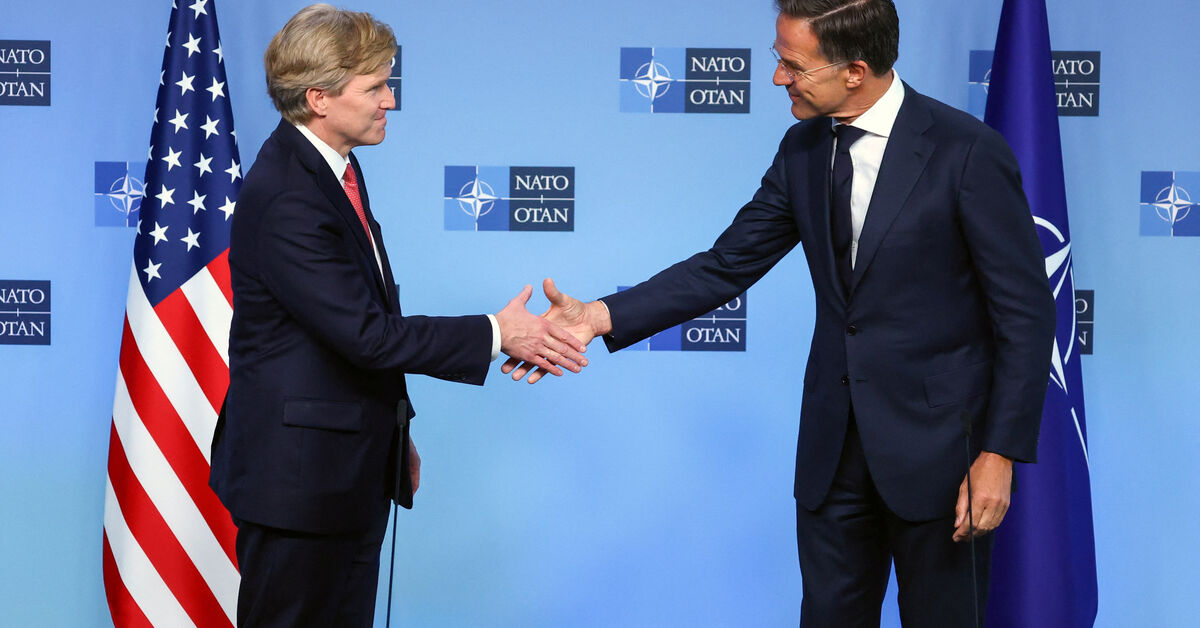
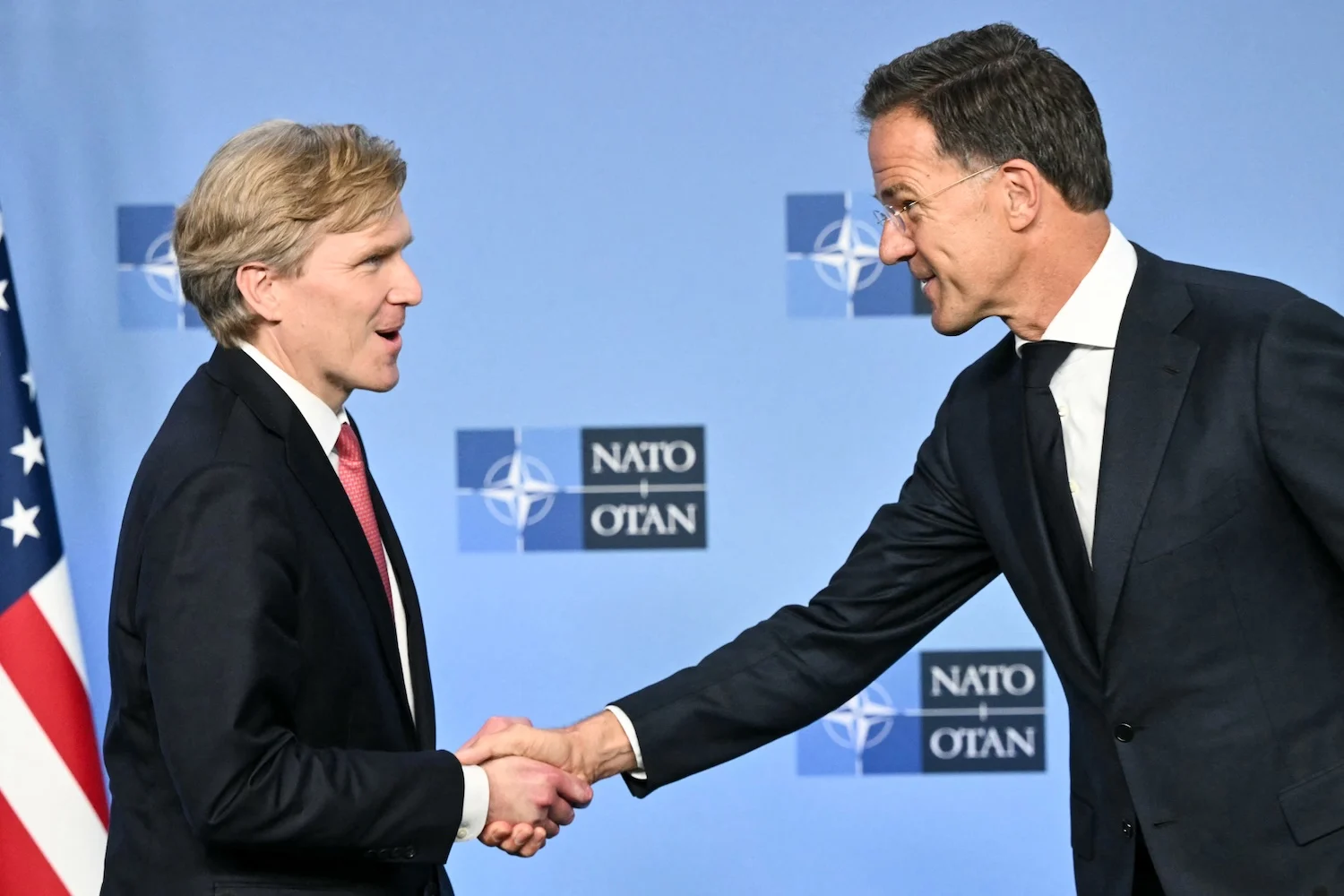
And this week, he traveled to Europe for meetings with NATO leaders and U.S. military personnel to discuss the plan, which he has dubbed “NATO 3.0.”
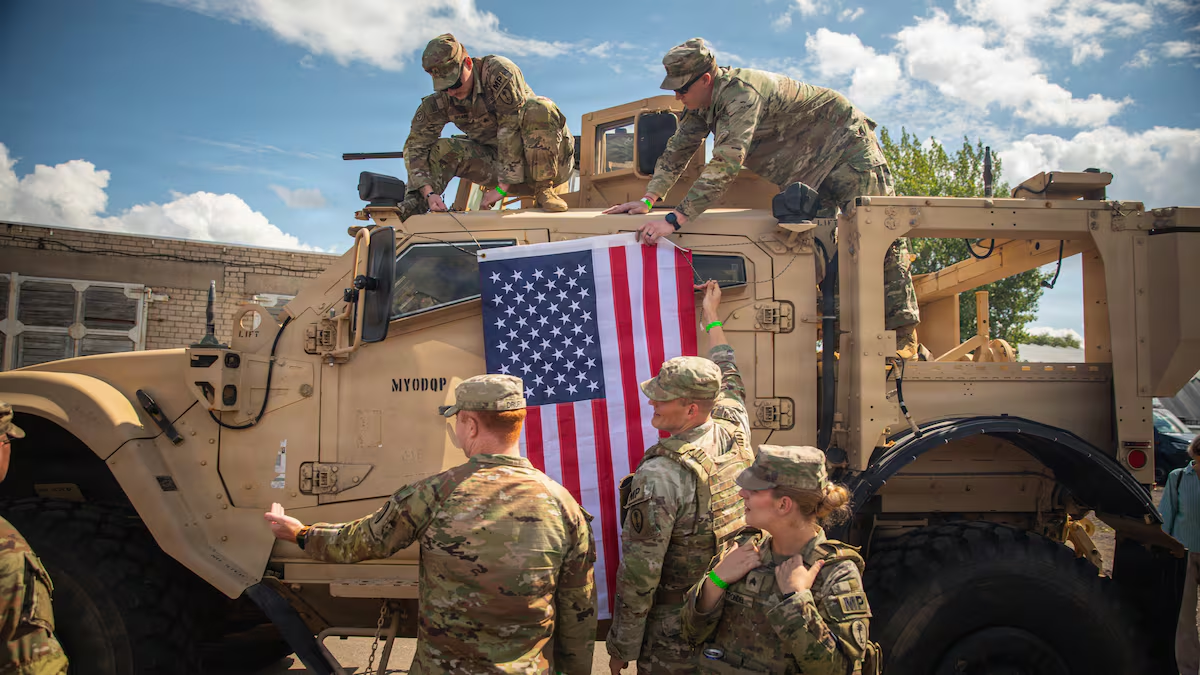
The United States keeps around 80,000 military personnel in Europe, nearly half of whom are stationed in Germany. Other countries hosting U.S. military personnel include the United Kingdom, Spain, Italy, Poland, Romania, Greece, and Estonia, among others.
That military presence is there to help protect the host countries, but it has also long served as a means for Washington to project power into Africa and the Middle East, via airfields, naval bases, or medical facilities that take care of wounded military personnel. The United Kingdom and Germany are particularly important for U.S. airpower, while Spain, where multiple U.S. naval destroyers are based, is important for sea power.