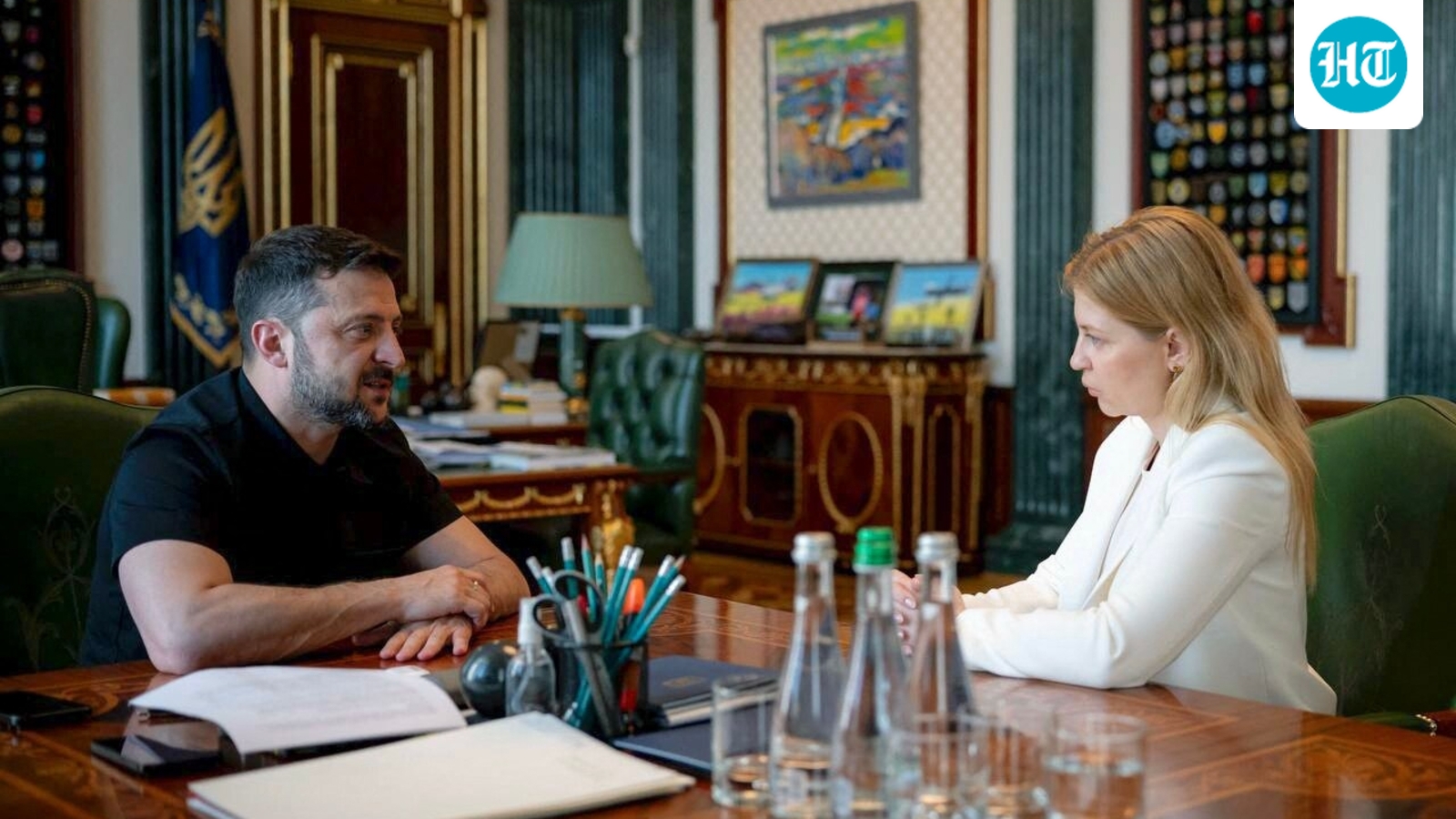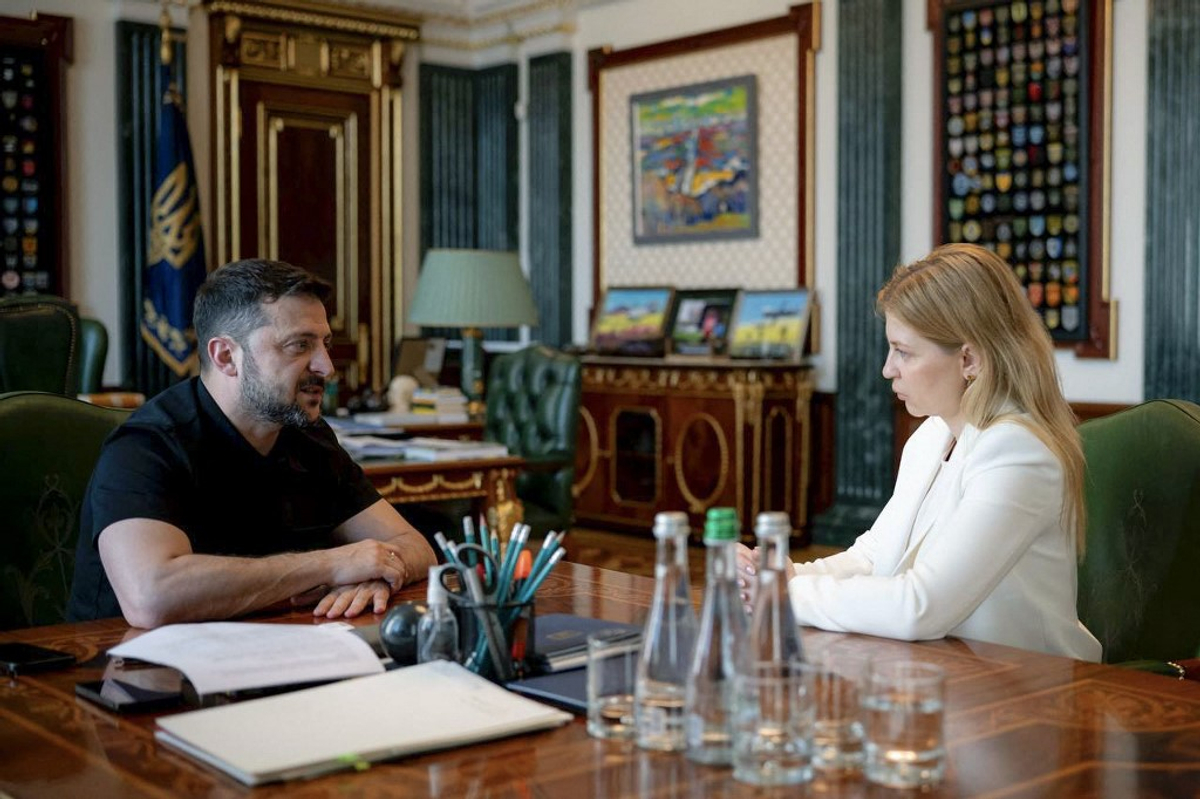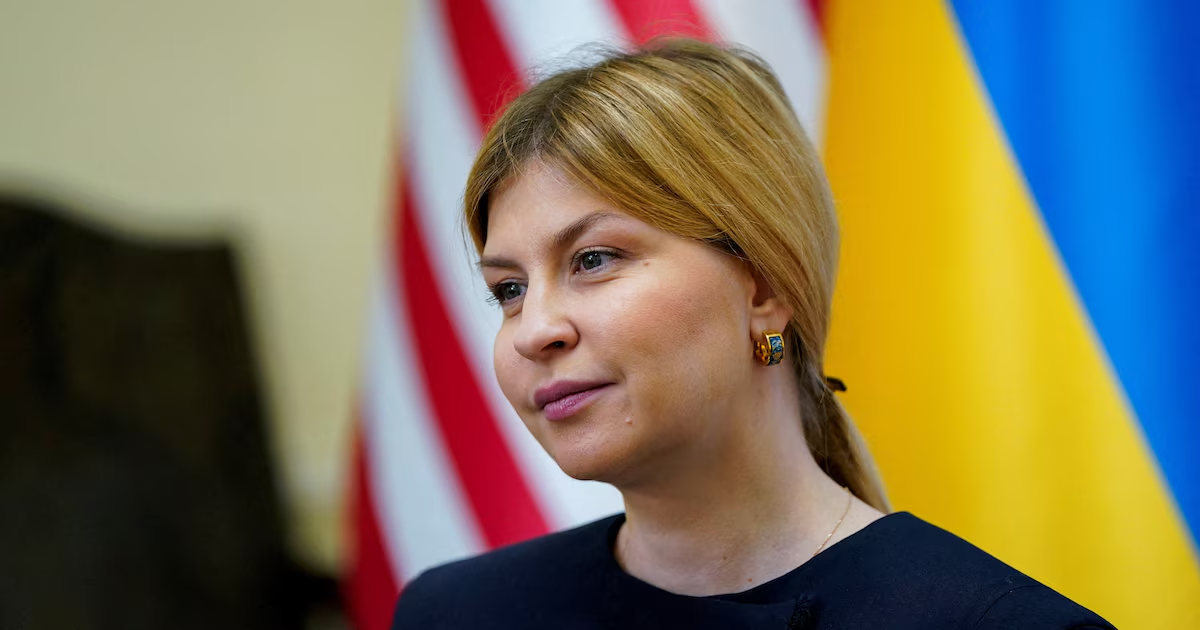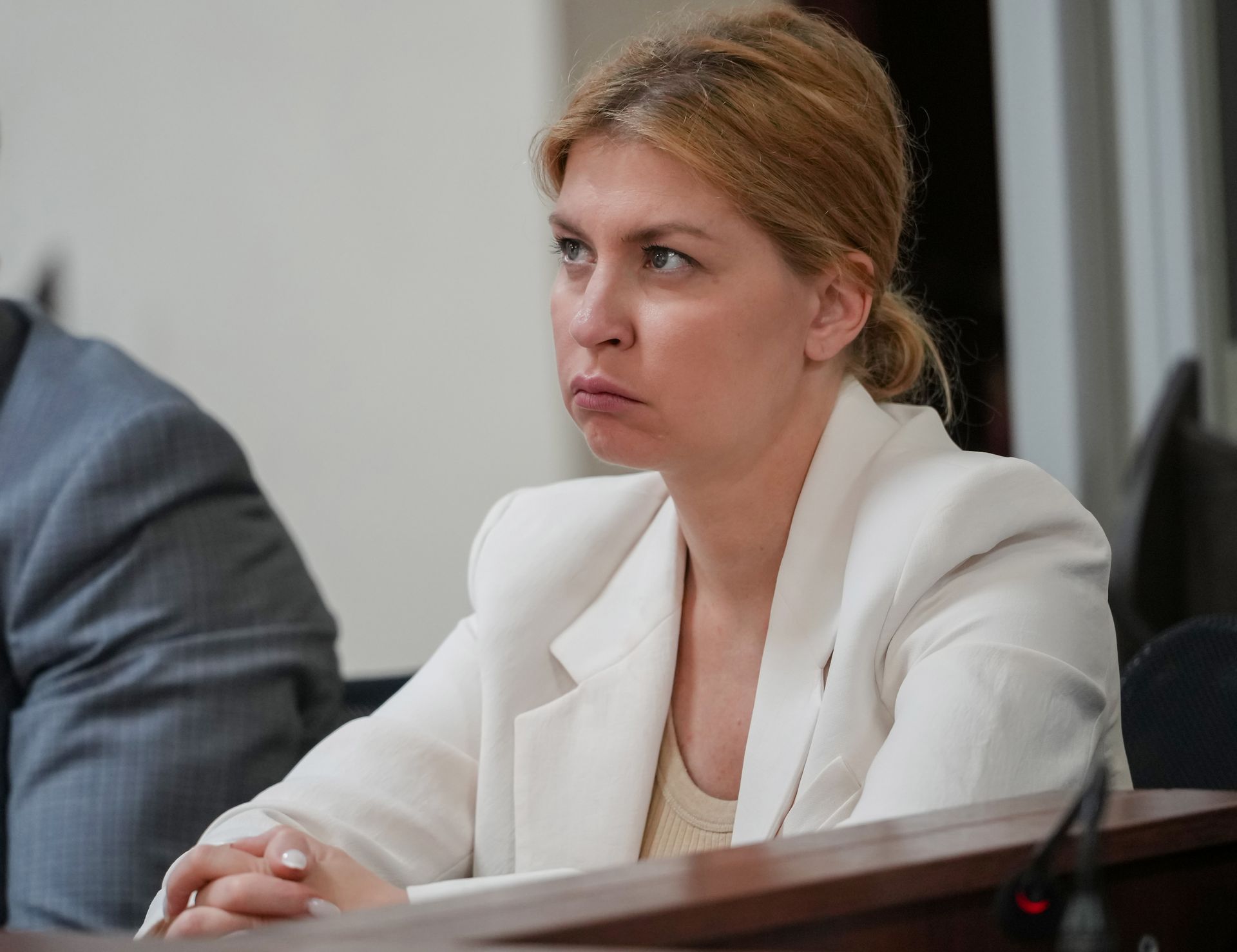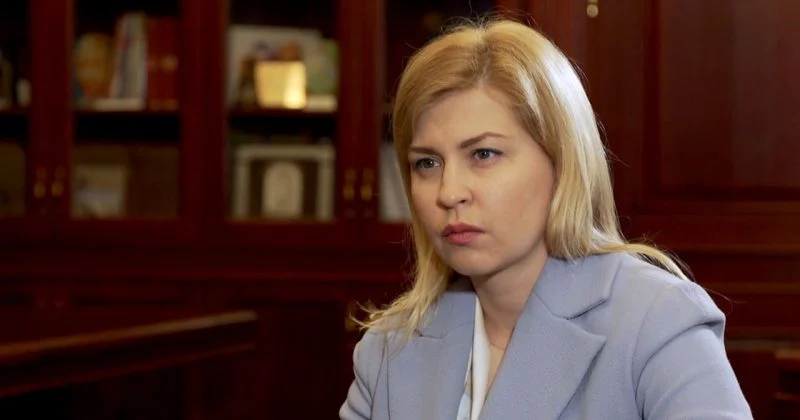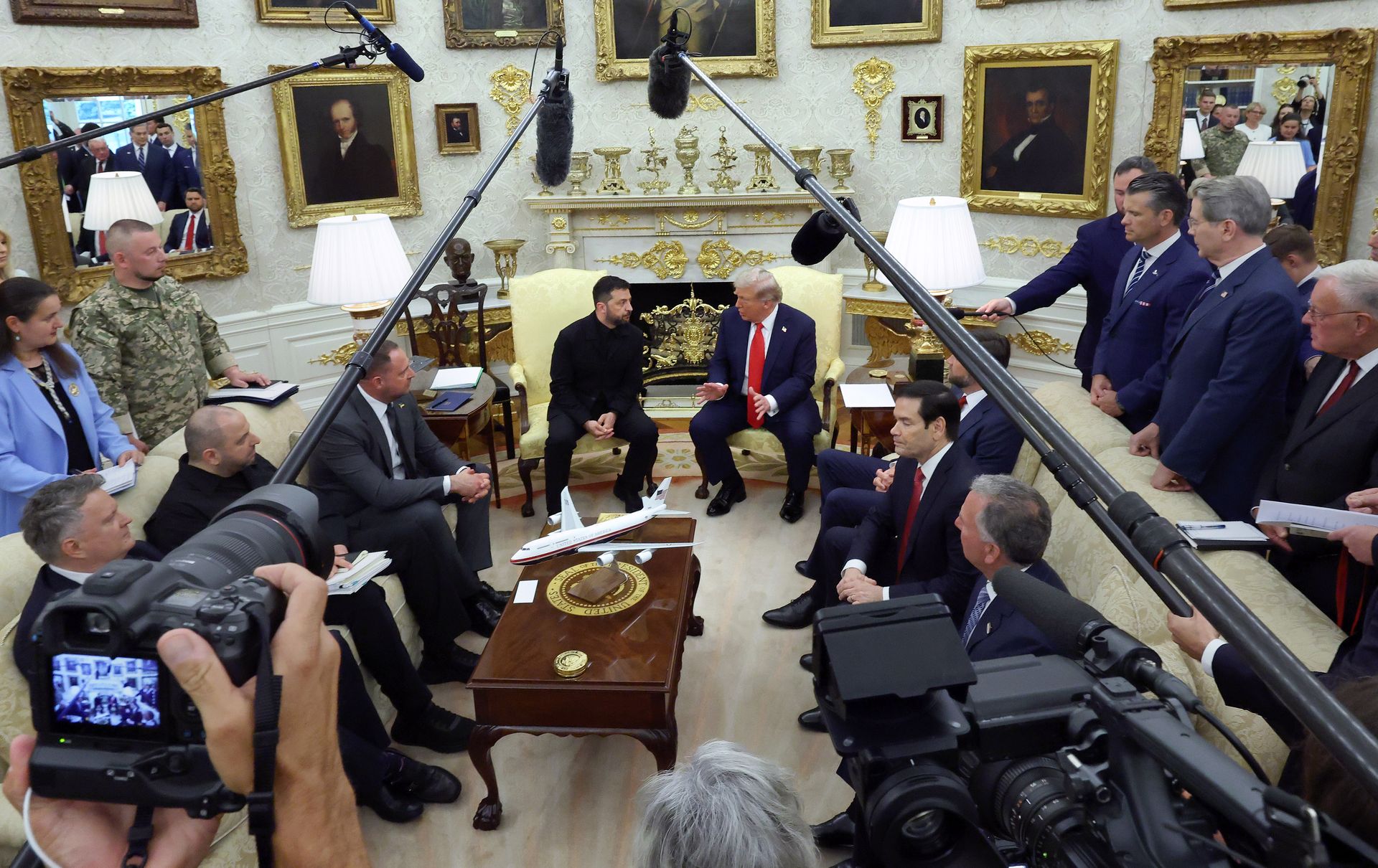
U.S. President Donald Trump (C-R) meets with President Volodymyr Zelensky (C-L) in the Oval Office at the White House in Washington, D.C., U.S. on Aug. 18, 2025. (Anna Moneymaker / Getty Images)Ukraine has just lost almost a year in Washington that it could not have afforded to lose.Olha Stefanishyna arrived and departed as Ukraine's ambassador to the United States within that year. Her departure came amid renewed scrutiny from Ukrainian anti-corruption authorities over allegations of illicit enrichment and false asset declarations, which she denies.Yet the reputational risk was not unforeseeable. Questions surrounding Stefanishyna and corruption investigations were already part of the public discussion before her appointment.During critical months for Ukraine, rumors fueled an uncomfortable discussion about corruption in Kyiv and gave ammunition to those seeking to undermine U.S. support to Kyiv.This is not an argument about Stefanishyna personally. She worked during an extraordinarily difficult period in U.S.-Ukraine relations and maintained important relationships in Washington. The larger question is what kind of ambassador Ukraine needs today, and how much credibility and trust matter in strengthening the U.S.-Ukraine relationship.I learned the difference between title and credibility long before Ukraine was at war.(L-R) Olha Stefanishyna, then-Ukrainian ambassador to the U.S., Sen. Richard Blumenthal, Mykola Kuleba of Save Ukraine, Rep. Michael McCaul, and Sen. Amy Klobuchar talk during a Senate Appropriations Subcommittee hearing on the abduction of Ukrainian children by Russia in Washington, D.C., U.S. on Dec. 3, 2025. (Tom Williams / CQ-Roll Call / Getty Images)When I arrived in Washington in 2001, Leonid Kuchma was president, Kostyantyn Hryshchenko was Ukraine's ambassador, and Kyiv-Washington relations were deeply strained. Ukraine was grappling with corruption, political assassinations, democratic backsliding, attacks on press freedom, and uncertainty over its geopolitical direction.For those of us trying to explain Ukraine to Americans, there was often an uncomfortable distinction between defending Ukraine and defending the Ukrainian government, a tension I came to understand early on.Over the next quarter century, as a journalist and later working closer to Washington policymaking, I watched ambassadors arrive under different presidents and circumstances.The most successful understood something fundamental: every ambassador represents a government, but the best ones manage to represent their country.Oleh Shamshur arrived after the Orange Revolution with a rare advantage: he carried hope after the difficult Kuchma years. Americans wanted to believe that an emerging democratic, European Ukraine was ready to leave its post-Soviet political culture behind.
Washington will give Ukraine's next ambassador little time to learn
Ukraine has just lost almost a year in Washington that it could not have afforded to lose. Olha Stefanishyna arrived and departed as Ukraine's ambassador to the United States within that year. Her departure came amid renewed scrutiny from Ukrainian anti-corruption authorities over allegations of illicit enrichment and false asset declarations, which she denies. Yet the reputational risk was not unforeseeable. Questions surrounding Stefanishyna and corruption investigations were already part of
1,073 words~5 min read