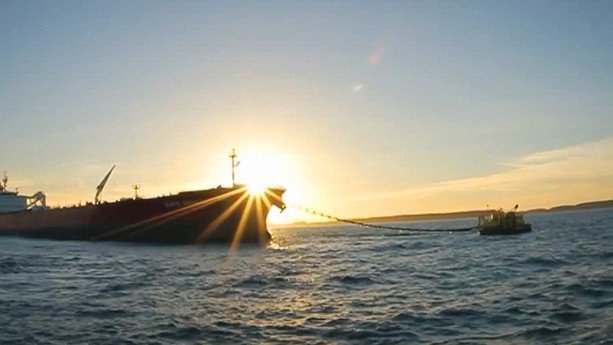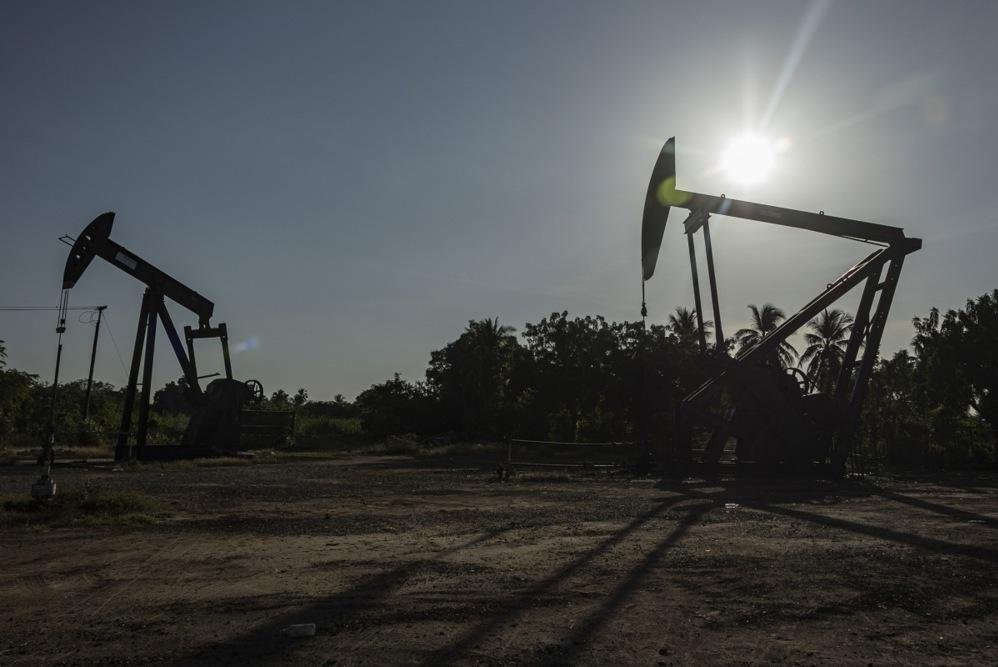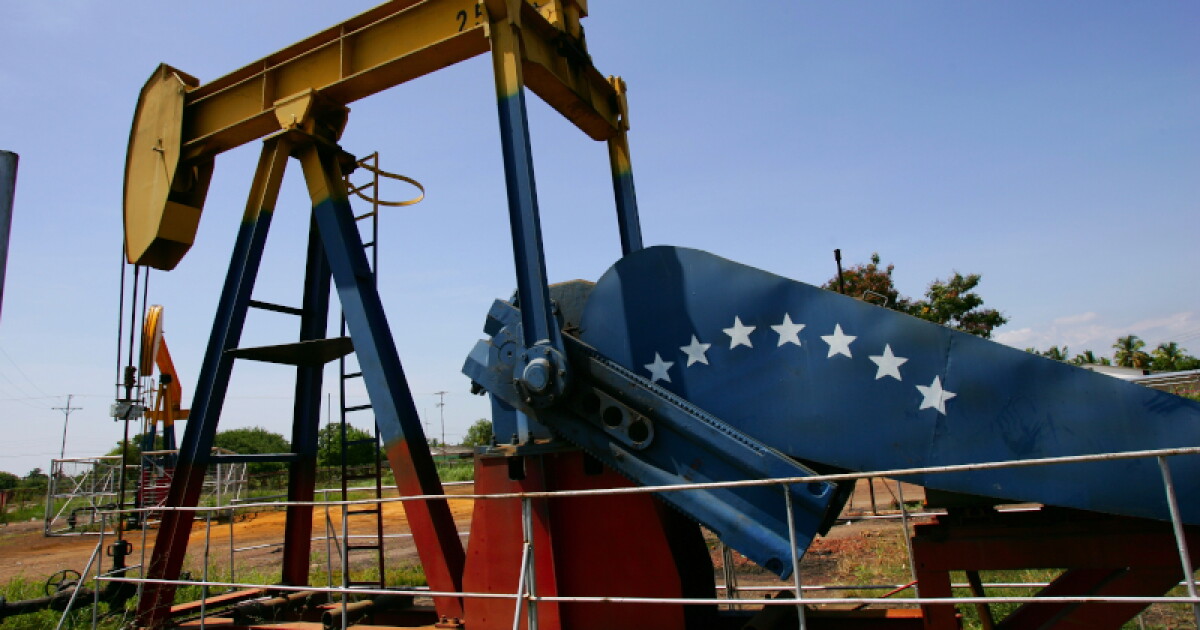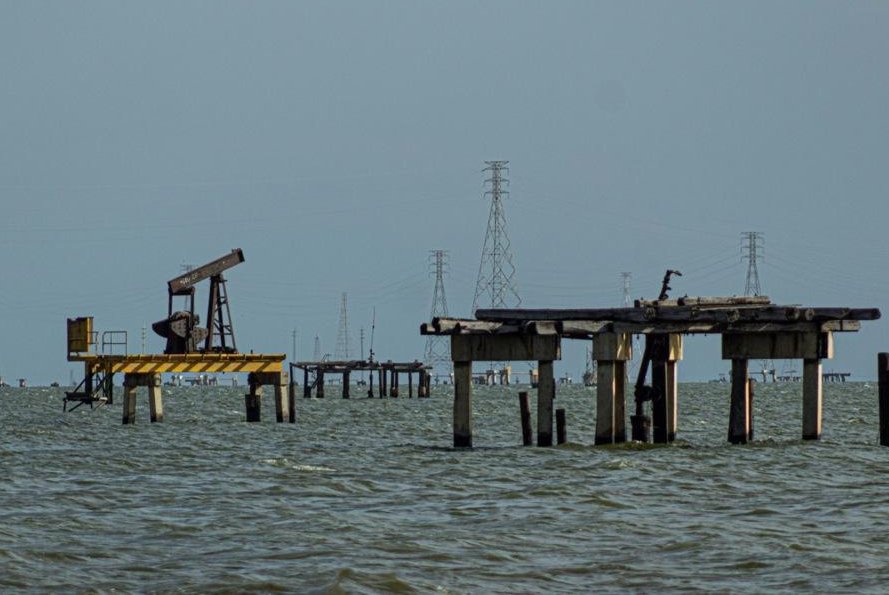
The United States’ plans to revitalize Venezuela’s oil sector are moving at a snail’s pace. But it seems that plans are finally falling into place, with two different U.S. companies – SLB and Hunt Oil – announcing deals with the Venezuelan state oil company PDVSA last week. Reports indicate that deal announcements will continue to accelerate in the coming weeks as international oil companies eagerly seek to get a piece of the planet’s largest proven oil reserves. “Oilfield service provider SLB will provide AI software to facilitate drilling, and said it is working to import oil rigs into the country,” Semafor reported last week on the newly inked deals. “And Texas producer Hunt Oil became one of the first to sign a production agreement with state-owned PDVSA.”While Venezuela is home to approximately 17 percent of the world’s oil, with an estimated 303 billion barrels, it is responsible for just one percent of the world’s oil supply after decades of underinvestment, mismanagement, and sanctions. Ramping up production in Venezuela would therefore stand to change the entire world’s energy landscape. This is especially attractive to world leaders against the backdrop of the closure of the Strait of Hormuz, which previously saw the flow of about one-fifth of the world’s oil and gas trade on a typical day.Venezuelan oil assets became available to outside interests when the Trump administration captured and incarcerated former President Nicolás Maduro in a January raid. But then progress slowed to a crawl in the intervening months as negotiations stalled and the country faced back-to-back earthquakes that devastated the already struggling population. But last month, the oil industry transformation began to pick up pace again when interim president Delcy Rodríguez unveiled new regulations that gave more favorable fiscal terms to foreign oil companies.While Venezuela’s abundance of oil is enormously attractive to outside investors, and could provide a critical buffer to the United States in the midst of a global oil shortage, operations in the nation are difficult and unpredictable. Two devastating earthquakes, a shaky political body, crumbling infrastructure and frequent blackouts, and limited capacity and oversight all make doing business in Venezuela a risky venture. For these reasons, most of the companies expected to ink deals with PDVSA are smaller independents, with supermajors hanging back to see how things shake out in the politically volatile South American country. “While the supermajors bide their time until they see how the politics sort out, and whether they can cherry-pick the best assets, independents can derisk their projects in a short period of time,” David Goldwyn, head of the international energy consulting firm Goldwyn Global Strategies, recently told Politico.As a result, the contracts that are finally being inked, while promising, are much smaller than the Trump administration would like. The deals under development will likely only increase the country’s oil production by 300,000 barrels a day over the next year, though officials in Caracas and Washington had previously talked a big game about an increase in the millions of barrels. “Incremental production is all we will see until the framework improves, electricity is restored, and the political picture becomes clearer,” Goldwyn said.However, the flow of oil from Venezuela to the United States is already considerable, with about half of the country’s oil output headed for U.S. refineries. According to Under Secretary of Energy Kyle Haustveit, more than 500,000 barrels per day are now moving from Venezuela to the US. While this is not the volume that Washington had hoped for, it’s a massive share of Venezuela’s total output of about 1.25 million barrels per day.By Felicity Bradstock for Oilprice.comMore Top Reads From Oilprice.comTreasury Expands Iran Sanctions Without Targeting Major Chinese BanksEurope Dodges a Rhine Crisis for the Worst Possible ReasonOil Nears $100 as Trump’s ‘Economic D-Day’ Raises the Stakes
Venezuela’s Oil Revival Gains Momentum | OilPrice.com
New U.S. energy deals are accelerating Venezuela’s oil-sector revival, but political, infrastructure and regulatory risks will constrain near-term production growth.
627 words~3 min read