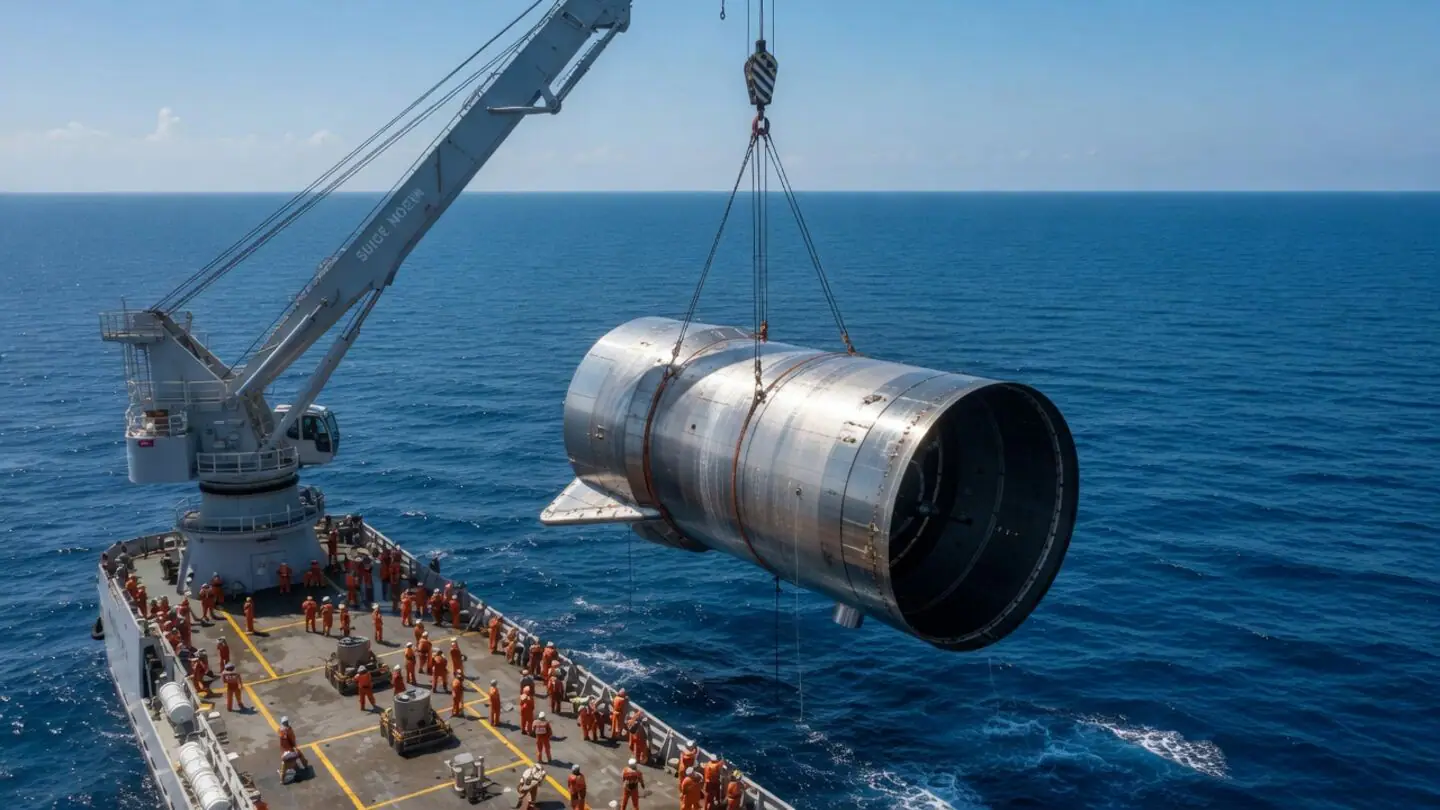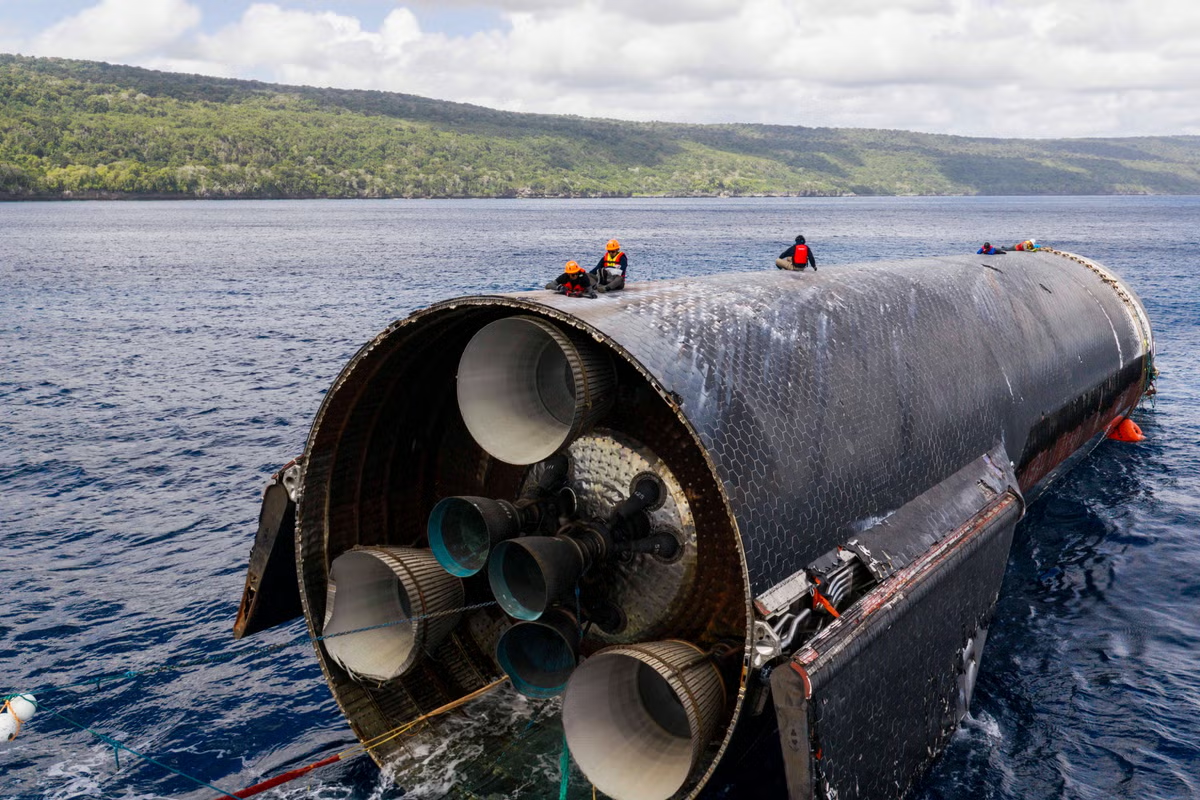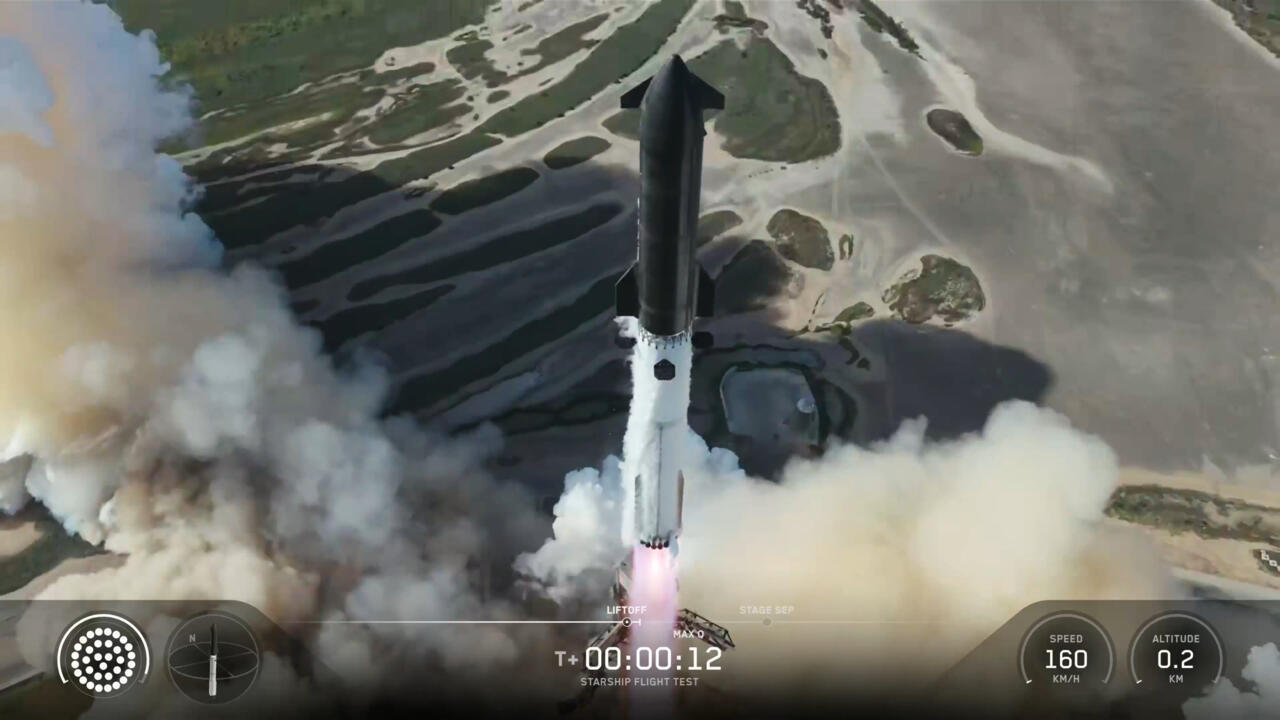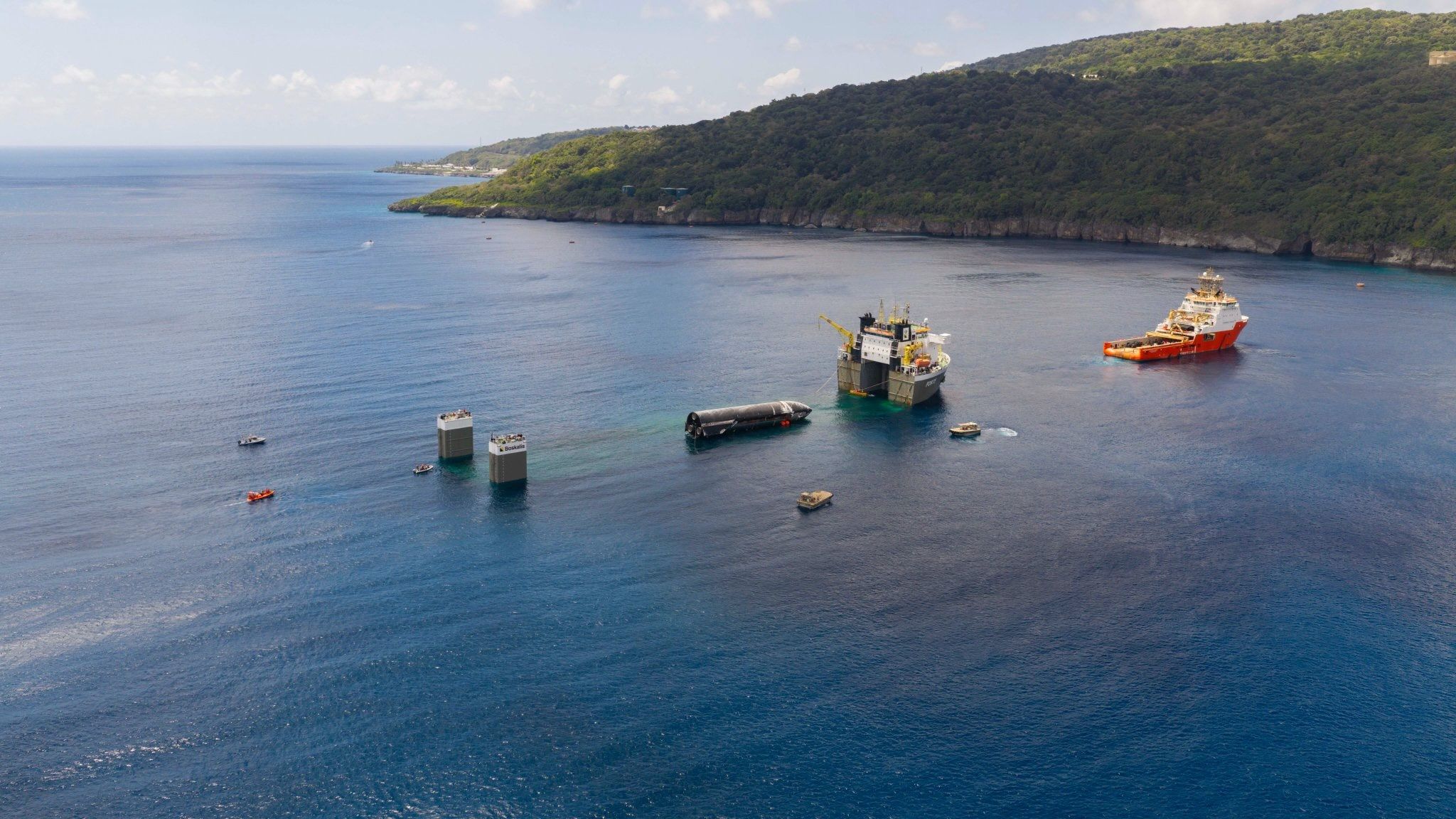
SpaceX loads the upper stage that flew on Starship's 13th test flight onto a "semi-submersible" ship off Christmas Island. The company posted this photo on X on Aug. 27, 2026.
(Image credit: SpaceX)
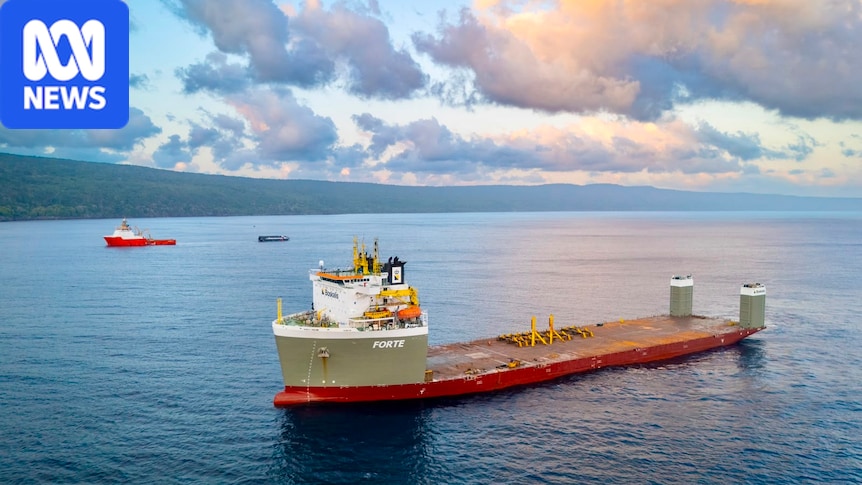
More than a month after its epic spaceflight, Starship is finally headed home.SpaceX announced today (Aug. 27) that it has loaded Starship's 171-foot-tall (52 meters) upper stage — known as Starship, or simply Ship — onto a huge "semi-submersible" ship in the Indian Ocean, off the coast of Christmas Island.Ship had been in the water since July 24, when it splashed down to bring an end to the Starship program's 13th test flight. The vehicle will now head back to SpaceX's Starbase site in South Texas, a journey expected to take several months, according to the company.
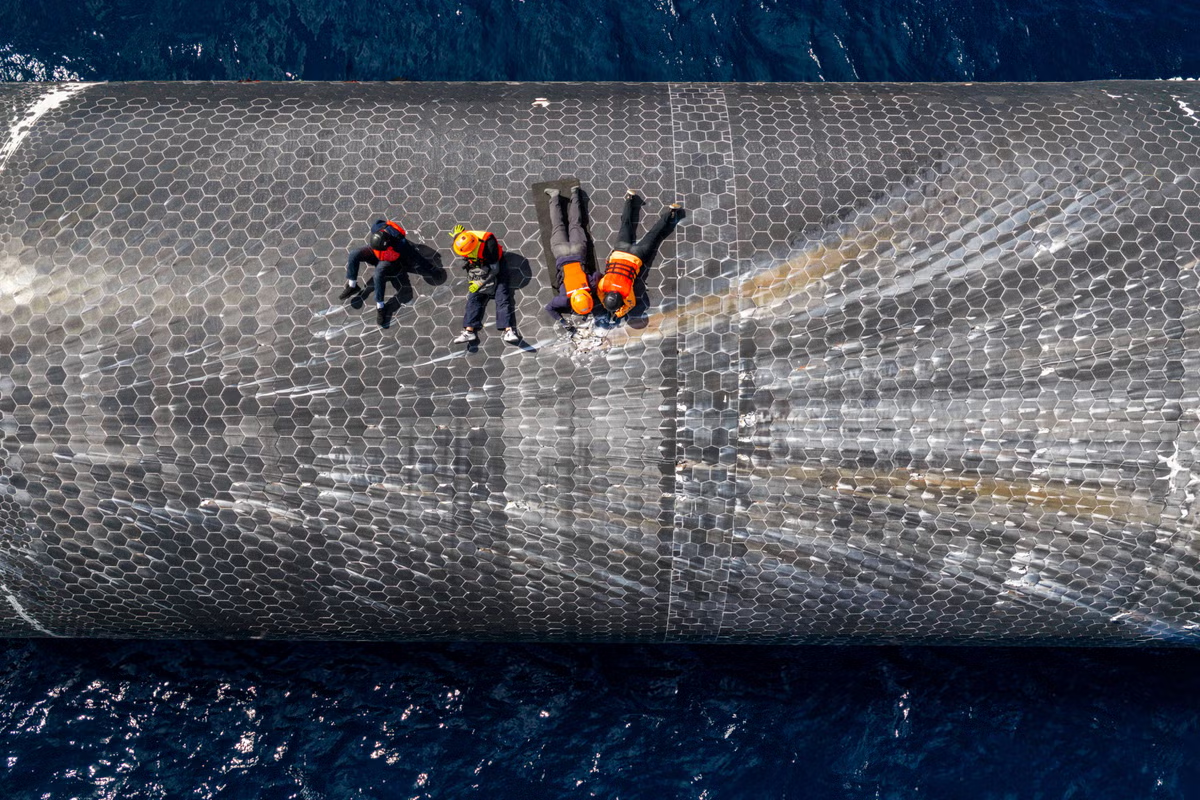
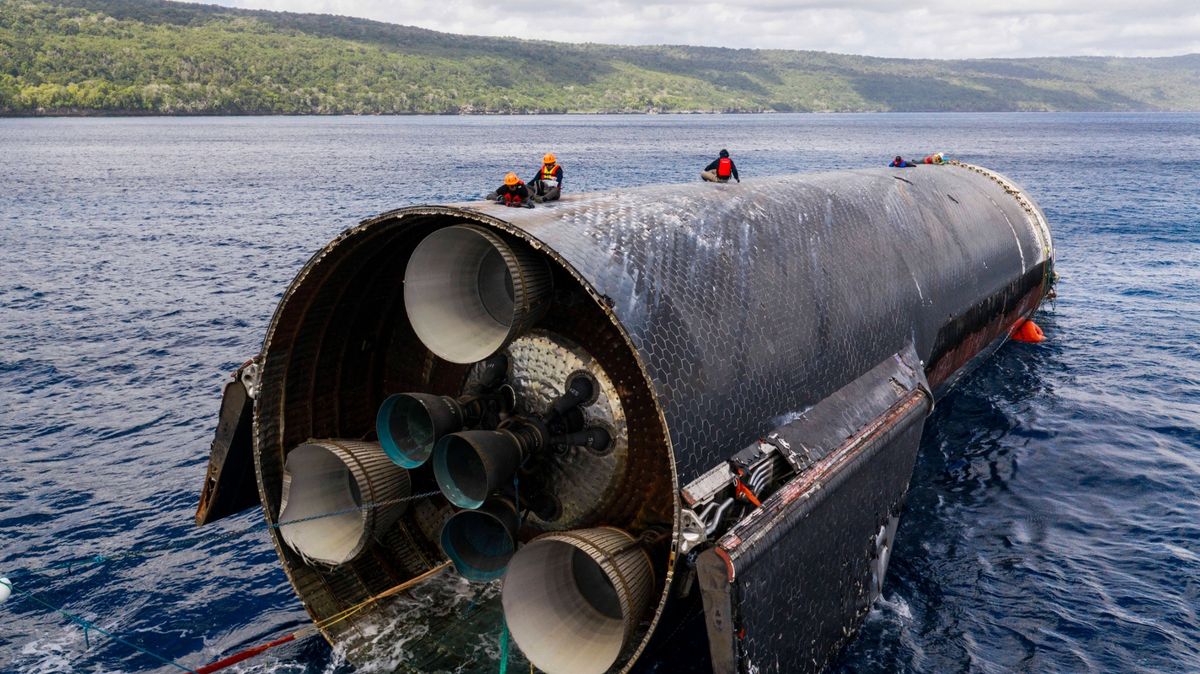
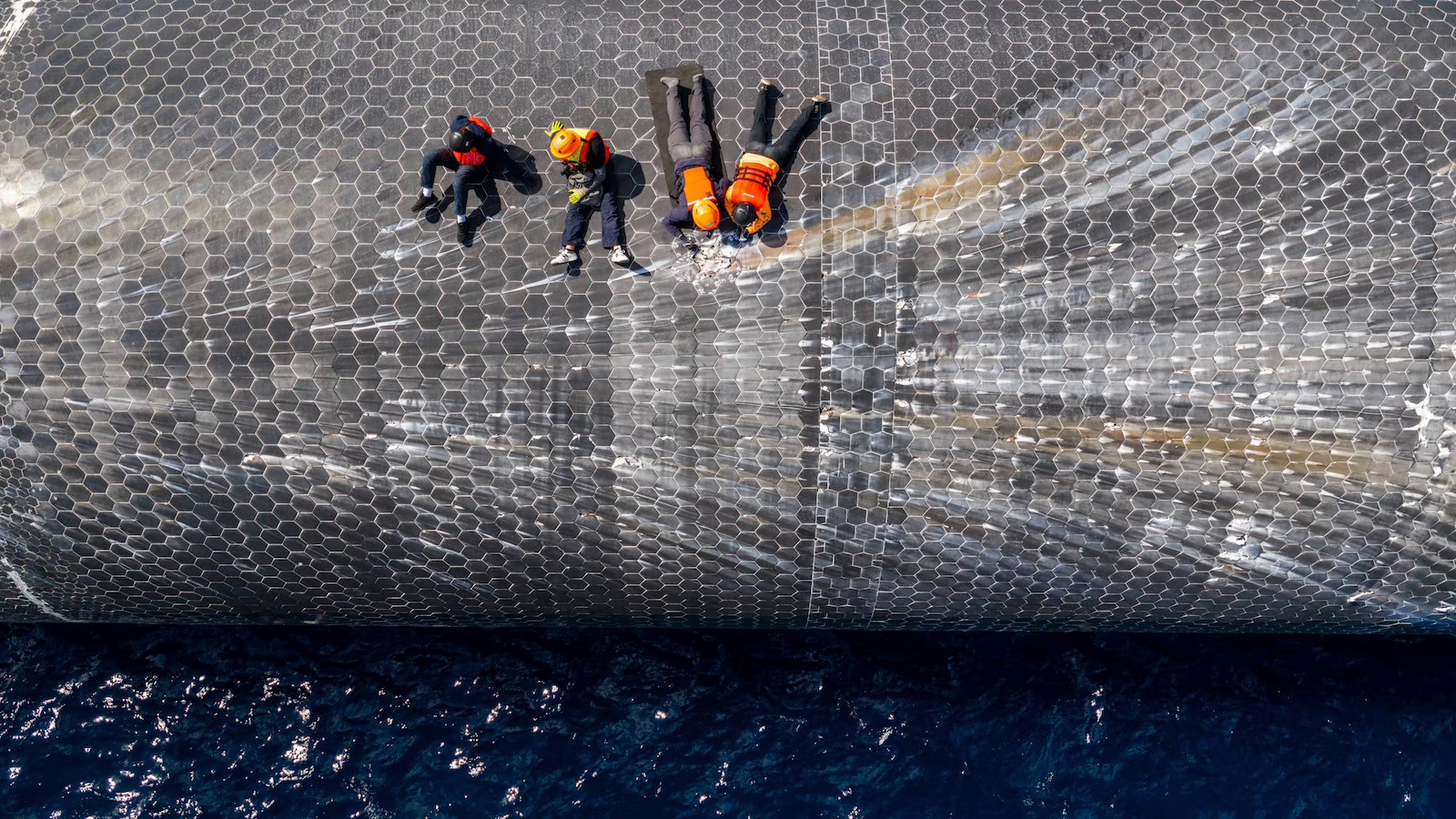
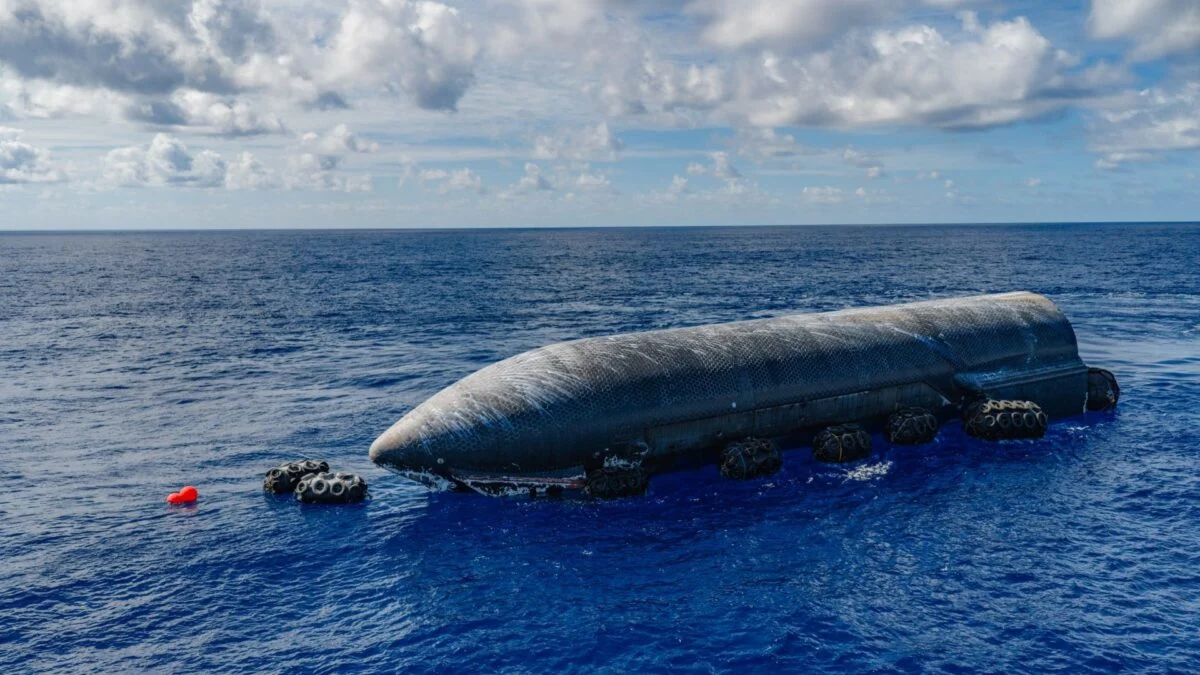
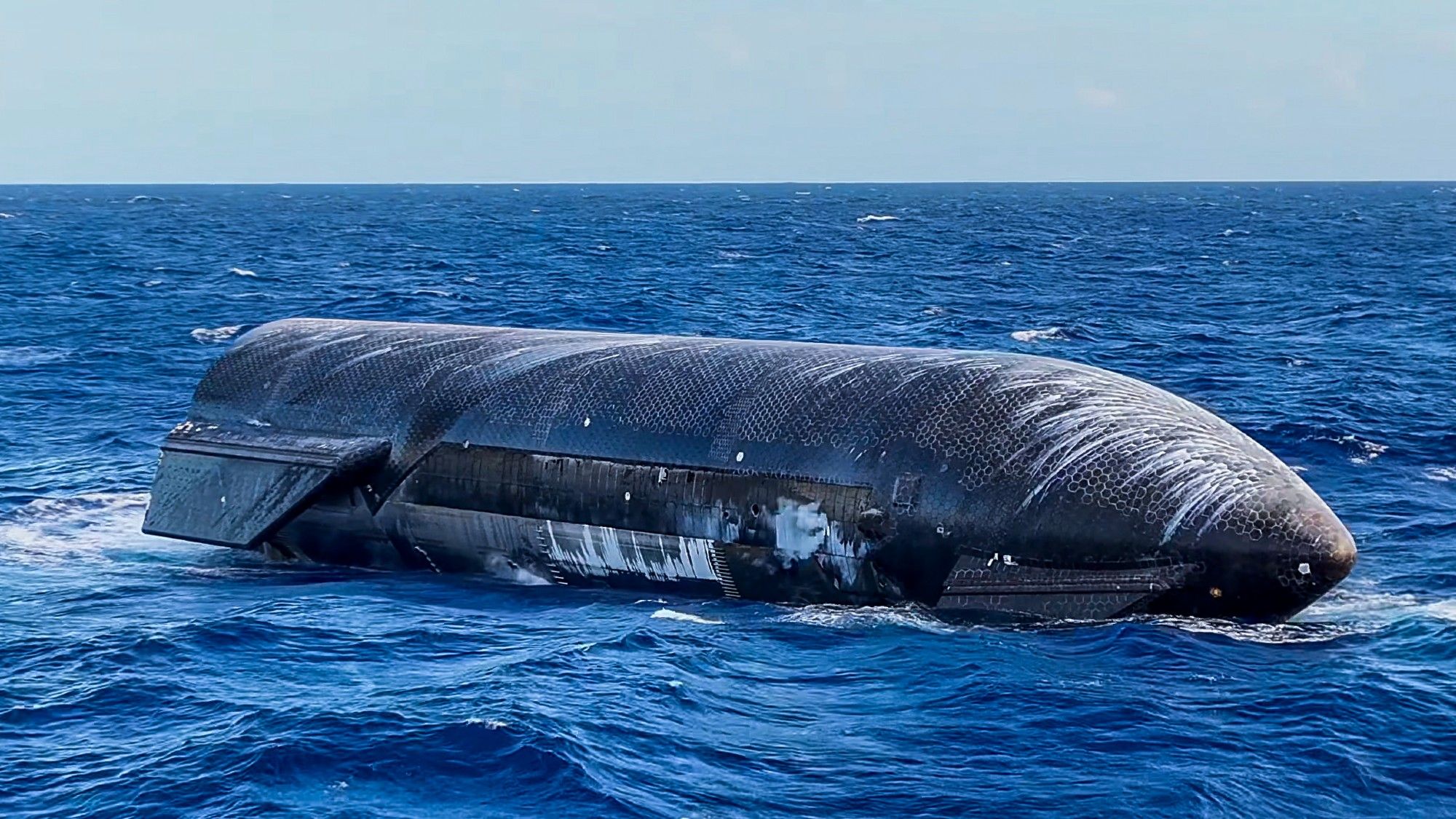
The semi-submersible's deck rises with Ship on board. (Image credit: SpaceX)Starship Flight 13 lifted off from Starbase, sending Ship on an hour-long suborbital jaunt that went quite well. The vehicle deployed its payloads — 20 of SpaceX's big, next-gen Starlink "Version 3" satellites — into space as planned and also managed to relight one of its six Raptor engines in the final frontier as well.Ship then splashed down softly in the Indian Ocean off the coast of Western Australia — so softly, in fact, that it survived the ordeal intact. This was unprecedented; on every previous Starship flight, the upper stage had either broken apart during reentry to Earth's atmosphere or exploded shortly after splashdown, when it toppled sideways into the waves. (Starship's first-stage booster, known as Super Heavy, attempted a soft splashdown in the Gulf of Mexico during Flight 13 but suffered engine problems and hit the water hard.)SpaceX determined to take advantage of this unexpected development. Getting an up-close look at Ship, the company said, would shed light on how its heat shield held up during the flight — key information that could advance the development of Starship, which is designed to be fully and rapidly reusable.