For Moldova, joining the European Union is no longer simply a question of adopting thousands of pages of European legislation. It is a race to transform a state whose institutions, economy and political culture still bear the marks of decades of Soviet rule and a difficult transition while resisting pressure from a Russia determined to keep the country within its orbit.
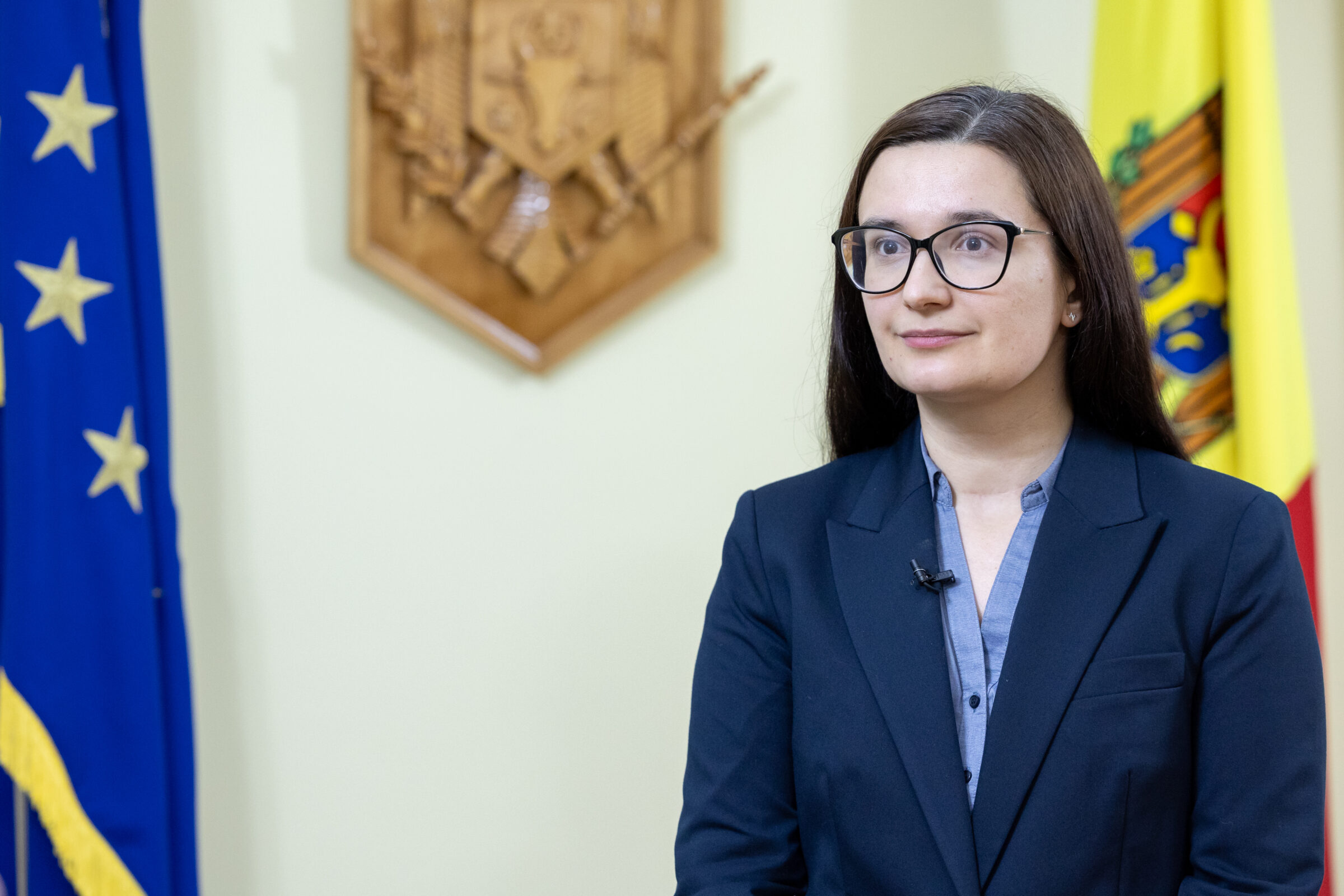
“We are not as advanced as other candidate countries,” Moldova’s minister for European integration Cristina Gherasimov told EUobserver – pointing to fellow applicants such as Montenegro, Serbia or North Macedonia, which began preparing for accession years before Moldova became a candidate.
For Chișinău, the work now runs on two parallel tracks.
The first is the reform Moldova needs regardless of Brussels: strengthening institutions, tackling corruption and rebuilding trust in the rule of law.
The second is the painstaking process of bringing national legislation into line with EU standards.