Geoffrey Alphonso, CEO of Alef Education.gettyFor years, one of education’s defining priorities has been closing the digital divide to ensure that every learner has access to the same devices and digital resources. That challenge remains far from solved. According to UNESCO, around 2.6 billion people still lack internet access, creating significant inequalities in educational opportunities. Yet, even as governments continue investing in digital infrastructure, education is entering a new phase. The challenge is no longer simply providing technology but also ensuring it benefits learners without making them dependent on it. This is not an argument against digital learning or artificial intelligence (AI). On the contrary, technology has transformed education by expanding access, personalizing instruction and empowering teachers. AI is accelerating this progress through tailored learning, instant feedback and greater accessibility.But as AI becomes increasingly embedded in classrooms, the conversation surrounding it must evolve. Governments, educators and edtech companies share a responsibility to ensure technology remains a catalyst for learning and not a substitute for thinking. I believe the future of education will depend on teaching students not only how to use AI but also how to use it thoughtfully, responsibly and with purpose.From Access To AgencyThe initial phase of digital transformation focused primarily on access. As a result, 82% of young people aged 15-24 years use the internet. This represents a 10-percentage-point difference over the rest of the world’s population, where overall adoption sits at 72%. But evidence increasingly shows that technology alone does not improve learning outcomes. An OECD review of global research concluded that digital technologies deliver the greatest educational value only when they are intentionally integrated into effective teaching. Success depends on pedagogy, teacher capability and purposeful classroom design—not simply greater exposure to technology.This distinction becomes even more important in the age of generative AI.AI Makes Dependency Easier Than LearningGenerative AI has transformed how students access knowledge. Complex explanations, essays, coding support and personalized tutoring are now available to many users within seconds.These capabilities offer enormous educational opportunities. UNESCO has recognized this potential, noting that AI can significantly expand personalized learning, improve educational management and widen access to quality education globally. At the same time, it has issued a clear caution that without strong governance, ethical safeguards and digital competencies, AI risks undermining the very foundations of equitable and high-quality education.The challenge is subtle but significant. When technology begins replacing thinking instead of supporting it, students risk outsourcing critical cognitive processes such as reasoning, analysis, creativity and problem-solving. Digital dependency is not defined by screen time alone; it is characterized by reduced intellectual independence.Education has always been about developing the capacity to think. AI should accelerate that process rather than shortcut it.Building Digital Confidence, Not Digital RelianceThe solution is not to reduce technology in classrooms. Instead, we need to redesign how technology is used.Research from organizations like OECD consistently shows that the strongest educational outcomes occur when digital tools complement excellent teaching rather than replace it. Students learn more effectively when technology encourages active participation, collaboration, inquiry and reflection instead of passive consumption.Future-ready education therefore requires balancing AI-powered personalization with experiences that develop critical thinking, creativity, ethical reasoning and human collaboration. Students should leave school knowing not only how to prompt an AI system but also how to question its outputs, verify information, identify bias and recognize uncertainty. In an economy increasingly shaped by AI, these capabilities will become as fundamental as literacy.Some education systems have already begun making this shift. The UAE, the country in which I reside, has set an exemplary model in this regard. Moving beyond questions of access to technology, I've watched the national education agenda increasingly focus on outcomes, skills and readiness for an AI-driven economy. Other governments should follow suit. This can be done by integrating AI and coding into school curricula, establishing national frameworks for AI literacy and championing broader policies centered on digital transformation skills. Education should be positioned not just as a pathway to digital participation but also as a foundation for responsible and capable AI citizenship.The Opportunity For EdTech For edtech companies, this evolution presents a defining opportunity. The next generation of educational technology should not compete on how much it can automate. It should compete on how well it empowers better learning. That means designing platforms that encourage inquiry over instant answers, reward original thinking, promote reflection and provide educators with insights into how students arrive at solutions—not just whether answers are correct. In this regard, I believe a concept called friction-by-design is worth mentioning. Instead of giving immediate answers, learning tools should prompt students to explain reasoning, revisit assumptions and reflect on mistakes. That small pause between question and answer is often where real learning happens.Edtech companies must also embed AI literacy, digital citizenship and responsible technology use into everyday learning experiences within their platforms through structured guidance, scaffolded learning pathways and contextual prompts that help students understand not only how to use digital tools but also when and why to use them responsibly. Equally important is supporting teachers. The most sophisticated technology cannot replace effective pedagogy. Instead, AI should reduce administrative workload, personalize instruction and provide actionable learning analytics, allowing educators to spend more time mentoring, coaching and fostering higher-order thinking.The Next Measure Of SuccessThe success of education systems will not be measured by how advanced their technology is but by how effectively they develop curious, resilient and independent thinkers. The goal is not to limit AI’s role in education but to define it more clearly. Used well, it can amplify human potential. Used poorly, it can quietly erode it.For edtech companies, this is both a responsibility and an opportunity. Those that place human learning at the center of innovation will help shape the next chapter of education—one where AI strengthens judgment rather than replaces it and where technology expands what learners can do without diminishing how they think.Forbes Technology Council is an invitation-only community for world-class CIOs, CTOs and technology executives. Do I qualify?
Rethinking AI In Education: From Digital Access To Human Empowerment
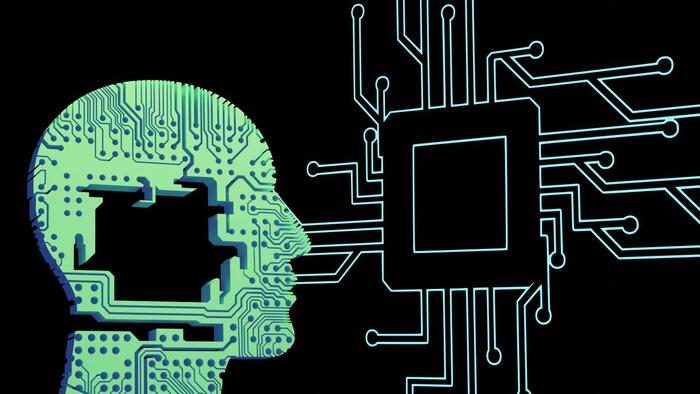
Companies that place human learning at the center of innovation will help shape the next chapter of education—one where AI strengthens judgment.
991 words~5 min read