To contact us, Usman*, a resident of Rawalakot, a city in the Pakistan-administered part of the disputed Kashmir region, has to climb into the nearby mountains, where he can pick up a few bars of mobile signal from outside the province. This article was reported by the FRANCE 24 Observers, the network’s digital investigation team in Paris, via social media. No other FRANCE 24 staff contributed to the report. *We have concealed the identity of people we spoke to inside Pakistan to protect them from reporting restrictions imposed by the Pakistani government.
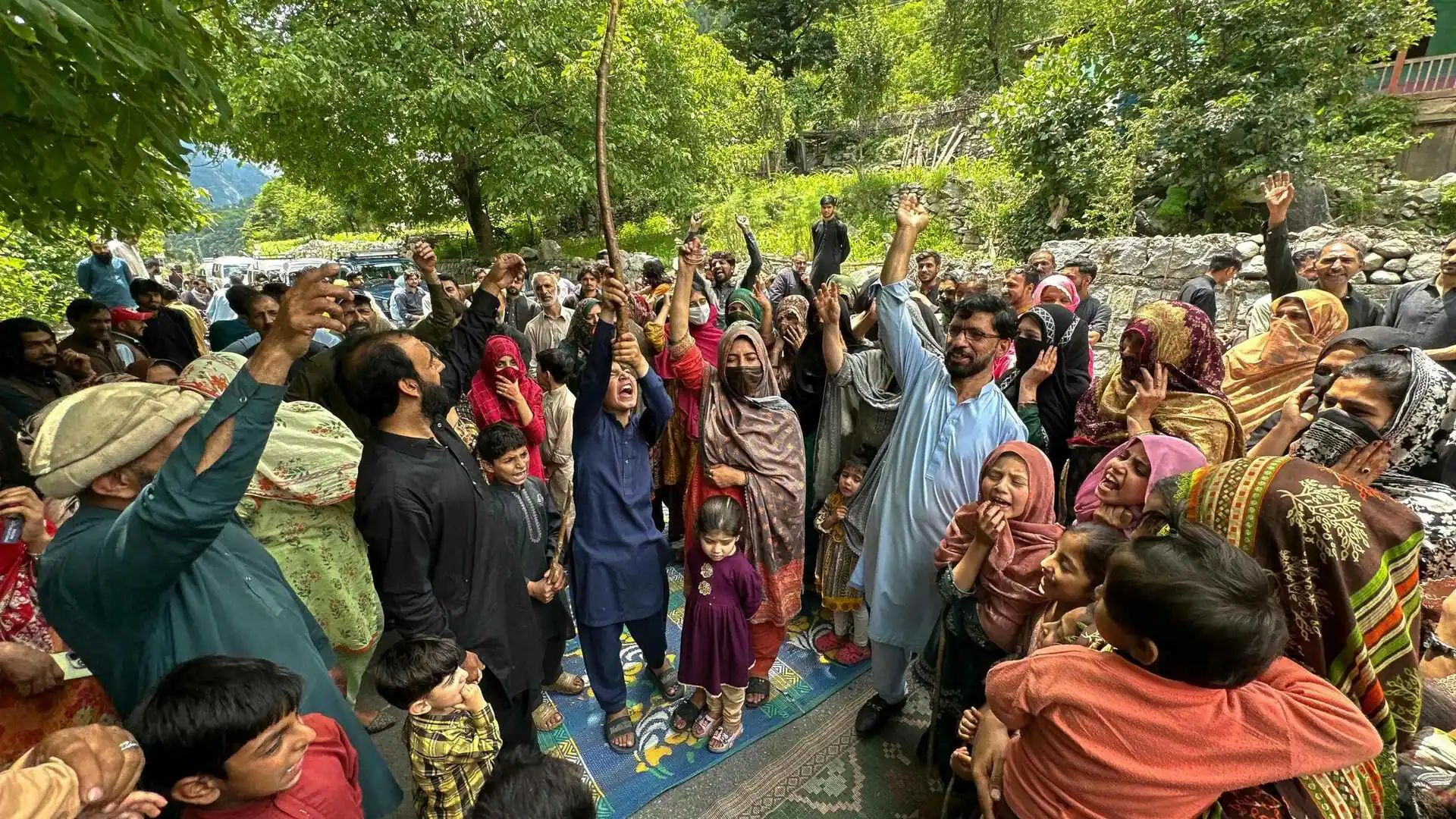
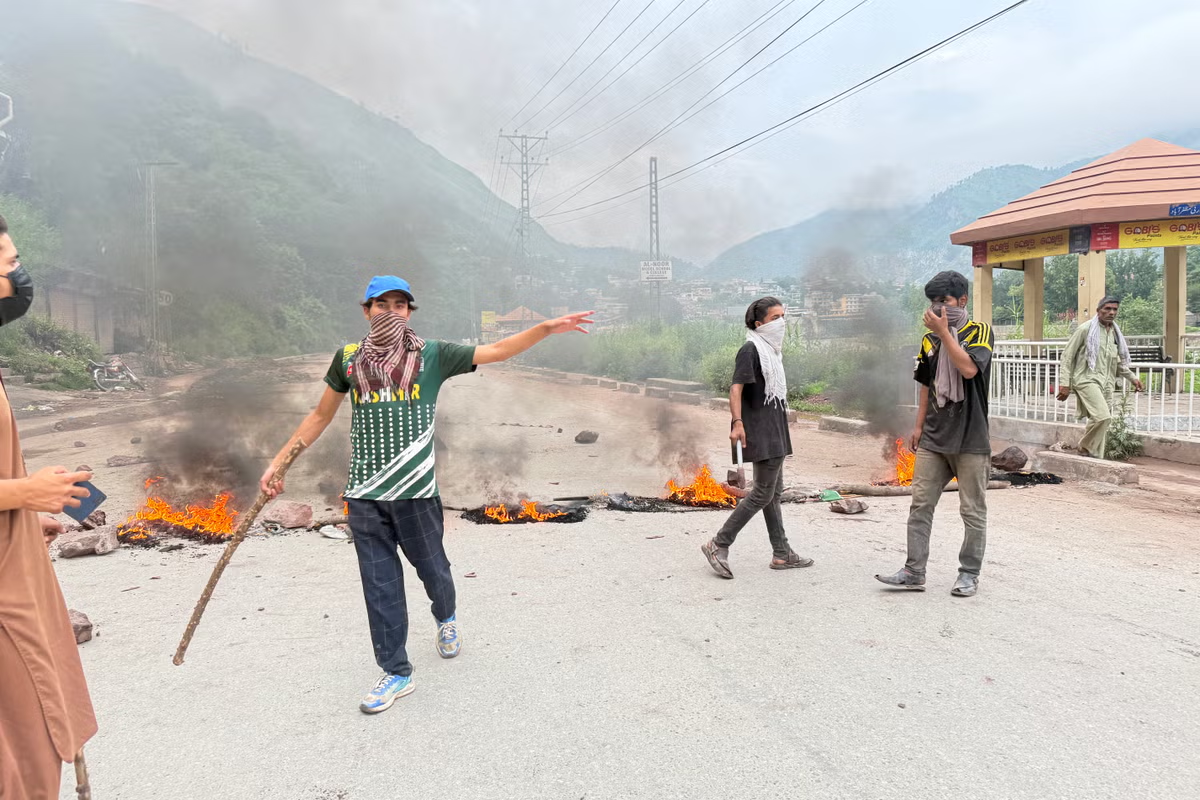
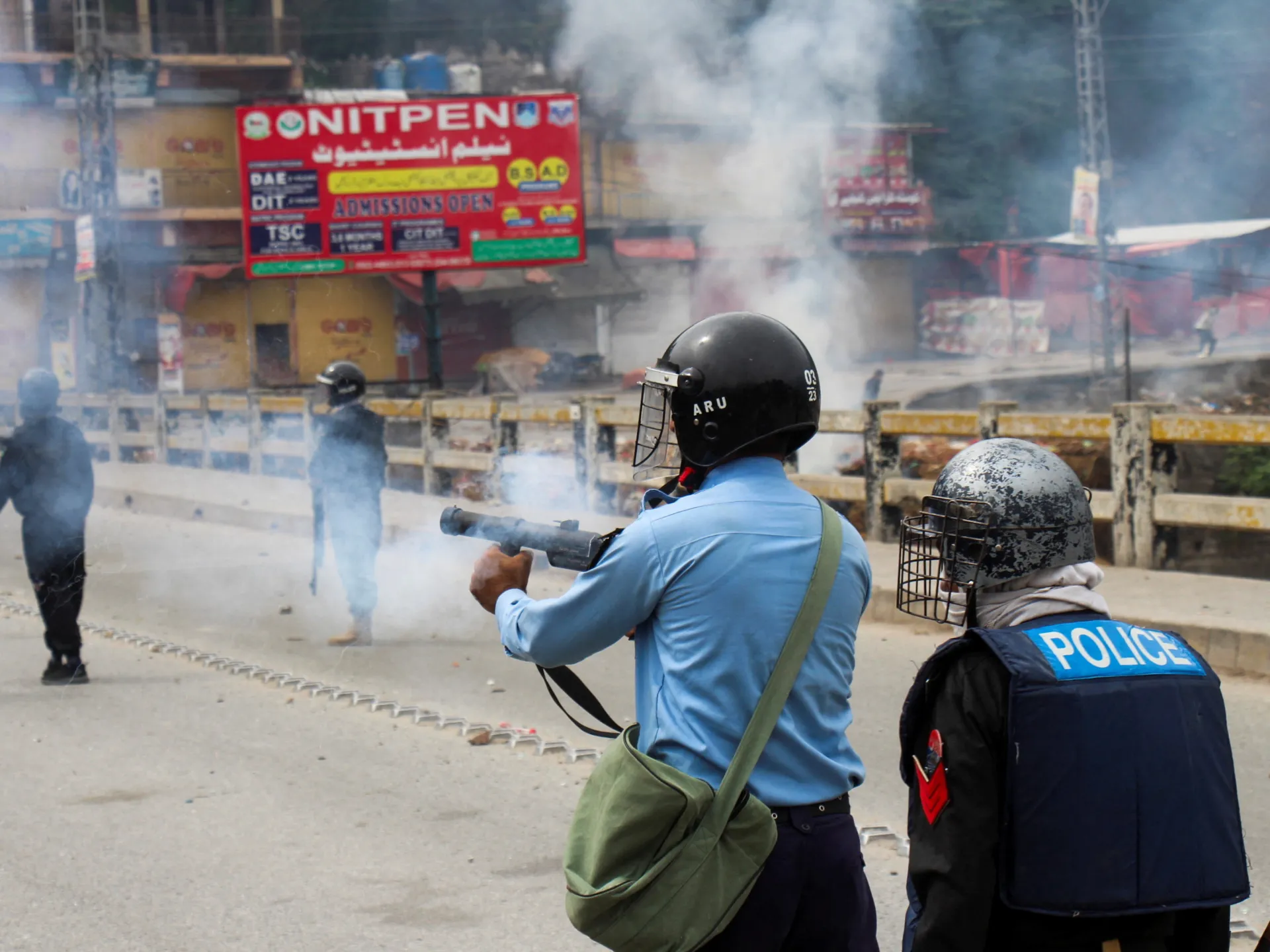
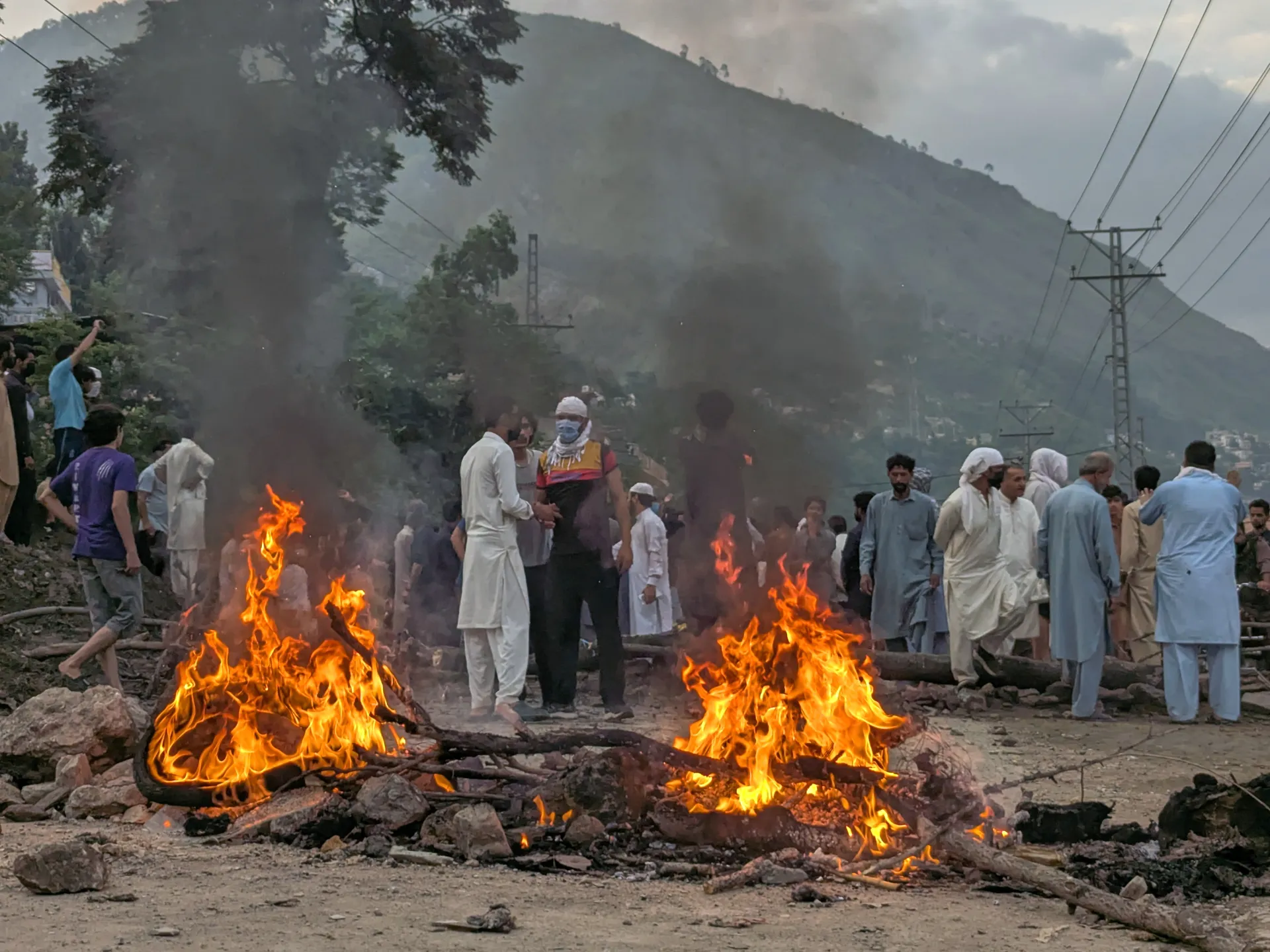
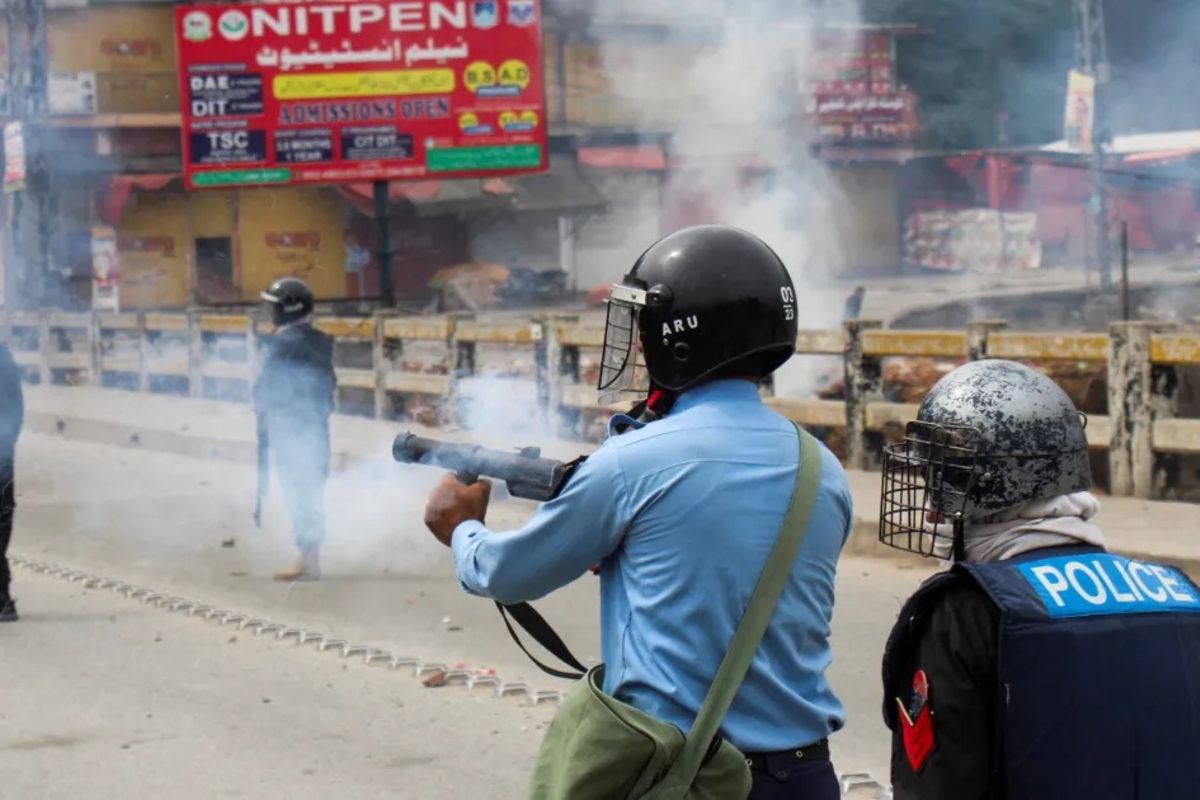
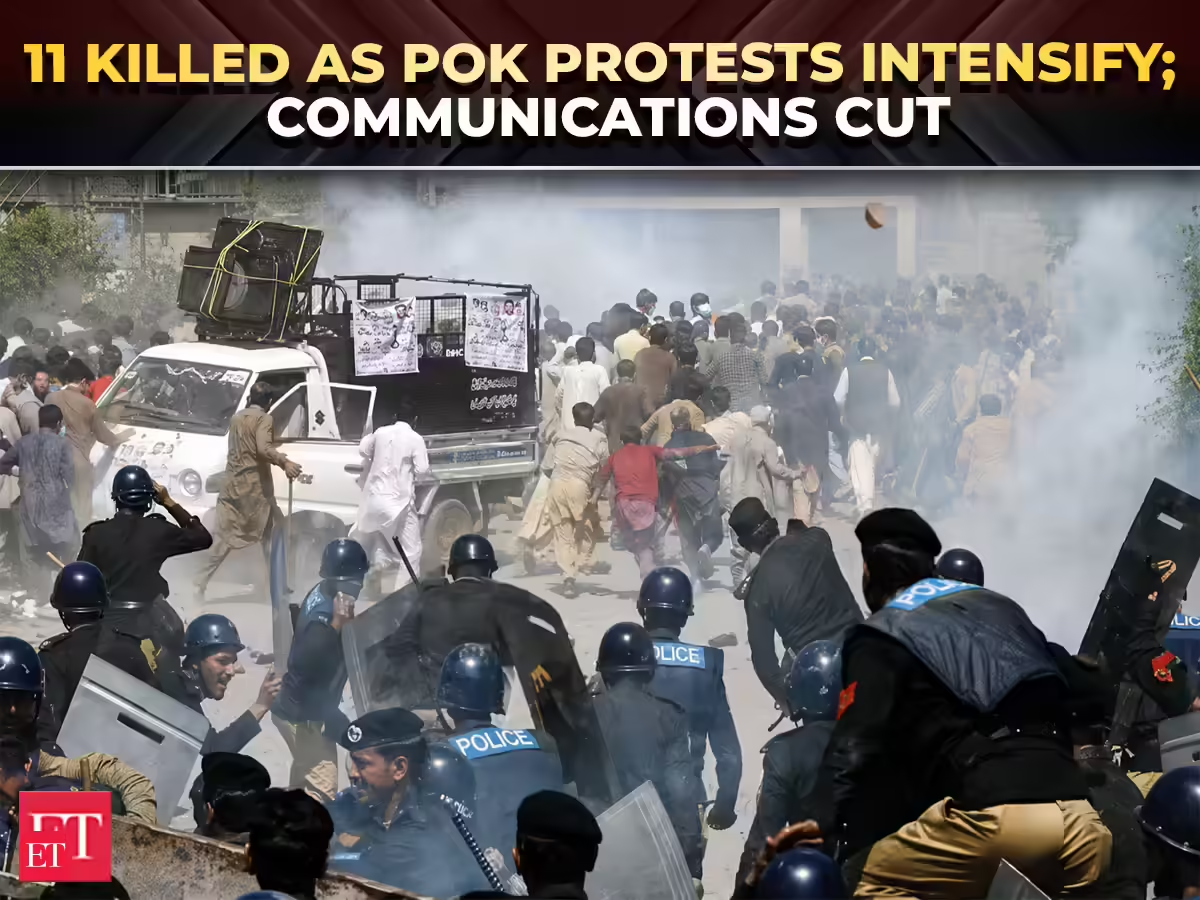
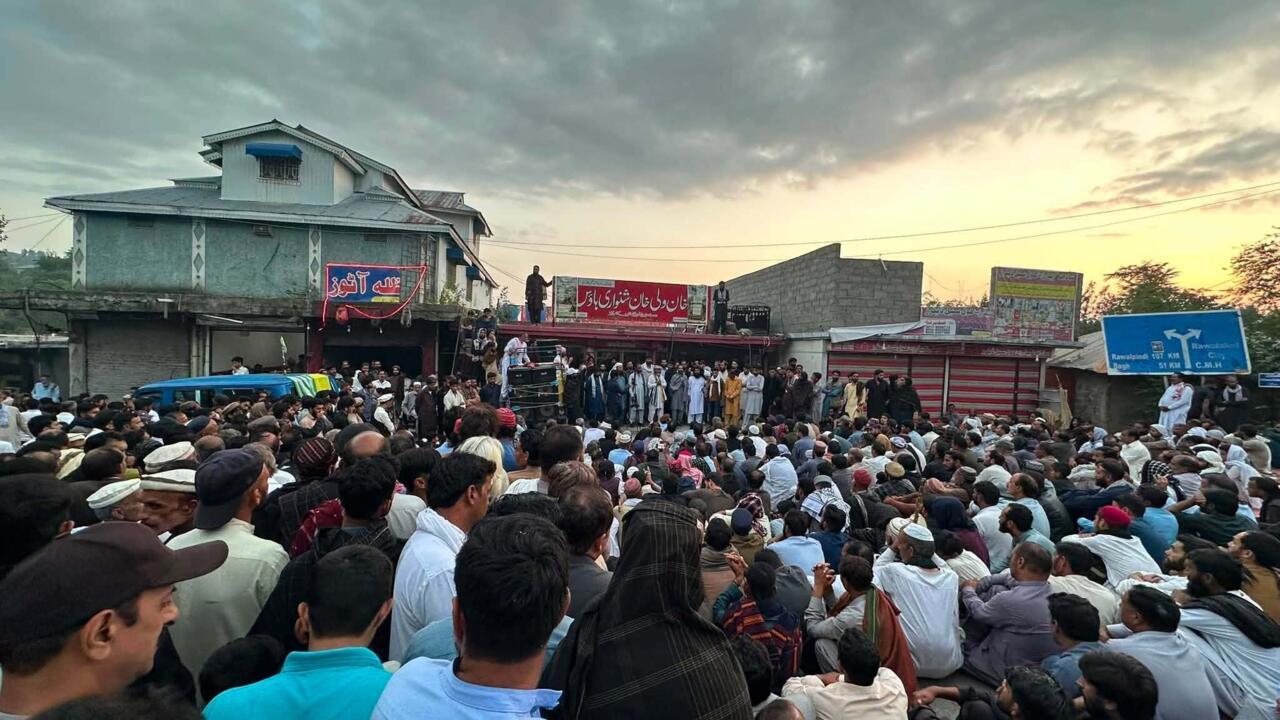
Azad and Jammu Kashmir (AJK), an autonomous territory under Pakistani administration since the partition of Kashmir between India and Pakistan in 1947, has been gripped by widespread protests since June. The Joint Awami Action Committee (JAAC) – a local opposition movement founded in 2023 – is leading the mobilisation and is calling, among other things, for electoral reform, greater political representation and more resources for the territory. After several rounds of protests that led to government concessions, dialogue broke down in the run-up to local legislative elections, held between July 27 and August 10. On June 5, the Azad Kashmir authorities designated the JAAC as a terrorist movement, and clashes subsequently intensified, particularly on June 7 and 8 in Rawalakot, following the death of activist Shahzeb Habib, who human rights groups say was killed by security forces. The Pakistani government imposed an internet shutdown, on June 5, and restrictions on the supply of essential goods. Since then, protests have continued, some of which have been violently suppressed, notably in Rawalakot on July 27. The Pakistani government denies that security forces have used force to repress peaceful political activity in the territory and says internet access is being "progressively normalised". [see statement below]. 'They tried to kill the protesters by opening fire directly at them' Usman* was present at the July 27 protest in Rawalakot. We began a march on July 27 towards Muzaffarabad, the capital of Azad Kashmir. Security forces were stationed at various locations. They had set up roadblocks and were using snipers, light machine guns, and tear gas grenades. It wasn’t just the police, but also Pakistani paramilitary forces. When they realised that the crowd was much larger than expected, they tried to kill the protesters by opening fire directly at them. This is the first time I’ve witnessed such repression in Pakistan-administered Kashmir. Before this, we had never witnessed such bloodshed or such brutal attacks by the security forces.