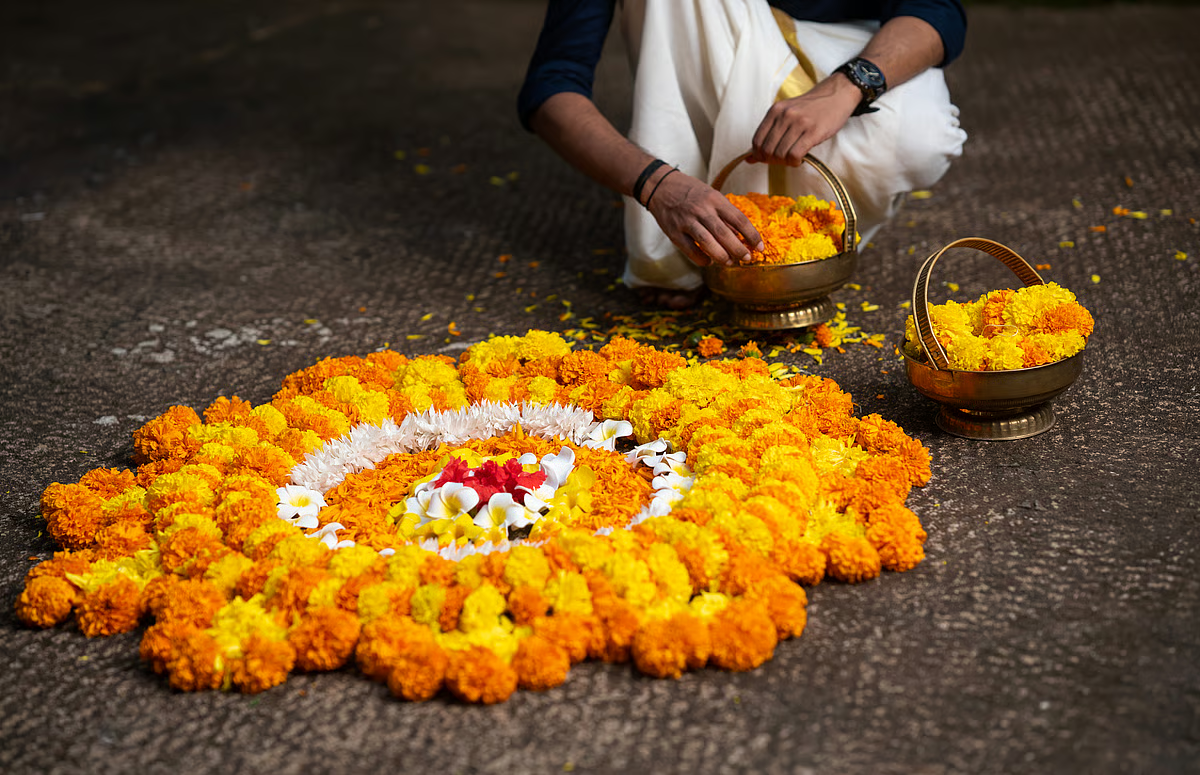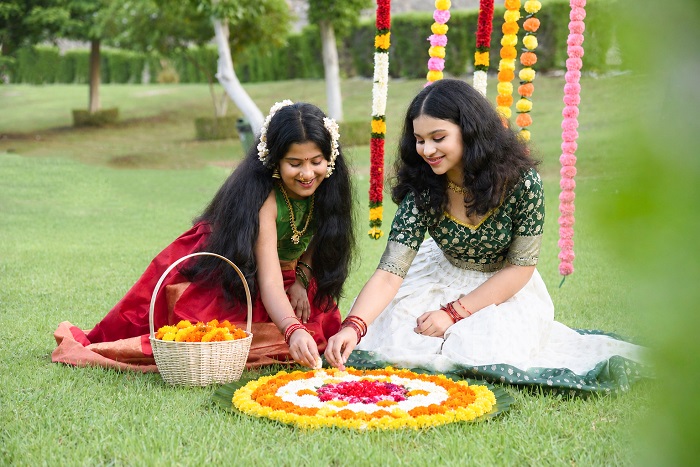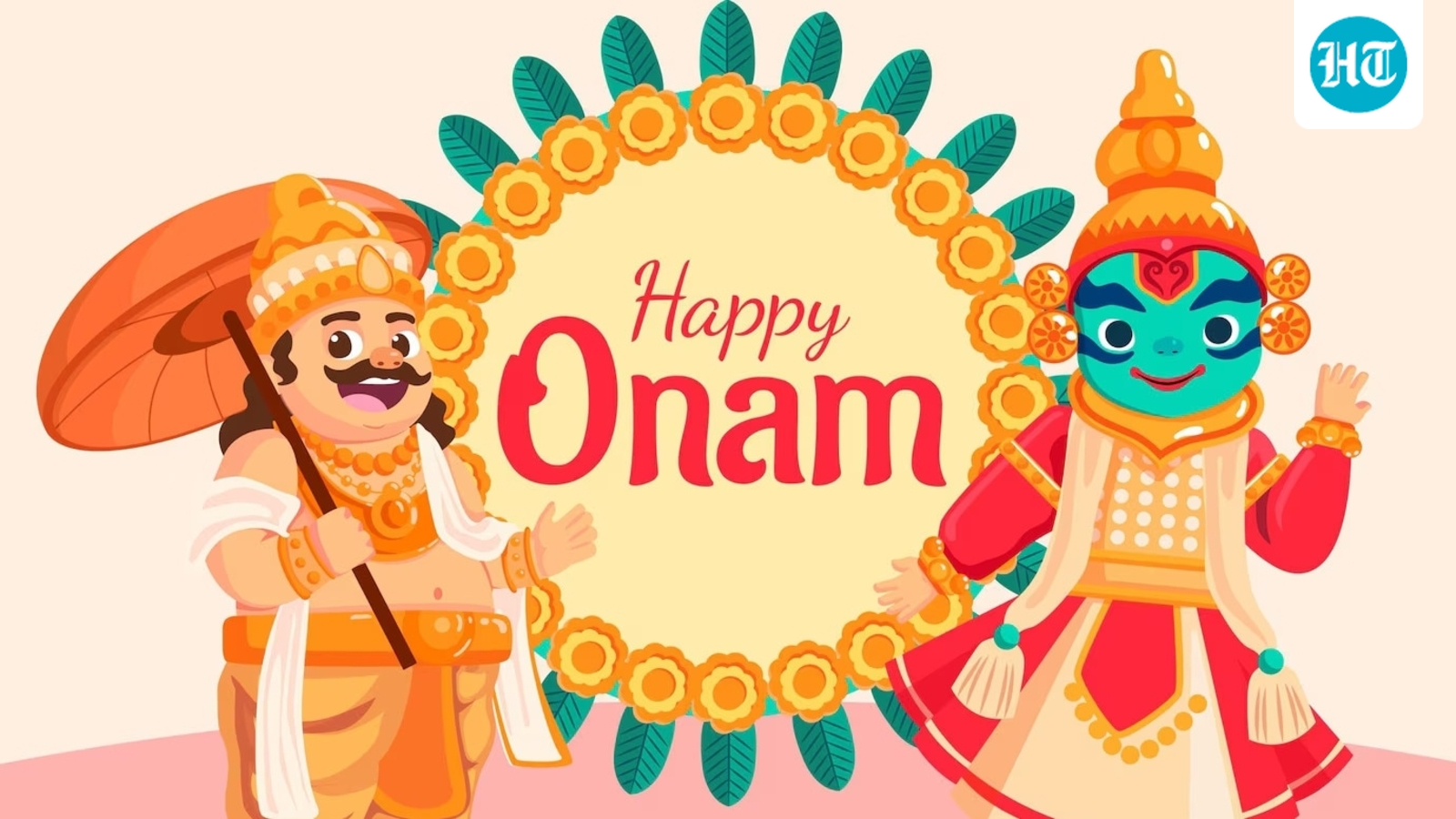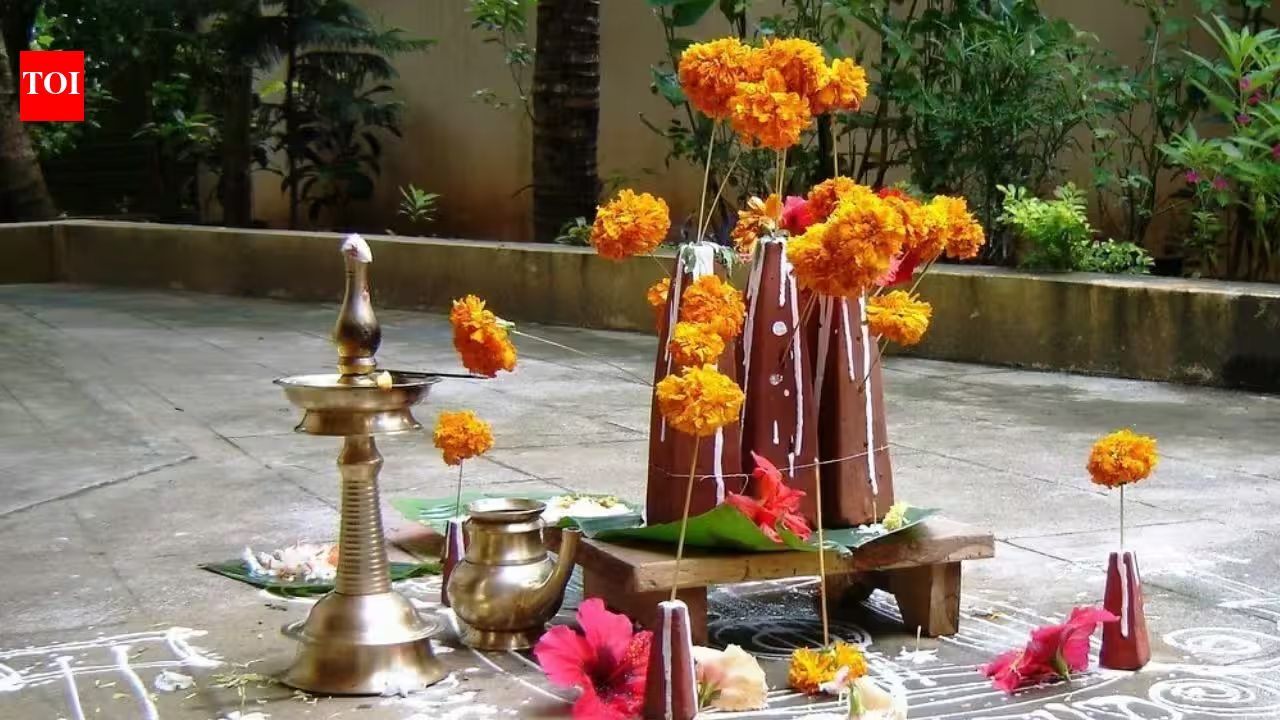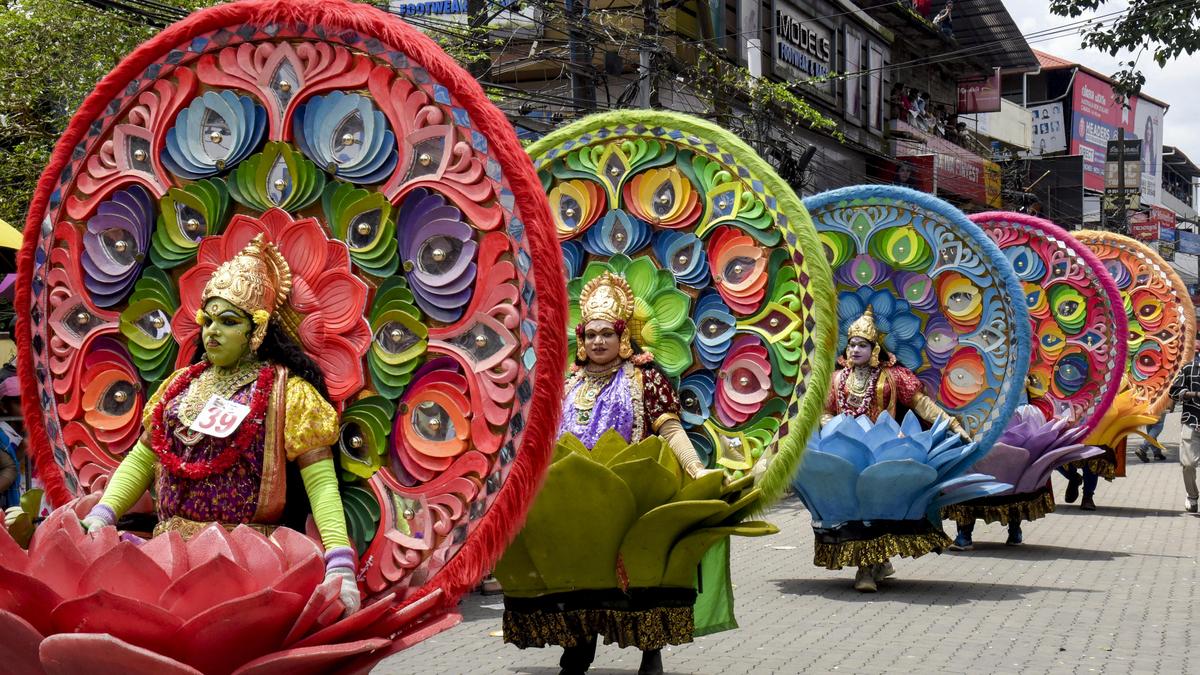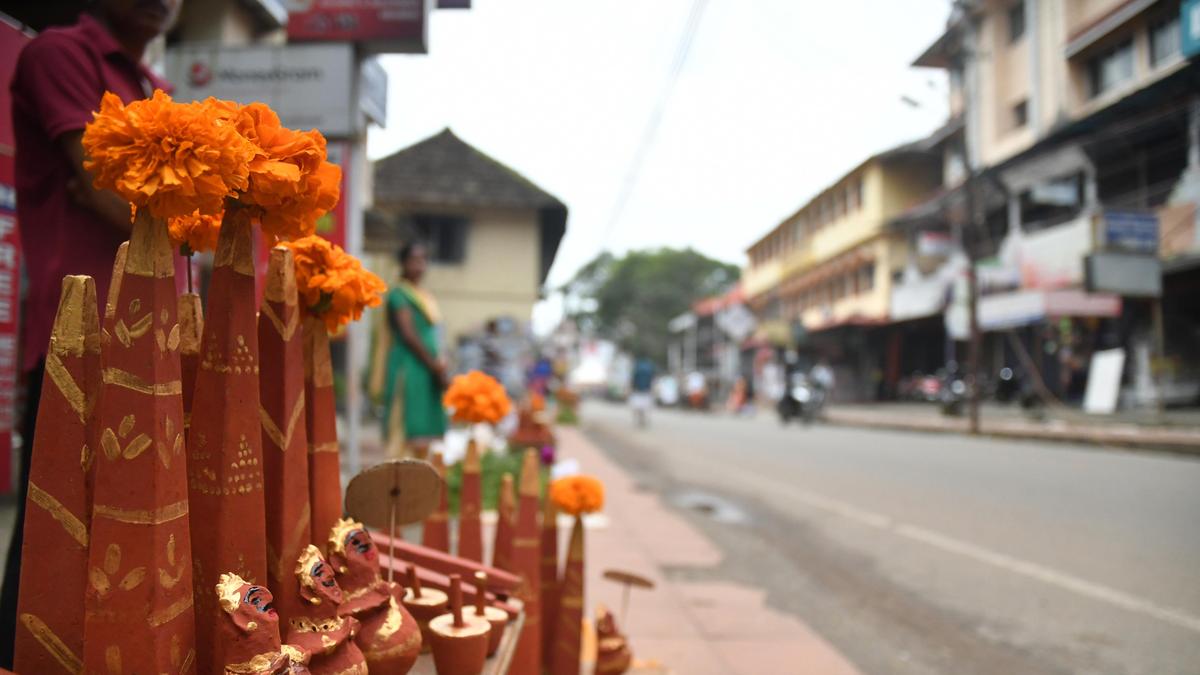
The Onam we know falls in the first month of the Malayalam calendar year, Chingam. Starting on Atham day, it is celebrated for ten days, culminating on Thiruvonam. The festival pivots around the arrival of the benevolent Asura ruler, King Mahabali, amid a dazzle of pookkalams, sadyas and payasams.But beyond this popular narrative, there is more to Onam. It is a multi-layered construct built by myth, legend and local traditions. Celebrations take on diverse hues across regions and communities. For instance, in certain pockets of Palakkad, people start making pookkalams from the month of Karkkadakam, the month preceding Chingam. This spills over to the following month of Kanni, as well.Girija Varier, a retired teacher from Palakkad, says that they start laying the pookkalam from Thiruvonam day in Karkkadakam and stop on Atham day in Chingam, the day when the rest of Keralam begins laying pookkalams!Onam without pookkalam“Instead, we place pyramid-shaped figures made of clay or sand — Mathevar or Onathappan. Three of them will be placed on leaves of turmeric plant for the next six days with flowers placed on top of them. Five new ones are placed on the seventh day with turmeric leaves replaced by banana leaves. The number goes up to seven, nine and finally 21 on Thiruvonam day. In our belief, these figures symbolise Lord Vishnu. On Thiruvonam day, we place a bigger figure representing Mahabali,” says Girija. The figures are adorned with flowers and a kolam (rangoli with rice paste) decorates the space.
Onam: The many ways Keralam celebrates
Explore the diverse and unique ways Keralam celebrates Onam beyond the traditional narratives of Mahabali, pookkalam, and sadya.
1,000 words~5 min read