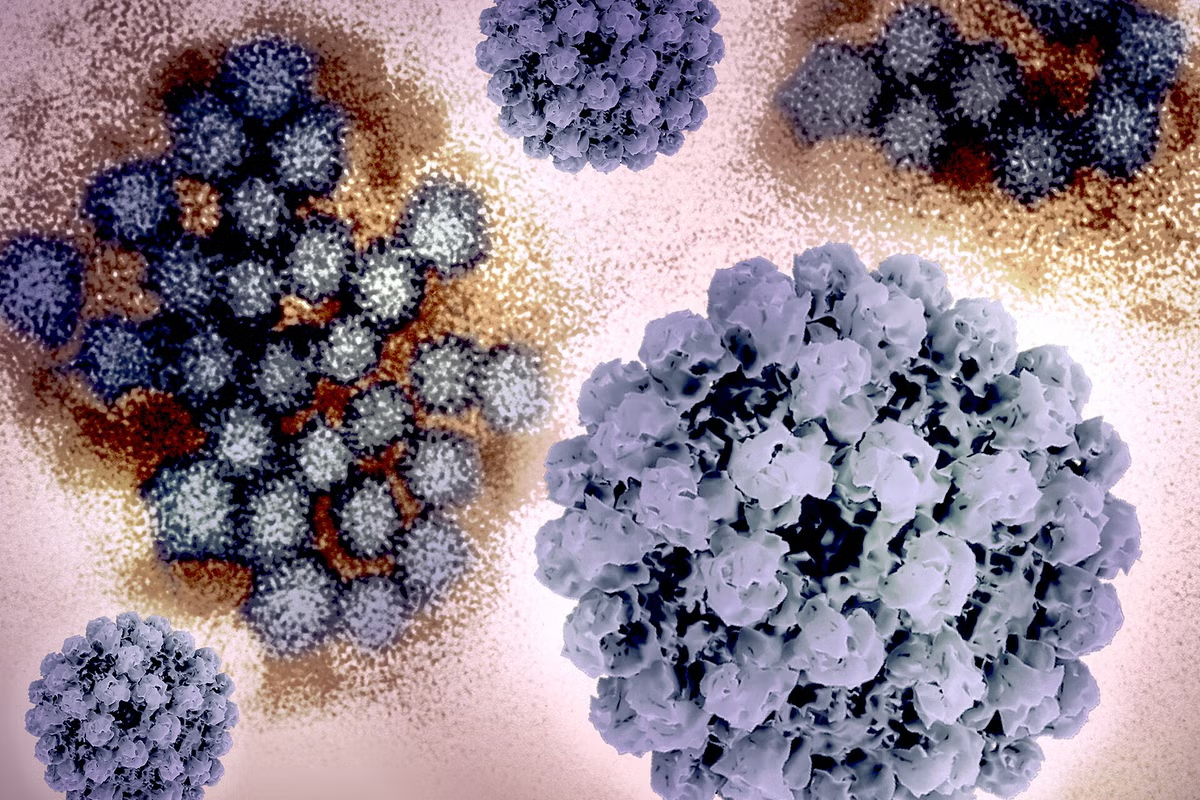
The outbreak of norovirus at a luxury hotel in Co Westmeath, leading to its temporary closure, is somewhat unseasonal. Norovirus is also known as the winter vomiting bug, reflecting its more common prevalence during the winter months. According to the Health Protection Surveillance Centre, there were just over 2,000 cases of norovirus infection reported here in 2025. Norovirus is one of the most common causes of gastroenteritis in the Republic. It causes nausea, vomiting and diarrhoea. These are usually mild, with symptoms resolving in two to three days. Norovirus infection can also cause a slight fever, headache, stomach cramps and aching limbs. Symptoms usually start within two days of becoming infected with the stomach bug.Norovirus spreads very easily in public places such as hospitals, schools and hotels. It spreads when small particles of vomit or faeces from an infected person are spread to those around them.This could occur when tiny droplets containing the virus are inhaled; by touching contaminated surfaces or objects (norovirus can survive outside the body for several days); and by eating contaminated food when a food handler does not wash their hands before handling food.You can get norovirus illness several times in your life because there are many different types of noroviruses, which are constantly mutating. Infection with one type of norovirus may not protect you against other types. There is no specific treatment for norovirus. Drinking plenty of clear fluids will help prevent dehydration. Older people and young babies are more at risk and may require intravenous fluids to overcome dehydration.Norovirus infection is difficult to prevent, but the following steps can help reduce its spread:Stay off work or school until at least 48 hours after the symptoms have passed – you should also avoid visiting anyone in hospital or nursing home during this time;If you have vomiting or diarrhoea, try to avoid visiting emergency departments – talk to your pharmacist or GP by phone instead;Wash your hands frequently and thoroughly with soap and water – do not rely on alcohol hand gels, as they do not kill the virus;Disinfect any surfaces or objects that could be contaminated – use a bleach-based household cleaner;Wash clothing or bedding that could have become contaminated separately on a hot wash to ensure the virus is killed;Do not share towels and flannels;Flush away any infected faeces or vomit in the toilet and disinfect the surrounding area. Use disposable gloves and paper towels to do this effectively;Avoid eating raw, unwashed produce.It is worth noting that noroviruses are relatively resistant to heat, so quick steaming processes will not heat foods enough to kill the bugs. And food contaminated with norovirus may look, smell and taste normal.
Winter vomiting bug norovirus outbreak closes deluxe Co Westmeath hotel
Dr Muiris Houston: Infection difficult to prevent, but following steps can help reduce spread
443 words~2 min read