By Charles Kennedy - Aug 27, 2026, 10:00 AM CDT
Visible commodity vessel transits through Hormuz rose to 10 on Wednesday from eight on Tuesday but remained below the 10-day average of about 15.
Qatar and Oman are pursuing separate diplomatic efforts with Iran concerning navigation and the future operation of the Strait.
Shipping remains hazardous, with another tanker struck by an unidentified projectile even as markets watch for signs of a diplomatic breakthrough.
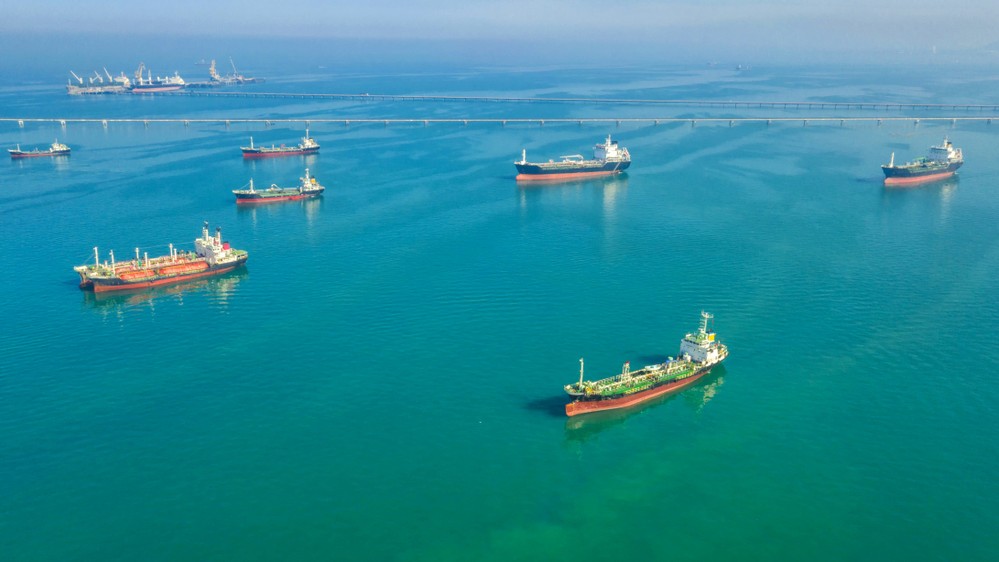
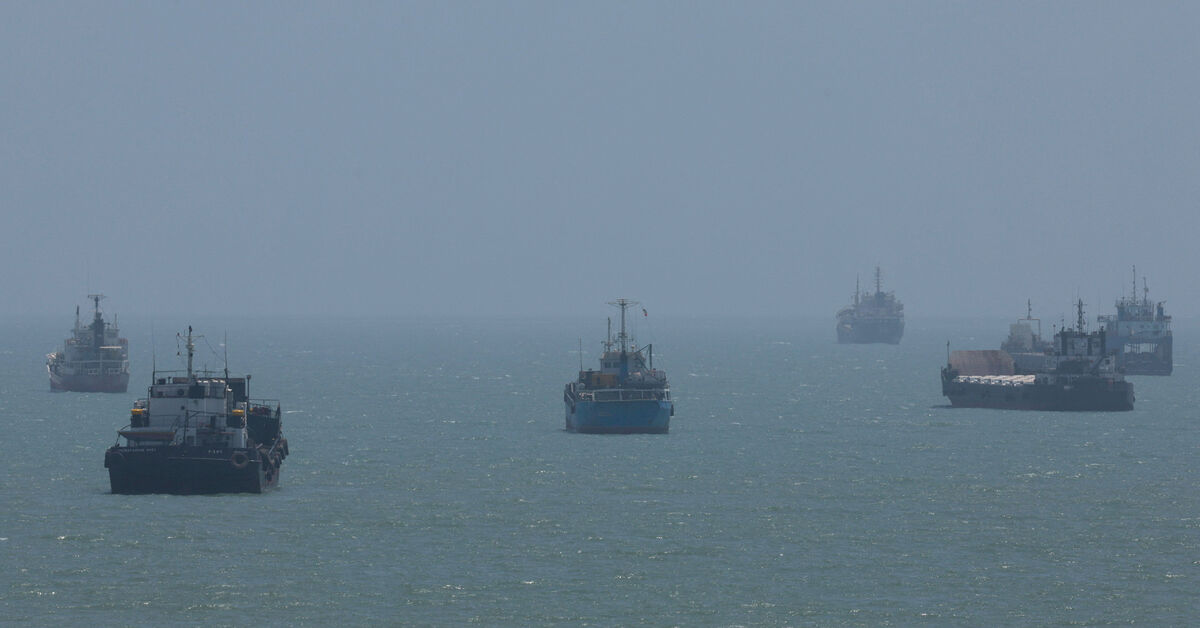
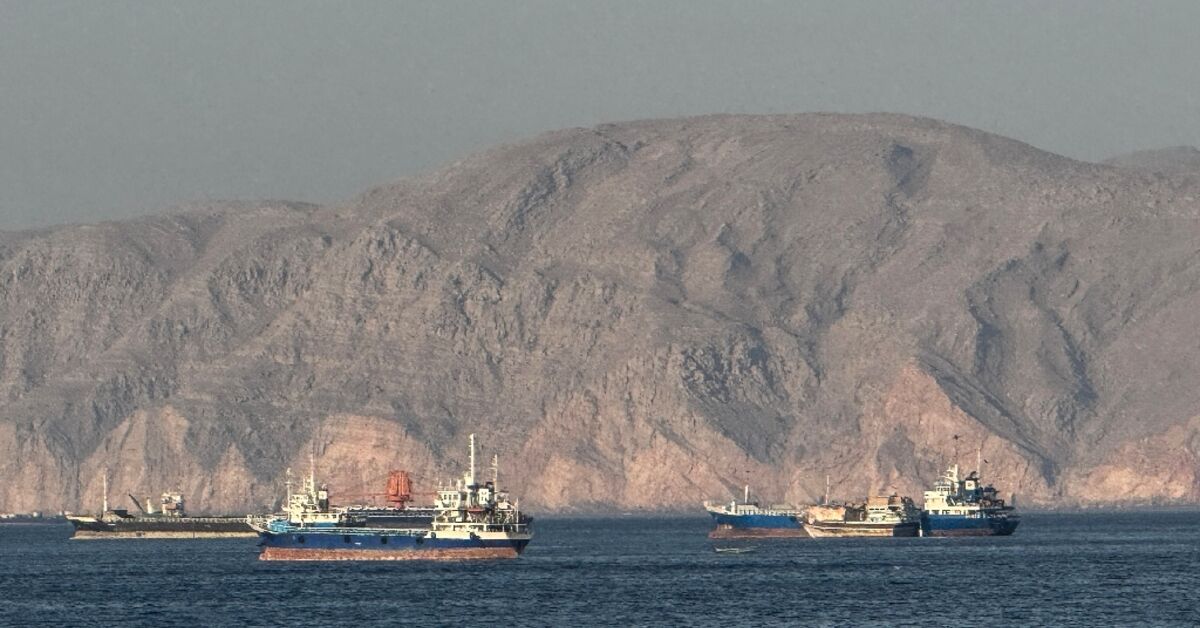
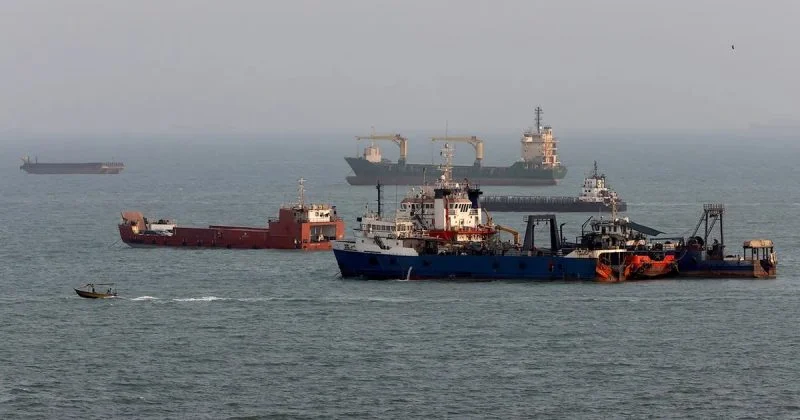
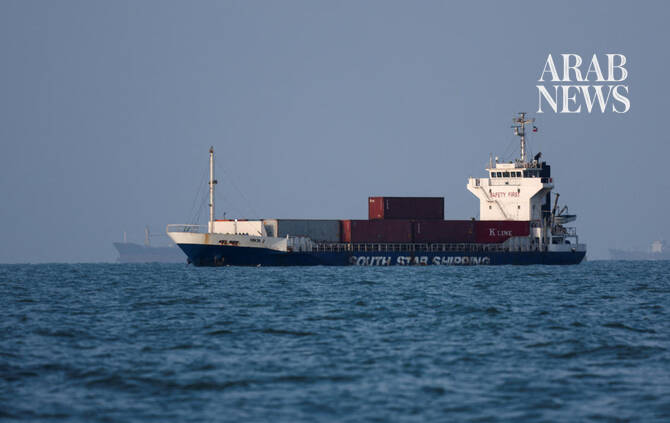
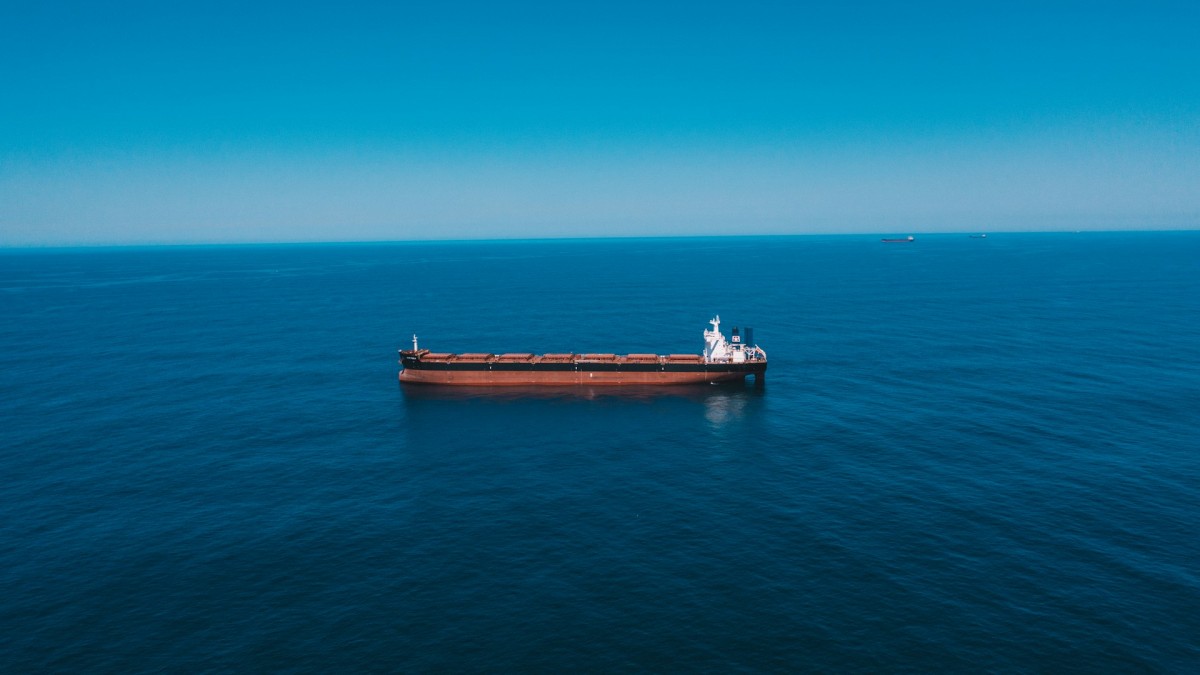
Commodity vessel traffic at the Strait of Hormuz rose slightly over the past 24 hours amid diplomatic efforts to discuss temporary corridors or tentative reopening of the Middle East’s most vital oil and gas chokepoint.Ten commodity vessels made the Strait of Hormuz transit on Wednesday, up from 8 on Tuesday, according to Kpler data as of Thursday morning, cited by Reuters.Despite the slight uptick in visible Hormuz crossings in recent hours, the Wednesday tally still lags the 10-day average of 15 vessels moving through the Strait in either direction.Of the Wednesday traffic, two fuel tankers, a carrier of liquefied petroleum gas (LPG), a Panamax oil tanker, and three handymax-sized tankers moved into the Persian Gulf via the Strait of Hormuz. Three vessels, including a fuel tanker, a bitumen tanker, and a bulk carrier, moved outbound from the Persian Gulf into the Gulf of Oman, according to Kpler’s data.While traffic at Hormuz rose slightly, transits at the Bab el-Mandeb Strait on the Red Sea fell to 19 ships from 24 vessels on the previous day.The situation in the region remains tense and constantly changing, amid another attack on a vessel and hopes that Oman and Qatar could reason with Iran about shipping through the Strait of Hormuz.In recent hours, yet another tanker has been struck by a projectile in the Strait of Hormuz, in a sign that tanker transits remain a high-risk endeavor in the area.At the same time, Qatar’s Prime Minister is visiting Tehran today to discuss the possibility of reopening the Strait of Hormuz.No details about the visit by Sheikh Mohammed bin Abdulrahman al-Thani to Tehran were made public besides a statement from Iran’s Foreign Ministry spokesman Esmaeil Baghaei that said the discussions would focus on Qatar’s continued role as a mediator between the warring parties and the latest developments in and around Hormuz.Oil prices fell early on Thursday as the market hopes, yet again, that there could be some diplomatic breakthrough that could ease the six-month-long Hormuz crisis.By Charles Kennedy for Oilprice.comMore Top Reads From Oilprice.comQatar and Kuwait Restore 70% of Pre-War Oil Exports Through HormuzThailand Accelerates Clean Energy Push to Cut LNG DependenceAlberta Premier Rejects Using Oil as a Weapon Against Trump