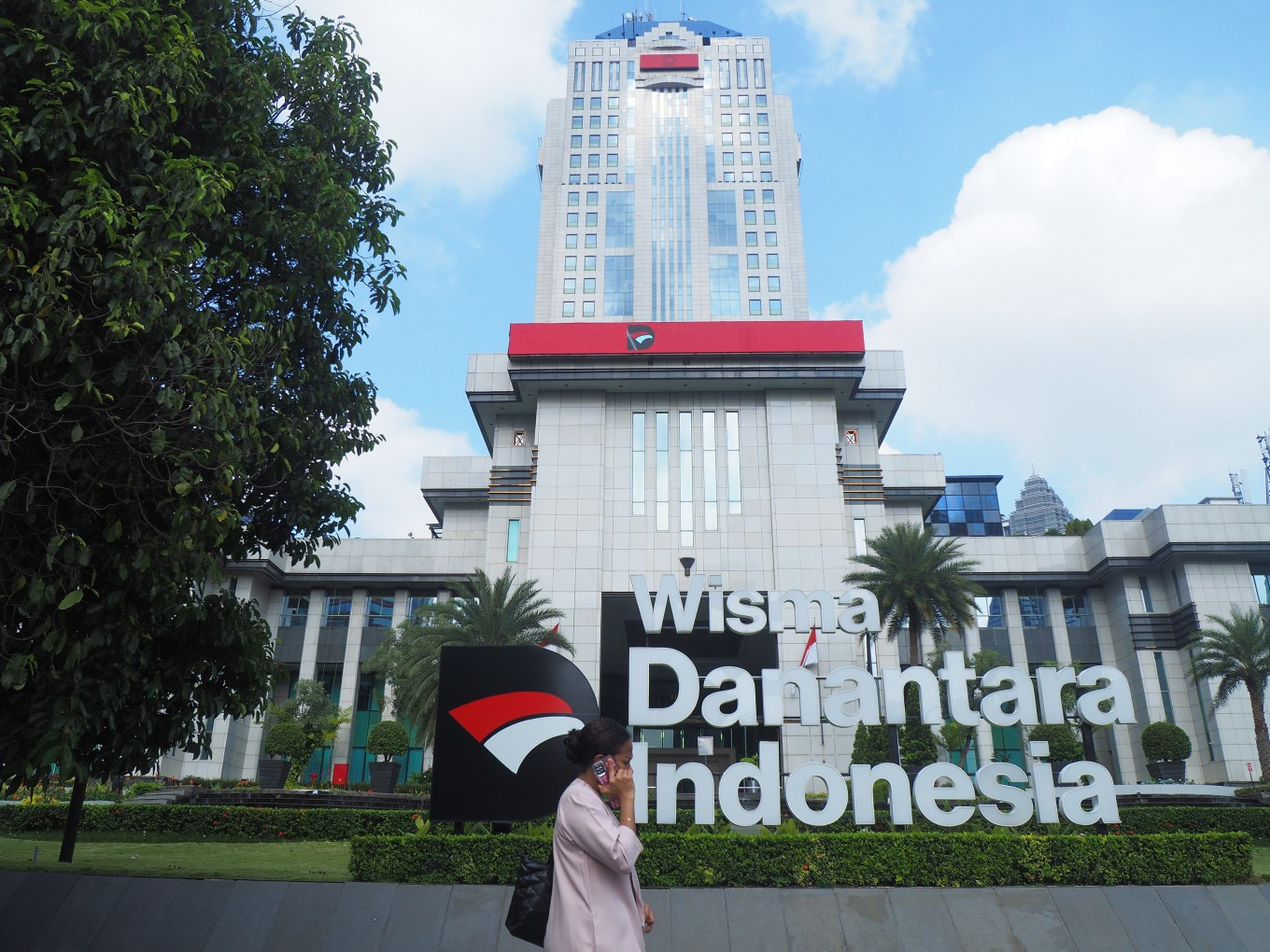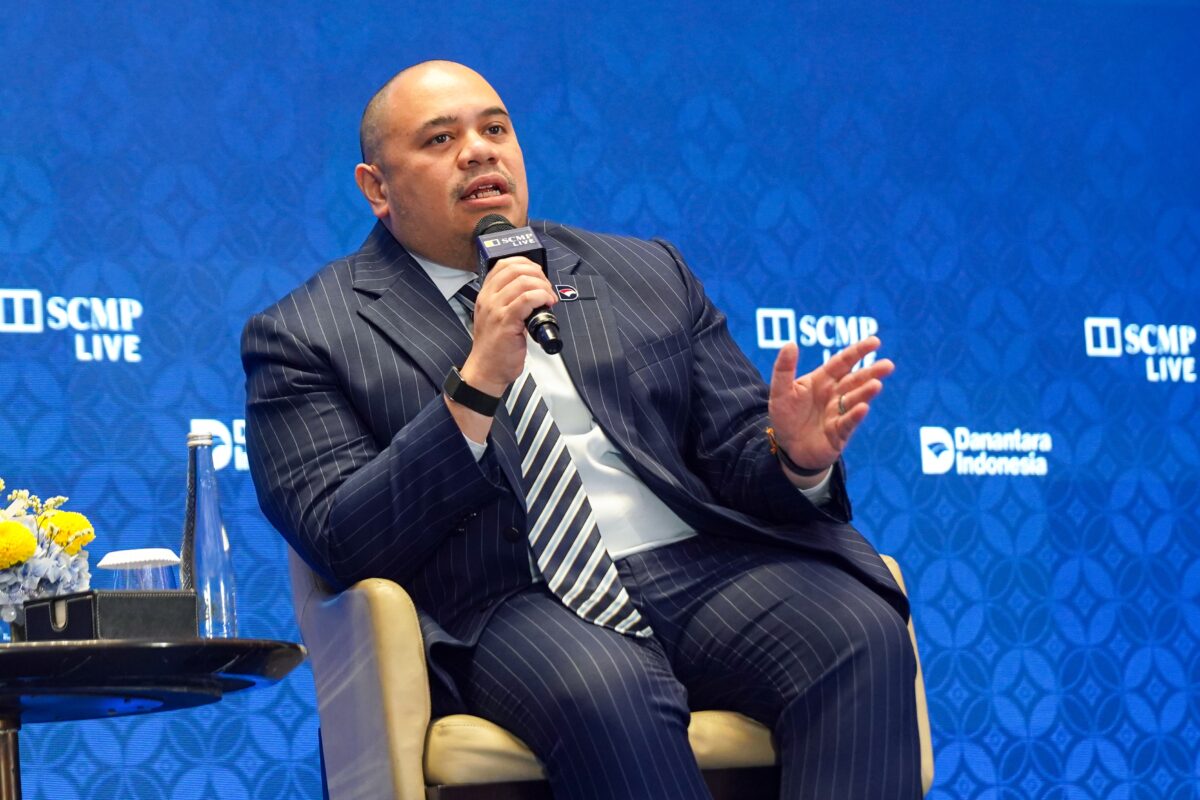
Indonesia’s sovereign wealth fund Danantara made a successful international capital market debut in June 2026, raising US$1.5 billion through its first international bond issue, with investor orders reportedly reaching approximately US$4.6 billion.
Amid foreign selling of Indonesian equities and lingering concerns about the country’s policy direction, the oversubscribed offering appeared to send a reassuring message that global investors still believed in Indonesia. But Danantara’s fundraising success also raises important questions about the fund’s purpose.
A conventional sovereign wealth fund (SWF) manages government assets to generate long-term financial returns for the state. In Danantara’s case, those assets consist mainly of stakes in state-owned enterprises. Improving their performance is therefore part of its core commercial mandate of increasing the value of the state’s portfolio.
But Danantara is increasingly expected to perform two additional functions: financing structural transformation like a development bank and implementing strategic priorities as an instrument of government policy. Each of these objectives is legitimate. But placing all three on one public balance sheet without rules for allocating costs, risks and accountability creates what might be called Danantara’s impossible trinity.