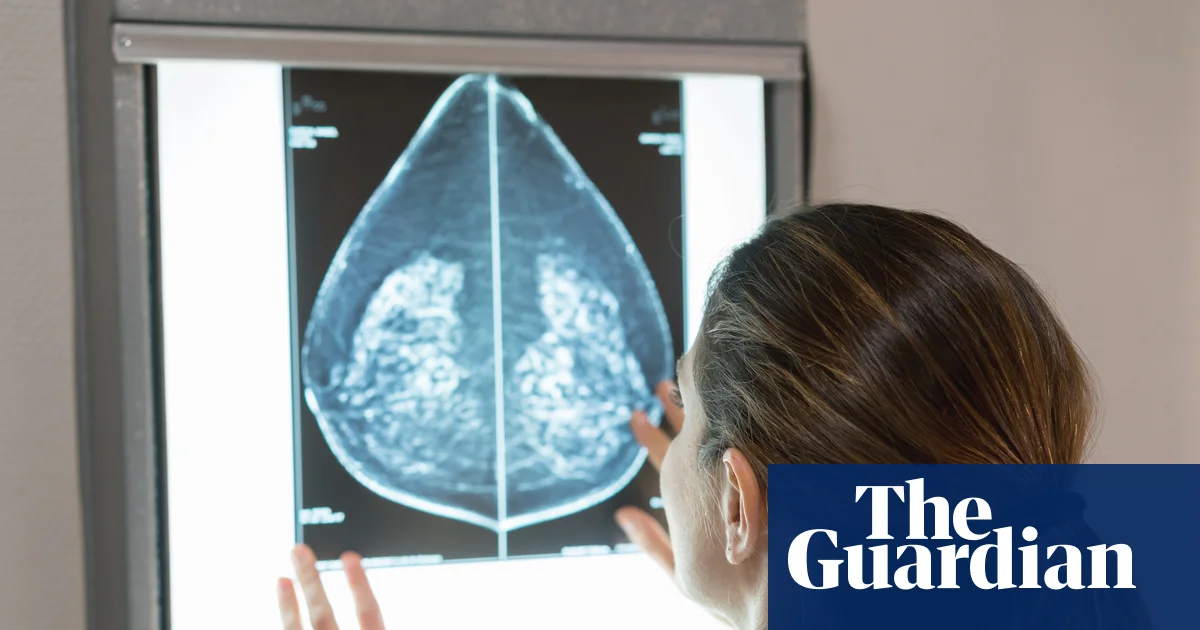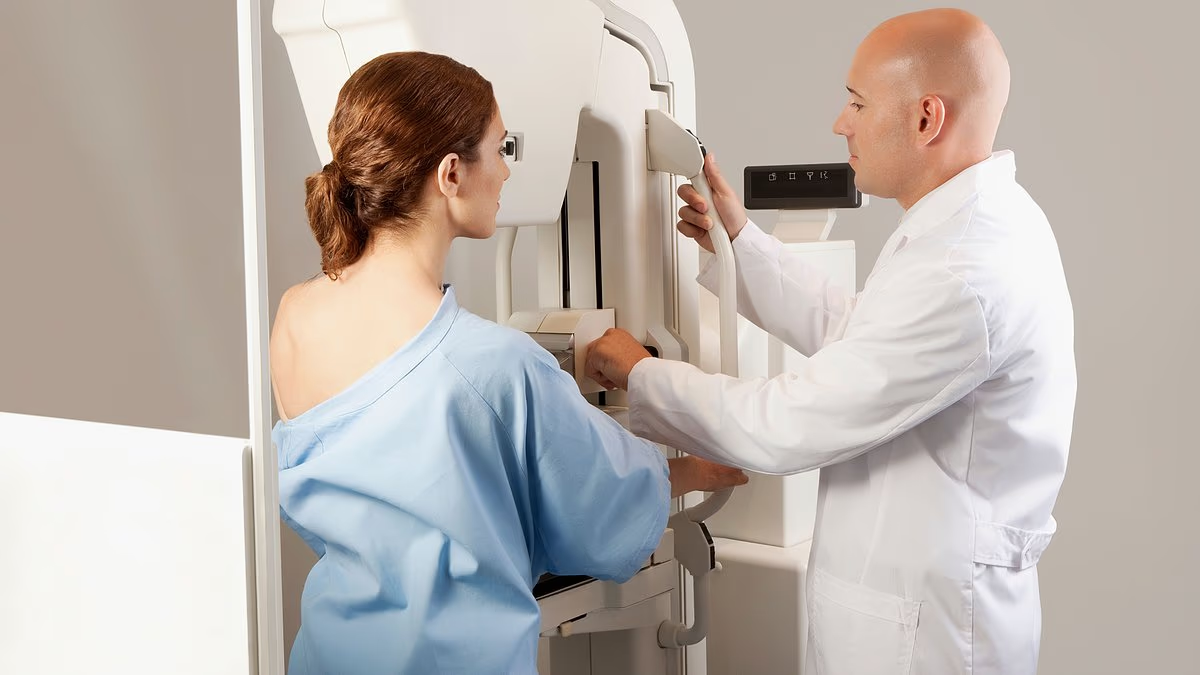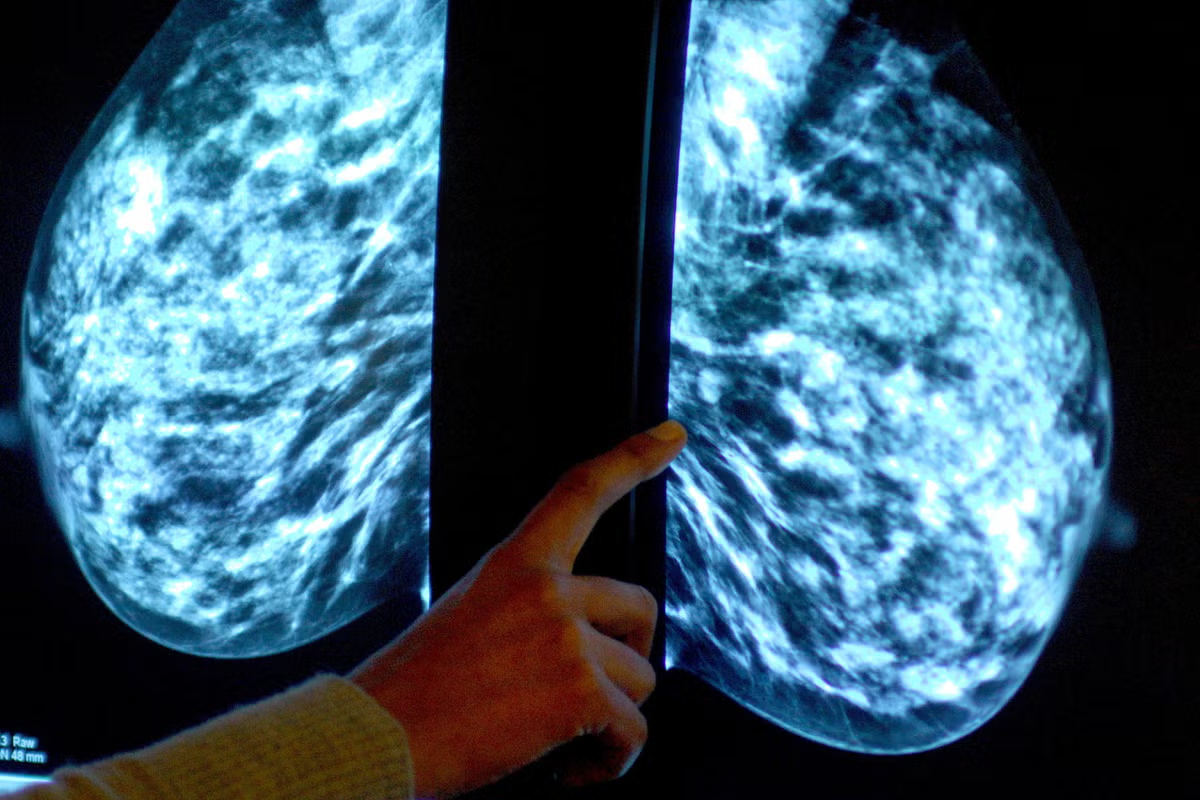
Women are still more likely to be misdiagnosed with heart problems but breakthrough research seen by the Mirror at a European heart conference suggests that could be about to change15:00, 27 Aug 2026Breast cancer checks could diagnose heart problems in millions of women and save lives, research suggests.Scientists have developed a programme to tell if a woman has high blood pressure, heart disease or an undiagnosed stroke just by looking at her mammogram scan.Over two million UK women have undiagnosed high blood pressure, known as hypertension, and described as the “silent killer” by experts. Many women also face deadly delays after being misdiagnosed when suffering a heart attack because it is still seen as a “man’s problem”.The breakthrough study, presented at the world's biggest heart conference in Munich, suggests routine breast screening could catch cardiovascular problems earlier and save lives.Researcher Dr Viana Copeland, from Tel Aviv University in Israel who is presenting the result at the annual meeting of the European Society of Cardiology, said: “Despite being the leading cause of death in women worldwide, cardiovascular disease (CVD) is consistently underdiagnosed and undertreated. When women do seek medical help, their CVD is already advanced.“On the other hand, many women do attend routine breast cancer screening, even when they haven't sought care for cardiovascular symptoms. Mammography also reaches many women in midlife, an important period for recognising and addressing cardiovascular risk.”Women have roughly half the number of heart attacks as men in the UK but it is still a major health problem. Coronary heart disease - the main cause of heart attacks - kills twice as many women as breast cancer in Britain and it is the single biggest killer of women worldwide.Some 33,000 women are admitted to hospital with a heart attack every year in the UK - one woman every 16 minutes. Despite this, previous research suggested women are 50% more likely to receive an incorrect initial diagnosis when having a heart attack.The new study trained an artificial intelligence (AI) programme before testing it on 97,000 mammography scans taken of 30,000 women between 2011 and 2025. Of these women 16% had hypertension, 2.5% had ischaemic heart disease and 2.5% had suffered a stroke.The programme was scored for accuracy with 1.0 representing a perfect result. The AI “deep learning” model scored 0.79 for hypertension, 0.78 for ischaemic heart disease and 0.86 for stroke.Dr Sonya Babu-Narayan, consultant cardiologist and clinical director at the British Heart Foundation, said: “Heart disease is the world's biggest killer of not only men, but also women."Despite this, the myth persists that it's only a ‘man’s disease’, meaning that when it comes to the heart, women are disproportionally unaware, unheard, under-diagnosed, under-treated and typically underrepresented in clinical research.“It is exciting to think that if the approach used in this large study from Israel is further proven, it could lead to better and earlier cardiovascular disease detection and prevention for women. AI could one day allow breast cancer screening programmes to become dual-purpose, helping to flag women with the highest risk of dangerous cardiovascular disease, as well as spotting breast cancer early.”The researchers are now working to improve the model’s accuracy and reduce both false positives and false negatives. They also plan to investigate whether breast cancer screening could be used to flag other heart conditions.Commenting on the findings, Associate Professor Elena Arbelo, member of the European Society of Cardiology, said: “As both a cardiologist and a woman, I find this concept compelling: a mammogram may one day do more than look for breast cancer − it may also offer a window onto cardiovascular health.Article continues below“That matters because CVD in women is still too often recognised late. It is great to see innovative AI studies being presented at ESC Congress 2026, aiming to address unmet needs. The challenge now is to establish accuracy and reliability − to move from experimentation to clinical implementation.”
Cancer scans could prevent heart attacks in women by flagging ‘silent killer’
Women are still more likely to be misdiagnosed with heart problems but breakthrough research seen by the Mirror at a European heart conference suggests that could be about to change
646 words~3 min read