The phones! They were one of the basic utilities of the 20th century, and were just about as reliable as death and taxes. Even when then power grid went down, you still had a fair shot of getting a phone call through thanks to the reliability of the Plain Old Telephone Service.
Today, we eschew the simplicity of copper and mechanical switches for the supreme bandwidth and capability of high-speed cellular connectivity. With that, we accept that the additional complexity comes with a risk of complicated failures that bring everything tumbling down. Australia’s largest telecommunications provider found that out to its peril just a few short months ago.
Networked Failures
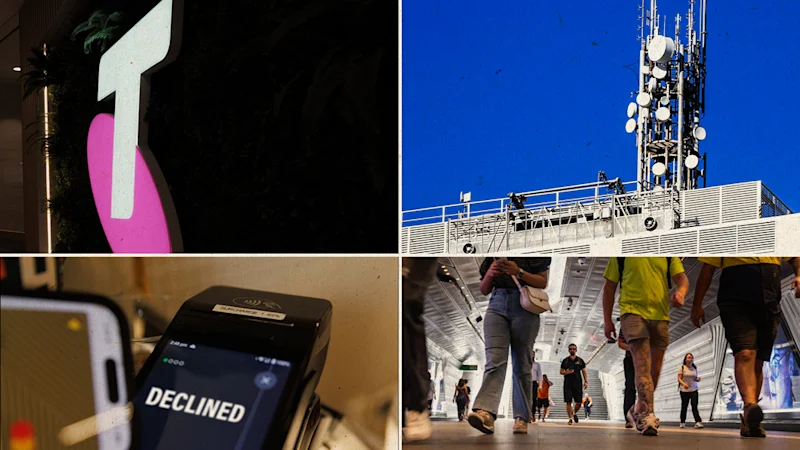
Generally, we expect our telecommunications networks to be supremely reliable. There is no moment of the day when someone doesn’t need to make a call, particularly in emergencies, and the wheels of industry and commerce depend on constant connectivity these days. Tolerance for failure is generally very thin. Despite this, and the efforts of engineers to maintain uptime at as many nines as possible, Telstra fell badly short on July 8th, 2026. The company had a nationwide outage that affected 8.8 million people, leaving them unable to make calls or connect to the network at all.