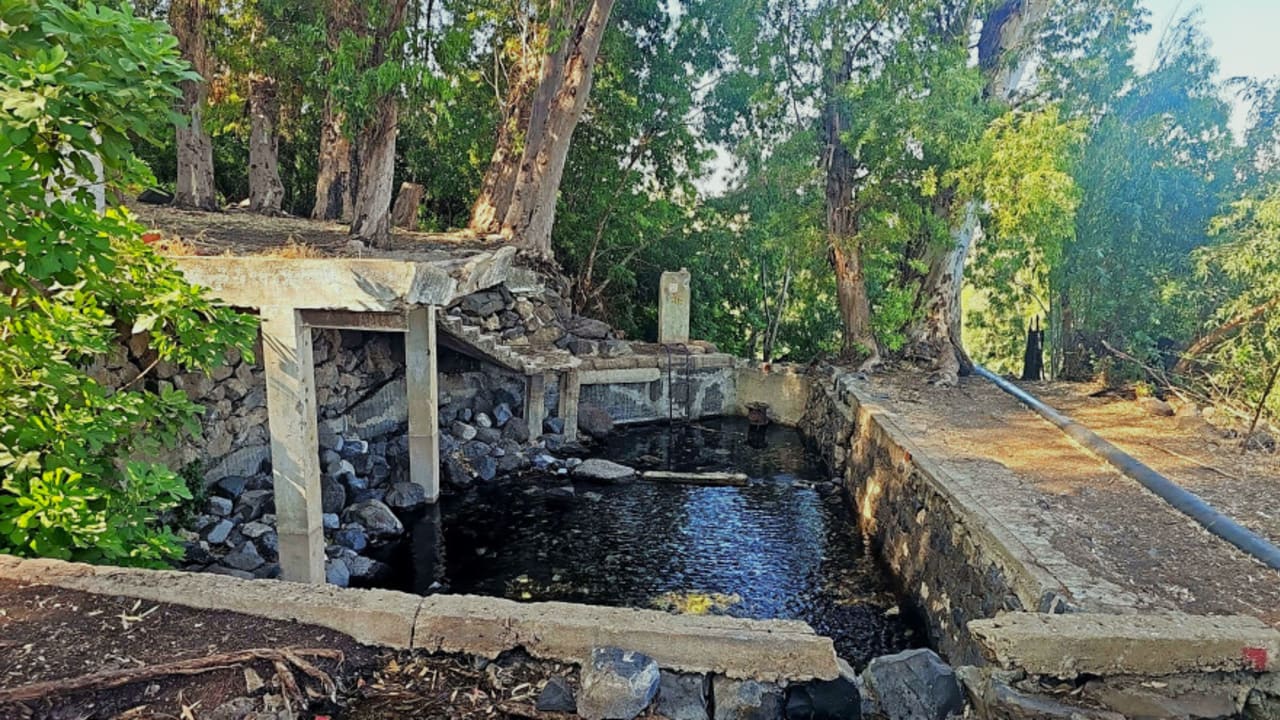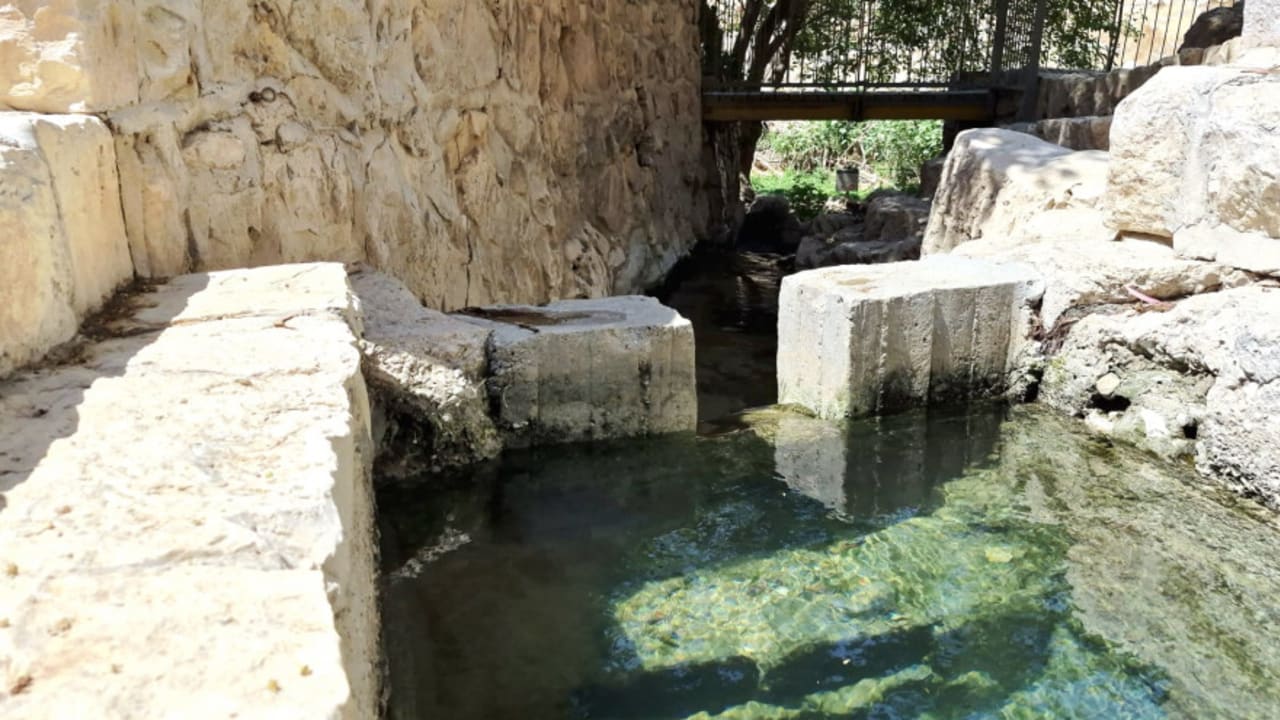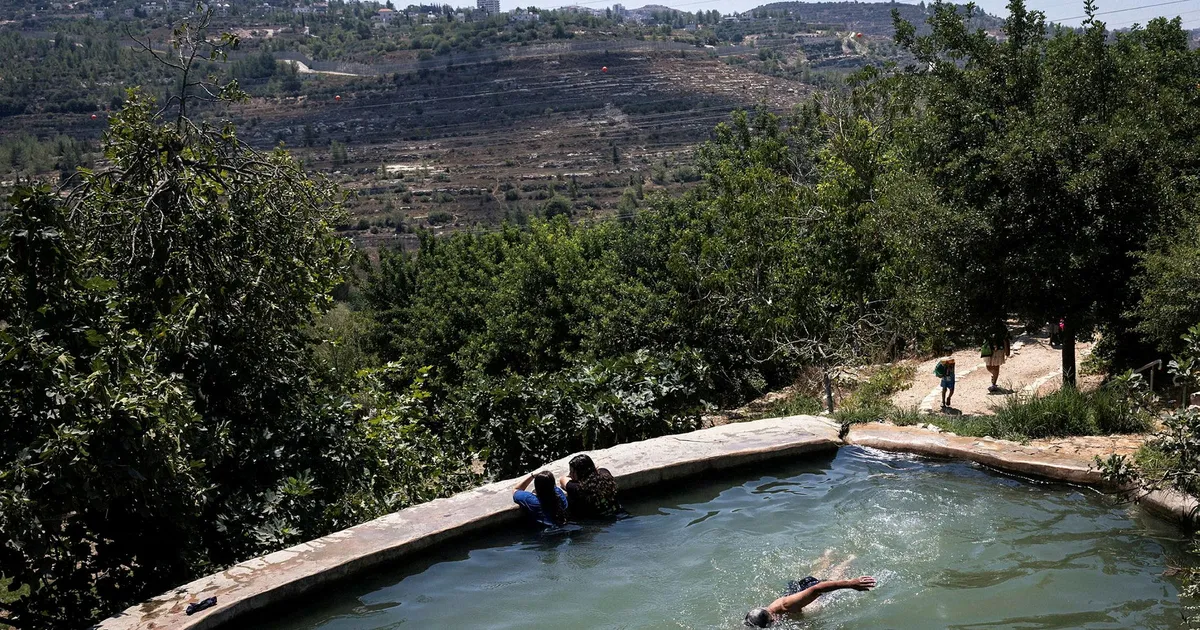
Current sectionIsrael NewsTravel in IsraelFollowing a determined environmental struggle, Ein Lavan's green natural space was saved. Now is a good time to visit itShare to FacebookShare to XArticle printing is available to subscribers onlyPrint in a simple, ad-free formatSubscribeComments: Zen reading is available to subscribers onlyAd-free and in a comfortable reading formatSubscribeEin Lavan. It was at the center of an environmental struggle. Credit: Itay CohenEin Lavan. It was at the center of an environmental struggle. Credit: Itay Cohen04:36 PM • August 27 2026 IDTSix young people sat in Ein Lavan's large pool. Since a long, frustrating traffic jam dogged the drive to the site, expectations were low. I was pleasantly surprised. The water was cold, clean and pleasant. The traffic congestion, it turned out, ended at the zoo's parking lot, about a kilometer before reaching the spring. Few arrived that scorching afternoon at the most beautiful pool in the Jerusalem area. Two blue pools in the heart of a green orchard are an oasis. In late August, this site is a valuable treasure. The upper pool is shallow, with toddlers sitting in it. The second is more beautiful and slightly rounded, about 1.5 meters deep. I did not see a third pool, whose construction was discussed in past. Anyone who followed the tenacious struggle to preserve Ein Lavan and its immediate surroundings is surprised and happy to find that the beautiful spring is still there. Better yet, one can simply dip in its pool for free. The Reches Lavan (White Ridge) plan, which all the planning committees had approved, was at the center of the largest environmental struggle in Jerusalem in recent years. Residents and environmental activists fought determinedly to preserve the green, natural space, which contains archaeological findings, ancient and new terraces, orchards, trees and animals. Thanks to them, the spring still exists and flows abundantly. Ein Lavan. Dipping in the water is free. Credit: Itay CohenEin Lavan. Dipping in the water is free. Credit: Itay CohenLarge figs are now ripening on the many trees around the spring. Their wonderful scent fills the air. These orchards belonged to the residents of the Arab village of Walaja. They were expelled about a kilometer south after the village was captured in October 1948. The site was handed over to Israel as part of the armistice agreement with Jordan in April 1949. The Green Line passed 500 meters south of the spring. Its residents moved to the southern bank of Nahal Refaim, to lands they owned, where they built New Walaja in the 1950s. The armistice line passed through the village lands. On the lands remaining on the southeastern side of the line, a refugee camp and a school were established. Moshav Aminadav was established on the village lands about a kilometer northwest of the spring. Reches Lavan separates the spring from Aminadav. Ein Lavan. The upper pool is shallow, with toddlers sitting in it. Credit: Itay CohenEin Lavan. The upper pool is shallow, with toddlers sitting in it. Credit: Itay CohenEin Lavan. Mayor Moshe Leon of Jerusalem said its trees would not be cut down under his watch. Credit: Itay CohenEin Lavan. Mayor Moshe Leon of Jerusalem said its trees would not be cut down under his watch. Credit: Itay CohenIn 2015, the spring near the zoo was renovated as part of the Jerusalem Park project. The Jerusalem municipality and the Israel Nature and Parks Authority restored the water pools. In 2017, the construction of 6,000 apartments was approved in Reches Lavan, above the spring. A clear and present danger loomed over the continued flow of water at the site. Four years ago, under pressure from environmental activists, Jerusalem mayor Moshe Leon decided to cancel the original plan and promote an alternative that would lead to the construction of a similar number of apartments on one-third of the area. Ein Lavan. You can also enjoy the figs. Credit: Itay CohenEin Lavan. You can also enjoy the figs. Credit: Itay CohenThe Green Line runs 500 meters south of the spring. Credit: Itay CohenThe Green Line runs 500 meters south of the spring. Credit: Itay CohenJust a month ago, Leon announced at the annual Science and Environment Conference: "I stopped the original Reches Lavan plan. When I examined the area, I saw the springs, the nature and the approximately 11,500 trees in it. We will not cut these down, certainly not during my tenure." It is difficult to know if this is a long-term reprieve, but for now, one can still enjoy the water and the figs. Directions: Put "Ein Lavan" in Waze or Google Maps. There is parking near the spring. From the parking lot, climb 40 steps to reach the pools. The cleanliness is good. Entry and parking are free.In the NewsCraving a Cool Midsummer Dip? Ein Lavan Is Your Best Bet Near JerusalemIsrael's Opposition Is Again Looking for Salvation in the Wrong PlacesMark Ruffalo Is Right: Calling Out Power Doesn't Make You an AntisemiteSlovenia PM Confirms Country Blocked EU Condemnation of W. Bank Settlement PlanBrouhaha in Academia: Did We Really Hunt Mammoths?Remembering and rebuilding two years laterICYMIAn Israeli Startup Is Reinventing Salmon Farming. It May Upend a Global IndustryHasan Piker Talks Hamas, anti-Zionism and Why Americans Are Fed Up With IsraelBeing Israeli Abroad Has Become Embarrassing. You Don't Talk About ItDavid Remnick on Netanyahu, Mamdani and Israel's 'Failure to Face' Gaza'Israel Is Sending Militias to Commit War Crimes – and I Have to Protect Them'Germany Found Its Israeli Villain. Will It Continue to Ignore What Produced Him?
Craving a cool midsummer dip? Ein Lavan is your best bet near Jerusalem
Following a determined environmental struggle, Ein Lavan's green natural space was saved. Now is a good time to visit it
917 words~4 min read