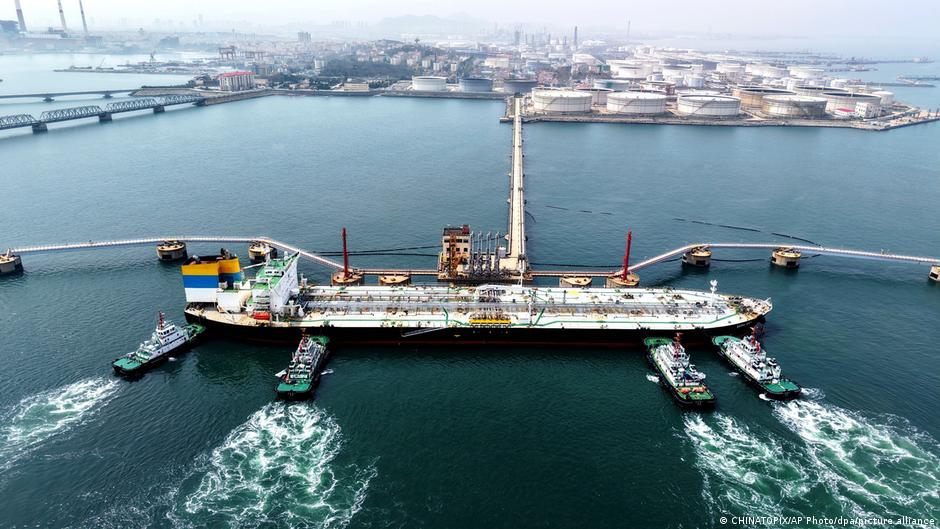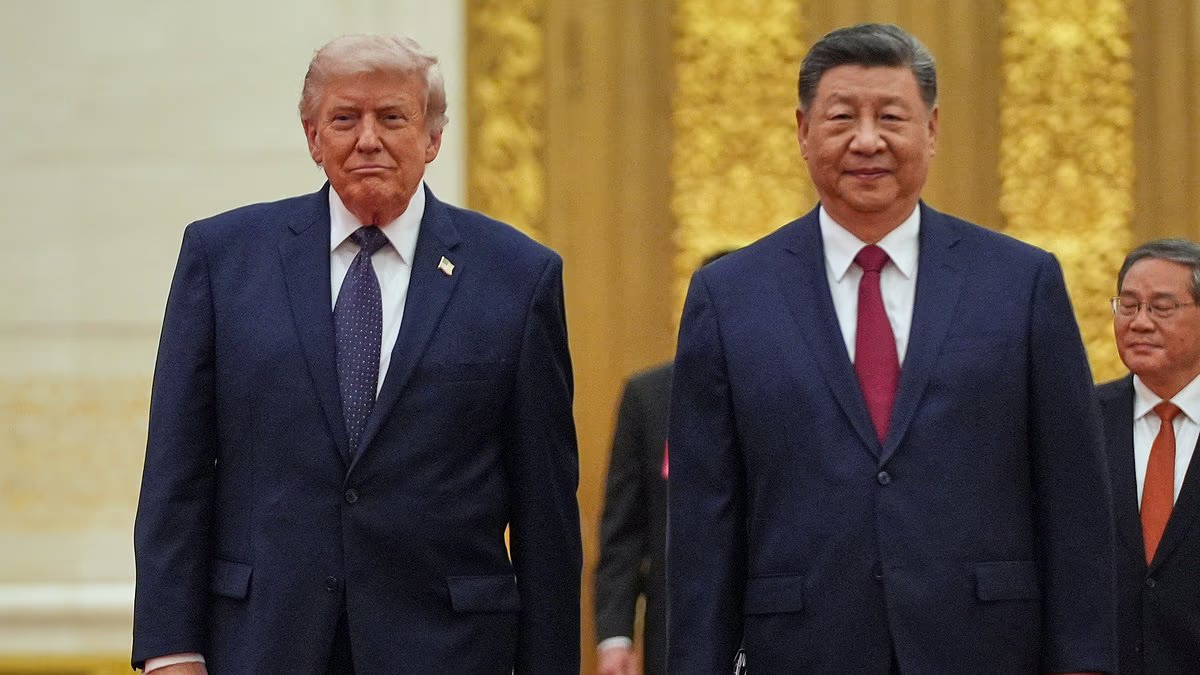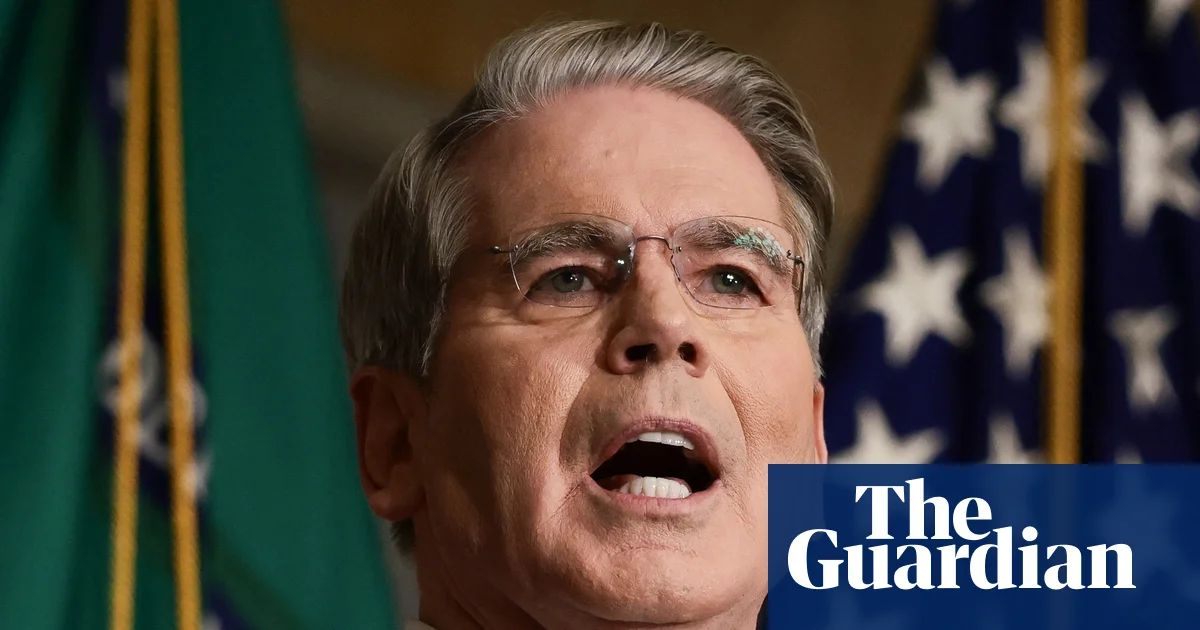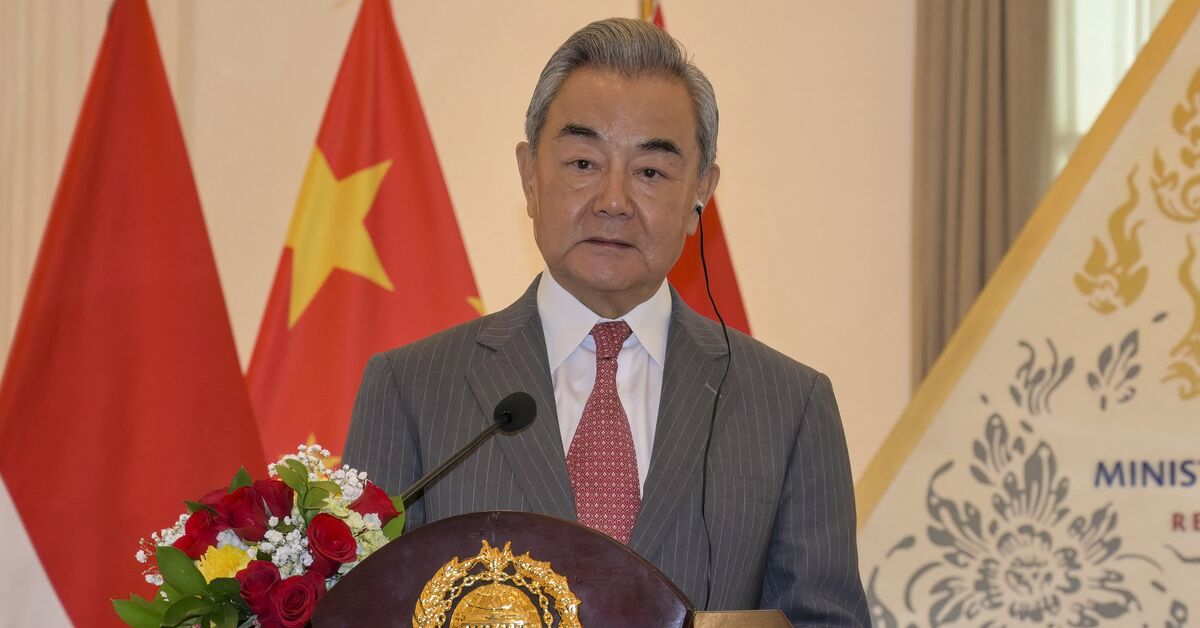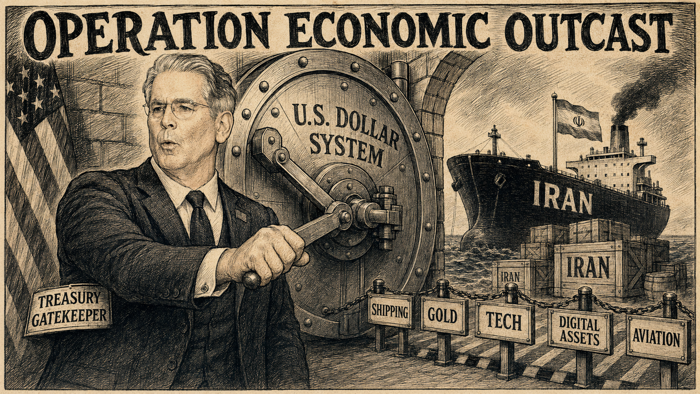
The United States has imposed sweeping sanctions on nearly 60 Iran-linked entities, spanning digital assets, technology, gold, aviation and shipping, as Washington seeks to “sever every economic lifeline” that sustains Tehran.Beijing denounced the measures, with the Chinese foreign ministry calling them “illegal unilateral sanctions” and vowing to “take all necessary measures to firmly safeguard its rights and interests”.With the fresh sanctions complicating an already delicate diplomatic detente, we examine the Chinese entities targeted, delineate Beijing’s red lines and assess the potential economic countermeasures that China’s leadership could utilise if tensions escalate.How do Washington’s new sanctions on Iran affect China?More than a dozen Hong Kong- and mainland-based entities and individuals were named in the latest round of sanctions, primarily for helping to procure sensitive goods or for shipping Iranian oil.This included Hong Kong-based Sweet Ocean, which the US alleged had acted as an intermediary for the acquisition of sensitive equipment, such as laser optics, bound for the heavily sanctioned Malek Ashtar University in Iran.Other Hong Kong-based firms, including Feili Co, Minvur and Feisu, allegedly transferred capital to Sweet Ocean and acted as front companies to facilitate payments for Iran’s “shadow banking” networks.Also on the list were Hong Kong-registered Riqueza and China-based Lilimoon Navigation, which US authorities accused of owning foreign-flagged ships transporting Iranian crude to China – Tehran’s biggest oil buyer.Washington also signalled a readiness to deploy secondary sanctions on countries that refuse to cut economic ties with Iran.
China and Iran sanctions: Beijing’s red lines and retaliation options
Washington’s new measures seen testing a recent bilateral detente with Beijing, and room for escalation remains, threatening trade, payments and supply chains.
238 words~1 min read