The case points to a larger challenge in treating thalassemia. While a blood stem cell transplant can offer a potential cure for eligible patients, finding a suitable donor remains a major hurdle.
| Photo Credit: File photo
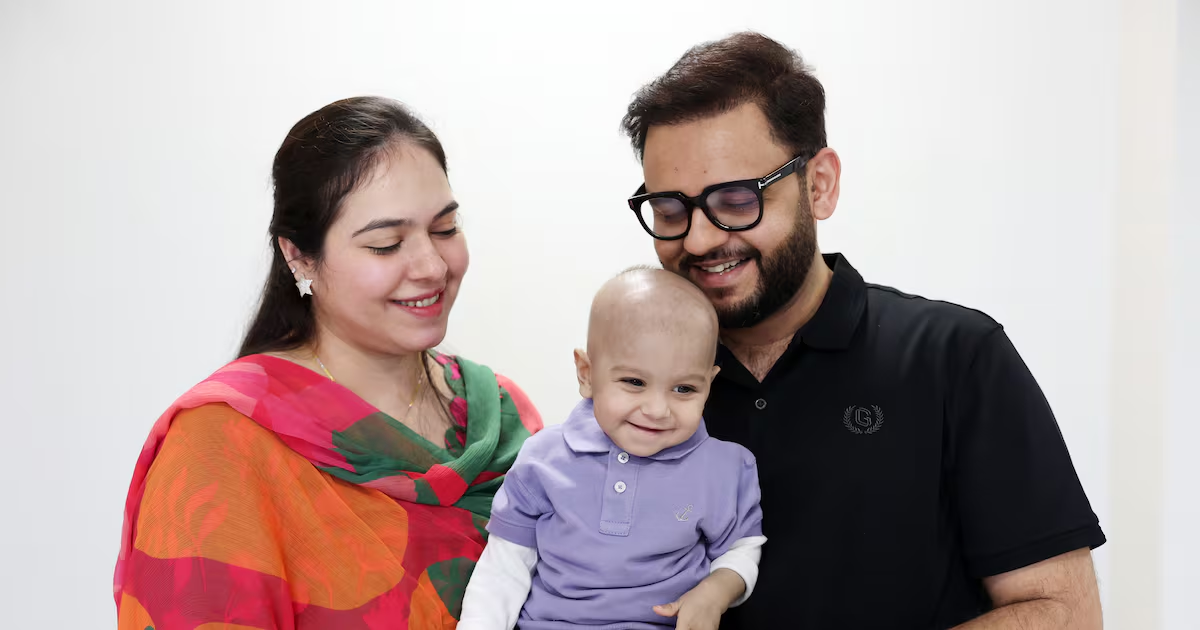
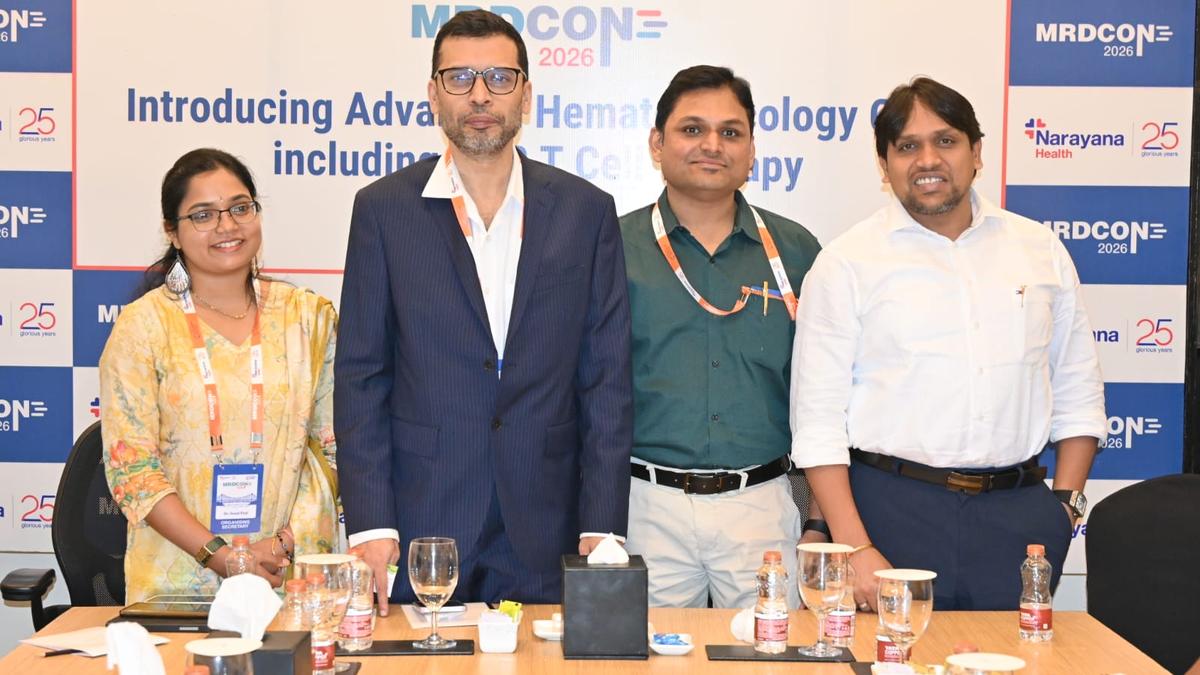
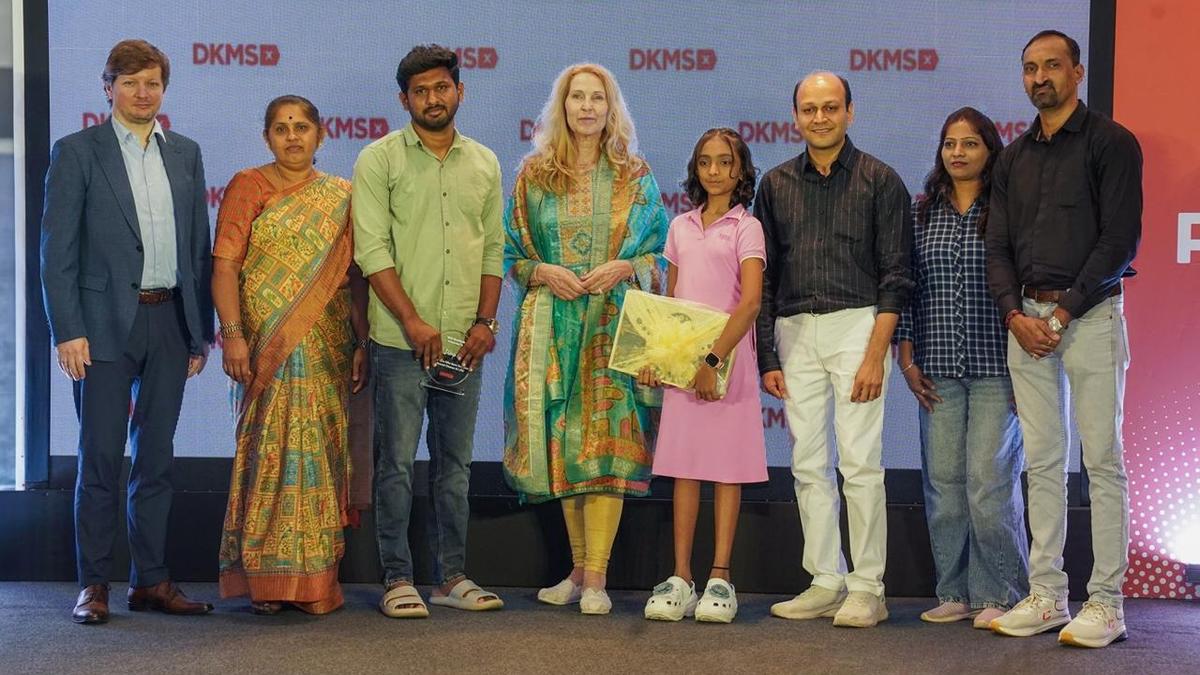
A two-year-old girl became a blood stem cell donor for her elder brother with thalassemia, giving him a chance at a healthier life.The story of Som and Khushi Yadav highlights the importance of finding a suitable human leukocyte antigen (HLA) match and access to blood stem cell transplantation for patients with thalassemia, particularly those from families who face financial and other barriers to treatment.Som was just five months old when he was diagnosed with thalassemia major. His younger sister, Saumya, was later diagnosed with the same condition. Neither had a full HLA match within the family, leaving them dependent on regular blood transfusions.For the family, which lives in a small village in Korba district, Chattisgarh, and faced financial difficulties, arranging blood and medicines every month was a constant challenge.A matching siblingThe family’s circumstances changed after Khushi, their third child, was born in 2021.The family underwent free HLA typing in Bengaluru through the DKMS Foundation India at a camp organised by Narayana Health and KASH Foundation. Khushi was found to be a perfect 12/12 HLA match for Som. DKMS Foundation works to help economically disadvantaged patients access high-resolution HLA typing and, where a family match is unavailable, connect with unrelated donors through global registries.In 2023, when she was just two years old, Khushi donated her blood stem cells to her brother and the procedure was carried out in Narayana Health in Bengaluru. Som has since recovered and is now healthy, attending school and leading what the organisation described as a normal life.Khushi was too young to understand what her donation meant, but her stem cells gave her brother an opportunity to move beyond the regular cycle of transfusions.The case points to a larger challenge in treating thalassemia. While a blood stem cell transplant can offer a potential cure for eligible patients, finding a suitable donor remains a major hurdle.More than 10,000 children are estimated to be born with thalassemia major in India every year, according to DKMS Foundation India. Patients with severe forms of the disorder require regular blood transfusions, while transplantation requires a suitable donor match.Need to expand donor poolPatrick Paul, Executive Chairman, DKMS Foundation India, said the Yadav siblings’ story also highlighted the difficulty many patients face in finding a compatible donor.“Not every patient with a blood disorder is fortunate enough to find a matching donor within their family,” he said.India’s genetic diversity makes finding a compatible unrelated donor particularly challenging, he said, adding that only 0.09% of Indians in the relevant age group were registered as blood stem cell donors. Published - August 27, 2026 06:31 pm IST