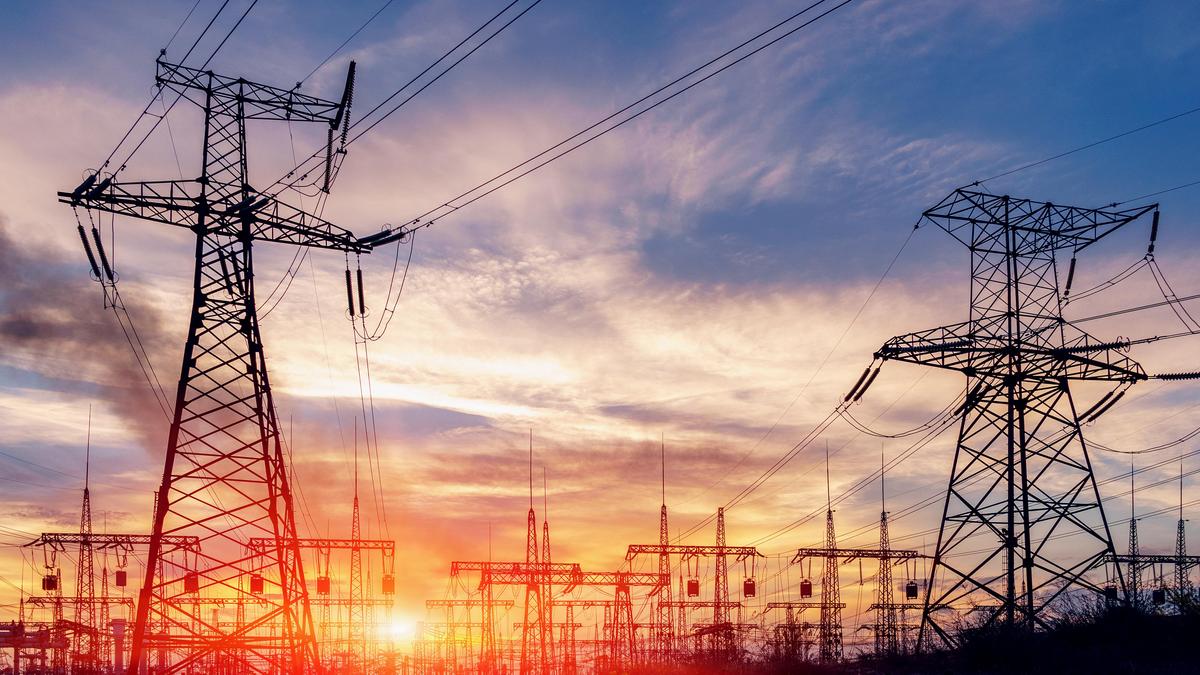
The industrial body has questioned why the sector was given an increase of nearly 10% when KPDCL and JPDCL had proposed an across-the-board increase of 5%
| Photo Credit:
Yelantsevv
: Jammu and Kashmir’s industrial sector is set to face higher operating costs as the new electricity tariff will come into effect from September 1, with key energy charges for industrial consumers rising by nearly 10 per cent.The increase is significantly higher than the 5 per cent hike proposed by Kashmir Power Distribution Corporation Ltd (KPDCL) and Jammu Power Distribution Corporation Ltd (JPDCL).Electricity charge increasedUnder the tariff order issued by the Joint Electricity Regulatory Commission (JERC) on August 20, the energy charge for low-tension (LT) industry has increased from ₹4.20 to ₹4.60 per kVAh, a rise of 9.52 per cent.For high-tension (HT) industry at 11 kV, the energy charge has been increased from ₹4.10 to ₹4.50 per kVAh, translating into a 9.76 per cent increase. Fixed and demand charges have also been revised.Industrialists said the increase would add to their cost of production at a time when businesses are already facing higher costs for raw materials, transportation and other inputs.“For manufacturing units, electricity is a direct production cost. Even a small increase in the tariff has a significant impact on units with high power consumption,” said Mukhtar Ahmad, President of Industrial Association at Industrial Growth Centre (IGC) Lassipora.The tariff increase comes as the government seeks to strengthen the industrial base of Jammu and Kashmir and encourage investment and expansion by existing units.Industrialists said the higher electricity cost could therefore become an additional consideration for businesses planning capacity expansion.The Federation of Chambers of Industries Kashmir (FCIK) has opposed the increase and filed a review petition before JERC, seeking reconsideration of the tariff order.Industrial body questionedThe industrial body has also questioned why the sector was given an increase of nearly 10 per cent when KPDCL and JPDCL had proposed an across-the-board increase of 5 per cent.FCIK has argued that the higher tariff could make manufacturing more expensive and potentially affect the competitiveness of local industries.Shahid Kamili, President and Head of Advisory Committee of FCIK told businessline that Kashmir’s location at the far end of the country already raises input costs for manufacturing units, as raw materials brought in from other States become more expensive due to transportation costs.“Any increase in power tariffs will further raise the cost of production and make manufacturing in Kashmir even more expensive,” he said.Published on August 27, 2026