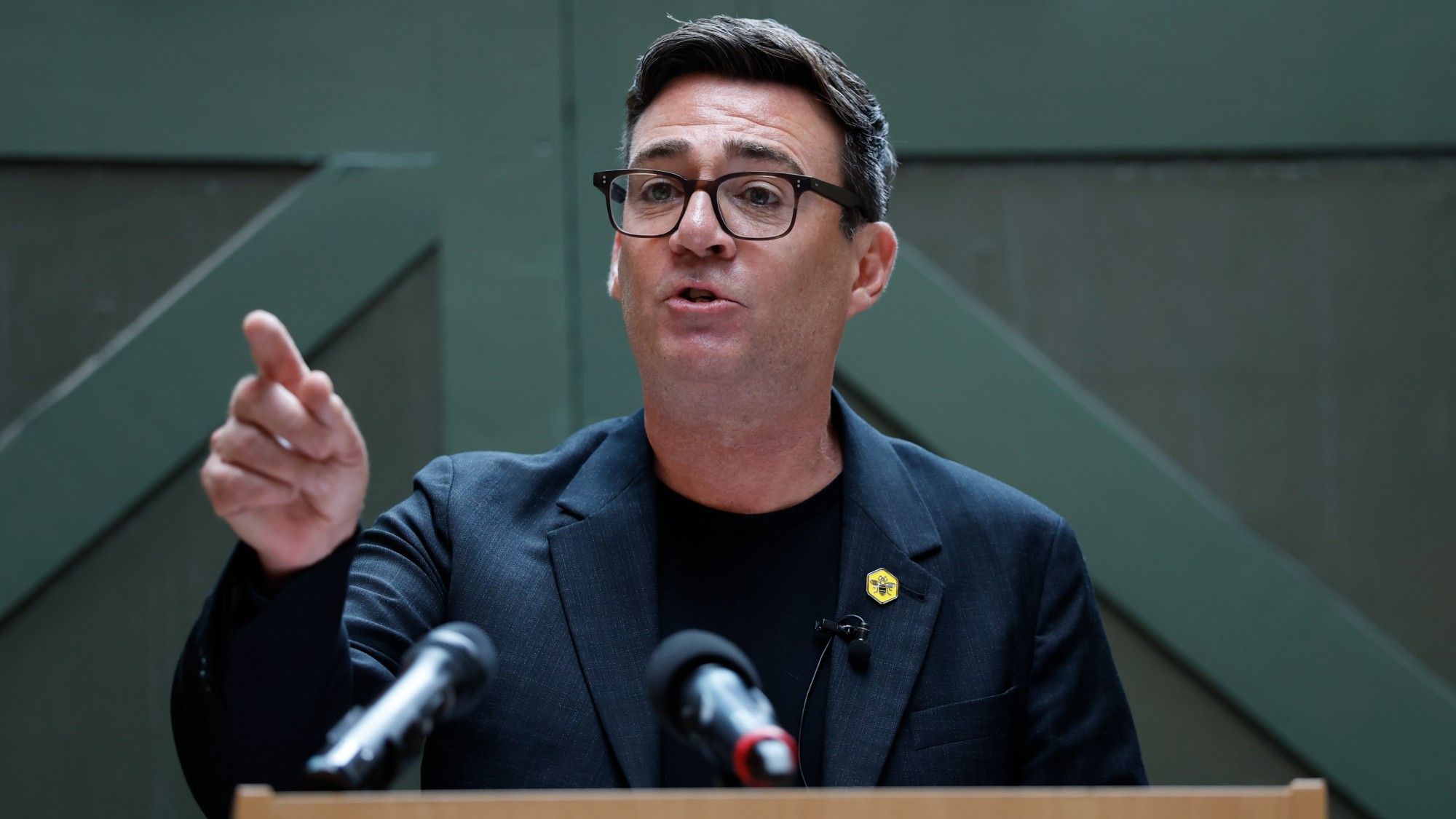
Andy Burnham’s inaugural speech as UK prime minister in July reaffirmed his commitment to deepening devolution. And his experience as mayor of Greater Manchester, the region whose devolution settlement is the deepest in England, illustrates the possibilities – and limitations – of what this might mean for tertiary education.
Burnham also signalled continuity with the post-16 education and skills White Paper, published in October 2025 – the ambitious proposed reforms included a more unified post-16 system, designed around pathways that serve both individual aspirations and local labour markets.
This matters for widening participation, in particular: when funding regimes, accountability frameworks and institutional incentives pull in different directions, it is not the well-advised student with a clear route to university who suffers. It is the student weighing an apprenticeship against a college course against a degree, in a system that offers no mechanism for comparing them honestly and no opportunity to move between them without starting again.
So what could a devolved education and skills system achieve? We already have evidence that national policy can accommodate local context. Through extensive and inclusive consultation with students, employers, experts and educators, the recent Curriculum and Assessment Review redeveloped the national curriculum, now running up to age 19. The curriculum applies to all providers at school and college level, but the review extended the flexibility within it for institutions to design and develop content relevant to their own student cohorts and local labour markets. This simultaneously recognises the importance of pedagogical expertise in designing curricula and the value of employer insights to inform content.