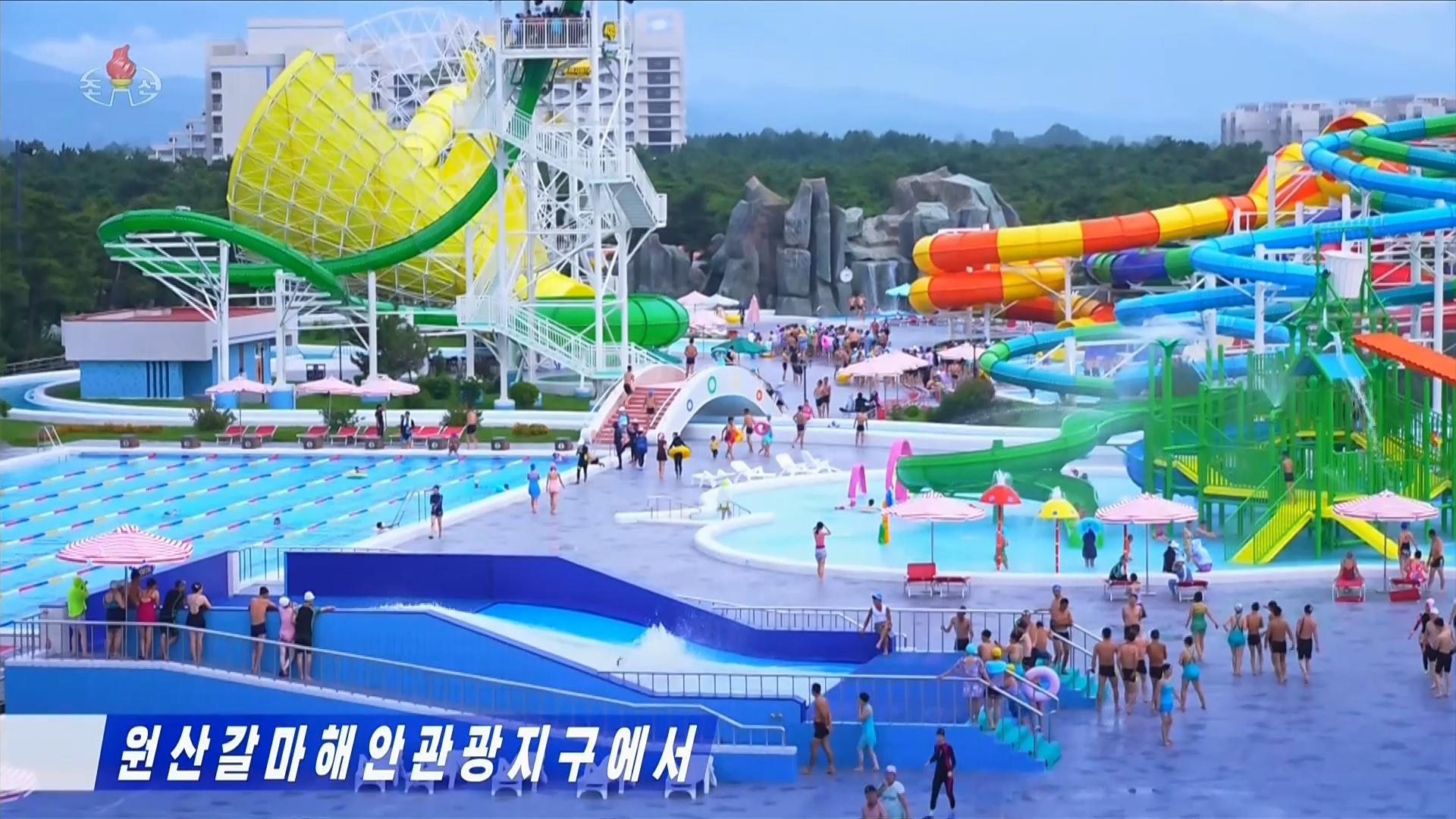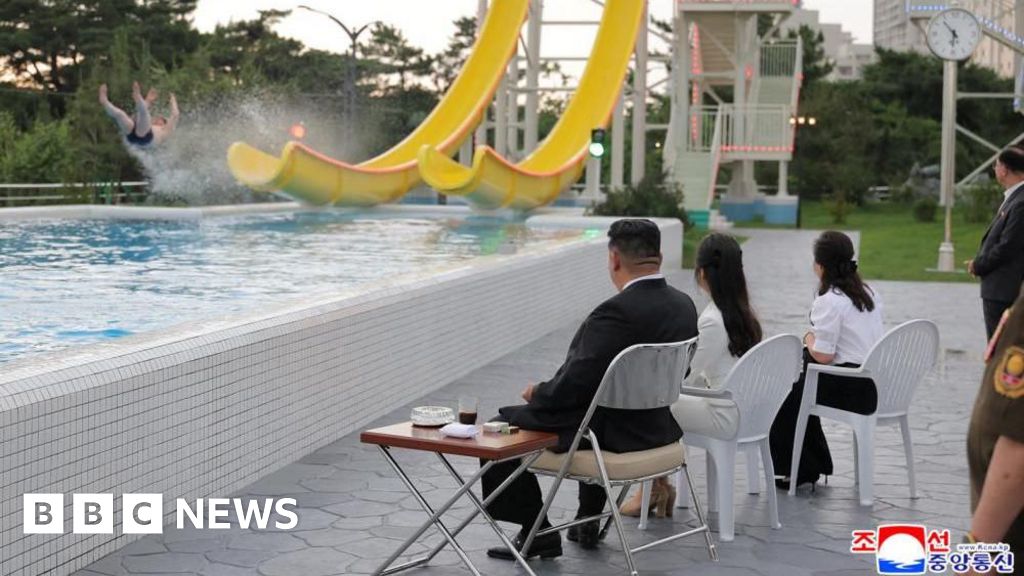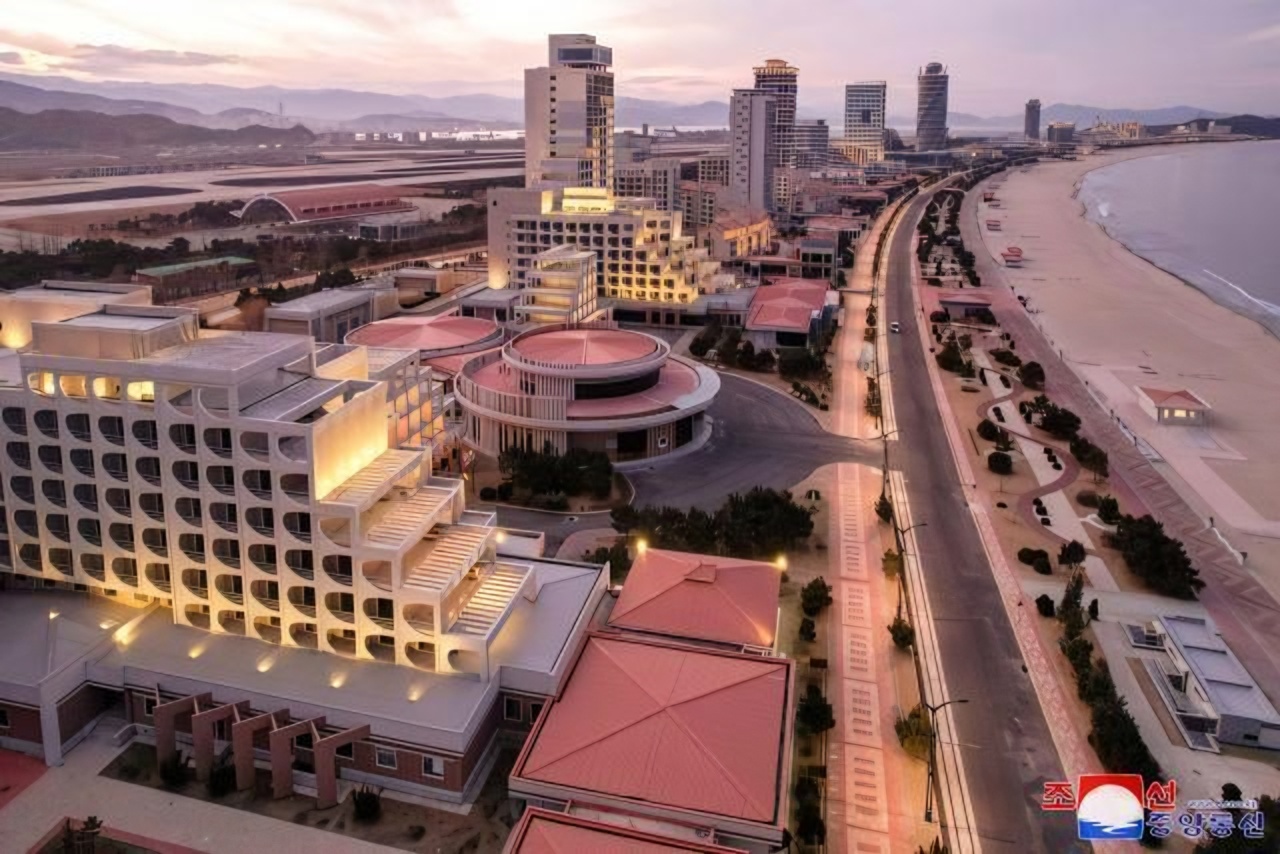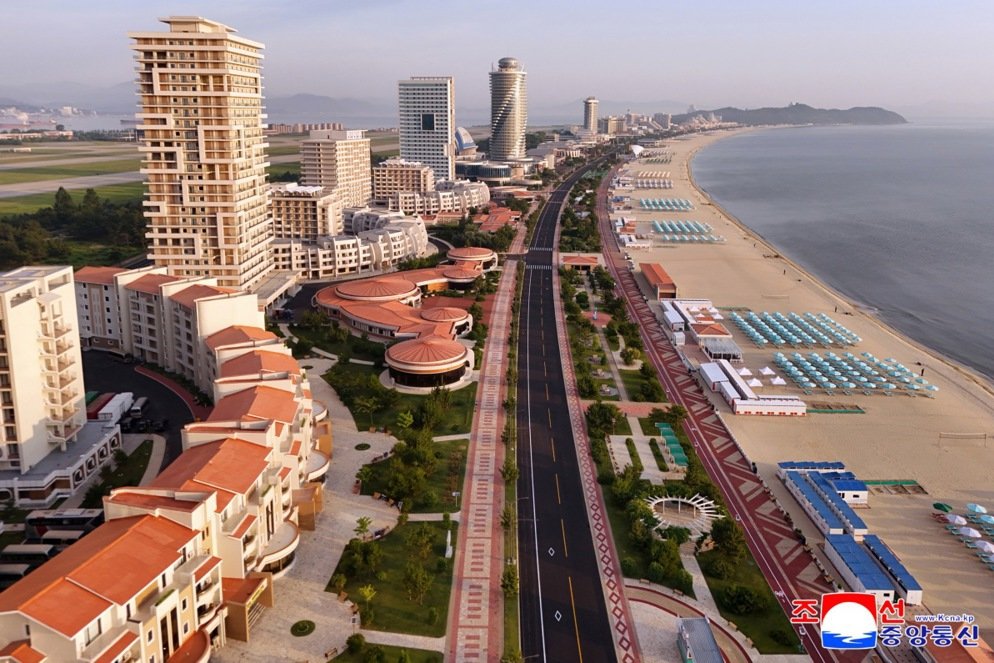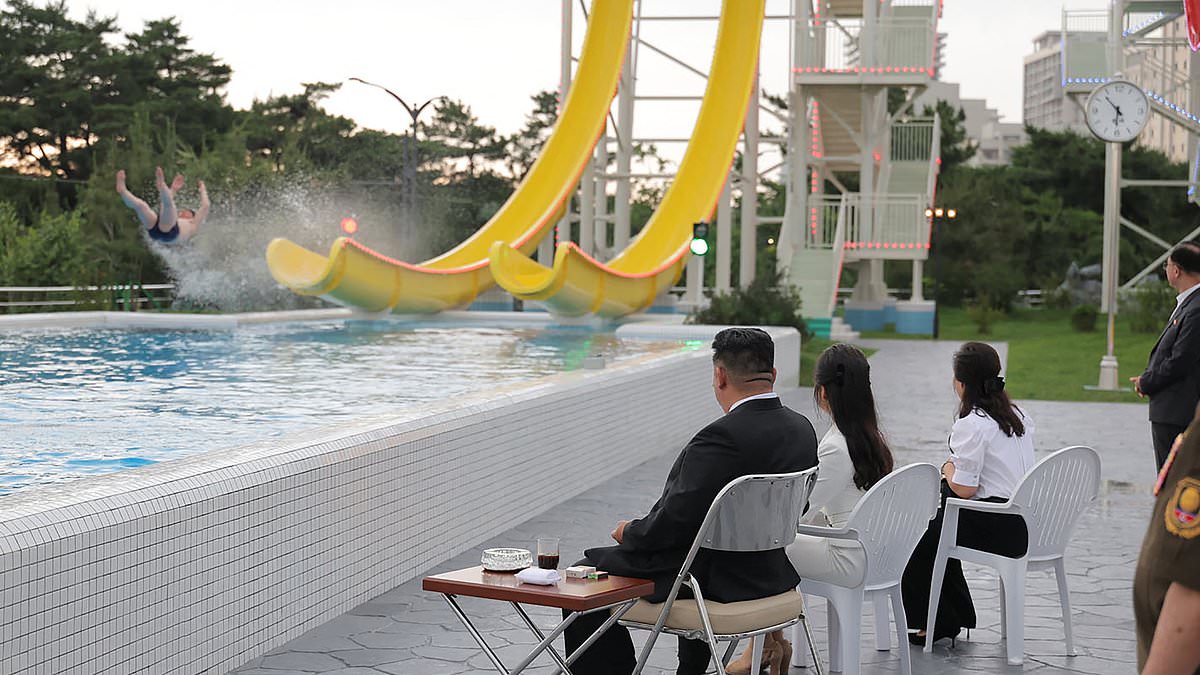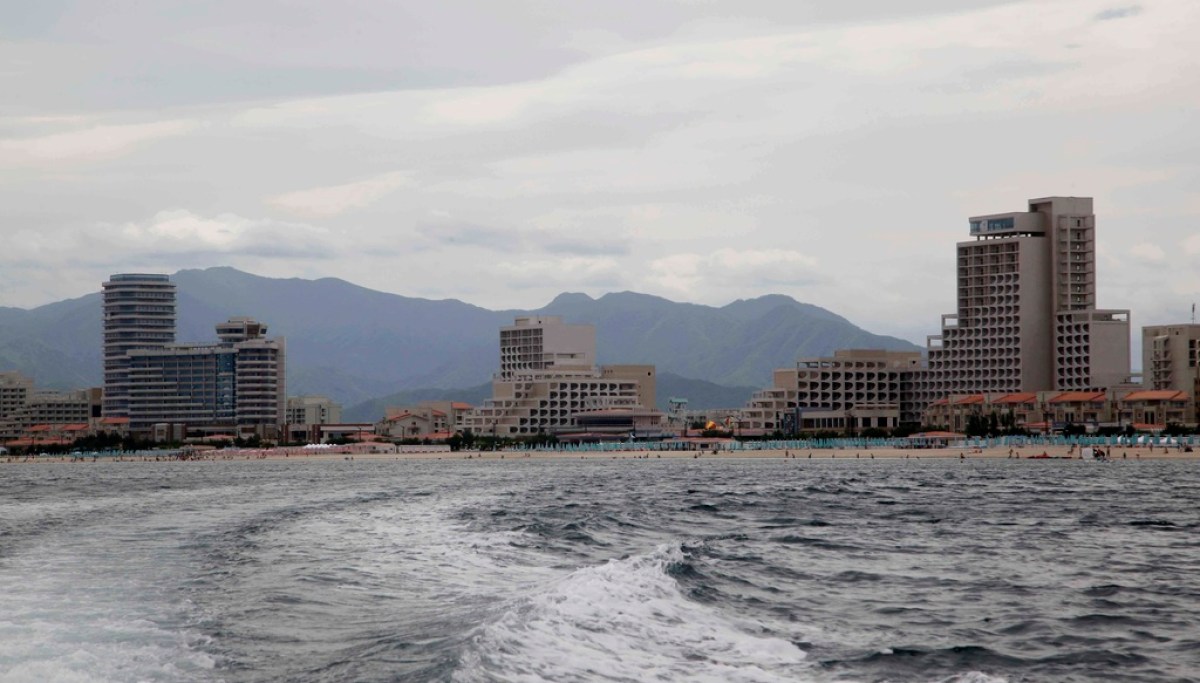
A massive tourist city has been built on North Korea‘s eastern coast: the Wonsan-Kalma Coastal Tourist Zone. Long pursued by the Kim Jong Un regime, the project opened in July 2025. Boasting large-scale accommodations capable of hosting around 20,000 people, beaches, water parks, and commercial and convenience facilities, Pyongyang heavily promoted the area as a world-class tourist destination. Yet, one year later, one cannot help but ask: Who is North Korea waiting for?Wonsan-Kalma was developed not as a domestic vacation spot for its own citizens, but from the start as a core facility to attract foreign tourists and earn hard currency. For a North Korea bound by international economic sanctions, tourism represents a relatively accessible industry for securing foreign revenue. The problem, however, is that building tourist facilities and actually bringing in tourists are entirely different challenges.
The facilities are already complete. Hotels, beaches, water parks, and various amenities are in place, and in June 2026, Kim Jong Un personally inspected the railway station designated for transporting tourists. Yet, the scope of foreign visitors actually coming to the site remains severely limited. Since its opening, group tours have been composed almost entirely of Russian visitors, while Chinese tourists — who historically accounted for the vast portion of North Korea’s tourism — have yet to return in earnest following the COVID-19 pandemic. In February 2026, Chinese Ambassador to North Korea Wang Yajun visited Wonsan-Kalma, followed by a promotion of the zone by the Chinese Embassy in March and a visit by senior Chinese Communist Party official Wang Huning in July. While these scenes demonstrate that China remains one of the tourists North Korea desires most, they have yet to translate into an actual revival of Chinese tourism.