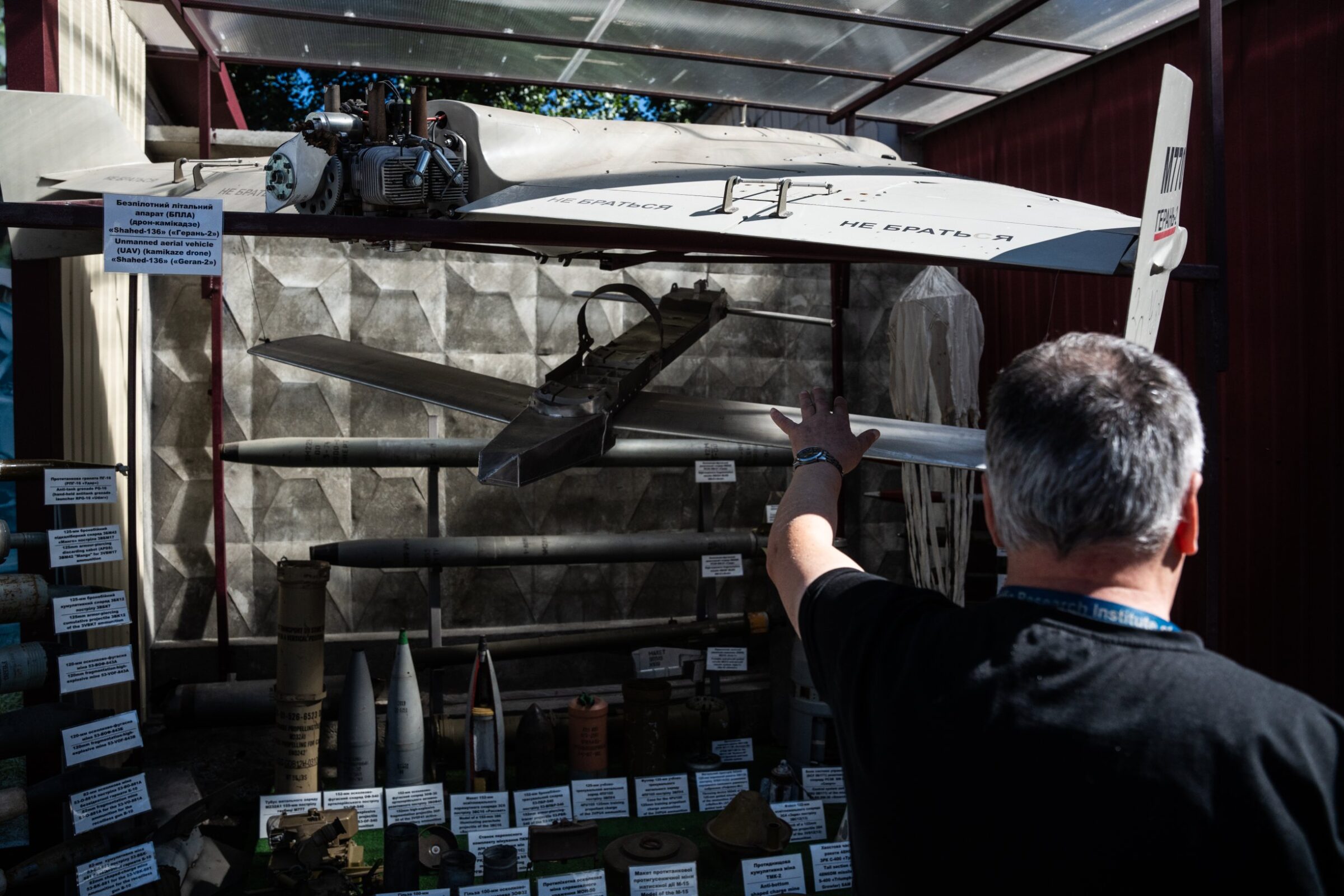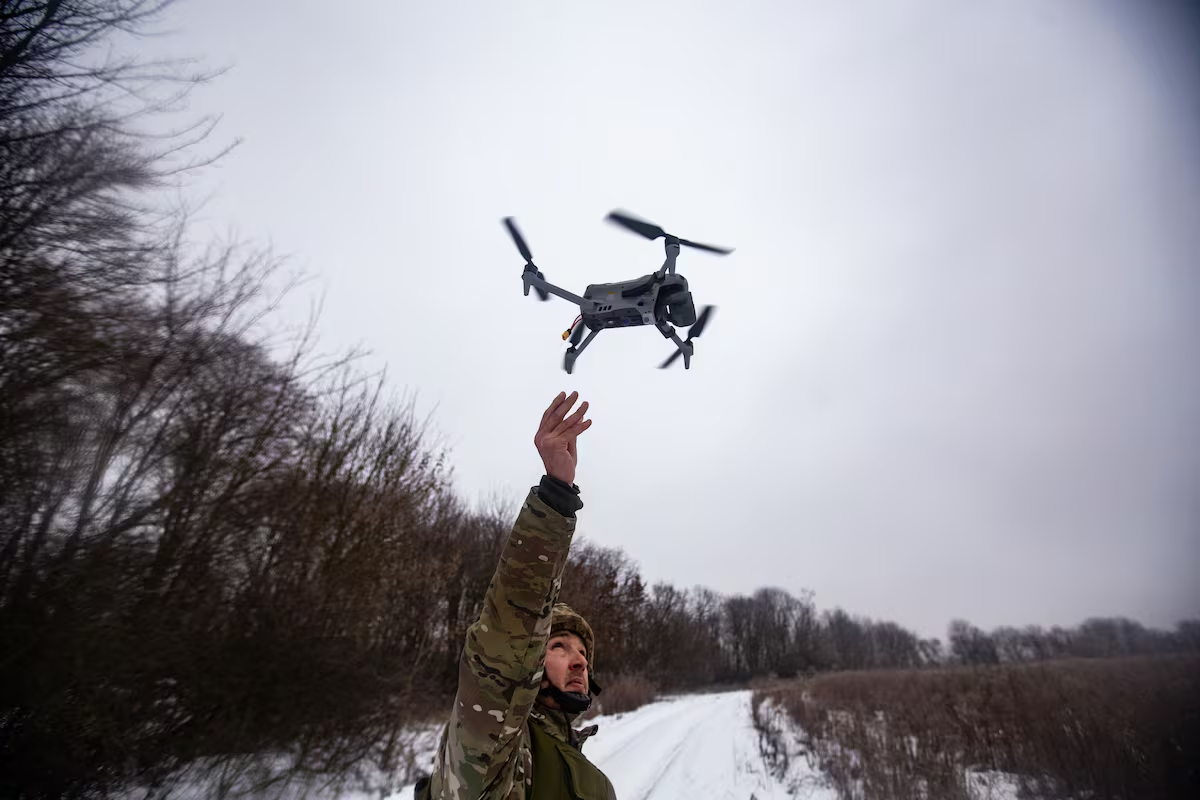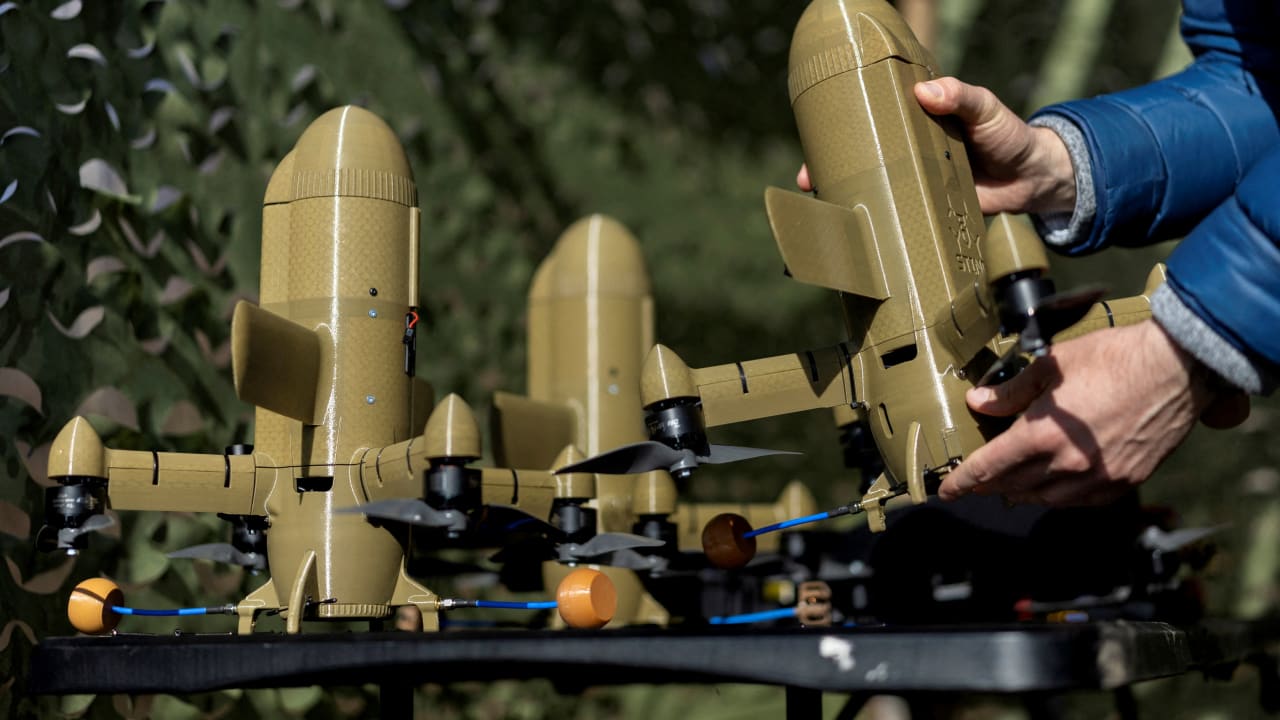
The war in Ukraine has produced one of the largest revolutions in military affairs in history, argues former Google head Eric Schmidt, who has since gone on to found the military startup Perennial Autonomy (previously known as Swift Beat). Schmidt’s company is one of the key players in the AI transformation that is currently underway on the Ukrainian front. Until relatively recently, tanks, aircraft carriers, and strategic bombers were seen as the main symbols of a country’s military power. Today, however, digital technology, data-processing speed, artificial intelligence, and unmanned systems are at the very center of how modern armies wage war. Ukraine has become a unique testing ground for new military approaches under real combat conditions, attracting interest not only from weapons manufacturers but also from companies working with data, software, robotics, and artificial intelligence. Among them are Alex Karp’s Palantir and Schmidt’s Perennial Autonomy. Cooperation with those companies gives Ukraine’s army access to advanced technologies, helps attract investment in defense tech, and accelerates the development of Ukraine’s own defense technology sector.Contents1.Palantir and the AFU: A mutually beneficial partnership2.Eric Schmidt’s AI-enabled unmanned systems3.Ukraine’s Delta battlefield management ecosystem4.AI in future military conflictsPalantir and the AFU: A mutually beneficial partnershipAlex Karp, CEO of the U.S. tech giant Palantir, personally visited Kyiv in June 2022, becoming one of the first major Western IT company heads to travel to the Ukrainian capital after the start of Russia’s full-scale invasion. The two sides later held repeated meetings both in Ukraine and at international venues to discuss cooperation in defense technology and artificial intelligence.Palantir executives and employees continue to regularly visit Ukraine. The company also has a small team of local specialists on the ground in Kyiv who adapt Palantir software to front-line needs and serve as a link between the company and Ukrainian government agencies.Founded in 2003, Palantir is one of the key players in the global defense tech sector. It specializes in analyzing large amounts of data and creating software for the government agencies, intelligence services, and militaries of many countries. In the U.S. alone, its major clients include the CIA, the FBI, the Pentagon, the Air Force, the Marine Corps, and Special Operations Command.Palantir’s technologies are also used by the British army and Israel and have been tested by militaries in Japan, Norway, and Denmark. After the start of Russia’s full-scale invasion, Ukrainian ministries joined that list, including the Ministry of Digital Transformation, the Ministry of Education and Science, the Ministry of Economy, and the Ministry of Defense.For Palantir Ukraine has effectively become its largest testing ground for military AI development under the conditions of modern combat.“For us, this is the next step in developing win-win cooperation. Partners get the opportunity to train their AI models on real data from a modern war, while Ukraine gets faster development of autonomous systems and new technological solutions for the front,” then-Defense Minister Mykhailo Fedorov said after meeting Karp in May 2026.Ukraine has effectively become the largest testing ground for military AI development under the conditions of a modern conflict
General AI: How artificial intelligence became a key tool for the Ukrainian military
The war in Ukraine has produced one of the largest revolutions in military affairs in history, argues former Google head Eric Schmidt, who has since gone on to…
3,885 words~18 min read