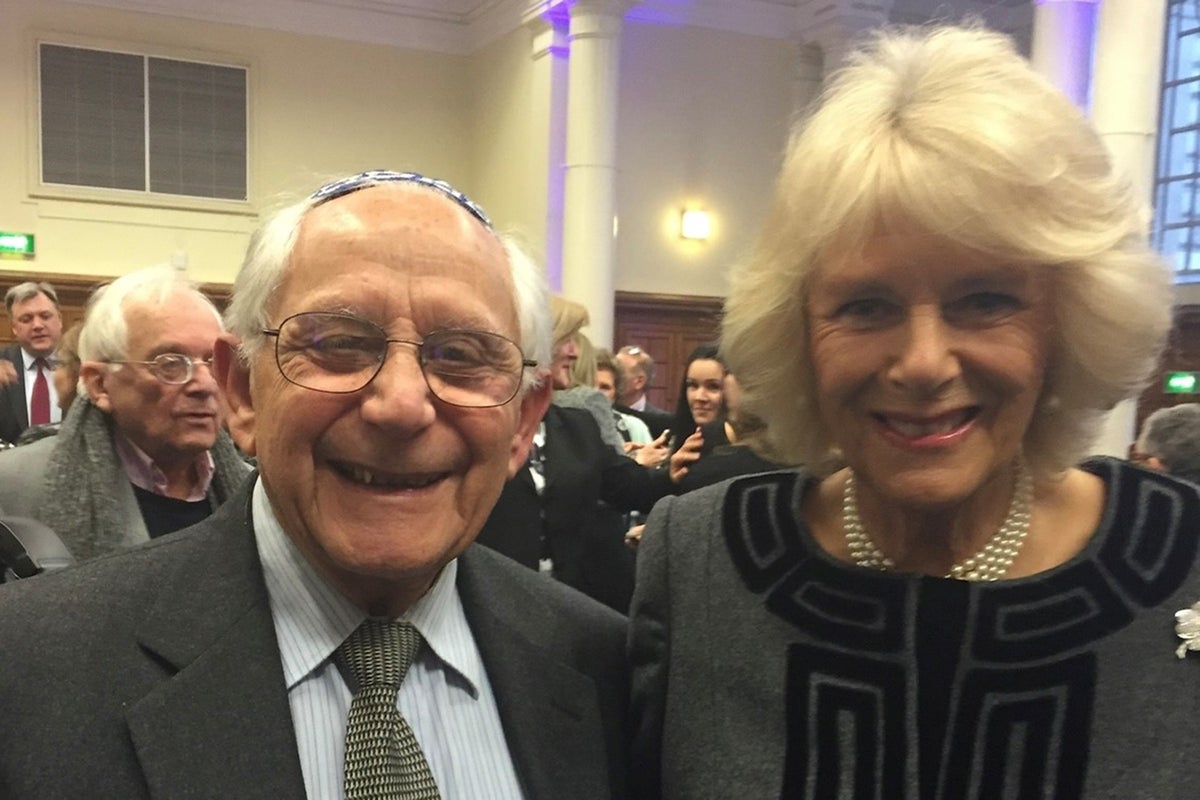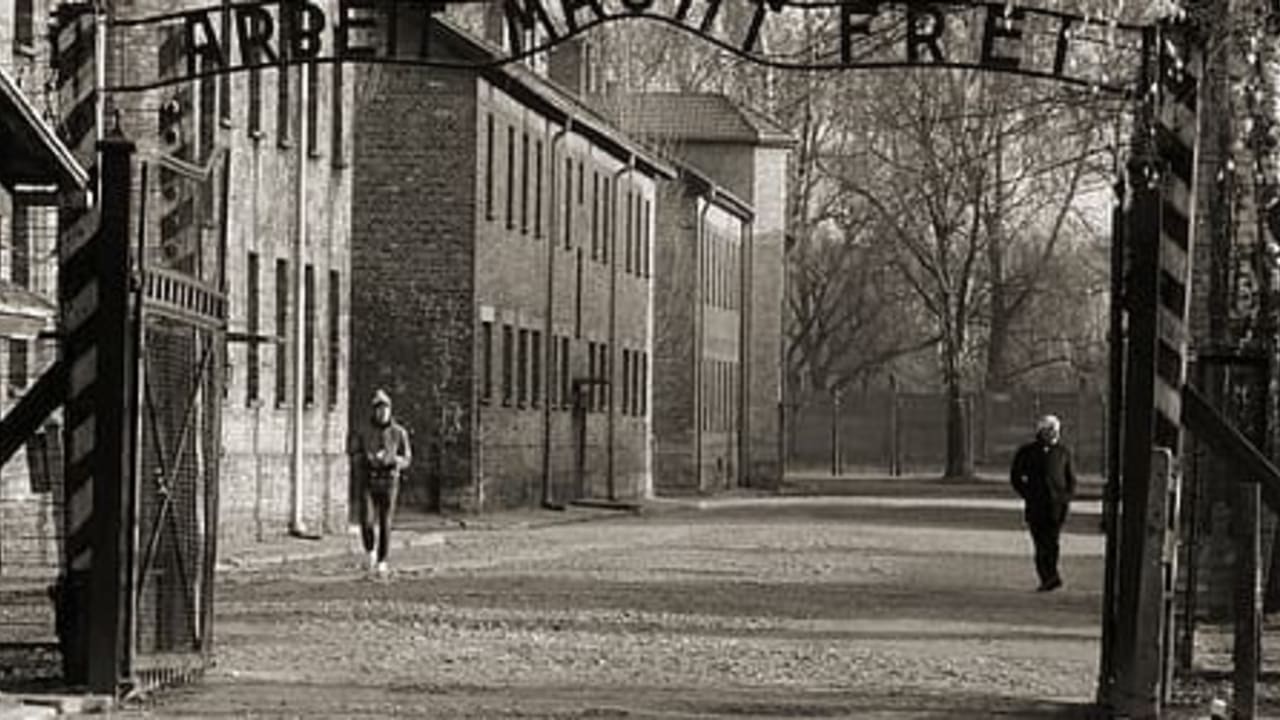
Last week, Dara Horn was hosted on Haviv Rettig Gur’s podcast, “Ask Haviv Anything,” to discuss her past book and her soon-to-be-released book, both of which argue that Holocaust education in the United States commonly fails to teach about the Jewish people and antisemitism, with possible negative consequences.
As Horn has famously put it, our world seems far more invested in teaching about “dead Jews” than about Jewish life. She suggests that this approach may reinforce the very hatred it is supposed to inoculate against.
Within hours of that episode airing, Instagram accounts were using clips from the podcast to accuse the Holocaust education organization I work for of harming Jews. I am certain this is not what Horn intends, but one consequence of her argument is that it can easily be reduced to the belief that “Holocaust education does not work.”
That belief is the last thing we need at this critical juncture when distortion, denial and the erosion of the historical record are running rampant. The debate about Holocaust education is therefore not simply a squabble among scholars. It has real implications as state and local governments are debating whether to continue to fund Holocaust education, when only 30 states in the US mandate learning this history, and when Jewish students are being targeted at rising levels in K-12 schools.