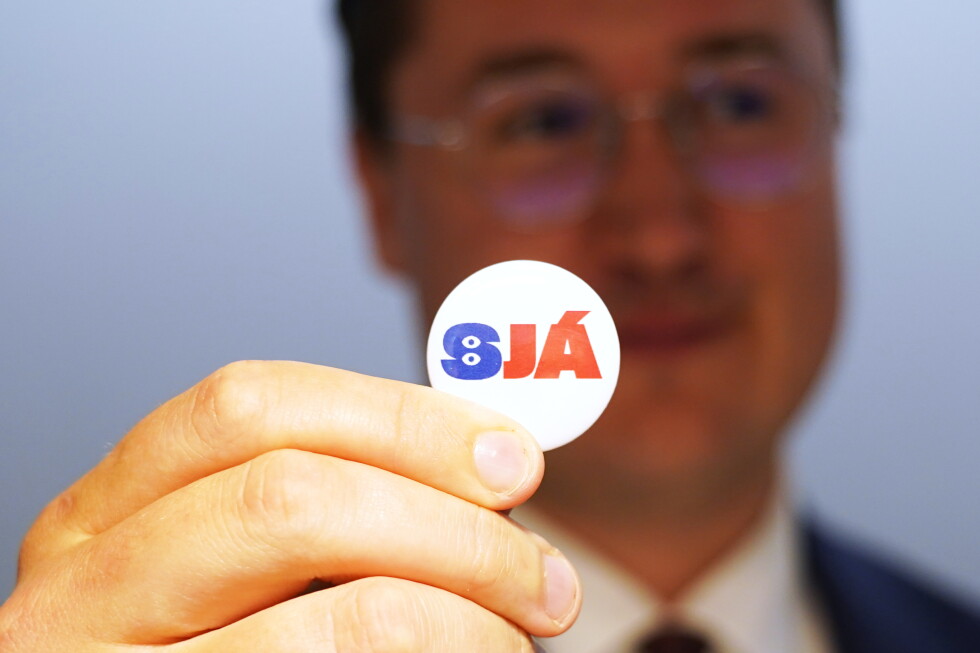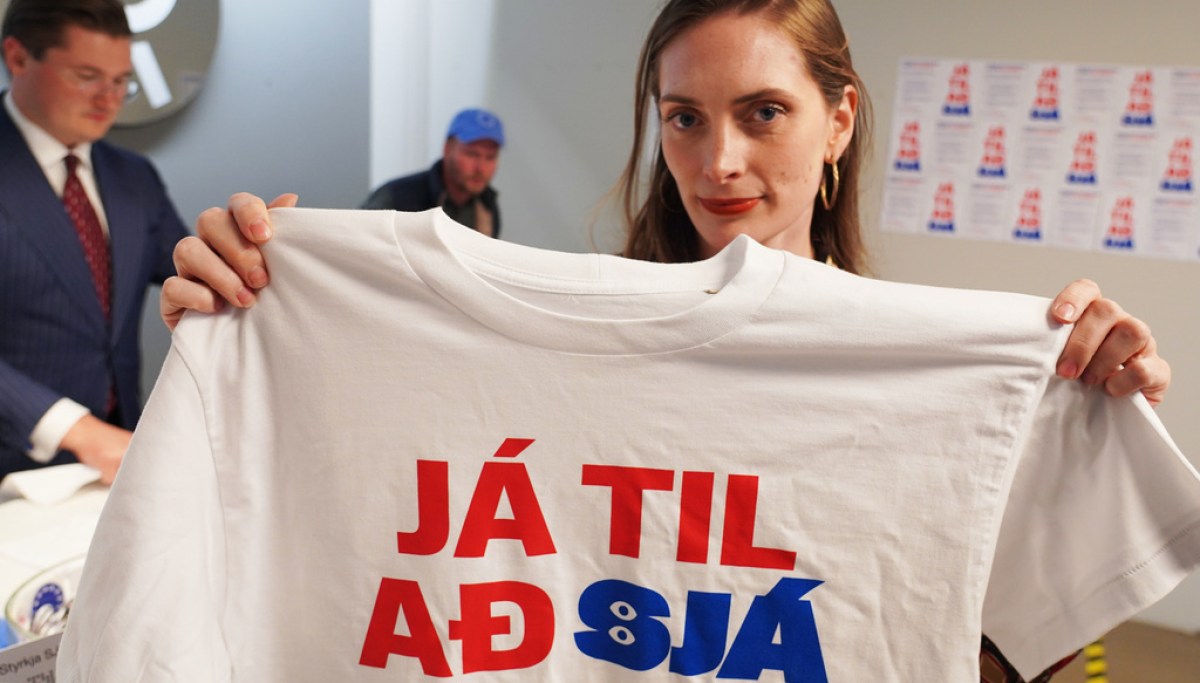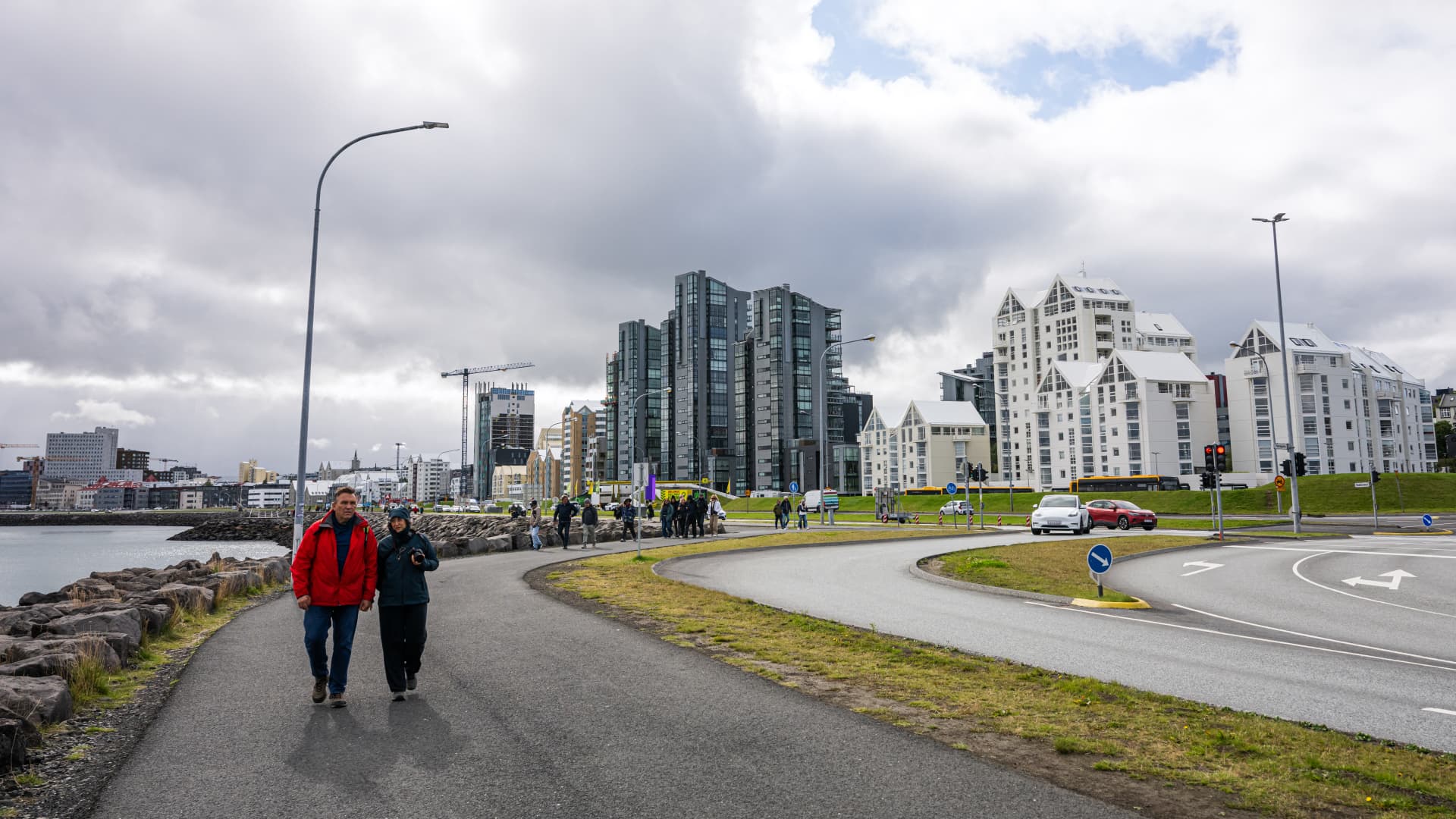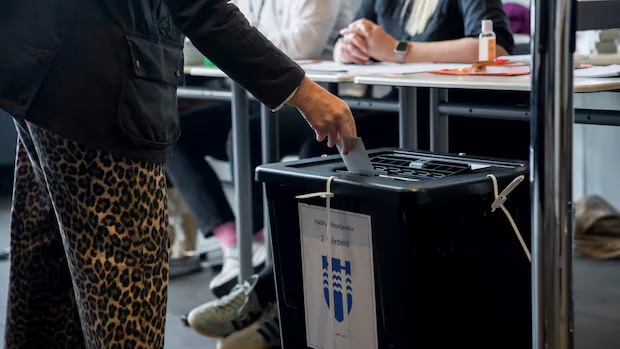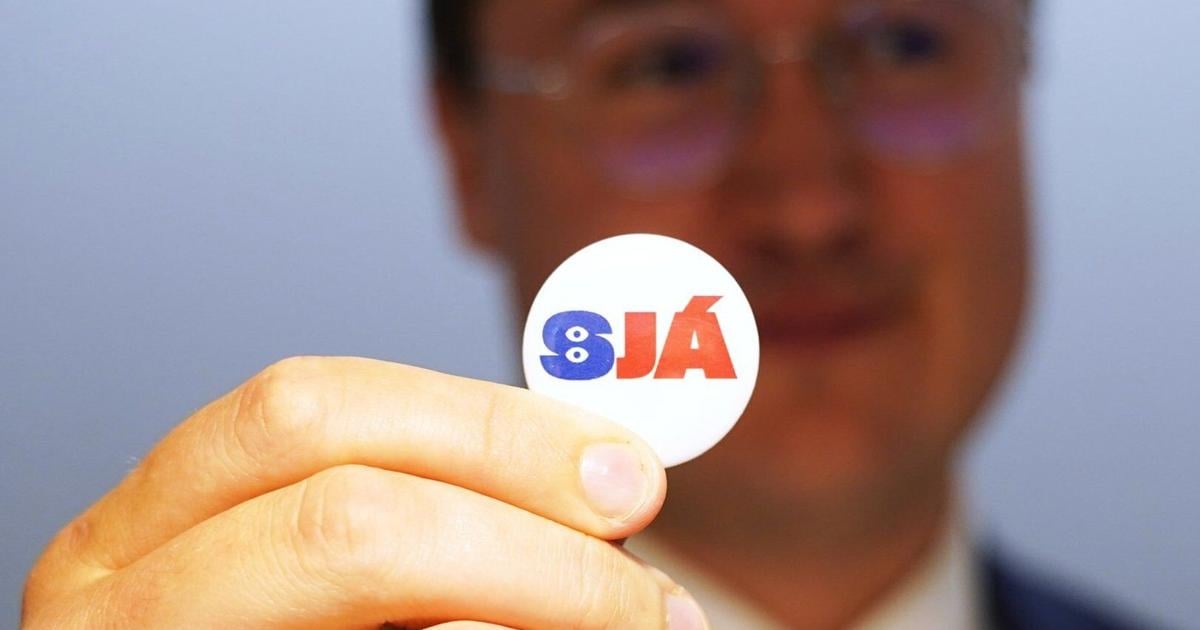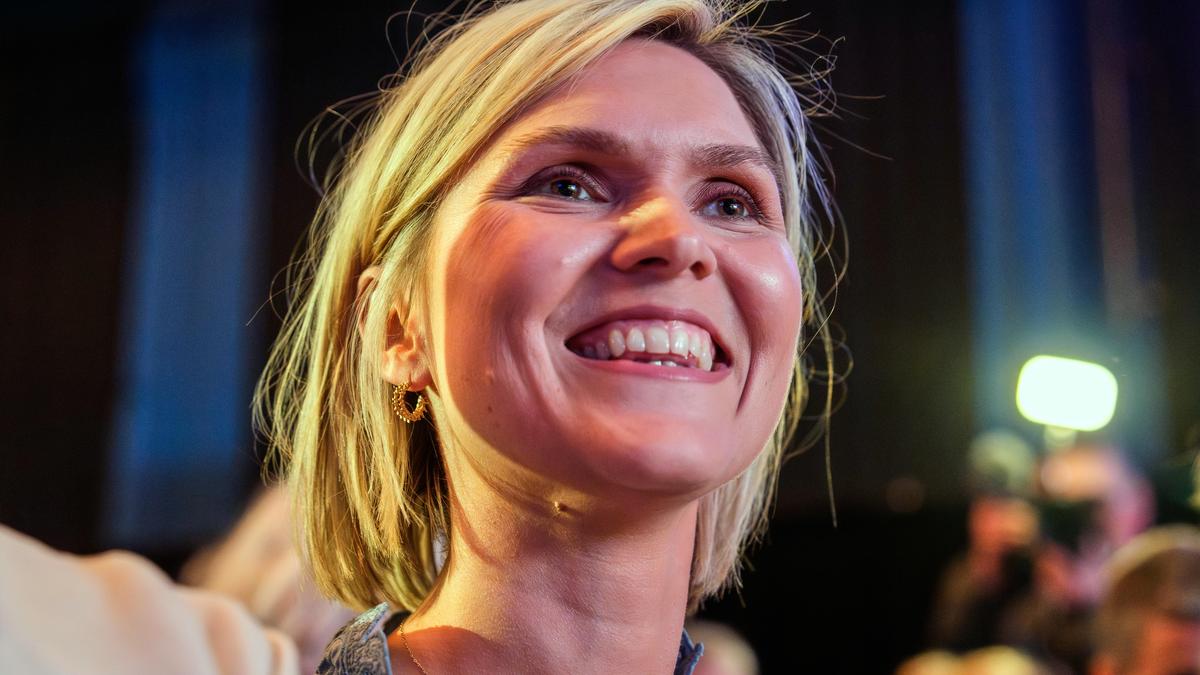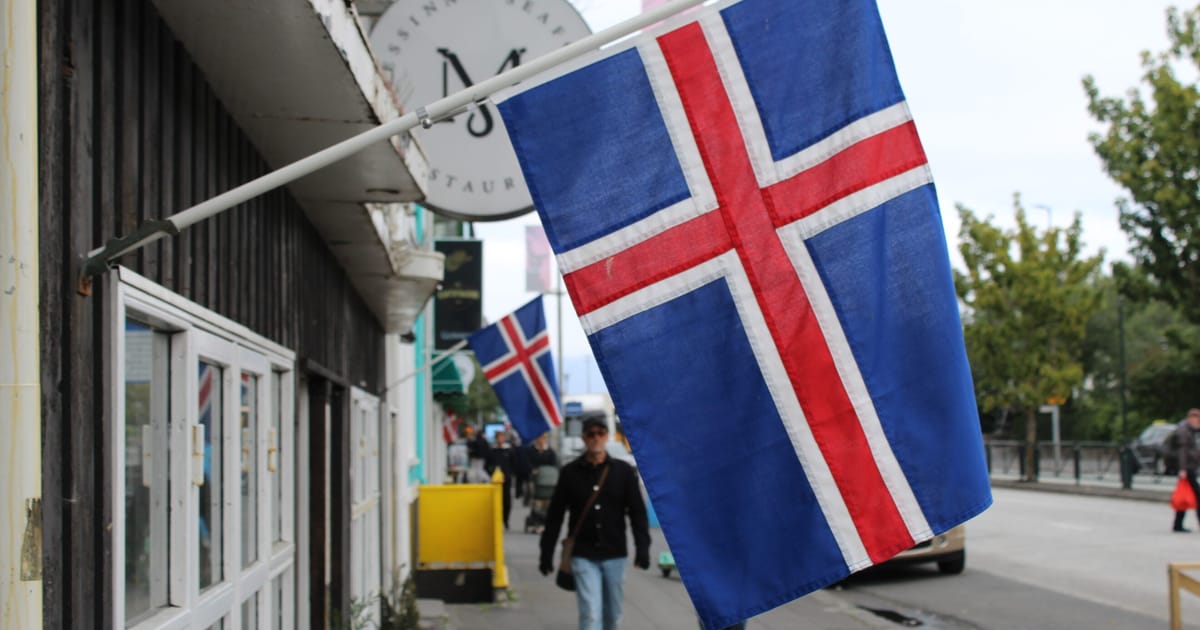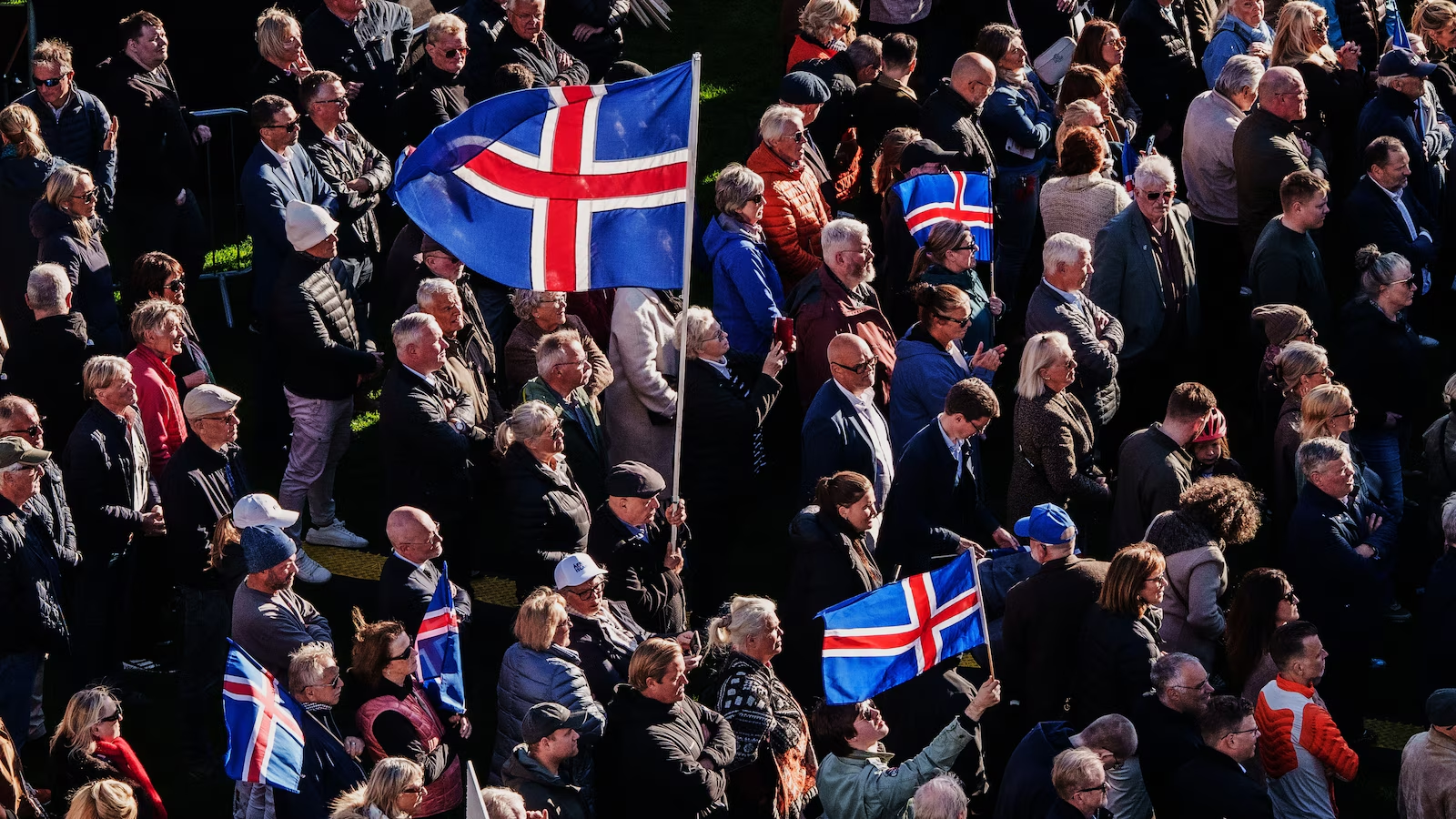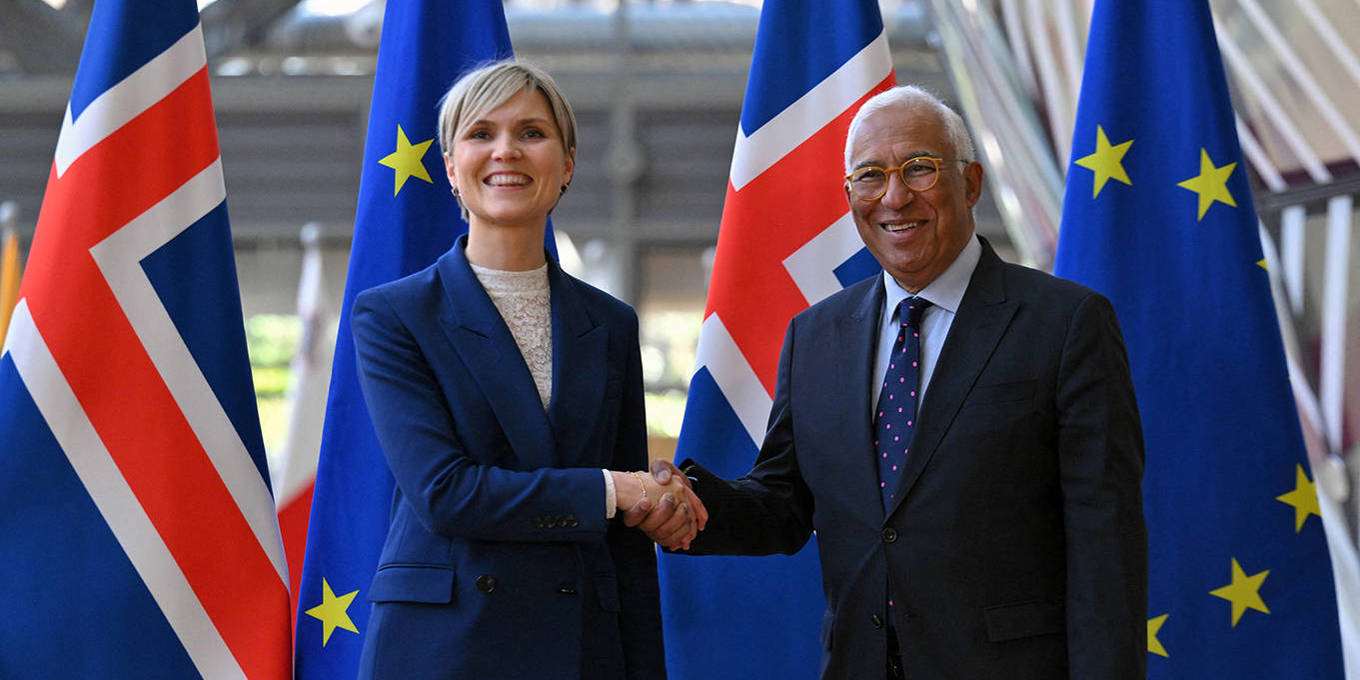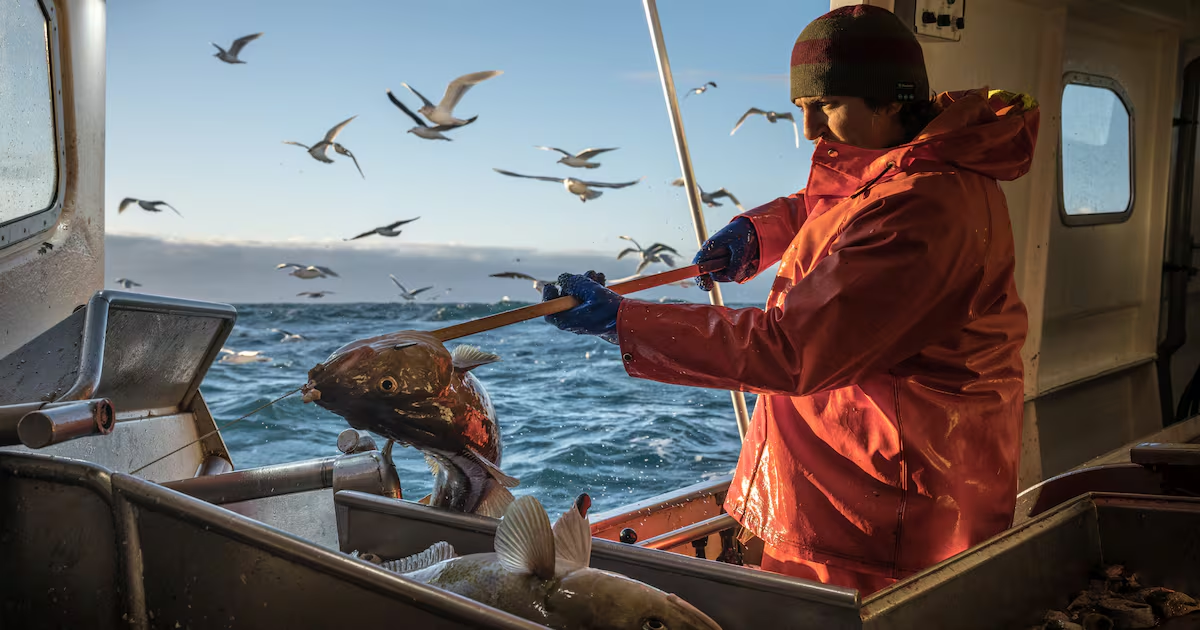
Hjalti Jón Pálsson has lived with earthquakes, evacuations and lava flows. What he is not convinced of is that joining the EU would make Iceland any safer – or protect it from Donald Trump.“We’ve been here a thousand years,” said the 49-year-old father of four. “Nobody really cares about us except us. We should just be by ourselves.”That self-reliance is now at the centre of Iceland’s debate over Europe. On August 29th, voters in the island nation of about 400,000 people will decide whether to restart EU accession talks and potentially make a second attempt to join the bloc.Iceland’s last bid was prompted by the 2008 banking crisis but dropped in 2013 amid a change in government and disputes with Brussels over fishing rights. This time, the shock has come not from the financial sector but from the US.The Icelandic government called the referendum in March after Trump threatened to annex Greenland and repeatedly referred to the much larger Arctic island as “Iceland”.When Billy Long, currently the US ambassador to Iceland, joked that Iceland should become America’s 52nd state, with himself as governor, it sent a chill through Reykjavík. Long later apologised.Foreign minister Thorgerdur Katrín Gunnarsdóttir, whose Liberal Reform party was founded to explore EU membership, said: “It would be both naive and irresponsible if we did not look at this moment in history.”After more than 80 years of independence, Iceland should consider “another path that takes the ordinary household into consideration”, she said.Still, many in Iceland, a founding member of Nato with no standing army and a cold war-era defence agreement with the US, remain sceptical about the benefits of EU membership.Iceland's foreign minister Thorgerdur Katrín Gunnarsdóttir attends a meeting on the upcoming referendum. Photograph: Jonathan Nackstrand/AFP via Getty Images “We Icelanders have some thoughts about Icelandic exceptionalism,” said one diplomat. “If we just stick our heads in the sand, Trump will forget about us, and that has been the strategy.”A poll on behalf of local media Visir published on Wednesday showed a narrow majority of Icelanders supported reopening accession talks. Opponents, who for months have blurred the distinction between restarting talks and joining the EU, warn that membership would mean surrendering the króna and putting Iceland’s control of its valuable fisheries at risk.“We have fought so many battles with nature, earthquakes, volcanic eruptions and snowstorms,” Gudrún Hafsteinsdóttir, the leader of Iceland’s largest opposition group, the Independence party, said. “It gives us the feeling we can survive everything by ourselves.”That instinct was reinforced by Iceland’s isolation, she added. “We are a tiny nation far from other countries. That has shaped us.”In Grindavík, where Pálsson lives, that sense of endurance is not theoretical. The town, an hour’s drive from Reykjavík, has endured nine volcanic eruptions since 2023, each preceded by swarms of earthquakes before lava broke through the ground. At least 40 homes have cracked, burned or been left uninhabitable.Most of the town’s almost 4,000 residents left as the government stepped in to buy their homes in the evacuation zone, but Pálsson and his family returned. “We don’t mind earthquakes,” he said. “Some people don’t like earthquakes, and if you don’t like earthquakes, you shouldn’t stay here.”But the vote is also about money. It reopens a decades-old argument over whether Iceland, one of the world’s richest countries, should keep prospering on its own terms or trade some autonomy for the economic stability of EU membership.The Icelandic flag on a street in central Reykjavik, ahead of the country's referendum. Photograph: Jonathan Nackstrand/AFP via Getty Images One senior official said voters would divide between those thinking “it is going quite well for me” and those thinking “I want an apartment and that would be easier for me if we join the euro zone”.Supporters of reopening talks say too many households are paying the price of life outside the bloc’s monetary zone: a volatile króna, high inflation and steep borrowing costs.Icelandic mortgage rates are roughly 9 per cent, about 5 percentage points higher than in the euro zone, according to Oxford Economics.For Úlfhildur Harne, a 35-year-old acting director and teacher who rents in Reykjavík, the issue is immediate. “For young people, the main issue is the mortgage rate. We work and work but some of us are never able to own a flat by ourselves,” said Harne. “Joining the euro zone could maybe help that,” she added.But any move towards the EU would force Iceland back to its most sensitive red line: fishing rights. Marine products accounted for almost 40 per cent of goods exported last year, and fisheries were the main reason for Reykjavík to halt its previous accession bid.[ It’s the fish, stupid: Iceland referendum on EU talks won’t be a slam dunkOpens in new window ]The European Commission has signalled openness to a bespoke fisheries settlement, given Iceland’s reliance on the sector, even if it warned that a full exemption is unlikely.In Grundarfjördur, on Iceland’s west coast, fisherman Kjartan Sveinsson recently stepped ashore after 14 hours at sea with 550kg of cod and pollock. “I didn’t get my full quota today, but yesterday ... I got the full whack,” he said.Iceland’s tradeable quota system has concentrated fishing rights among powerful companies known locally as the “quota kings”, which Sveinsson said had hollowed out smaller fishing communities.“Economically, for Iceland, the quota system has been good,” he said. “Socially, it has been a disaster.”He remained wary of ceding control to Brussels, but said EU scrutiny could have an upside. “One positive thing that I can see about joining the EU is that the quota kings couldn’t get away with this bulls**t any more.”[ ‘Things have definitely shifted’: Iceland, rattled by Trump, weighs joining the EUOpens in new window ]For Brussels, the referendum has strategic weight. Iceland is a rare enlargement prospect: already in the single market and the passport-free Schengen zone, quick to absorb, and likely to add to the EU budget rather than draw on it.A “no” vote would dent the EU’s push to draw “like-minded” Arctic states closer and present integration as protection in an era of great-power pressure.Iceland was not always a country Brussels was trying to woo. Its 2009 application followed a banking collapse and International Monetary Fund bailout.“The original application was a desperation measure,” said Jón Daníelsson, an economist at the London School of Economics. “Wealth changes things.”For Ármann Thorvaldsson, who ran Kaupthing’s London arm before the bank collapsed in 2008, the crisis left Icelanders feeling abandoned by foreign central banks. “It felt a little bit like, ‘We’re not supporting these guys. They’re on their own.’” Iceland recovered quickly. A weaker króna lifted fishing exports, while capital controls and hard bargaining with foreign creditors stabilised the economy. “Having our own currency meant that we dealt with the crisis in a dramatically different fashion,” Thorvaldsson said.[ The deeper you dive into Icelandic culture, the more of Ireland you findOpens in new window ]The 2010 volcanic eruption then grounded flights across Europe – and advertised Iceland’s glaciers and volcanoes. “We had the volcanic eruption, then a huge boom in tourism. That really helped us rebuild the economy,” said Jón Gudni Ómarsson, chief executive of Íslandsbanki.By 2025, Iceland had swung from a net borrower before the crash to a net lender, with net foreign assets worth 46 per cent of gross domestic product.“It has been emotional ... We have completely transformed,” said Ómarsson. – Copyright The Financial Times Limited 2026
‘We should be by ourselves’: Trump revives Iceland’s EU debate
Icelanders prepare to vote on whether they should make a second attempt at joining the bloc
1,230 words~6 min read