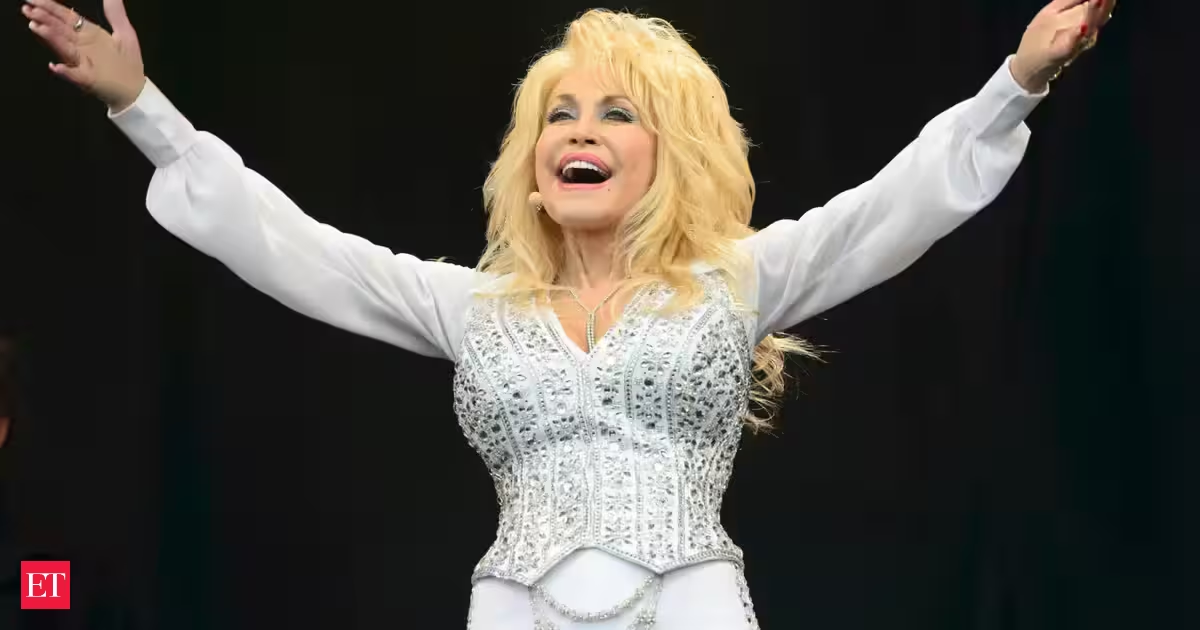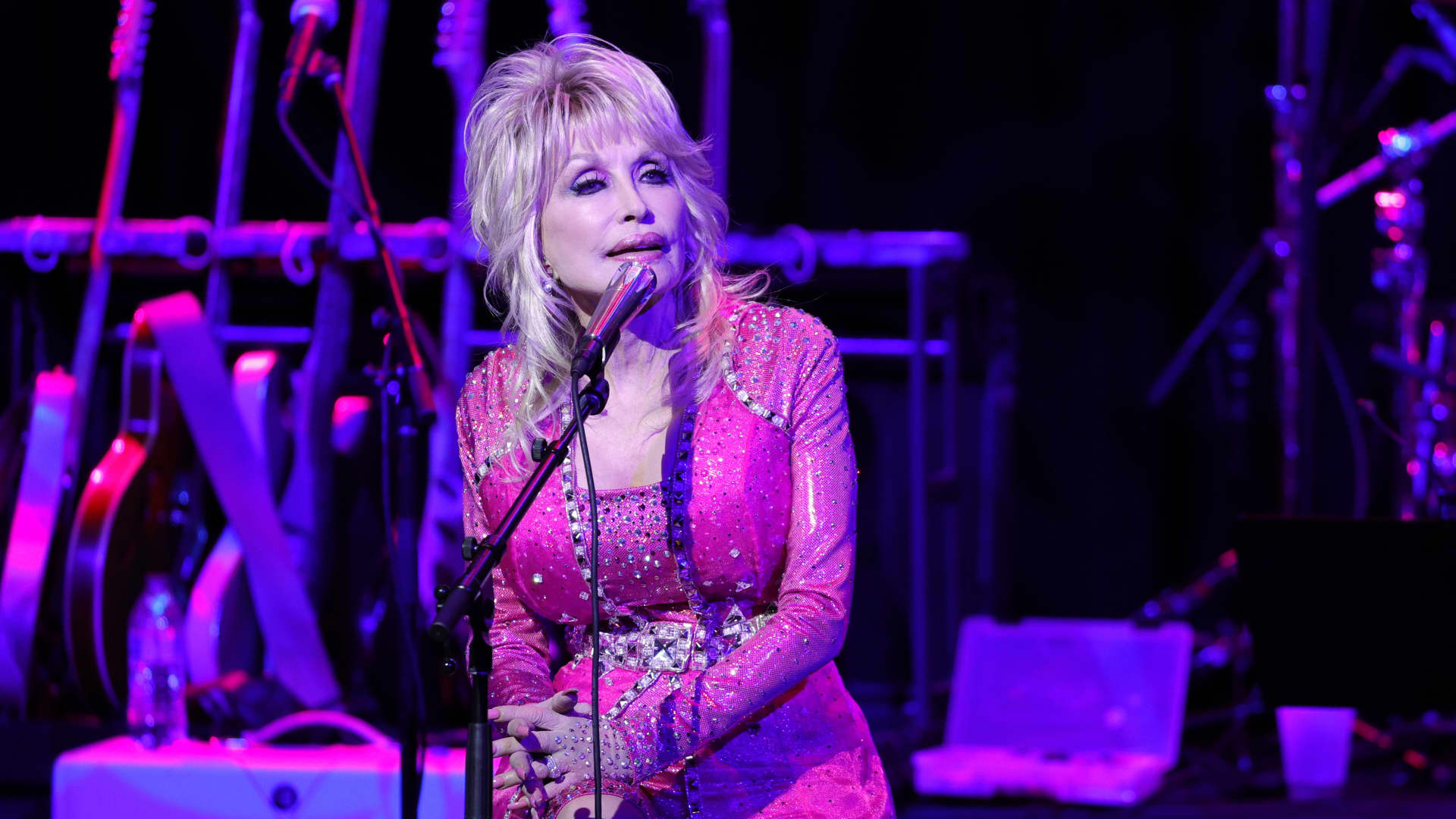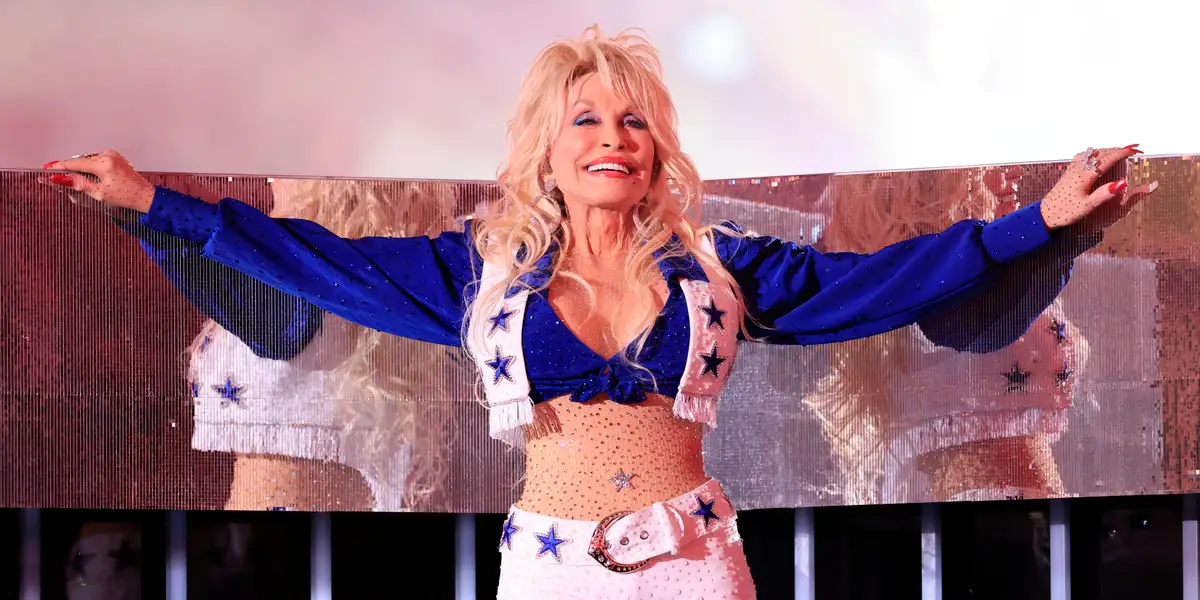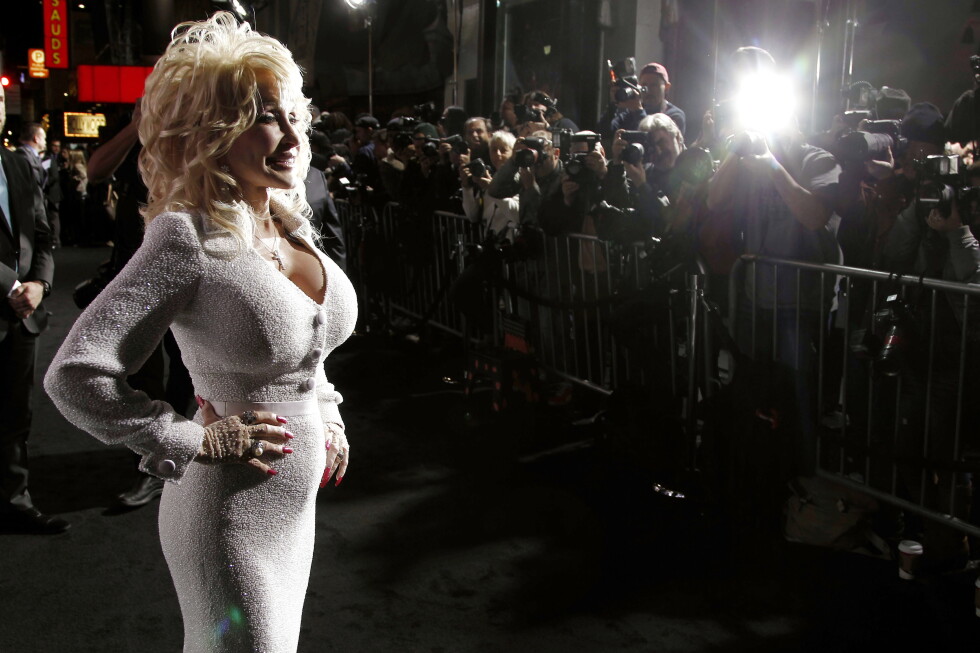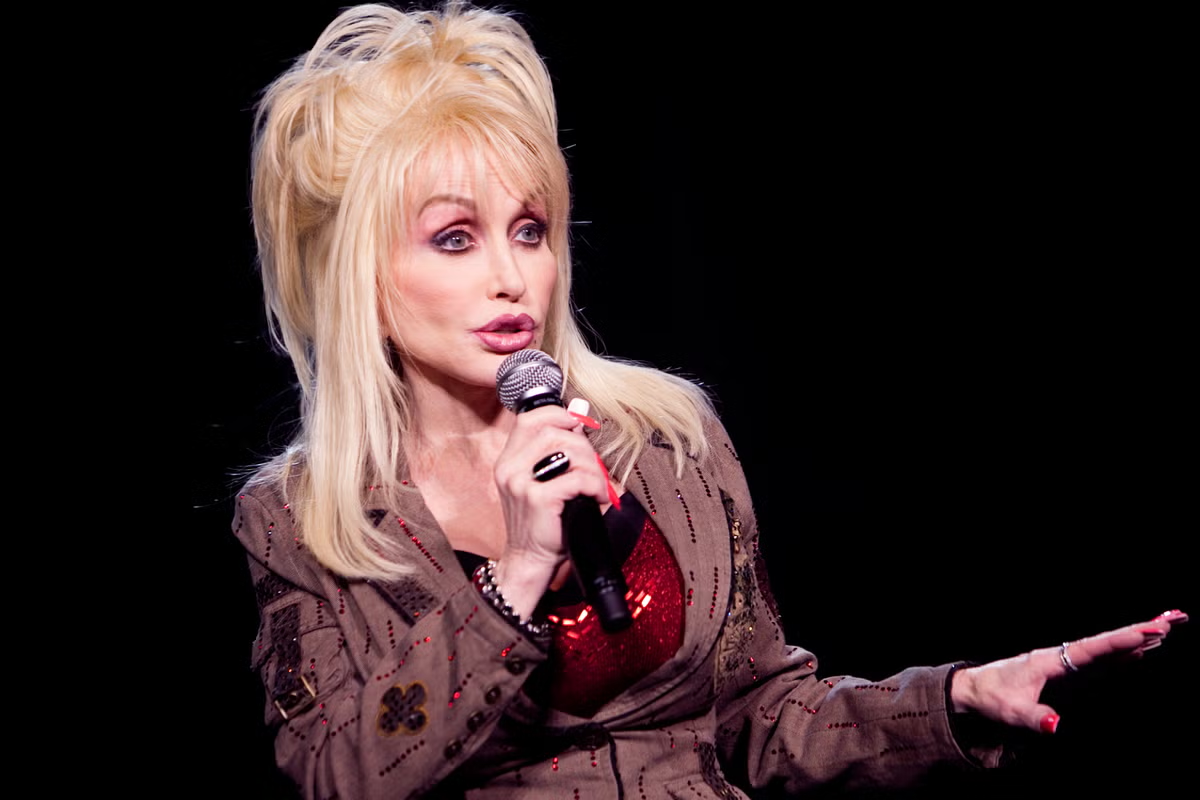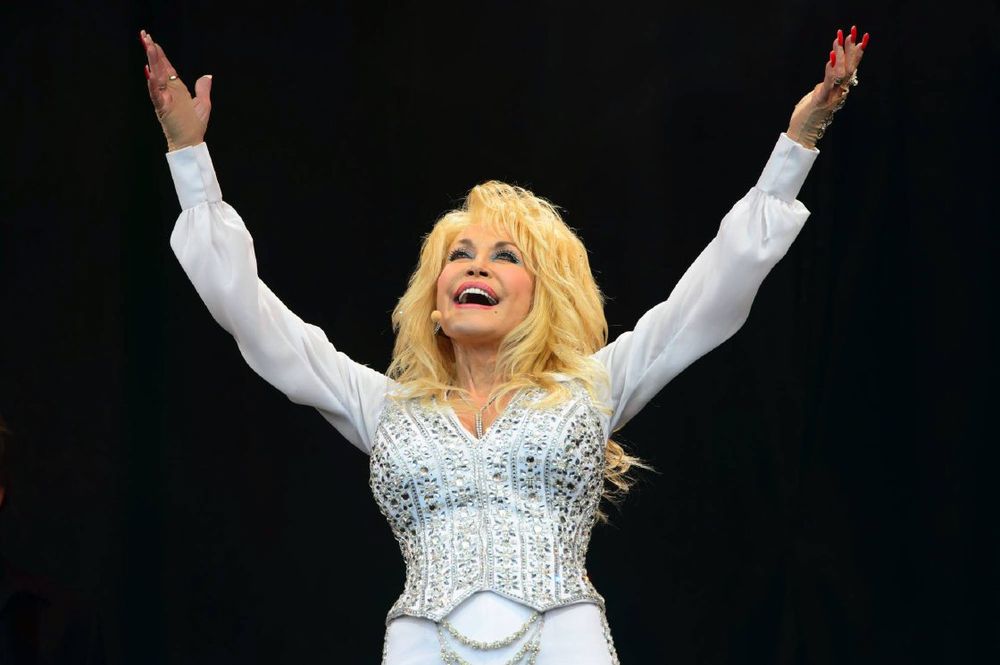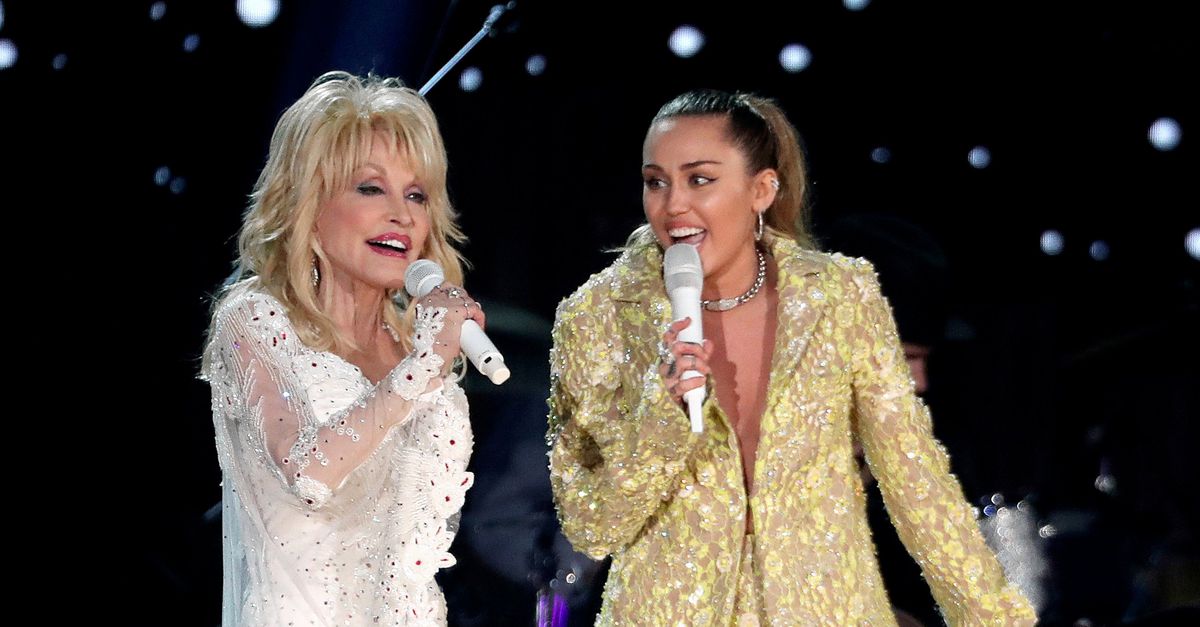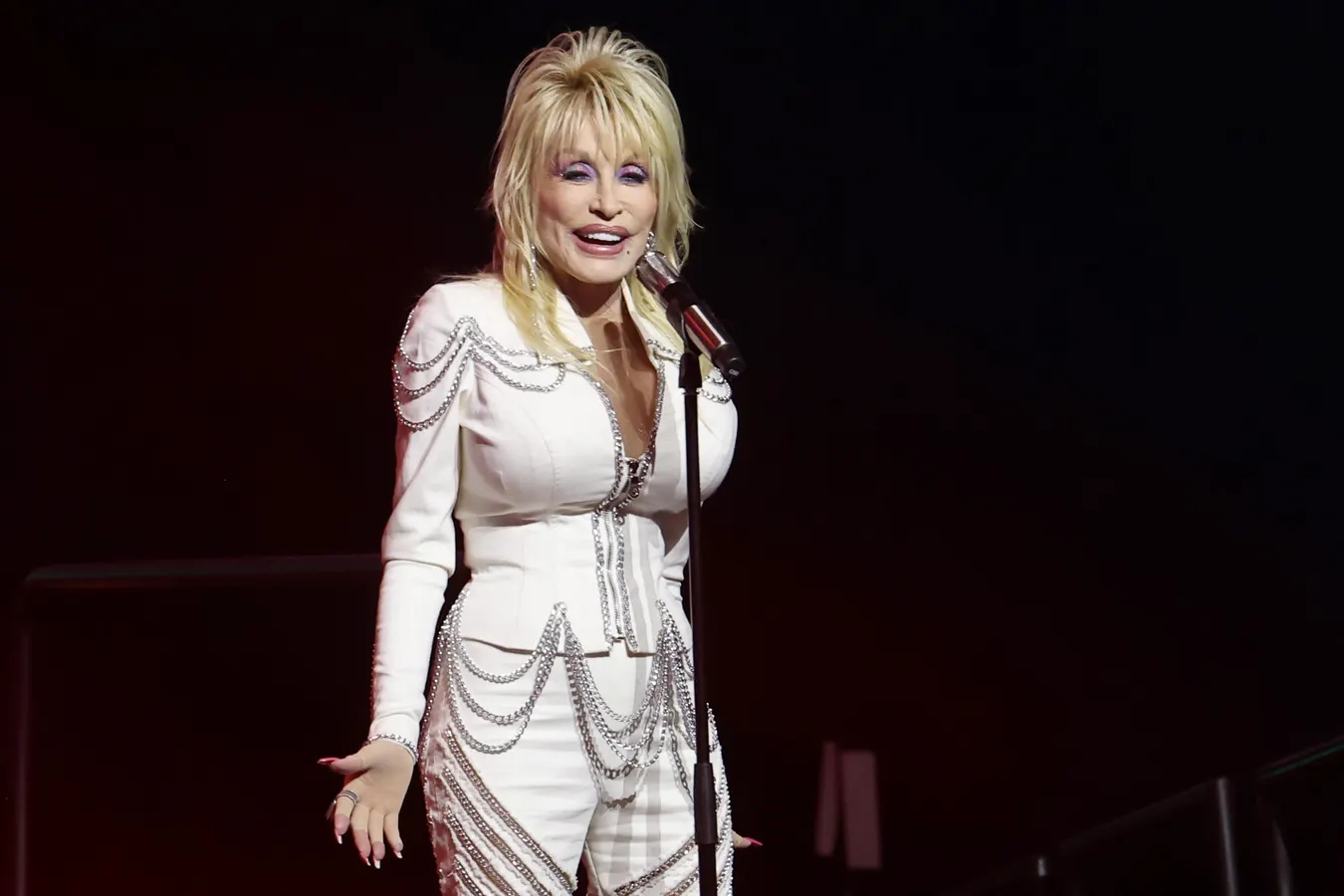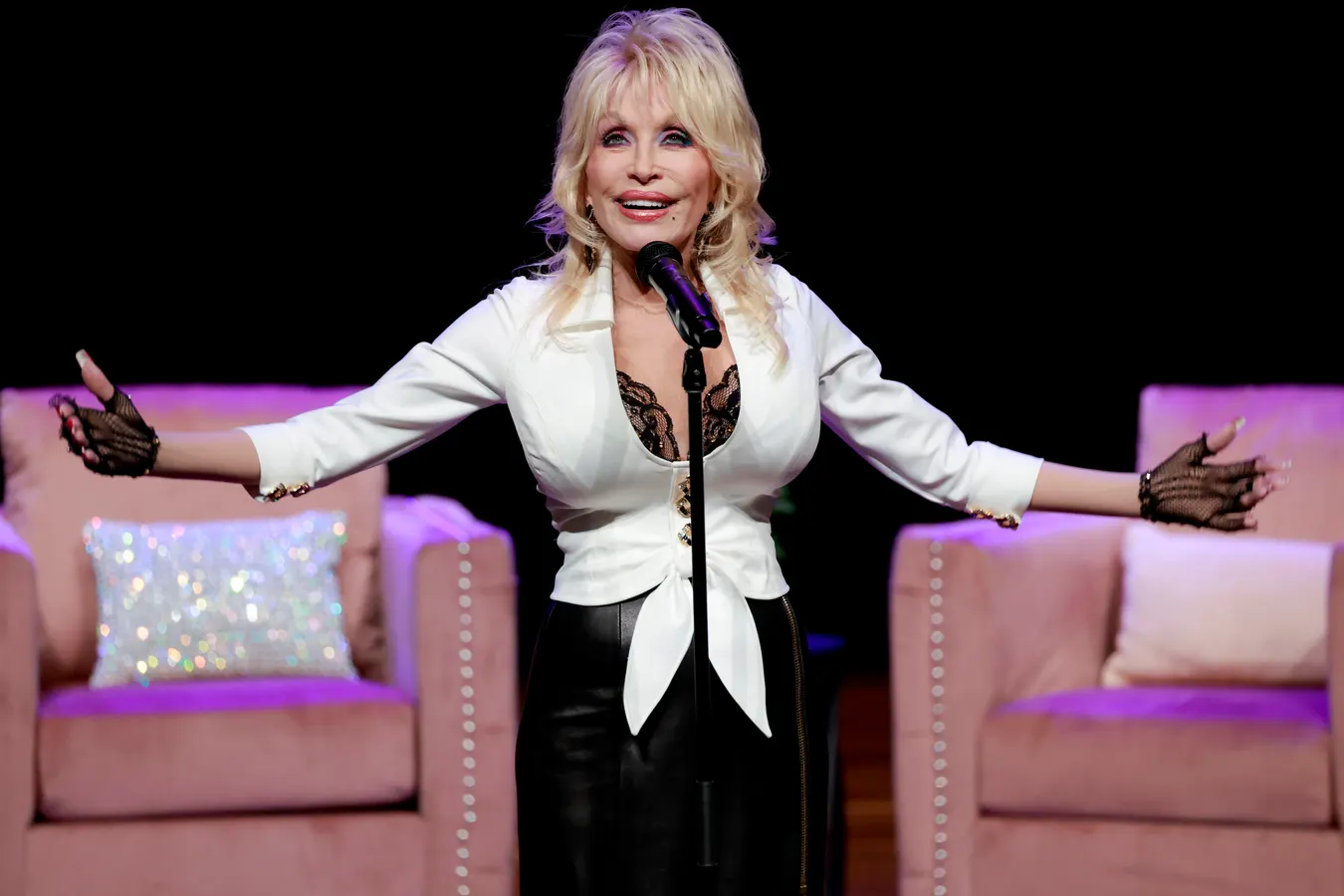
Dolly Parton performs during "Dolly: An Original Musical" fireside chat and press conference at The Fisher Center for the Performing Arts on January 28, 2025 in Nashville, Tennessee. (Photo by Jason Kempin/Getty Images)Getty ImagesDolly Parton, who died on Tuesday at age 80, demonstrated her expertise in managing and communicating about a crisis. She also leaves behind several leadership lessons for business executives.Parton showed her crisis communications and crisis management expertise by how she responded to the Covid-19 pandemic and the wildfires in her home state of Tennessee. Her responses to these crisis situations were not the only examples of how she exercised leadership. The singer’s decades-long career offers other lessons for business executives about authority, judgment, delegation, and the kind of legacy leaders want to leave behind. Be distinctiveOne of her lessons is that leaders do not have to look or act like everyone else in order to command respect. Parton “never seemed to confuse authority with looking authoritative,” Ulrika Gustafson, an executive coach and strategic advisor, told me in an online interview. The singer consistently exhibited different sides of her personality throughout her career. “She could be funny, flamboyant, and self-deprecating and still be unmistakably in charge of her career and her business. She did not need to adopt the conventional signals we associate with power in order to have power. I see senior leaders get this wrong all the time. As the stakes get higher, they can become more concerned with appearing decisive, confident or senior enough. And that can actually weaken their presence because people begin to see the effort behind it,” Gustafson observed.Doubling down on one personality traits can backfire for corporate executives. “You don’t become more authoritative by trying harder to look authoritative. The strongest leaders usually know who they are, understand the room they are in, and do not need to keep proving that they belong there,” Gustafson concluded.MORE FOR YOUParton showed that executive presence is not about looking or sounding like everyone else. “Instead, she fully understood the impression she created, shaped it intentionally, and communicated her capability and warmth consistently,” Dani Luffey, a leadership communication strategist, told me in an email message.The image she projected to the public was carefully considered and crafted and was an integral part of her brand “The hair, rhinestones, and humor made her incredibly memorable and approachable, while her business decisions, firm boundaries, and philanthropy revealed the strategic leader behind the persona. Dolly’s larger leadership lesson is that warmth and authority can coexist. Her public image captured attention, her consistency built trust, and that trust expanded her influence,” Luffey concluded.Parton’s confidence in who she was also appears to impact the decisions she made about her business activities. One of the best-known examples was the song that would become closely associated with her career: Parton’s decision not to sell the publishing rights to “I Will Always Love You” to Elvis Presley’s manager when the singer wanted to record the song.Bettmann ArchiveStay true to your valuesParton’s confidence in who she was also appears to have impacted the decisions she made about her various business activities. One of the best-known examples was her insistence to keeping the rights to the song that would become closely associated with her career: Parton’s decision not to sell the rights to “I Will Always Love You” to Elvis Presley’s manager when the Presley wanted to record the song. That decision “took remarkable courage. Like a true leader, she understood the value of her core assets in such a way that she was able to avoid getting distracted by the short-term validation. What a mind-blowing thing to consider, but it paid off in the long term in numerous ways.” Cyndee Harrison, founder of Synaptic PR, pointed out in an email message to me.Parton’s decision was another important lesson for executives. “Knowing the value of an asset can sometimes mean turning down attractive and tempting short-term opportunities in order to protect its long-term worth,” she observed.The singer could also unite people from different backgrounds without having to change or compromise her own values. “She led by example and lived with discipline and empathy, but her strong foundation was based on a pride of her heritage that was consistently woven into everything she did,” Harrison commented.Rely on experts But knowing your own value does not mean that you have to prove it by doing everything yourself. Parton surrounded herself with people who knew more than she did about various parts of her business interests. “The best leaders aren’t the ones who insist on knowing everything. Dolly Parton ran a $650 million empire while openly admitting there were parts of it she didn’t understand, and never needed to,” Binie Klein, a leadership coach, told me in an email message.For business leaders, the lesson is straightforward. Delegating responsibility is not enough. “Leaders also need to provide qualified people with the authority and room they need to do their jobs. Otherwise, the leader can become an organization’s biggest bottleneck,” she warned.Use power to your advantageHer legacy reminds business executives that everything they create carries the imprint of who they are. But leadership is more than growing an enterprise or building influence. It is about who we become as we grow, and how we use our power to help others thrive. Parton “embodied the kind of leadership many organizations need right now. She used her power and influence to create opportunity, strengthen the collective, and bring others along with her. She was a powerful example of leading with others rather than over them. She had a strong and centered sense of self. She knew her values, understood her gifts, and remained authentically Dolly as her influence grew. That inner clarity created trust across generations and differences,” Renelle Everett, a leadership strategist and founder of InSight Coaching & Consulting, told me via email.There are different ways to measure successParton understood that leadership should not be measured by what was accomplished while they were in charge. The longer term and more difficult test is what happens when they leave the organization. She modeled a framework for sustainable success by building an ecosystem that was designed to outlast herself. “Her Imagination Library will continue reaching children beyond that of any single performance or album. That is the difference between building for impact versus seasonal influence,” Valerie Thornton, a leadership strategist, pointed out in an online interview with me.Parton’s ability to build a lasting legacy reflects another important leadership lesson: having a distinctive point of view does not mean that you have to be a polarizing person. “This seems especially compelling advice to leaders in our current times. Parton managed to maintain appeal across many disparate audiences. You can have a voice and values without becoming overly partisan,” Chintan Shah, CEO of Sovyn, a PR and marketing agency, told me via email.Parton’s leadership legacy is much like the singer herself: unmistakable, genuine, and difficult to emulate. She proved that leaders can be themselves without forcing themselves on others, guard what matters without going after every new bright shiny object, and leverage their accomplishments to help others.For the leaders of companies and organizations, Parton’s everlasting lesson is that leading others is more than what you achieve. It is whether what and who you leave behind are better and stronger than when you arrived.
Dolly Parton’s 10 Leadership Lessons For Business Executives
Dolly Parton’s carer offers business leaders lessons about authenticity, judgment , delegation, values, influence, and building a lasting legacy
1,217 words~6 min read