Obasanjo’s credit was never in danger and did not require Duke to vandalise everyone else’s contribution.
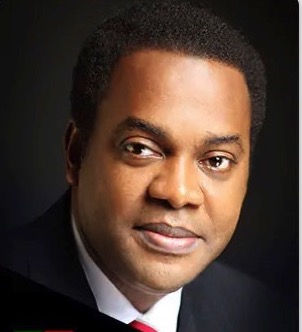
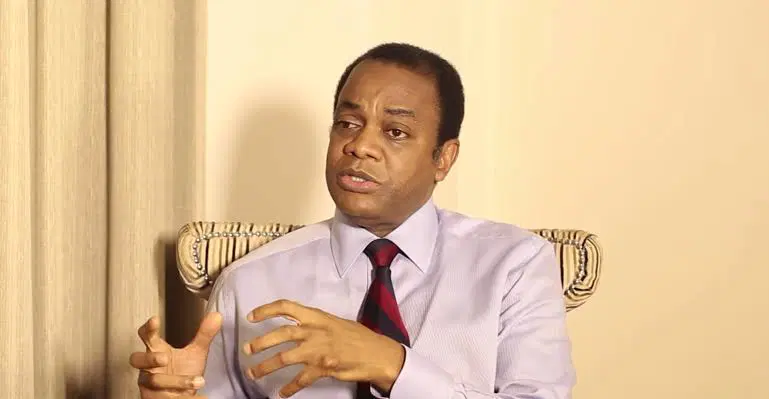
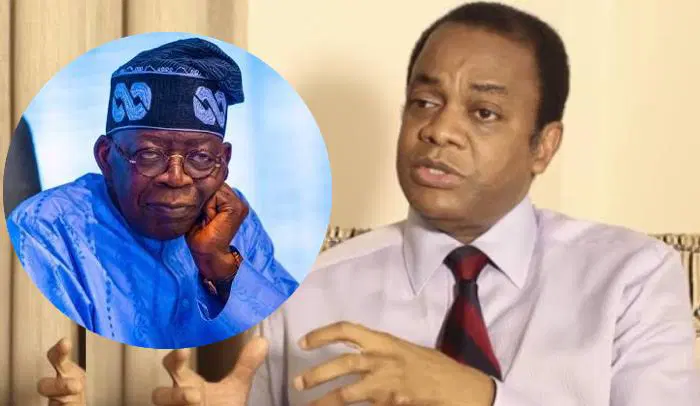
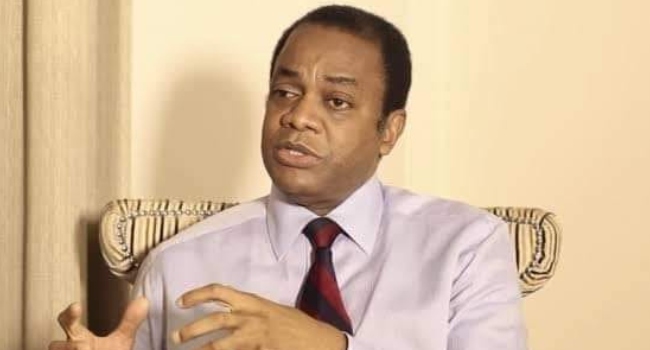
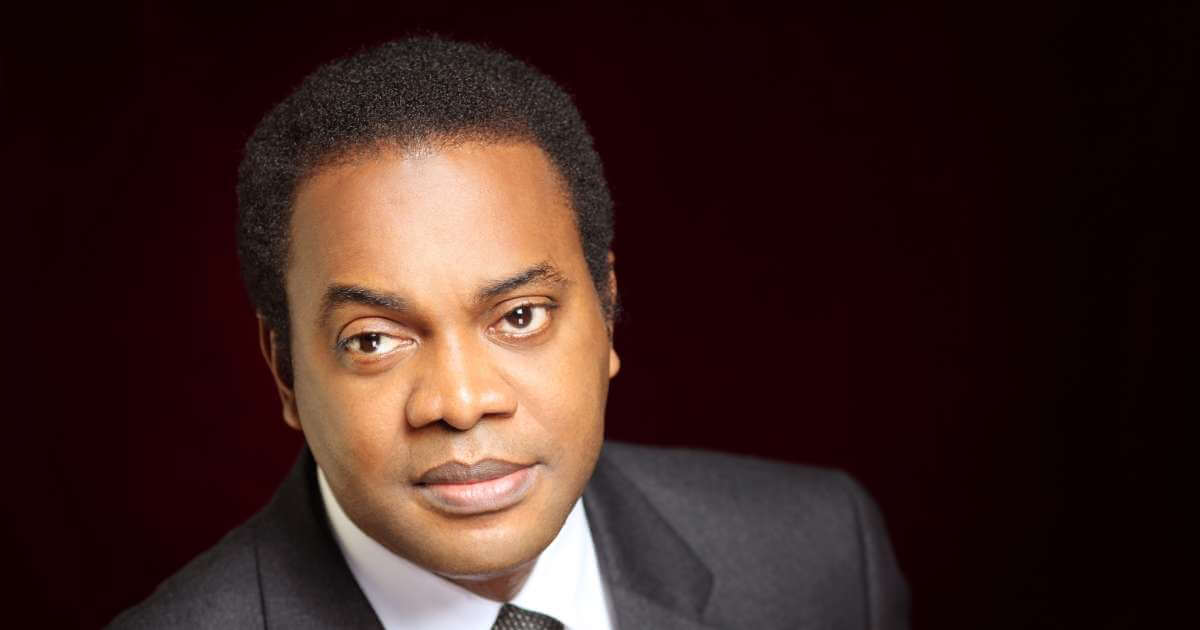
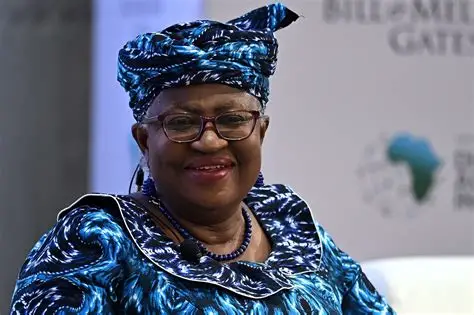
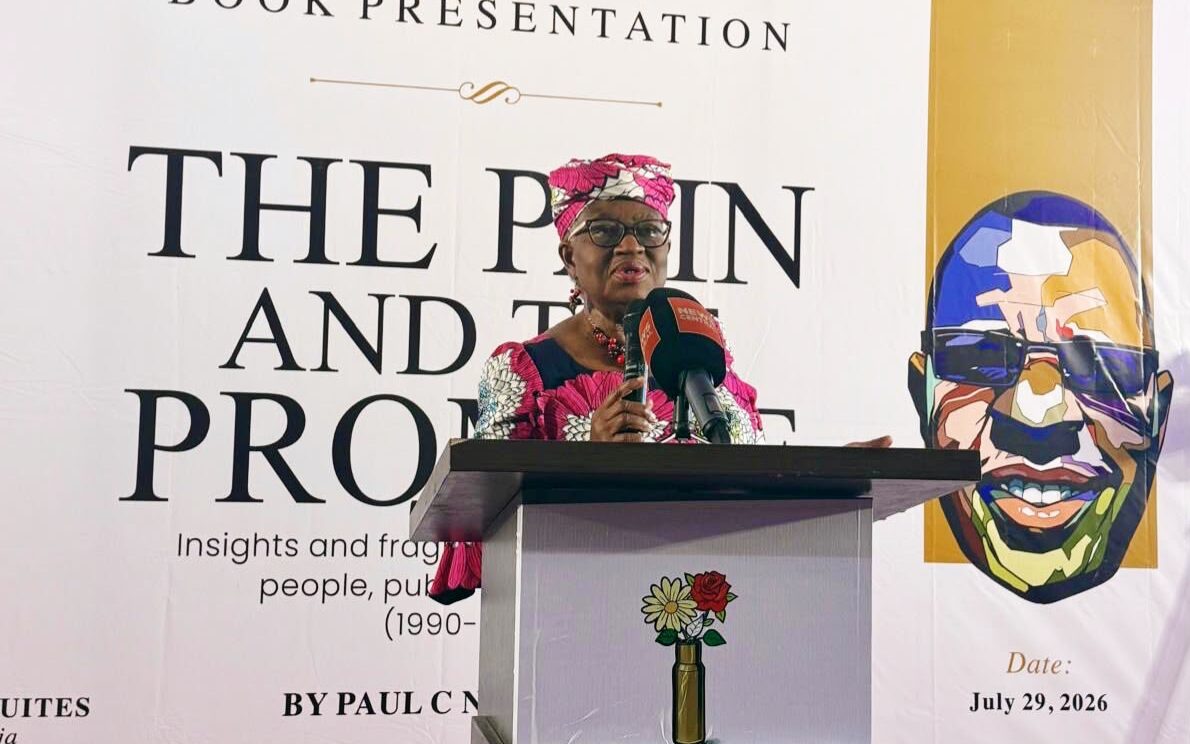
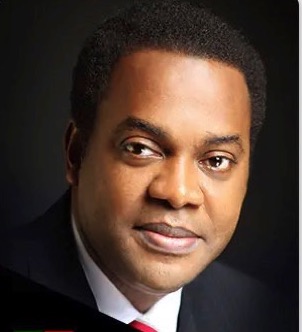
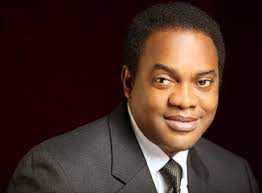
Donald Duke’s recent account of Nigeria’s Paris Club debt deal bears little relation to the public record. In an interview published by SYMFONI TV on 22 August 2026, he accused Ngozi Okonjo-Iweala of taking “vain glory” for the relief. “It wasn’t her,” he said. “It was President Obasanjo.” He reduced her work to presidential “runs” and told her not to take credit.
The Early Campaign and Its Limits
Duke’s recollection ends conveniently where his own part becomes secondary. He remembers accompanying President Olusegun Obasanjo to debt negotiations during the early campaign and Tony Blair’s support; from there, he leaps to the final relief, leaving the impression that the intervening work was incidental. Six consequential years disappear from his account: the failed demand for cancellation, the 2000 rescheduling, the reform programme, the IMF instrument, the terms still unsettled in October 2005, and the minister who gave the process institutional direction and led Nigeria’s delegation when the deal was concluded.
Duke did have a part in the opening campaign. The Guardian described him on 15 June 1999 as Nigeria’s “leading debt negotiator”, reported Britain’s demands for reform and transparency, and quoted him as accepting IMF monitoring.