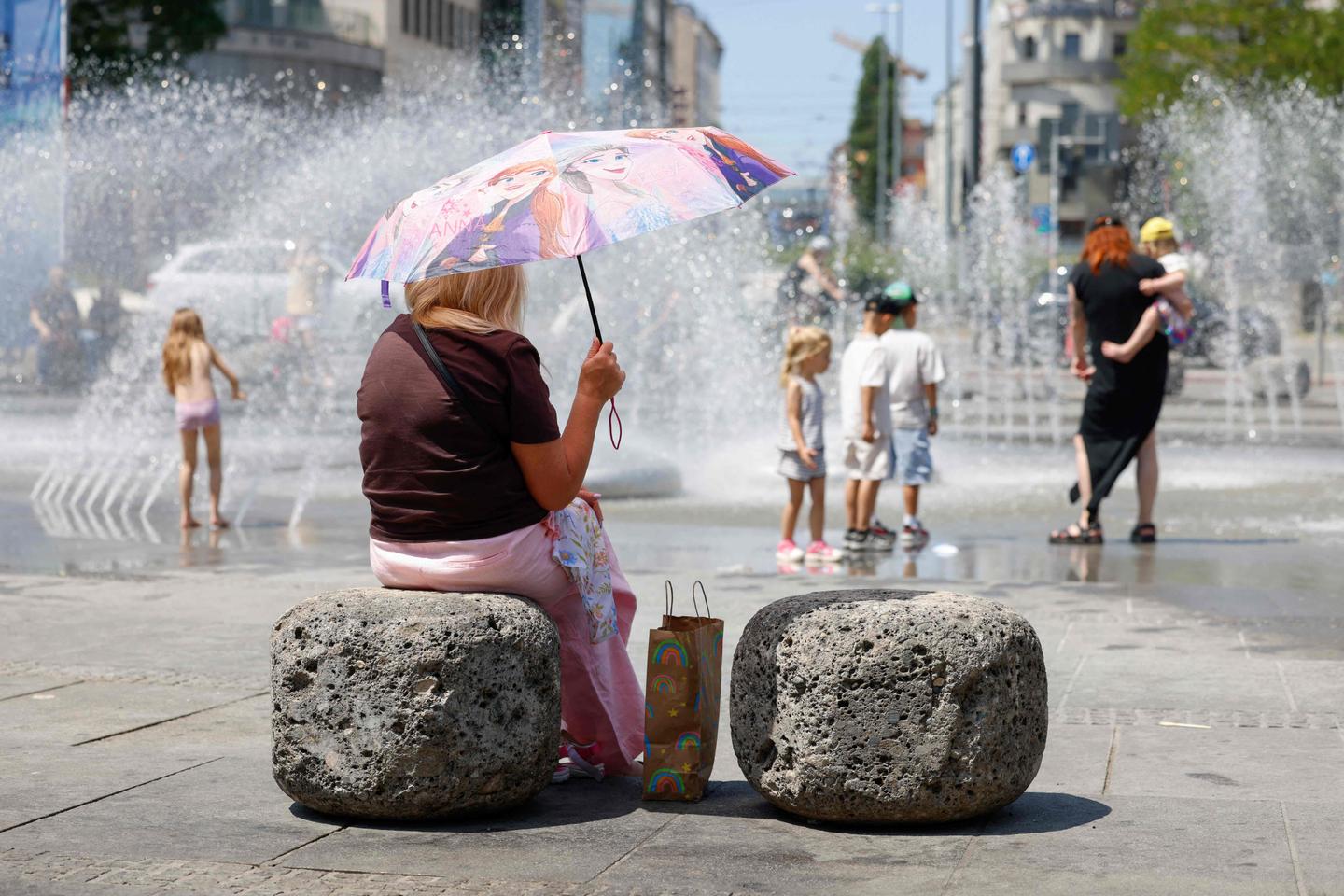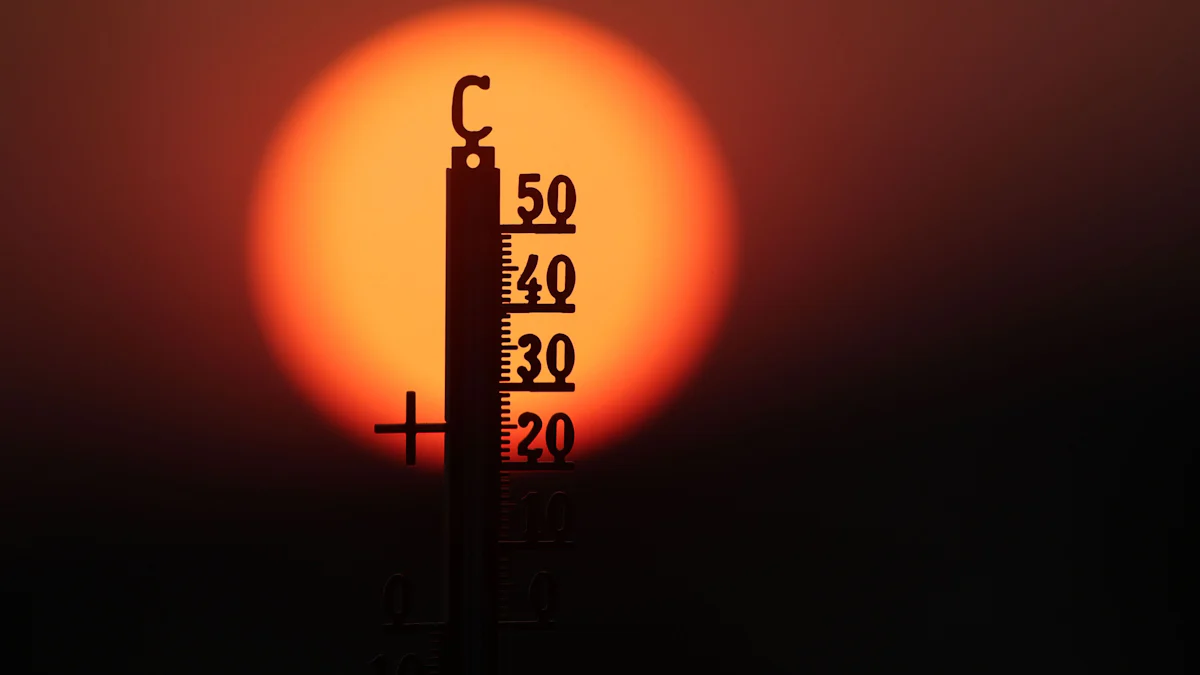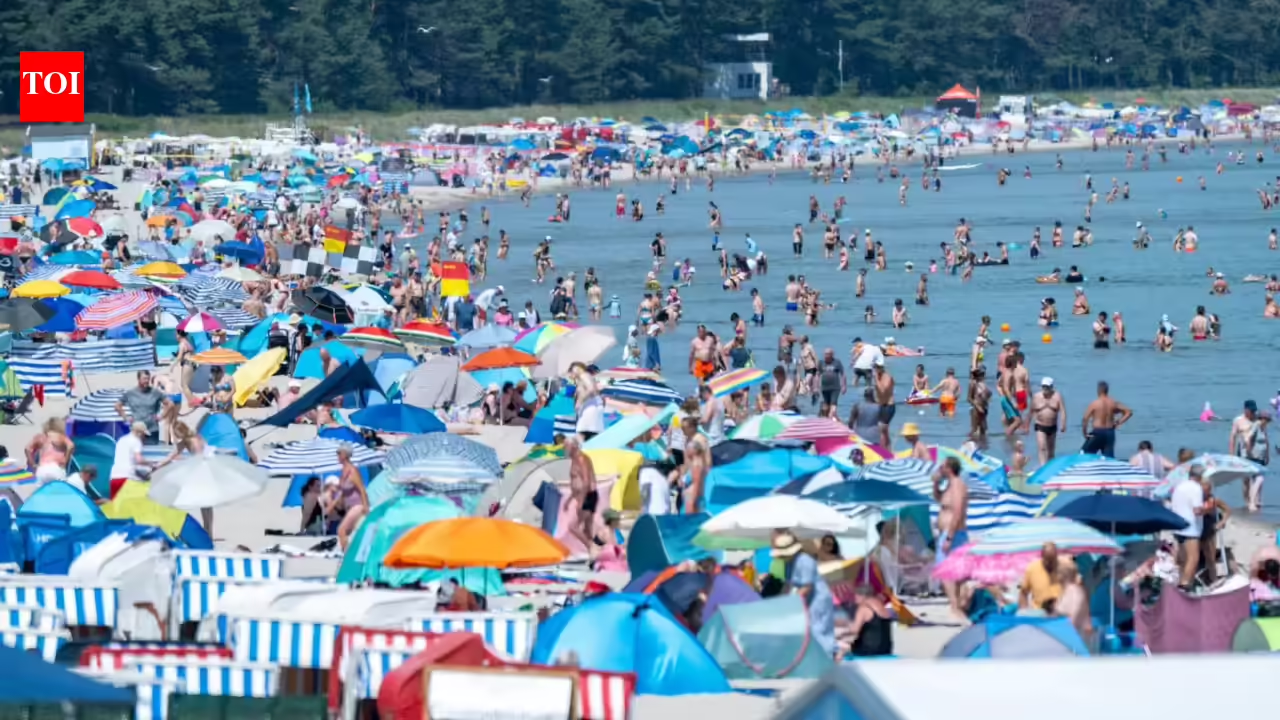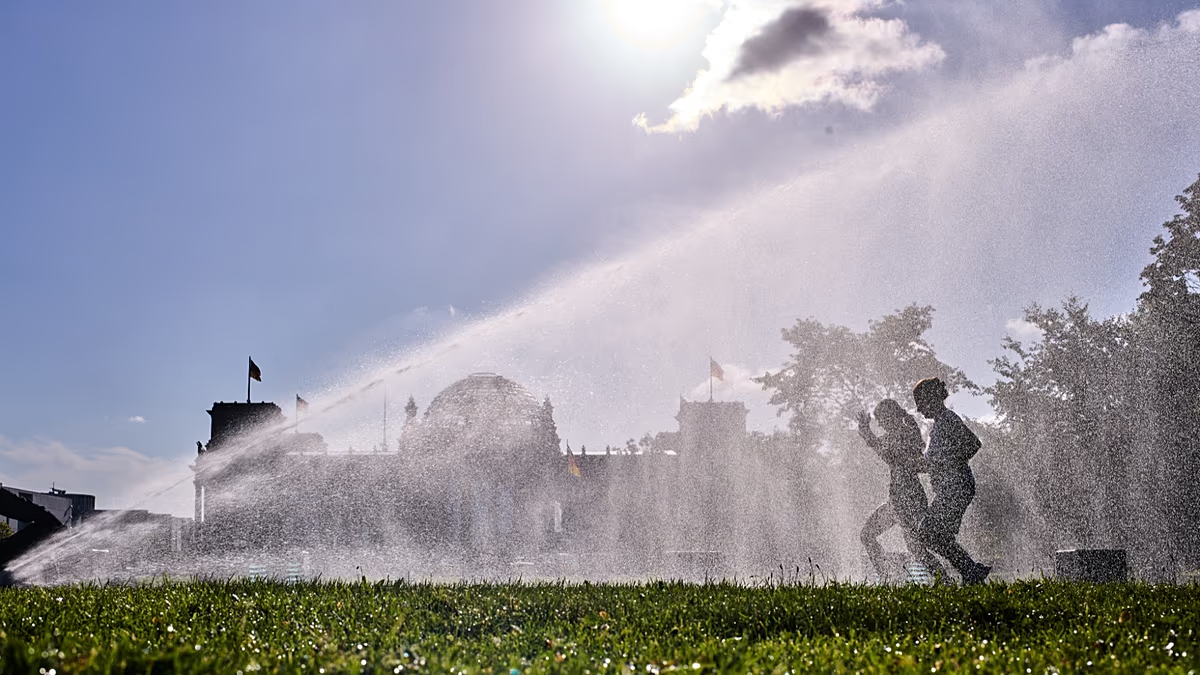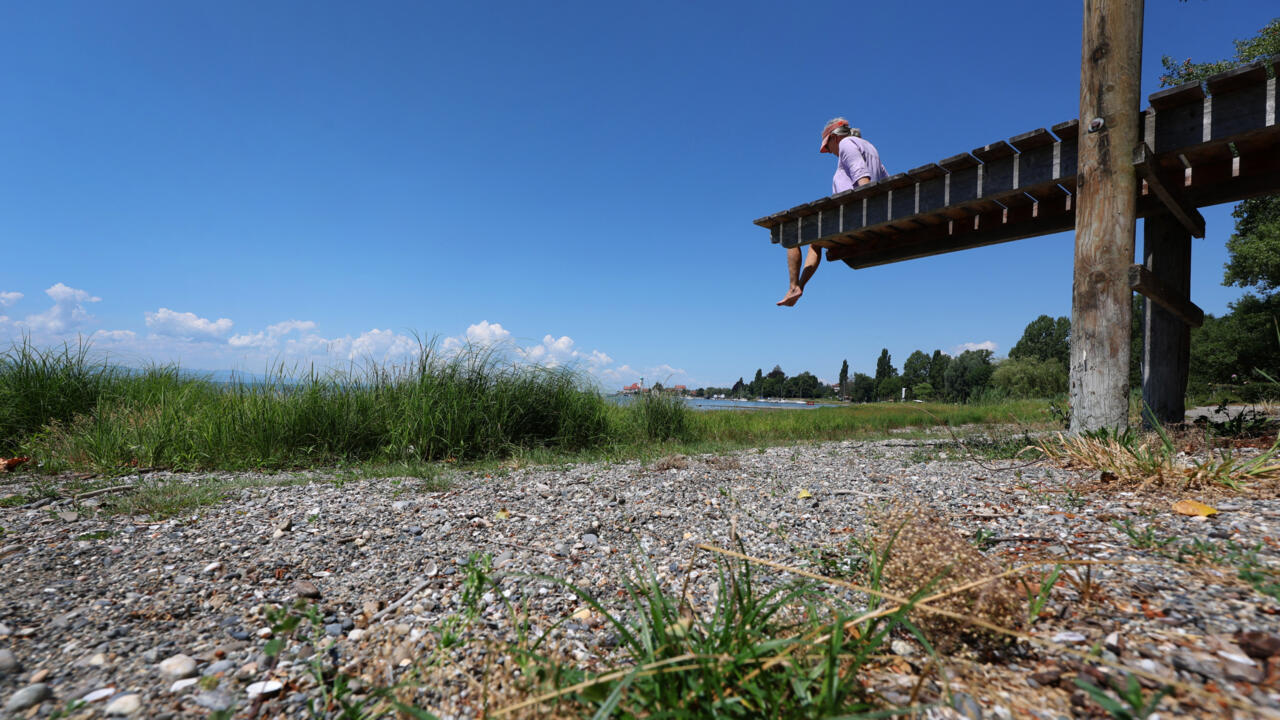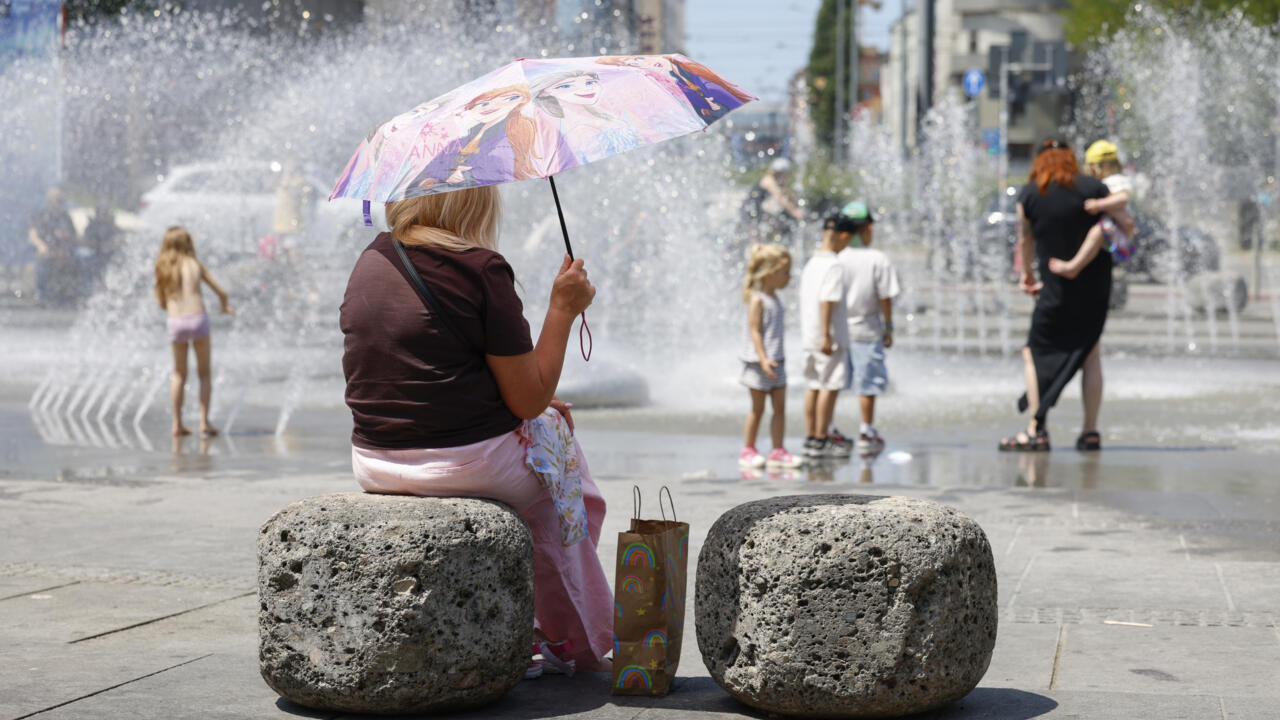
The worst affected group were people over 75, and around 9,600 deaths were recorded in one week in late June when Germany baked in temperatures over 40C, said the Robert Koch Institute (RKI). Another 4,000 heat-related deaths were recorded between late July and mid-August, said the institute in its latest update.Heat and drought have battered much of Europe this summer, fuelling a spike in heat-related mortality, wildfires, devastating many crops and dropping water levels in major rivers. France, Britain and Spain have all reported thousands of excess summer deaths.
Many beech trees have turned yellow and brown in a forest near Gladbeck, western Germany following soaring summer temperatures and low rainfall © Ina FASSBENDER / AFP
The institute said it has collected heat mortality data for the past decade and that the previous record was 8,900 deaths in 2018. A separate report by a medical publication had estimated 10,000 heat deaths in 1994.Extreme heat can kill through heatstroke but mostly proves fatal when combined with existing conditions such as cardiovascular, lung or kidney diseases.The RKI models heat-related mortality using statistical methods that compare deaths during summer weeks with and without heatwaves.'Extreme summer'Climate change and heat adaptation were on the agenda of a two-day cabinet retreat this week led by conservative Chancellor Friedrich Merz, but no new measures were announced.Merz said Germany's 16 states are primarily responsible for heat protection and are already set to receive 100 billion euros ($116 billion) over the next 12 years from a special infrastructure and climate protection fund.