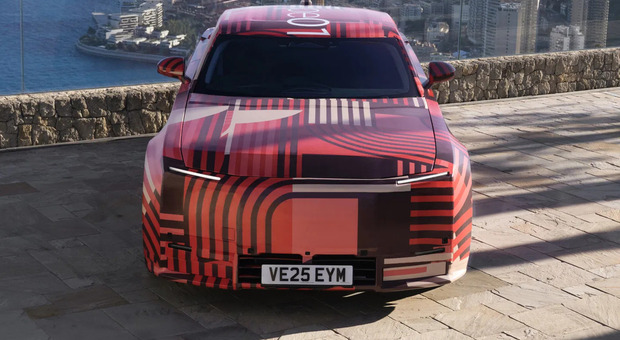
JLR’s electrification strategy — the plan for the group behind Jaguar and Land Rover — has yet to gain significant momentum. Aside from the Jaguar I-Pace, which was discontinued in 2024, the British heritage group has not yet introduced a battery-electric production vehicle to market. Several delays have been announced, such as the electric Jaguar Type 01 that is now expected to arrive this year, despite originally being scheduled to debut as early as 2025.
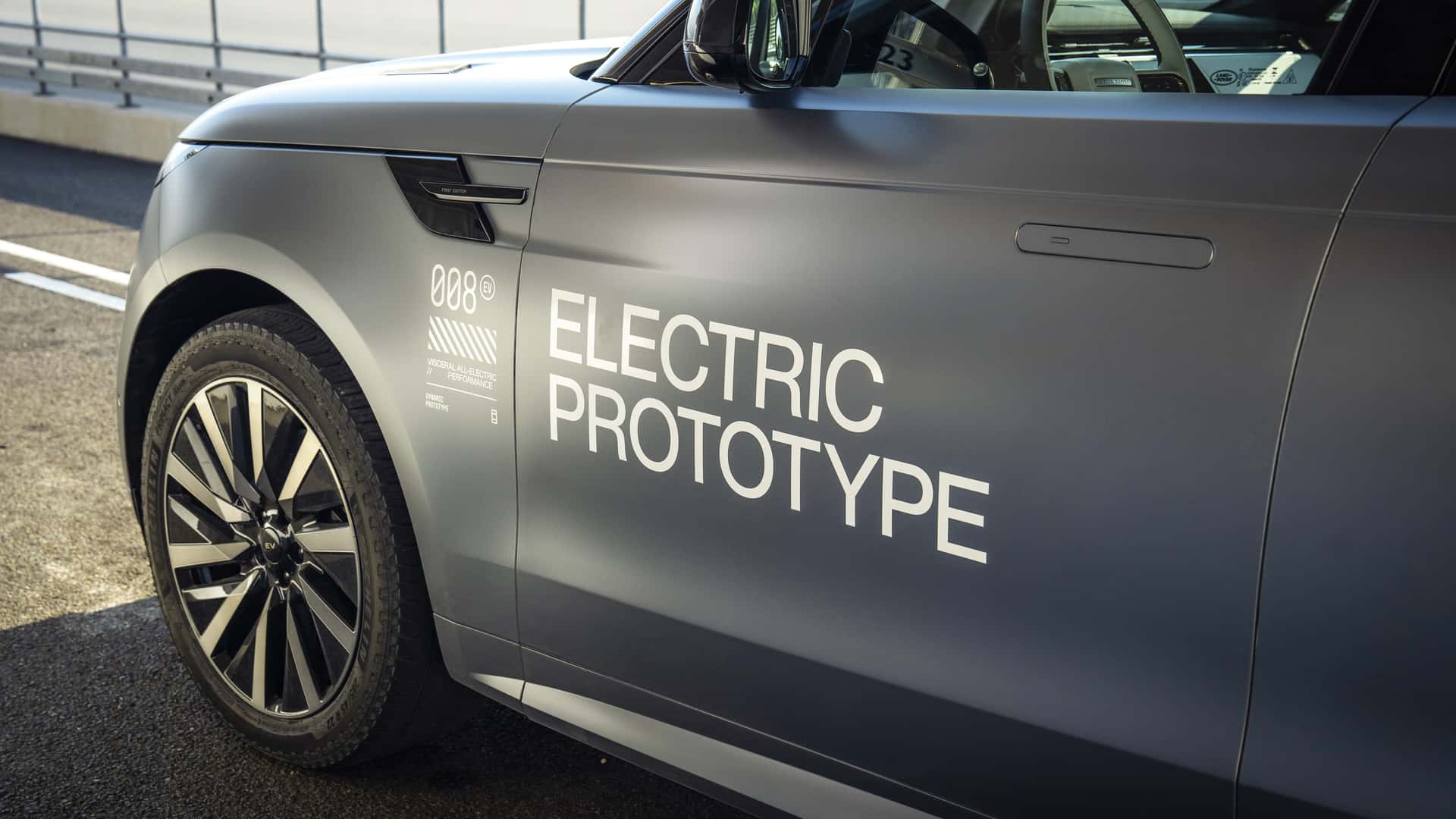
The first electric vehicle from the Land Rover brand is also still pending. While the Range Rover Electric has long been announced—and journalists tested a prototype as early as spring 2025—its market launch was officially postponed to 2026 in the summer of 2025. But even now, the vehicle has yet to materialise.
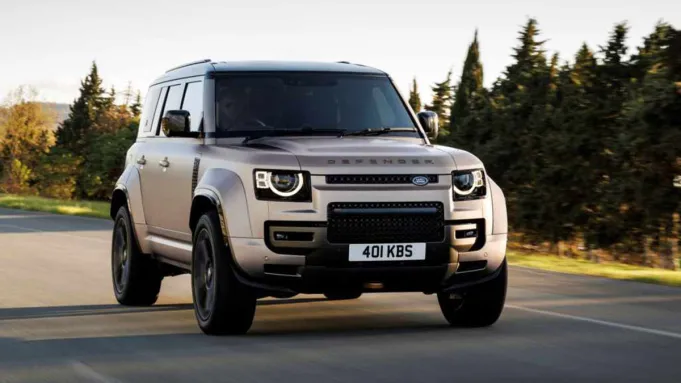
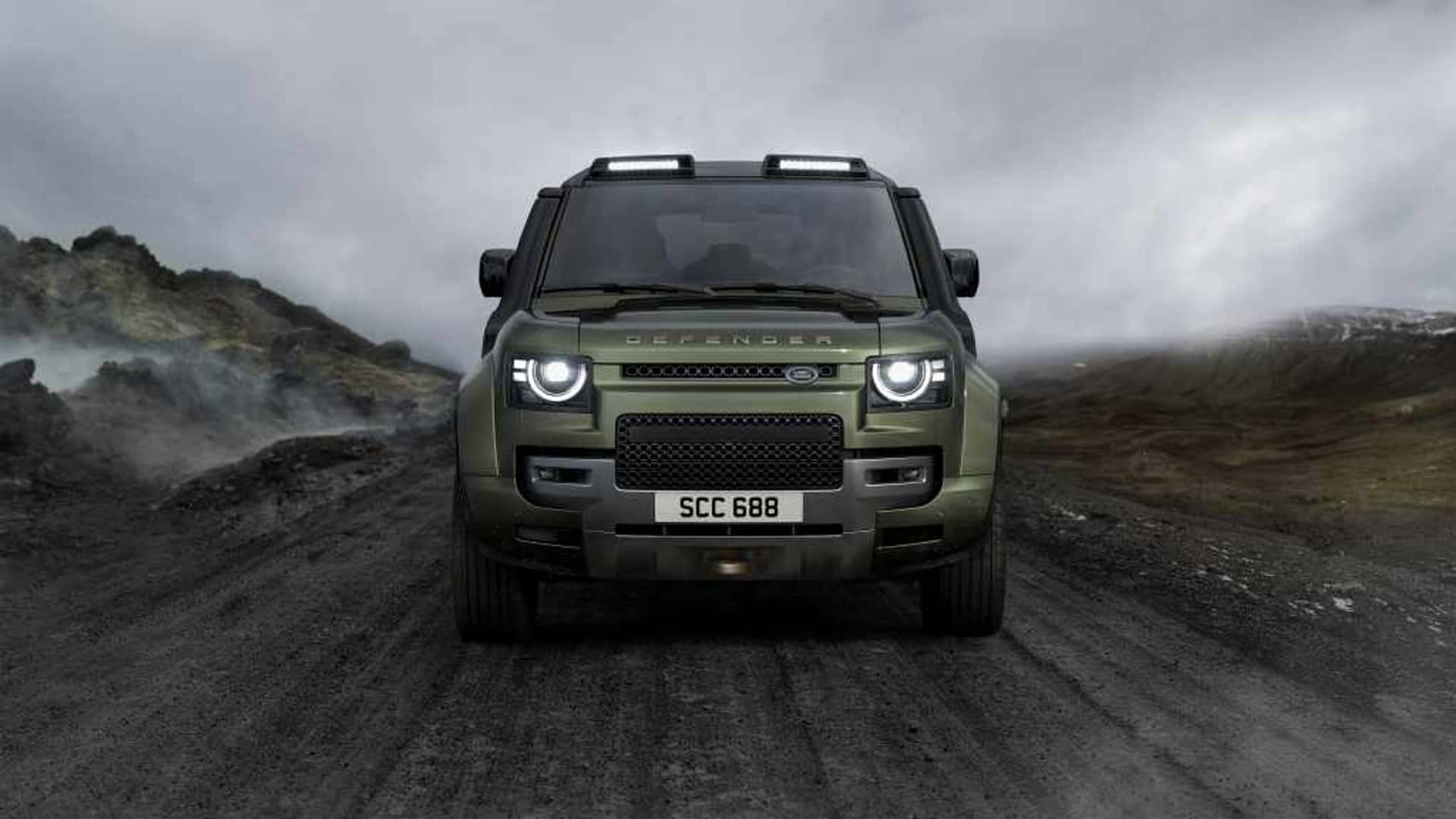
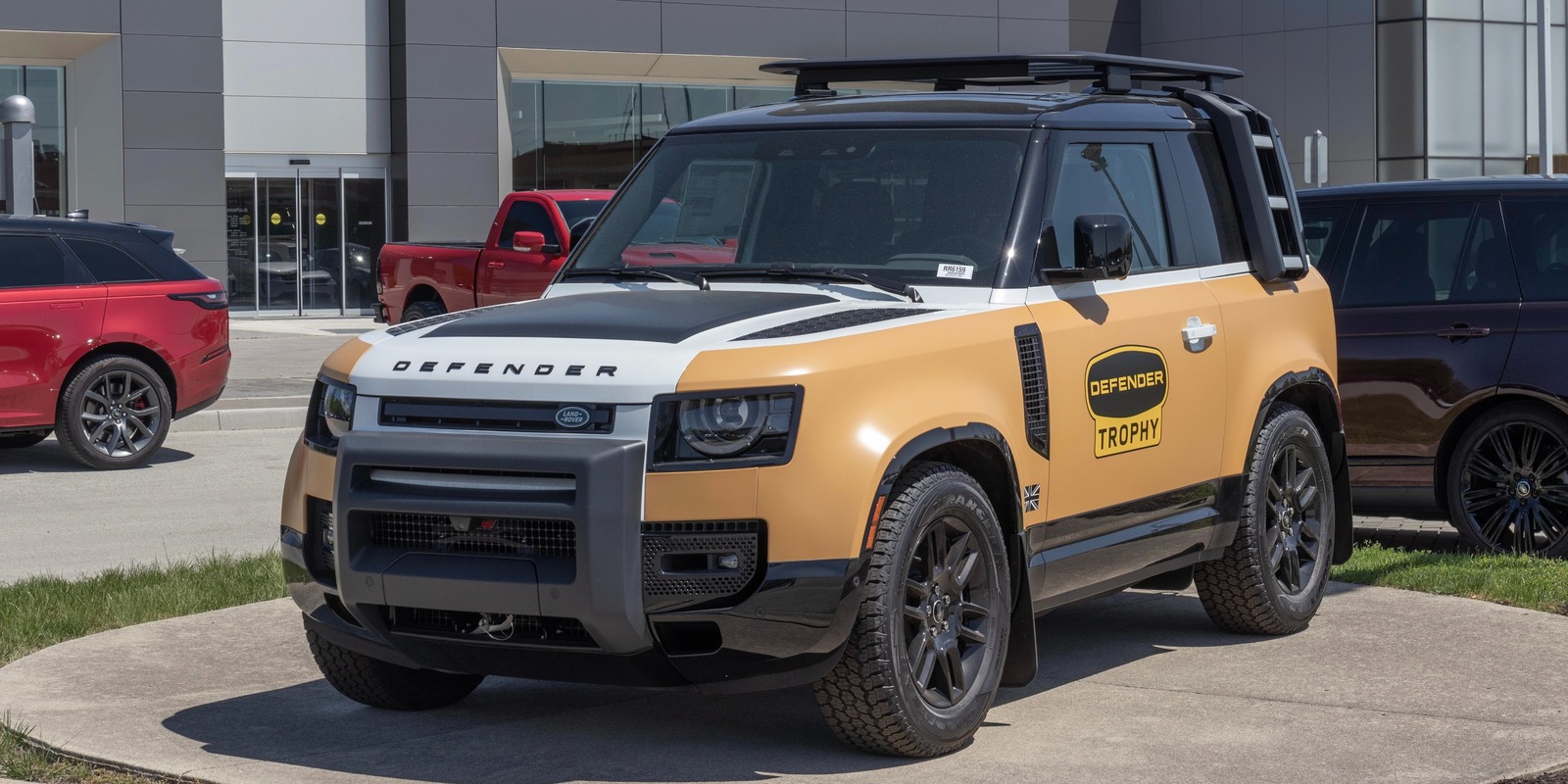
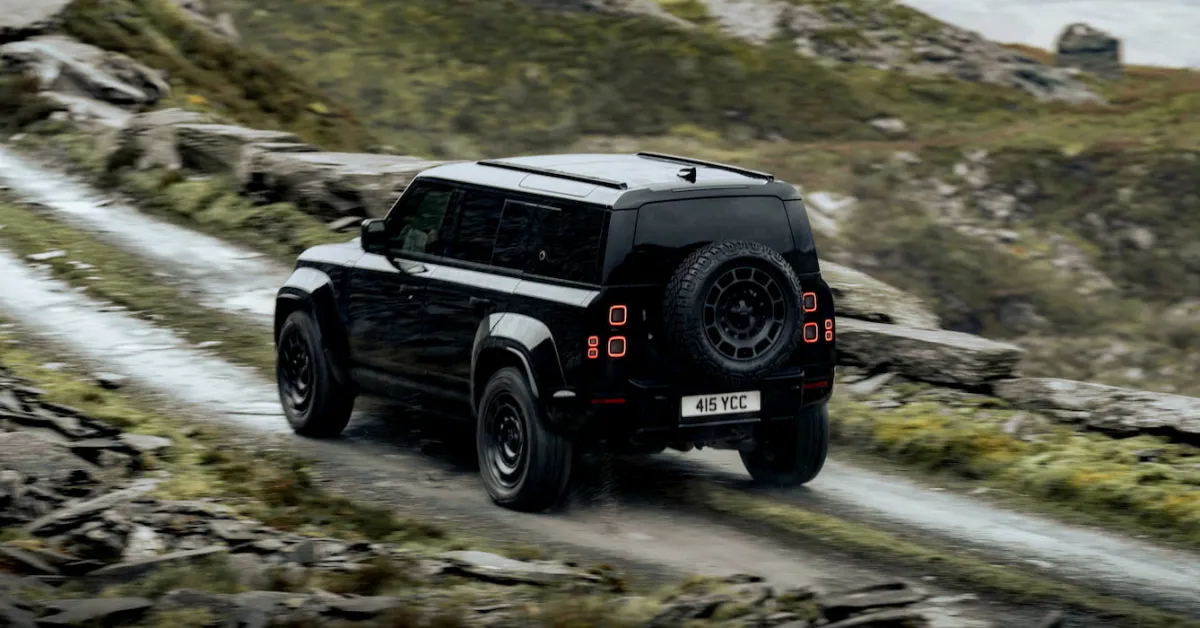
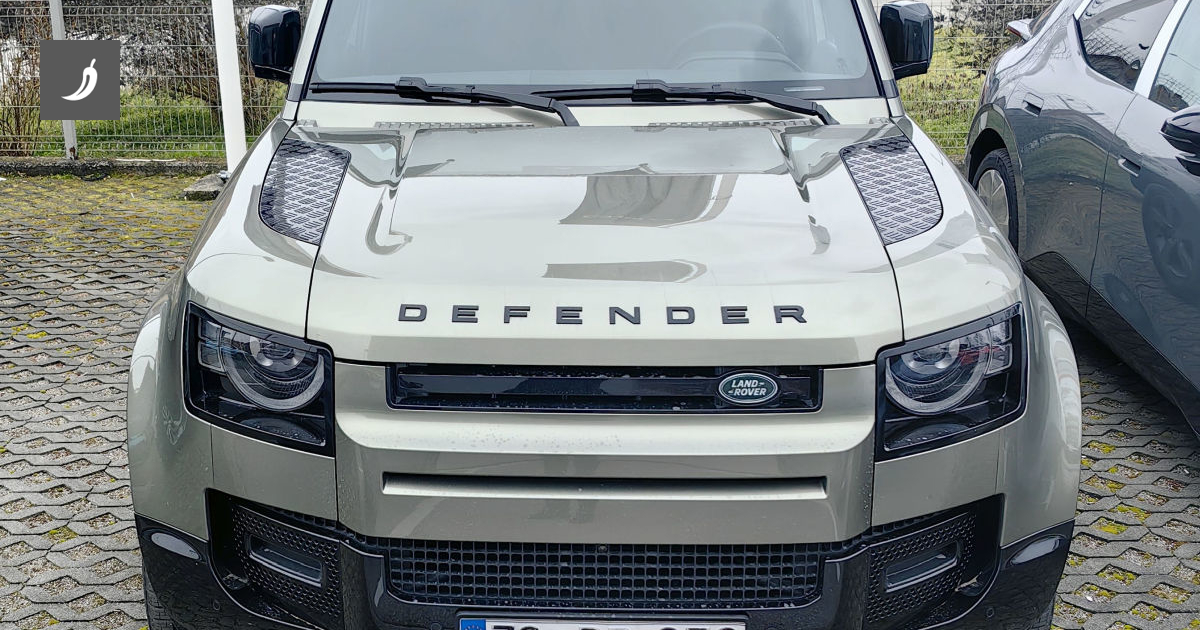
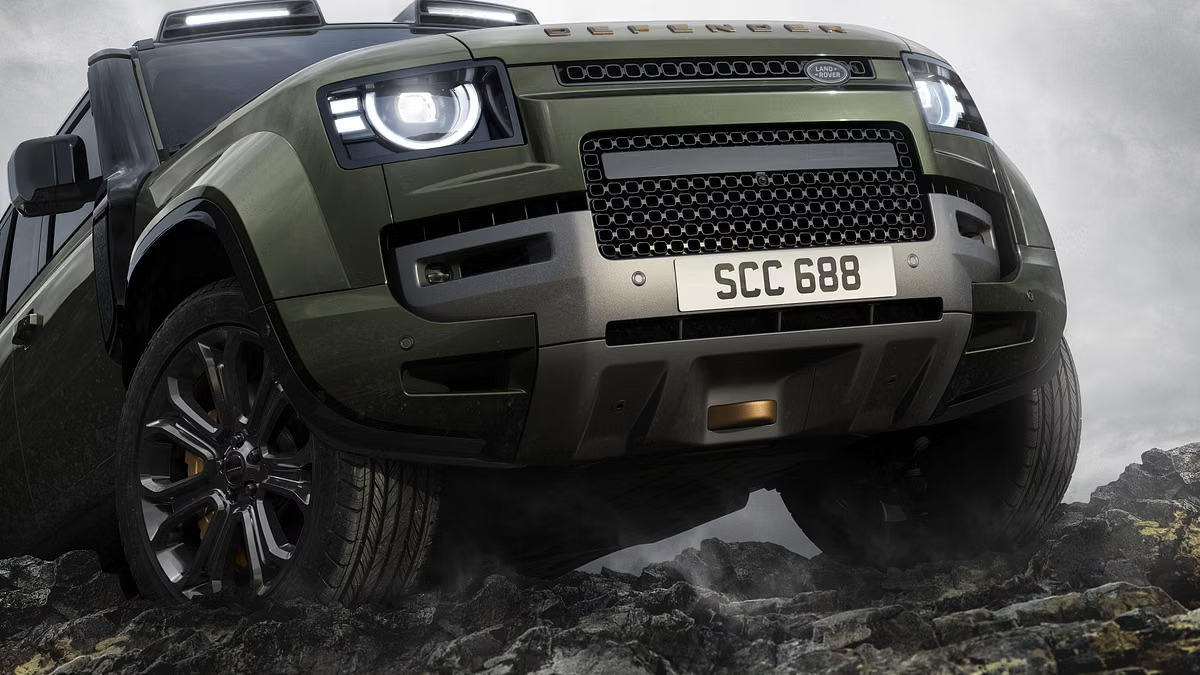
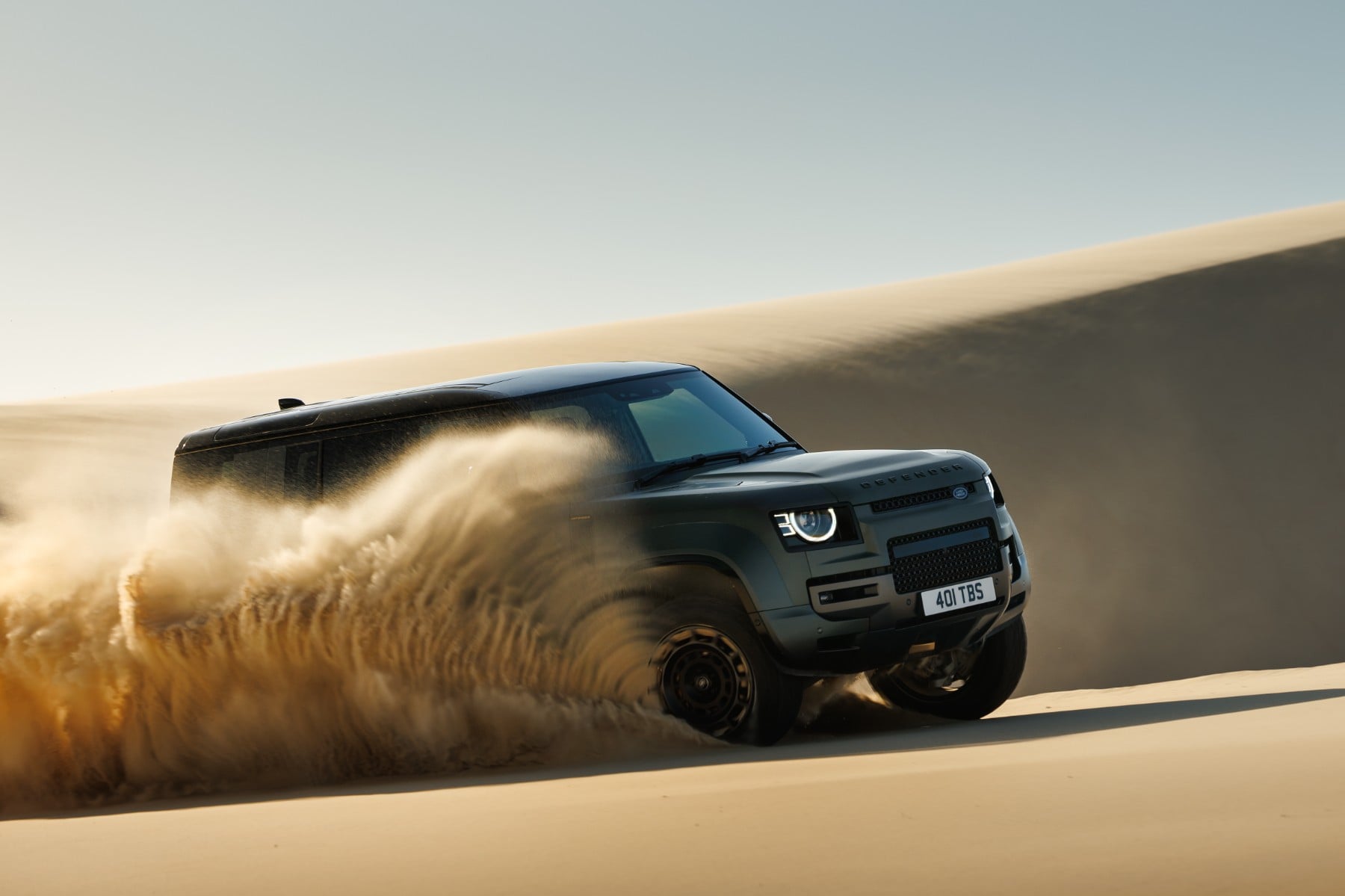
British newspaper The Times states that the off-roader Defender will also receive an electric variant much later than initially planned. The company maintains that the delay is not due to JLR losing faith in electromobility but rather stems from a platform compatibility issue.
Platform does not support electric drivetrains
The current Defender, introduced in 2020, is built on the D7x platform, where the “x” stands for off-road capabilities. This platform features a highly rigid, aluminium lightweight architecture specifically developed for this off-road vehicle and tailored for internal combustion and hybrid drivetrains. According to JLR, it is too complex and unsuitable for fully electric powertrains. One issue cited by the carmaker is that the underbody lacks the space required to accommodate batteries capable of delivering adequate range.