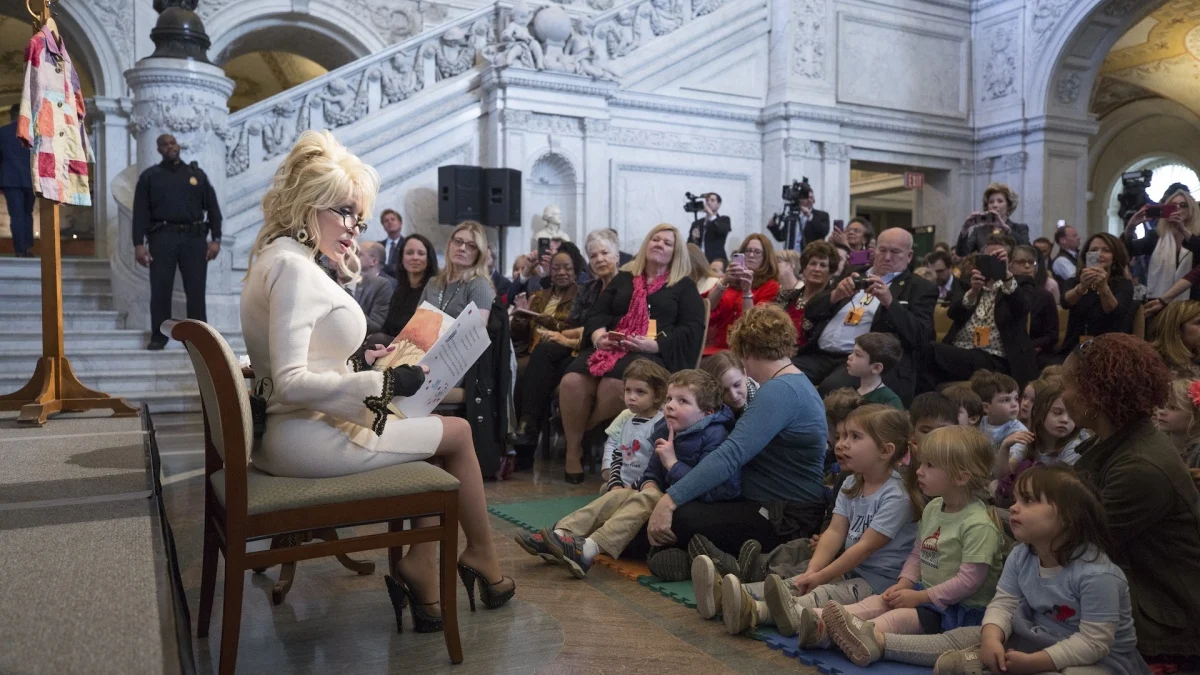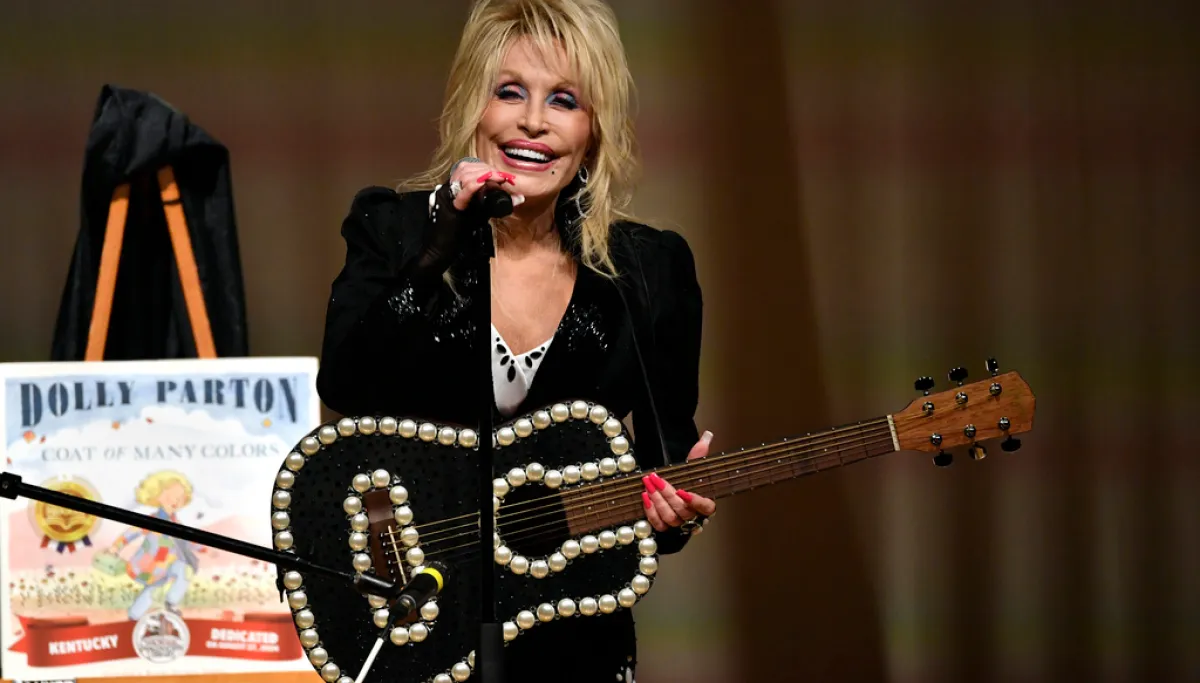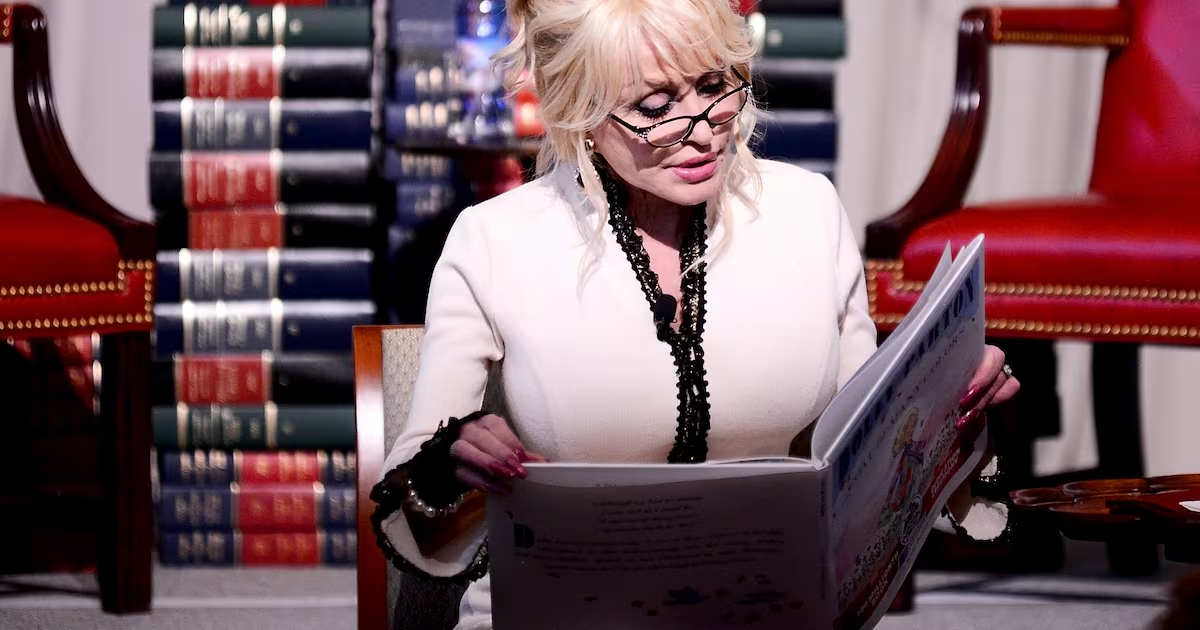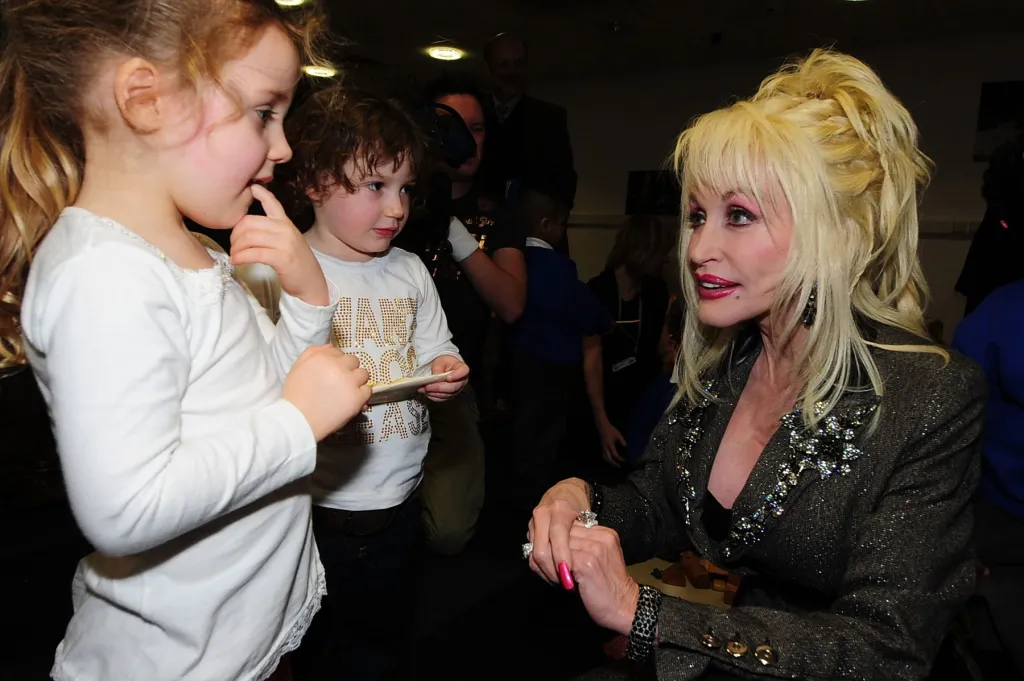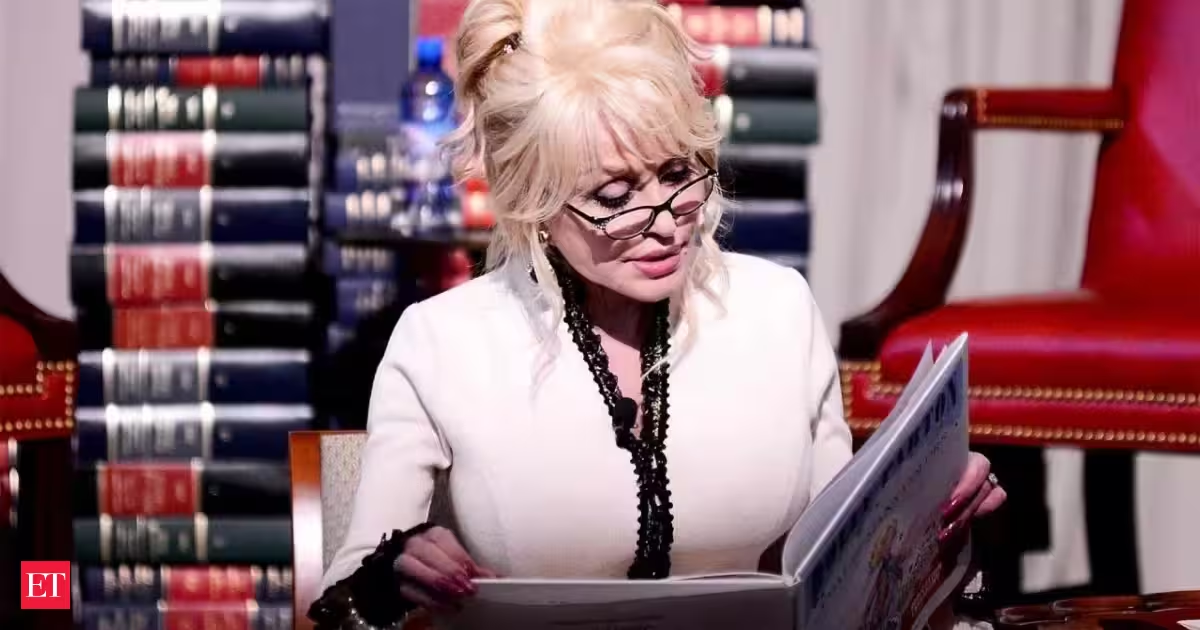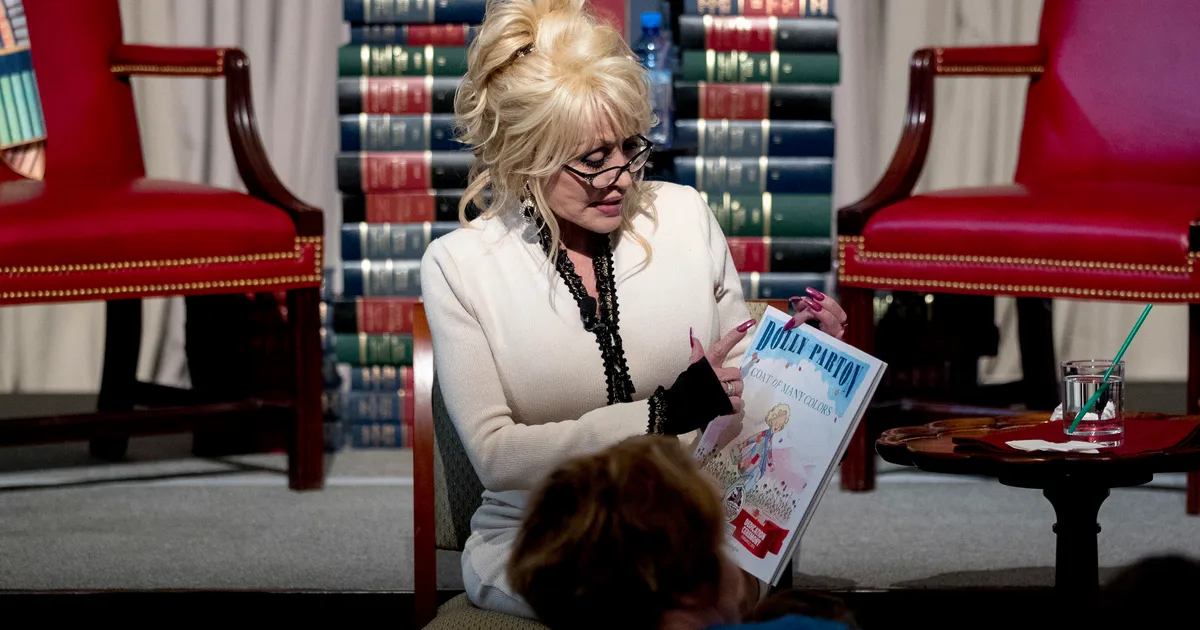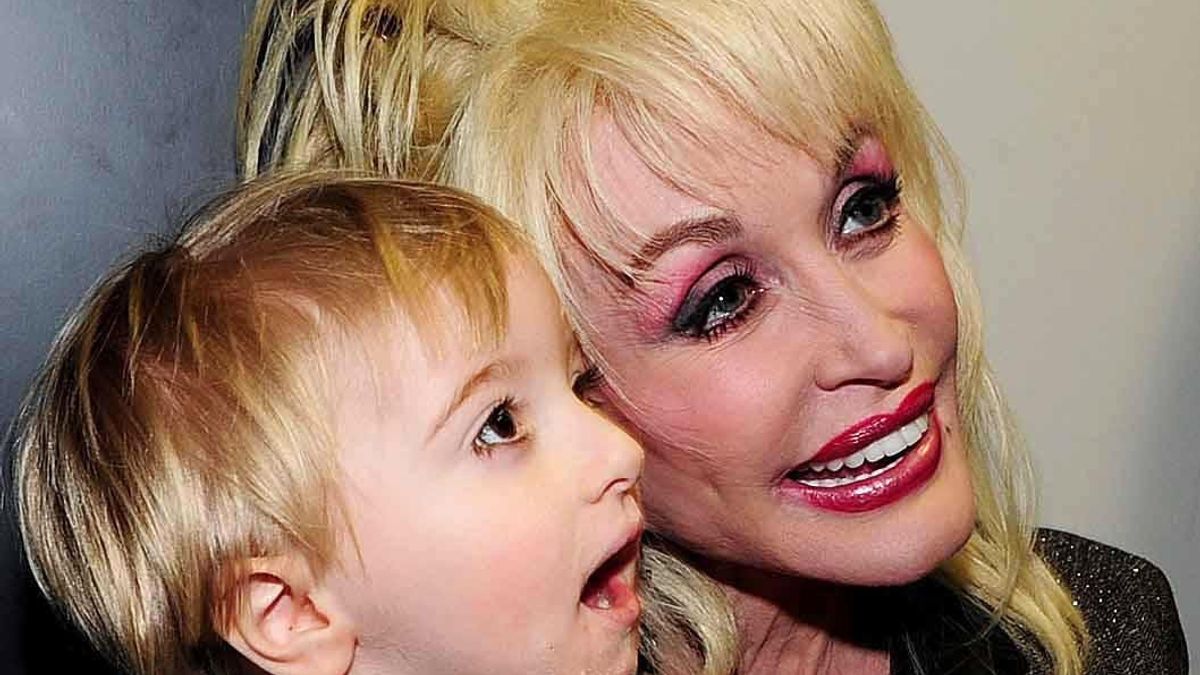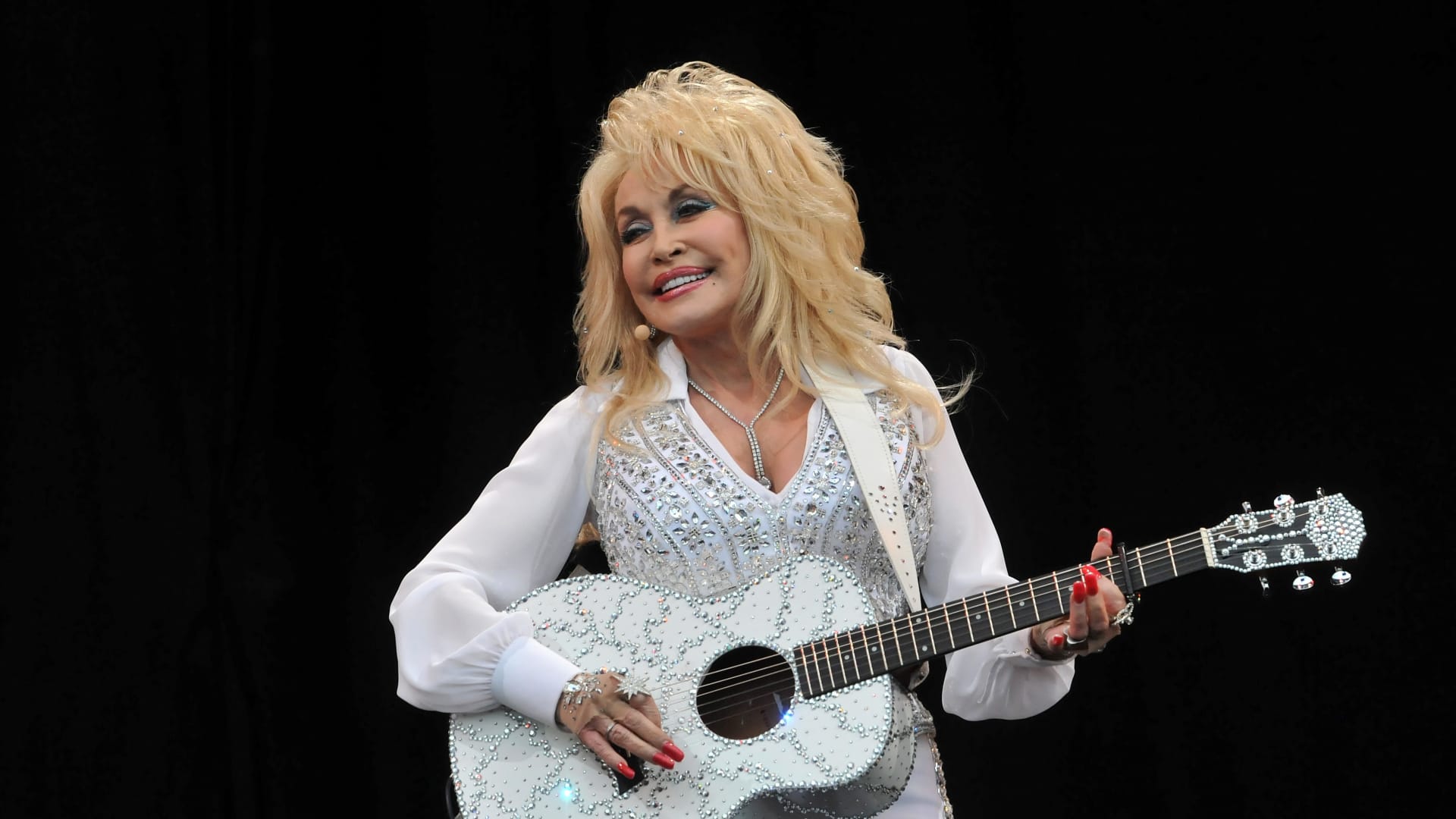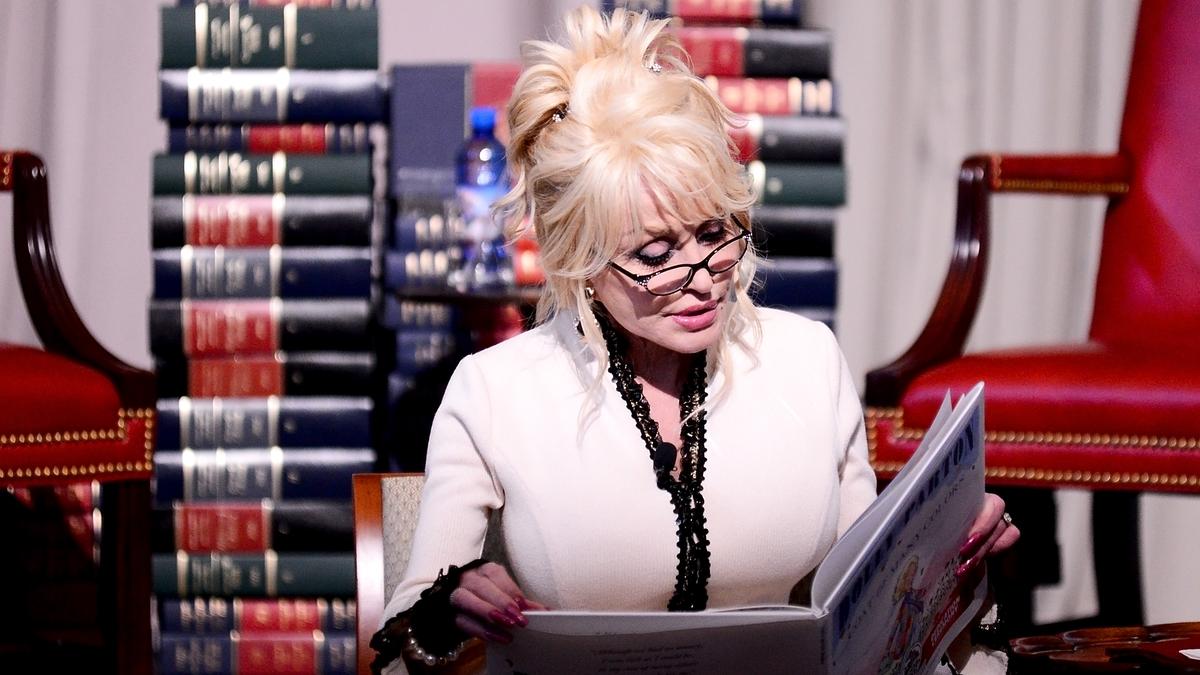
When news of American singer-songwriter Dolly Parton’s passing came, there was a collective sense of loss around the world. On social media, there were as many posts about her philanthropy as her iconic music. One father wrote that his little daughter was very sad. He asked her why. “She sent me books,” the child replied.No one had sent Parton books when she was a child. She grew up poor, one of 12 children in a tiny home with no electricity in the Great Smoky Mountains of Tennessee. The doctor who had delivered her was paid not in cash but in kind, with a sack of cornmeal. Her father, whom she described as “the smartest man I have ever known”, had never had the opportunity to learn to read or write.The beginningsThis was the origin of Parton’s Imagination Library. She first created it for the children of her home county, and in honour of her father. In the three decades since then, it has grown into a global literacy programme across five countries, delivering over 300 million books to children. Her father told Parton it was the best thing she had ever done.We know how important it is for children to learn to read, and how much they benefit when reading begins at home. The hard part is reaching families early enough to make a difference. Parton was equal to the challenge. She didn’t overthink it; she understood people well enough to know what young children needed. She made it happen. It wasn’t an act of performative charity; it was solid common sense and a radical act of goodness.A child would get one age-appropriate picture book every month by post, addressed to them by name, until they turned five. At the age of five, they would receive a letter from Parton. “If you go to your local public library,” it would say, “you will find a great number of books just for kids your age. Every book is a treasure, and every time you open one up, you will meet new friends and take wonderful journeys to magical places.”Picture books are fundamental to young children’s learning. Beyond vocabulary and language skills, they do far more: they take the child on an emotional journey, helping them to relate to others, recognise their feelings, and express them. Children can listen to the words, look at the pictures, touch the pages, hold the book, and imagine their way through the story into another world. As their imagination develops, children develop a lifelong love for books. Rather than just a skill, reading becomes their superpower.
The legacy of Dolly Parton’s Imagination Library
Explore Dolly Parton's Imagination Library, a transformative literacy initiative that has enriched millions of children's lives through reading.
903 words~4 min read