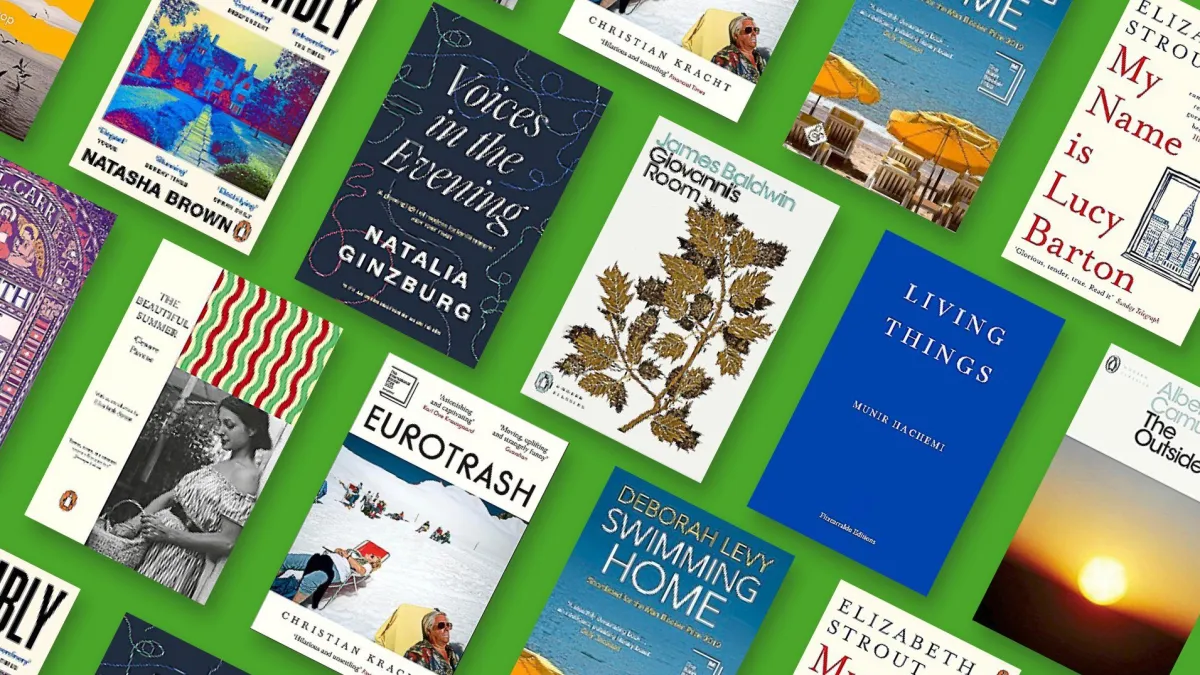
In anticipation of the publication of my novella, American Moon, I’ve been thinking a lot about the form. Novellas are tiny in the world of books, but they’re good for readers in a self-inflicted time-squeezed age. We all know that attention spans have shriveled in this era of social media and instant gratification. So, when could be a better time for the novella—a literary genre that found its most popular footing during the Italian Renaissance (14th century)—to reemerge with gusto?Article continues after advertisement
As a former broadcast journalist, tight storytelling has been in my writing wheelhouse. Brevity with weight was my sweet spot. And so, through this experience, I have found writing novellas far better suited to my own narrative approach. For me, the traditional novel, many times, is often just too much of a load to carry. And sometimes, the novel, certainly that big 400-page tome, can be overwhelming, daunting, and time-sucking for today’s reader.
Enter the novella. What reader wouldn’t want to set aside just a couple of hours on a rainy afternoon to sink themselves into a good story with time leftover to get to the gym, to do laundry, to make dinner?
There have always been short books, some traditionally noted as novellas (20,000-40,000 words), yet not marketed as such. Publishing houses have traditionally seen the novella as an outsider, a stepchild to the real book—the novel. But that appears to be changing. And as an author with two novellas currently out in the world—The Islander (Outpost19) and Sandman (Collective Ink Fiction)—and another on the way, I couldn’t be more thrilled, and readers should be, too.