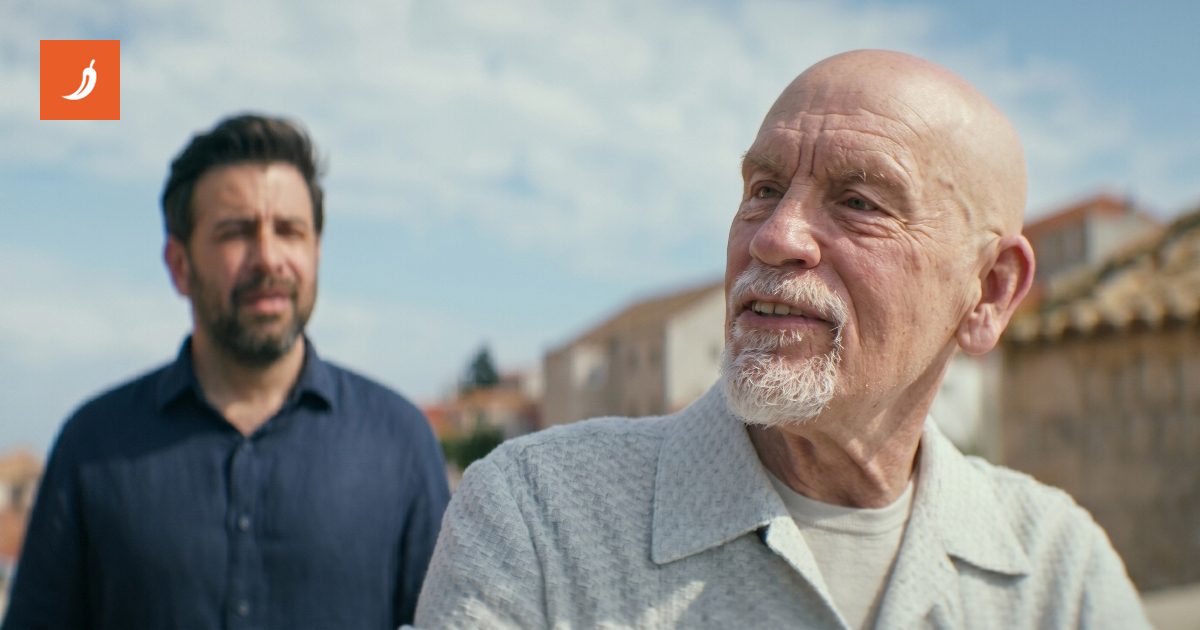
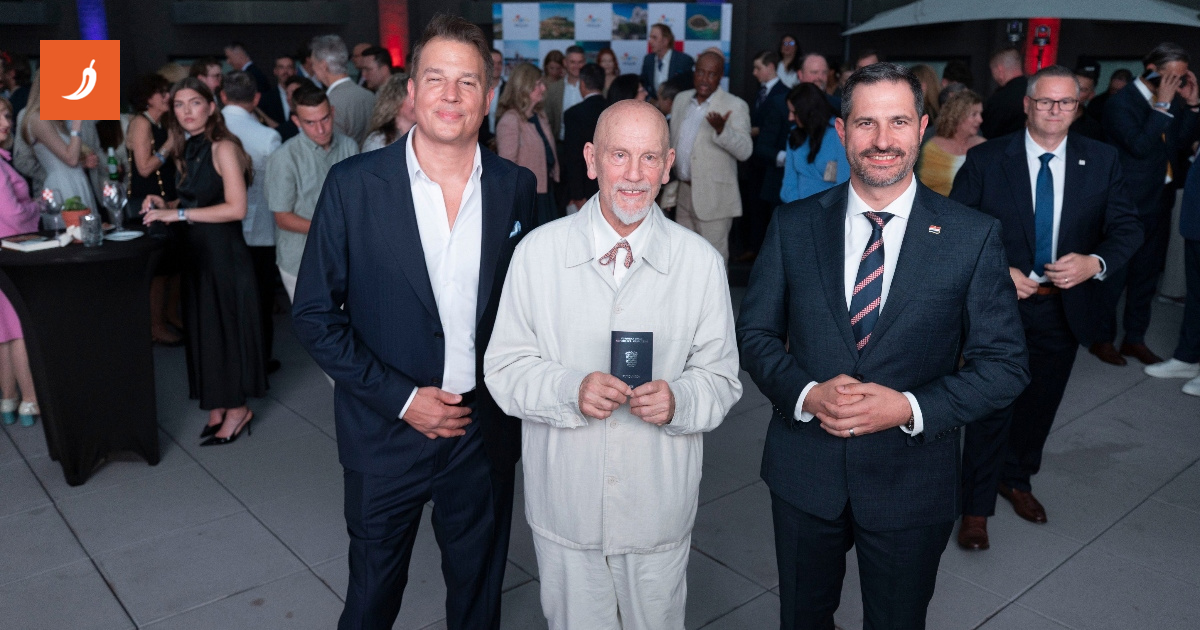
For actor, director and Hollywood legend John Malkovich, a trip to Croatia to make a tourism film becomes a journey back to his roots. In ‘Croatia – I Hear It’s Beautiful’, the star arrives in the country knowing very little about his ancestral homeland, and feeling less than enthused about finding out. But what begins as just another job soon becomes something far more personal, as the places he explores, the people he meets, and the experiences he enjoys slowly open his eyes to the beauty of Croatia, and his initial reluctance gives way to a newfound appreciation for this diverse and unique destination.Here we follow in Malkovich’s footsteps, exploring the places, flavours and experiences that made his Croatian journey so special – from the ancient walls of Dubrovnik and Hum, the world’s smallest town, to the buzz of Zagreb and nature of Slavonia.Things to do in Dubrovnik and Konavle: History, wine and outdoor adventuresThe star delves into Croatian history with a trip to Rector’s Palace in the heart of Dubrovnik’s Old Town (Croatia Full Of Life)Malkovich kicks off his Croatian adventure in Dubrovnik, a UNESCO-listed Old Town and one of Croatia’s most recognisable sights, with terracotta rooftops and medieval walls overlooking the sea. Walking the walls or heading up Mount Srđ for panoramic views offers a different perspective of the city, while the streets below are packed with centuries of history.When you get beyond the city, to places like nearby Konavle, everything becomes a little more rural, with vineyards, traditional villages and countryside backed by mountains and sea. This is a great place to learn about Konavle embroidery, a local craft that has been passed down through generations, and even take part in a workshop to try it for yourself.Along the Ljuta River, you’ll also find a number of old watermills and a fulling mill, while high above the Konavle valley, Sokol Fortress is a medieval fortress perched high above the valley.Konavle is also a fantastic place to get outdoors, with walking trails taking you through the countryside and along the cliffs, while kayaking offers a chance to see the coastline from the water.However, many come for the wine alone, with family-run vineyards offering tastings of local varieties such as Dubrovnik Malvasia, a white wine with deep roots in the region, best enjoyed with homemade food and olive oil.Split, Brač and Hvar: Discover Croatia’s islandsEnjoy scenic views and coastal air in Hvar, where a boat trip is a must (Zoran Jelača)Split’s history is everywhere you look, with Diocletian’s Palace at the heart of the city. It’s a UNESCO World Heritage Site, but it’s also a place where everyday life does its thing, with cafés, restaurants and shops tucked between ancient walls and Roman columns.From Split, the Dalmatian coast opens out towards islands including Brač and Hvar, where clear waters and rocky coves make it easy to spend your days outside. For those who like to get their heart racing, head inland to the Cetina River where the limestone landscape is ideal for rafting, kayaking, canyoning and hiking.Tradition is still very much part of everyday life here. Keep your eyes peeled for delicate lace made from agave leaves on Hvar, a craft passed down through generations, while klapa singing, a traditional style of Croatian singing, can still be heard in towns and villages across Dalmatia.Discover Istria: Truffles, wine and rich historyFoodies will love Istria, where you can go truffle hunting or explore the local olive groves (Karlić)There’s much more to Croatia than its beaches, and Istria is a perfect example. The peninsula is dotted with old castles, vineyards, olive groves, forests and hilltop towns, with food that makes the most of what grows here.Truffles are a big reason food lovers come to Istria, especially in autumn and winter when the prized white truffle is found in the forests around Motovun. The damp soil and mix of oak, hazelnut and other trees make the area perfect for truffle hunting. Malkovich gets to sample them for himself – getting a taste of what has put the region firmly on the foodie map. You’ll find them added to everything from pasta to frittata, ideally with a glass of crisp local Malvazija on the side.Istrian extra virgin olive oil is equally worth finding, from north to south, the area’s verdant landscape is carpeted with neat rows of olive groves, where some of the country’s best olive oil is produced.There’s plenty to explore between meals – from Hum, known as the smallest town in the world, which, as a charmed Malkovich puts it, “looks like a film set”, to the Parenzana Trail, a former railway line through the Istrian countryside that’s perfect for hiking and cycling.There’s also heaps of history here, like Pula’s Roman amphitheatre, dating back to the 1st century, and Poreč’s Euphrasian Basilica, built in the mid-6th century, offering a window into Istria’s past.Zagreb and Slavonia: City life and natureIn Zagreb, Malkovich gets to know the bustling capital of Croatia, exploring its history, wandering its lively streets and eating at some of the city’s excellent restaurants. He also accidentally discovers a few Croatian quirks, from the fear of ‘propuh’ – the mysterious draught blamed for all sorts of ailments – to the formidable local grandmothers, effectively the country’s unofficial intelligence service. While in Slavonia he immerses himself in nature, the perfect way to enjoy this stunning region where stretches of woodland and sweeping countryside replace the coastal scenery and city streets.Traditional food, wine and culture: The flavours that bring Croatia to lifeLocal Croatian dishes like peka, pršut and Šporki makaruli are must-tries (Croatia Full of Life)Depending on where you travel in Croatia, you might try Dalmatian dry-cured ham (pršut), buzara-style mussels, grilled fish with Swiss chard, peka, a rustic dish of meat and vegetables slow-cooked under a bell-shaped iron lid buried in embers, or Šporki makaruli, a traditional Dubrovnik pasta dish best enjoyed with a glass of Plavac Mali or Pošip, two of the country’s indigenous grape varieties. Malkovich describes Croatia as “like a time machine” – a country where you can step from modern everyday life straight into centuries of history, with traditions still very much alive.These small details say a lot about what makes Croatia such a fantastic place to explore, and what won Malkovich’s heart. Beyond the famous coastline, it’s the food, traditions, landscapes and people that bring the country to life.Ready to follow in John Malkovich’s footsteps? Get to know the food, culture, landscapes and traditions that make Croatia so special and start planning your trip at Croatia Full Of Life
Being John Malkovich… in Croatia: The Hollywood star discovers his roots
Legendary actor John Malkovich discovers a side of Croatia he never expected, on a trip filled with spectacular scenery, fascinating history, incredible food and unforgettable experiences
1,092 words~5 min read